Nathaniel Hawthorne
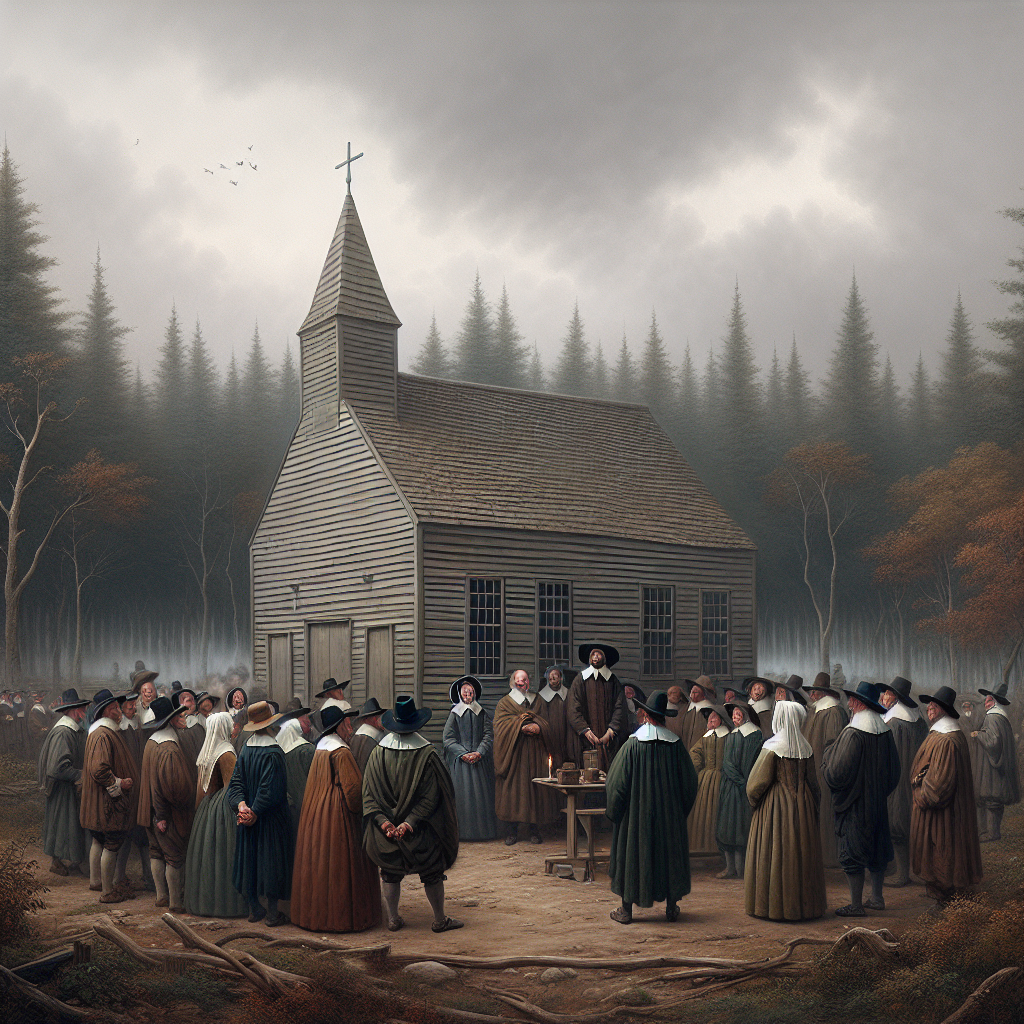
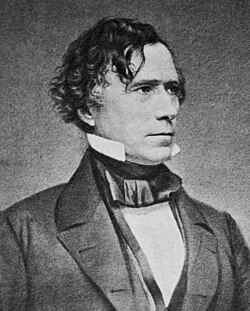
Nathaniel Hawthorne grew up in Salem with a family history he could not shake. His great-great-grandfather John Hathorne had been one of the judges who condemned the accused in the witch trials of 1692 and, unlike some of his colleagues, never repented. The writer added a w to his name, perhaps to put distance between them. After college at Bowdoin, where his classmates included Henry Wadsworth Longfellow and the future president Franklin Pierce, he spent more than a decade in near-seclusion in Salem, learning his trade.
The stories of Twice-Told Tales, collected in 1837, brought him modest notice. He spent part of 1841 at Brook Farm, the transcendentalist commune, and found shoveling manure no aid to writing. A political appointment as surveyor of the Salem Custom House ended in 1849 when the Whigs took power, and Hawthorne, bitter and in need of money, wrote the book that made him famous.
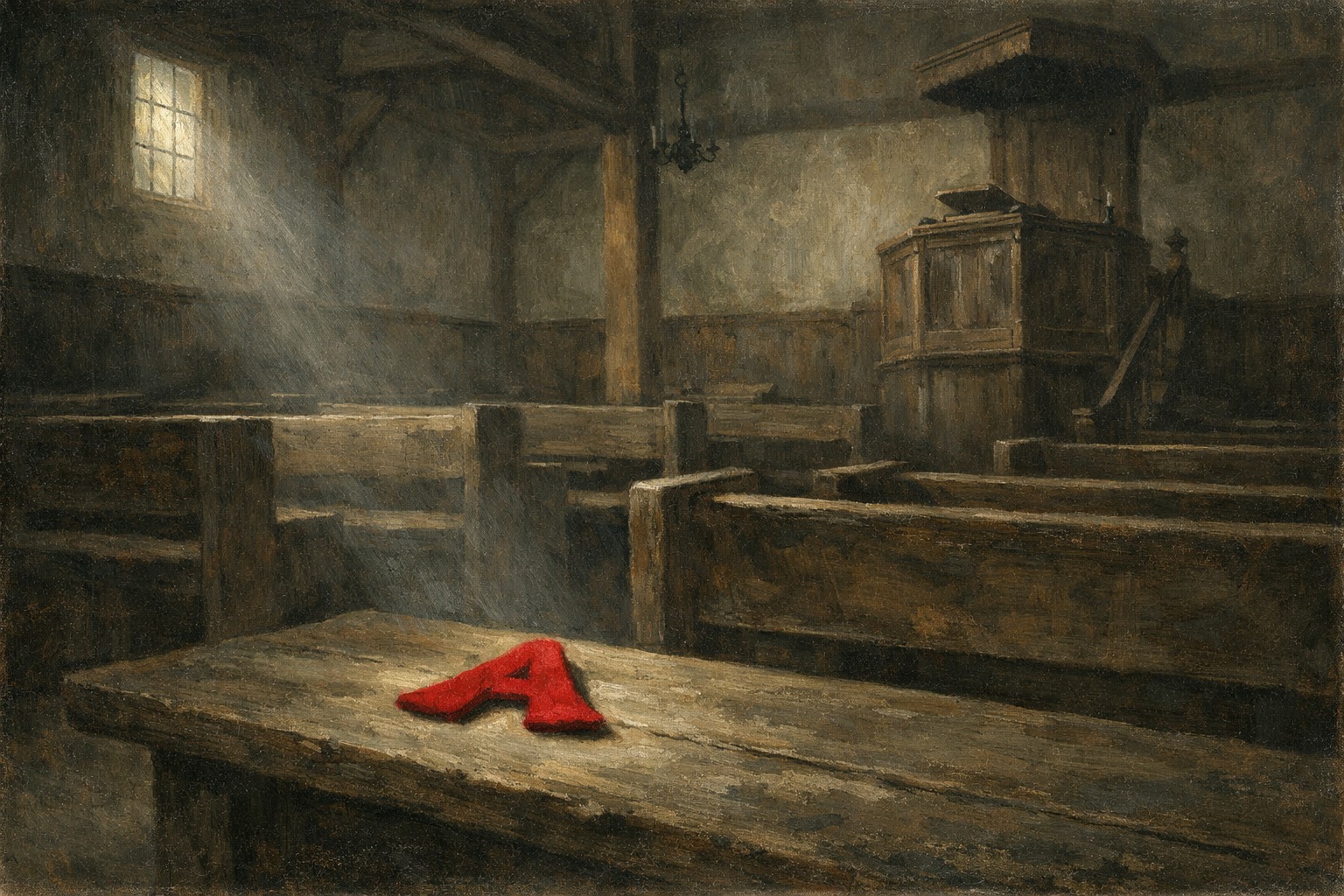
The Scarlet Letter, published in 1850, is set in seventeenth-century Boston. Hester Prynne, condemned to wear a red letter A for adultery, refuses to name the father of her child, the minister Arthur Dimmesdale, whose hidden guilt destroys him. The novel was one of the first American best-sellers to be treated as serious literature. The House of the Seven Gables followed in 1851, a tale of a Salem family cursed by an ancestor's crime.
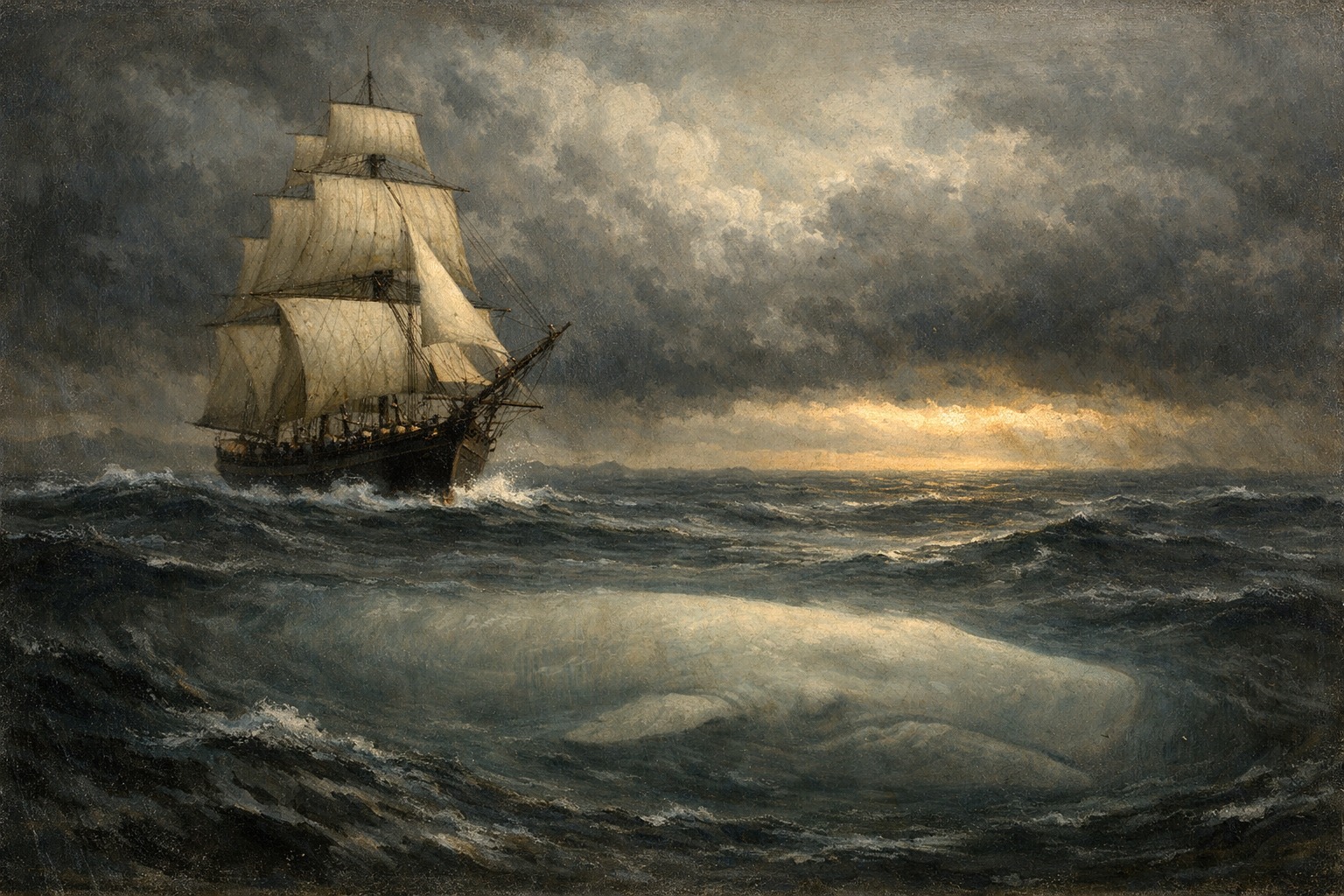
Hawthorne wrote a campaign biography for his friend Pierce, who rewarded him with the lucrative post of consul in Liverpool. He spent seven years abroad and returned to a country headed for war, which he regarded with dismay. He died in 1864 while traveling with Pierce. Herman Melville dedicated Moby-Dick to him, and Henry James wrote a book-length study of him. His theme — the persistence of sin and guilt beneath American optimism — runs through the national literature after him.

| Born | Salem, Massachusetts, 1804 |
| Ancestor | John Hathorne, a judge at the Salem witch trials |
| Major novel | The Scarlet Letter, 1850 |
| Also | The House of the Seven Gables, 1851 |
| Friend | President Franklin Pierce, his college classmate |
| Died | 1864 |
| Date | 1804–1864 |
| Location | Salem, Massachusetts |