Walt Whitman
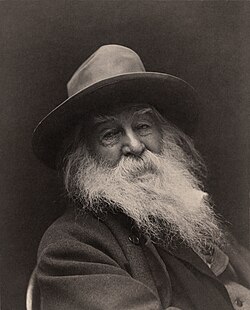
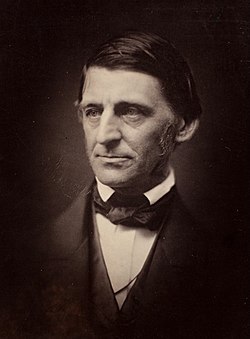
Walt Whitman published the first edition of Leaves of Grass in 1855 at his own expense — a slim, untitled volume of twelve poems by an anonymous author who described himself as "one of the roughs, a kosmos." Ralph Waldo Emerson received a copy and wrote back immediately: he greeted the unknown author at the beginning of a great career. No one else in American letters quite knew what to make of it. The poems didn't rhyme, didn't follow conventional forms, catalogued the American landscape and its people with democratic enthusiasm, and contained passages so frankly physical that they scandalized the few reviewers who read them carefully enough to notice.
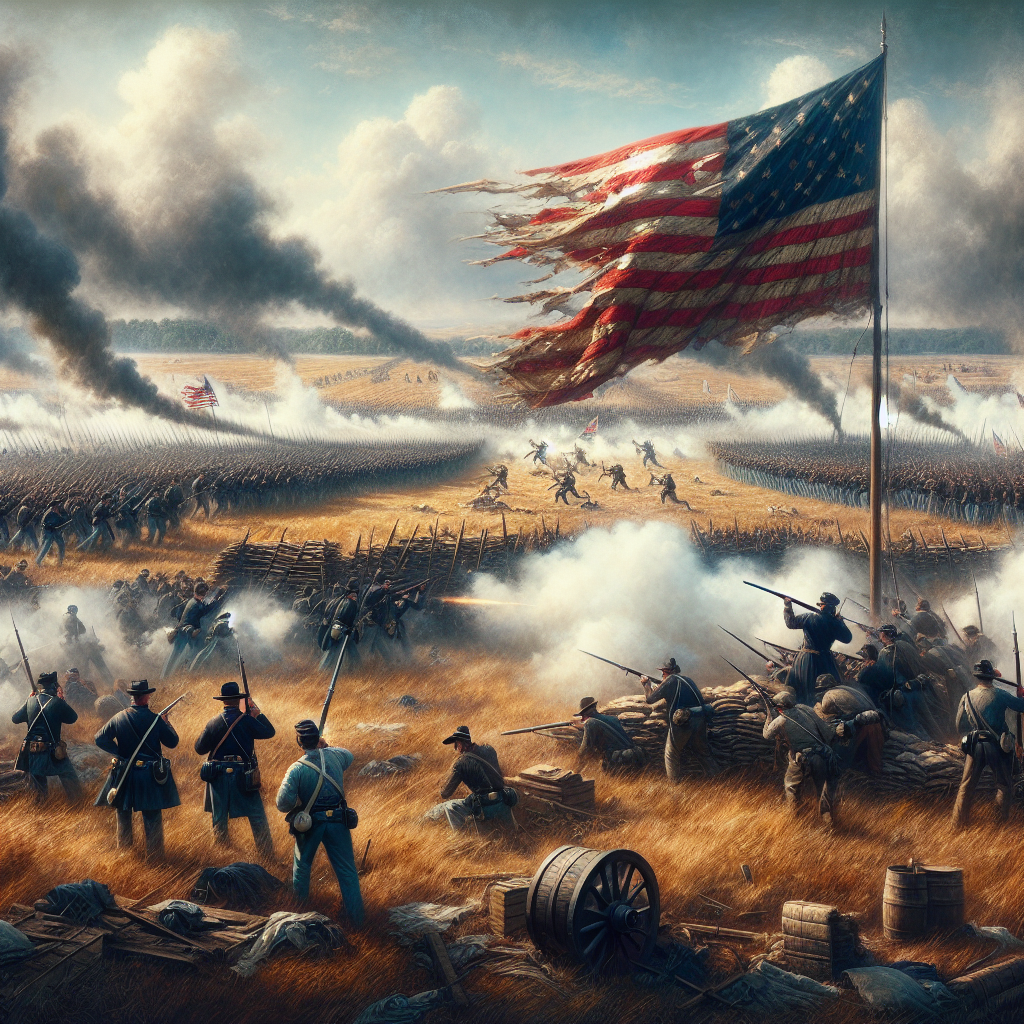
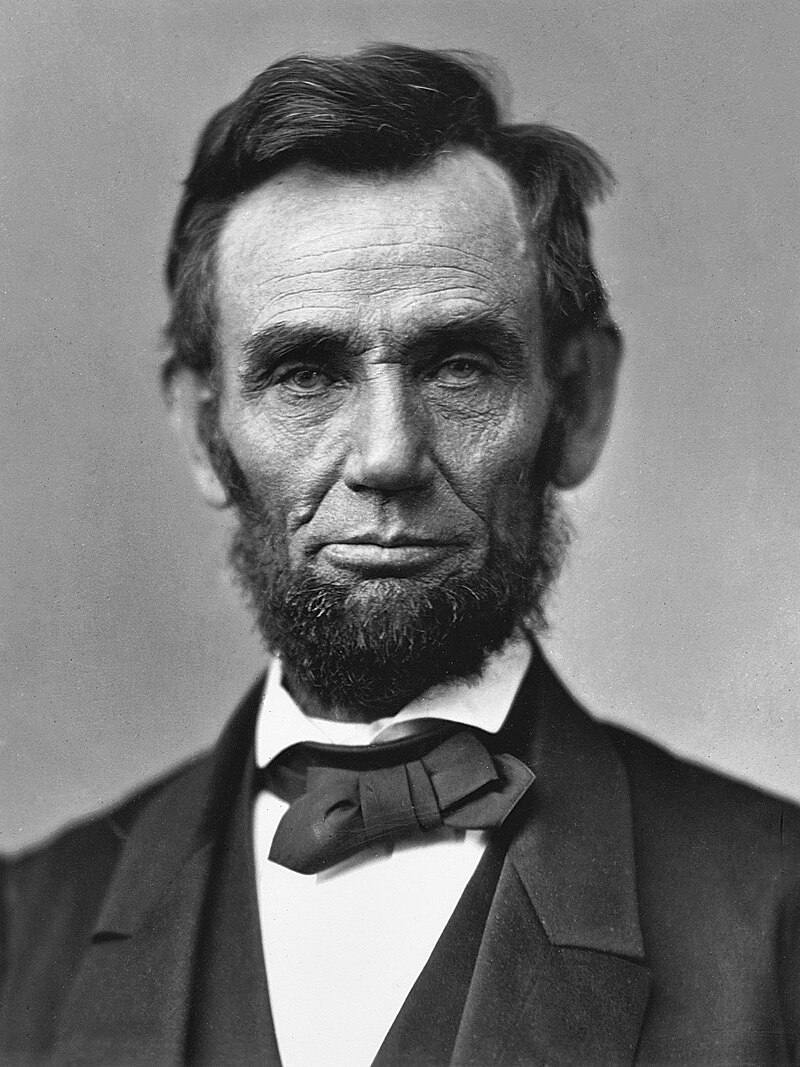
Whitman spent the Civil War years in Washington, D.C., moving between military hospitals as a volunteer wound dresser. He sat with thousands of injured and dying soldiers — Northern and Southern alike — writing letters for men who couldn't hold pens, bringing small gifts and tobacco, and witnessing suffering on a scale that deepened his poetry and complicated his nationalism. The experience produced "Drum-Taps" and his two great elegies for Lincoln: "O Captain! My Captain!" and "When Lilacs Last in the Dooryard Bloom'd" — poems that transformed a president's assassination into something that felt like the grief of an entire civilization.
Whitman spent the last decades of his life in Camden, New Jersey, expanding and revising Leaves of Grass through nine editions, as if the poem were a living thing that required tending. By his death in 1892, the book he'd had trouble giving away in 1855 was recognized across Europe and America as the foundational work of American poetry. He had written the country a self-portrait it hadn't asked for and couldn't look away from — capacious, contradictory, democratic, and very long, like America itself.


| Born | May 31, 1819 — West Hills, New York |
| Died | March 26, 1892 — Camden, New Jersey |
| Major Work | Leaves of Grass — first published 1855; expanded through 9 editions |
| Civil War | Volunteer wound dresser, Washington D.C. hospitals, 1862–1865 |
| Key Poems | "Song of Myself," "O Captain! My Captain!," "When Lilacs Last in the Dooryard Bloom'd" |
| Endorser | Ralph Waldo Emerson praised the 1855 first edition |
| Occupation | Journalist, government clerk, poet |
| Years | 1819–1892 |
| Location | Camden, New Jersey / Washington, D.C. |