Ernest Hemingway
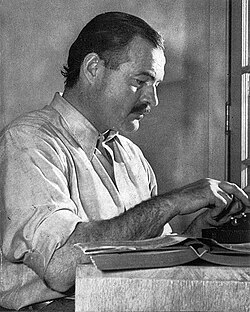
Ernest Hemingway invented a style so influential that it became inescapable and so widely imitated that the imitations became a cliché. Short declarative sentences. Nouns and verbs, not adjectives and adverbs. Dialogue that carries more meaning than the words on the surface. The famous iceberg theory — the dignity of movement of an iceberg is due to only one-eighth of it being above water — was both a description of his method and a prescription for a new kind of fiction. He developed it in Paris in the early 1920s under the influence of Gertrude Stein and Ezra Pound, and the books he published between 1926 and 1940 reshaped what American prose could do.
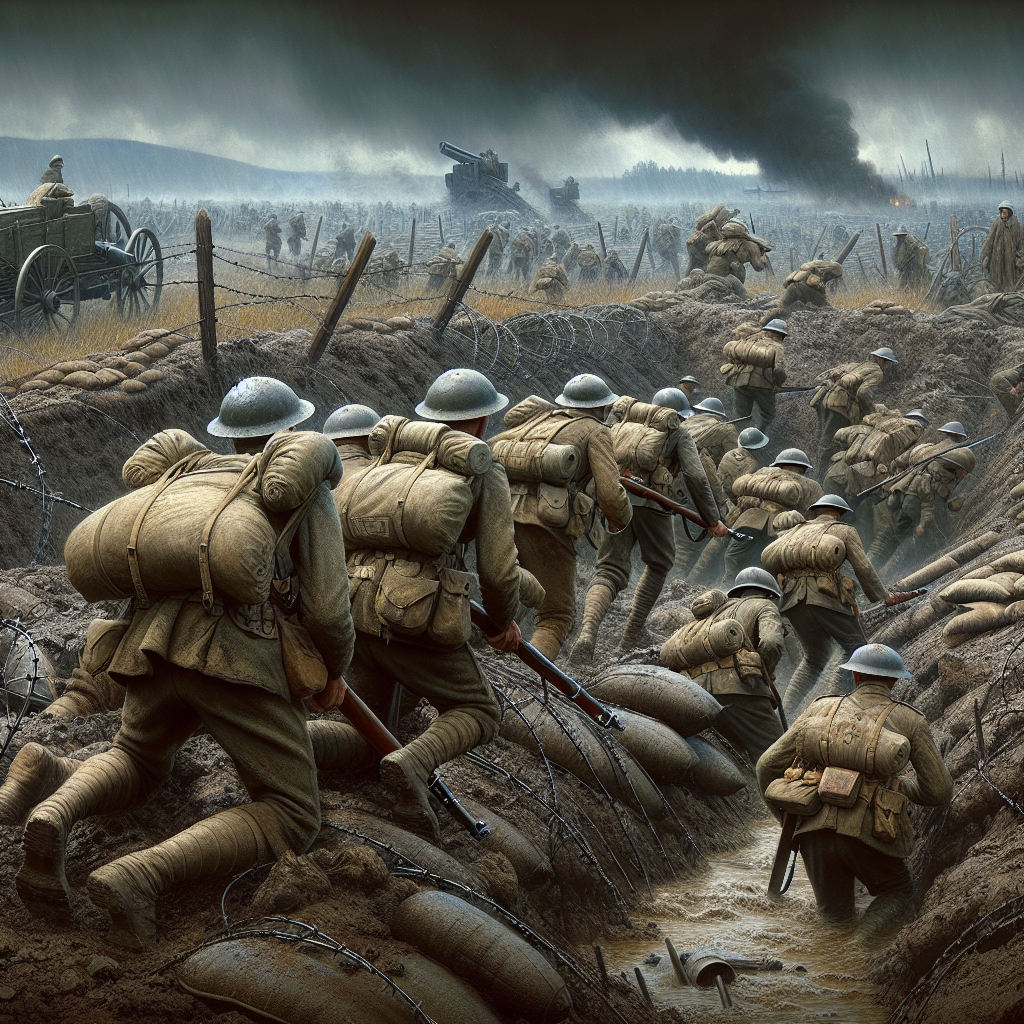
The Sun Also Rises (1926) introduced the Lost Generation to itself and to posterity. A Farewell to Arms (1929) turned his ambulance-driving experience in World War I into the 20th century's great anti-war love story. For Whom the Bell Tolls (1940), set in the Spanish Civil War, was a Book-of-the-Month Club selection that sold half a million copies in its first year. The Old Man and the Sea (1952), written in eight weeks on a single draft, won the Pulitzer Prize and was cited specifically when he received the Nobel Prize in Literature in 1954. He was at the peak of his fame and already in serious physical and psychological decline.
Hemingway's life was as outsized as his prose style suggested: two world wars, the Spanish Civil War, big-game hunting in Africa, deep-sea fishing in Cuba, four marriages, and chronic alcoholism. He survived two plane crashes in Africa in 1954 that left him in pain for the rest of his life. He died by suicide in Ketchum, Idaho, in July 1961, at 61. His father had also died by suicide. His sister and his brother would too. The Hemingway family history complicated the mythology, but it could not diminish the sentences.

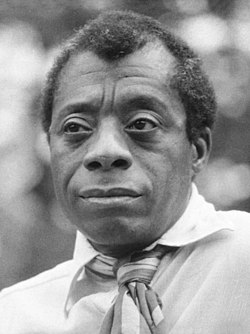
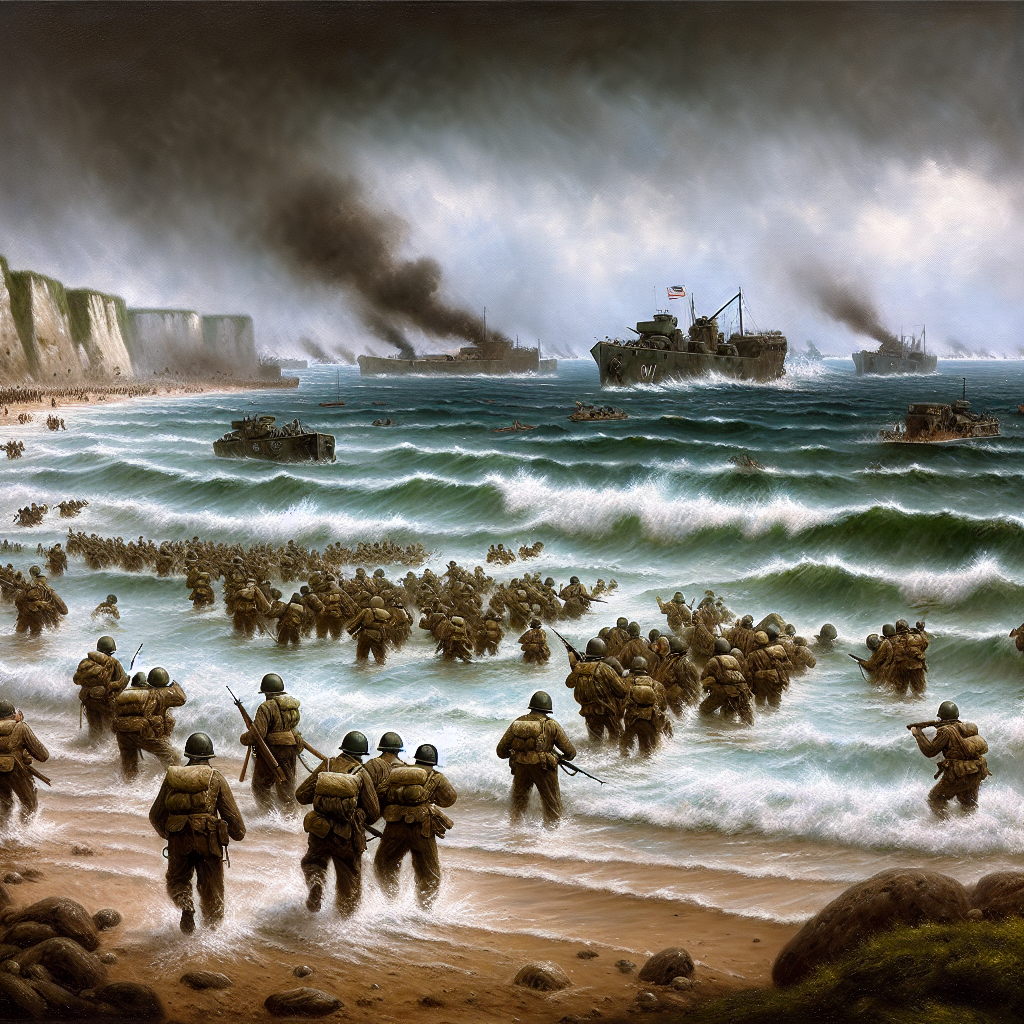
| Born | July 21, 1899 — Oak Park, Illinois |
| Died | July 2, 1961 — Ketchum, Idaho |
| Nobel Prize | Literature, 1954 |
| Pulitzer | The Old Man and the Sea, 1953 |
| Key works | The Sun Also Rises (1926); A Farewell to Arms (1929); For Whom the Bell Tolls (1940) |
| Style | Iceberg theory — minimalist prose, submerged meaning |
| Based in | Paris (1920s); Key West (1930s); Cuba (1940s–50s) |
| Years | 1899–1961 |
| Location | Oak Park, Illinois |