American Art and Architecture: From the Hudson Valley to the Skyscraper
For most of its history the United States took its artistic instruction from Europe. Colonial portraits copied London fashion, the best colonial painters emigrated to get better training and never came home, and every ambitious American painter of the nineteenth century measured himself against Paris or Munich. The counter-argument, when it finally came, rested on subject matter: a continent no European had painted, cities no European had built, and eventually a way of putting paint on canvas that Europe had not thought of first.
This guide follows that argument through six stages — the landscape painters who made scenery into national identity, the realists who put tenements and prizefights on gallery walls, the 1913 exhibition that delivered modernism to New York in a single month, the postwar New York School that moved the center of the art world, the architects and landscape designers who built an American style out of the prairie and the steel frame, and the long question of who pays for art in a democracy.
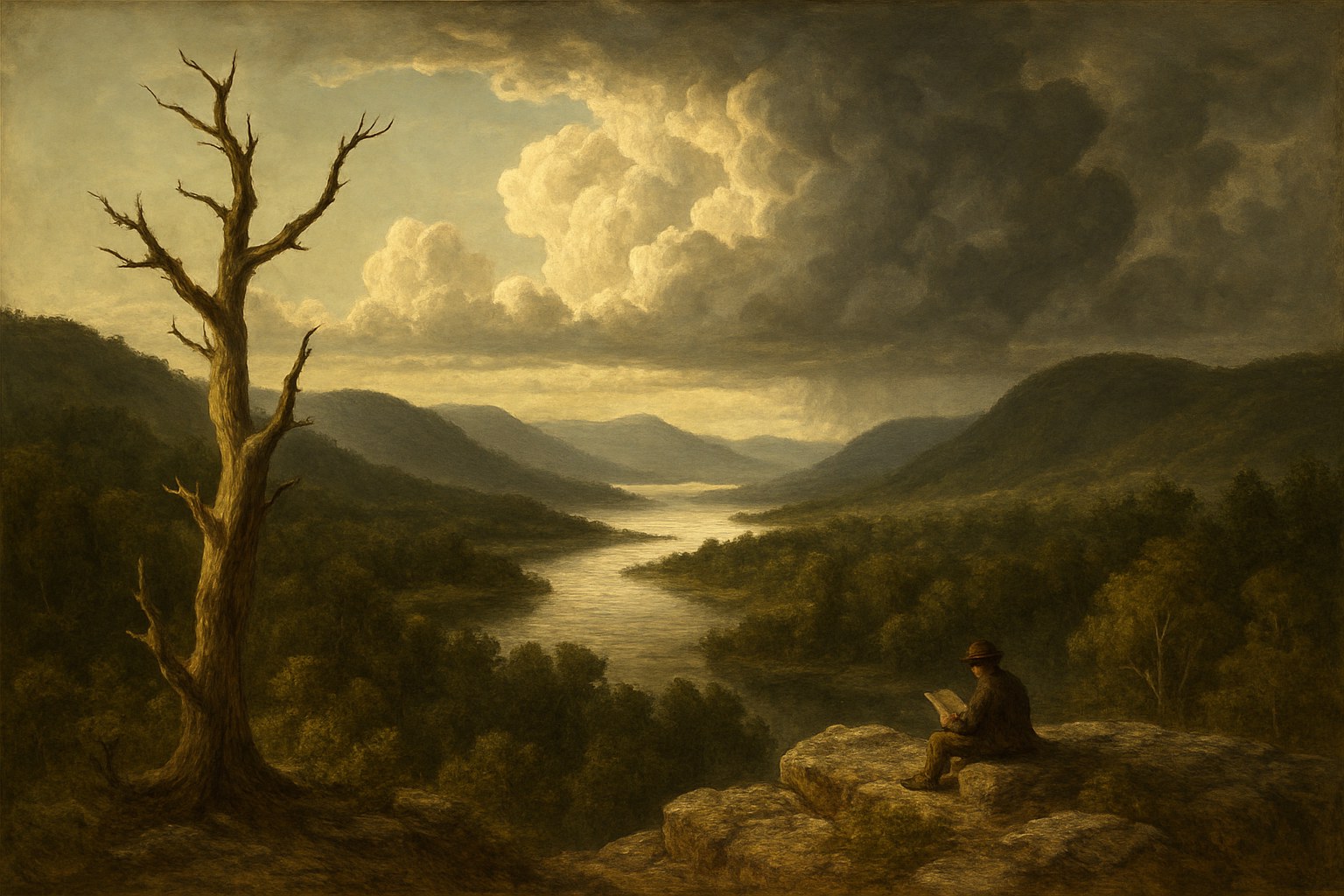
A republic with no royal collections, no cathedrals, and no ruins had to decide what a national art would even be about. The answer that worked was the land itself, painted enormous and sold as spectacle. The counter-example is just as instructive: the most celebrated American painter of the century left at twenty-one and argued, from London, that a picture owes nothing to any nation at all.
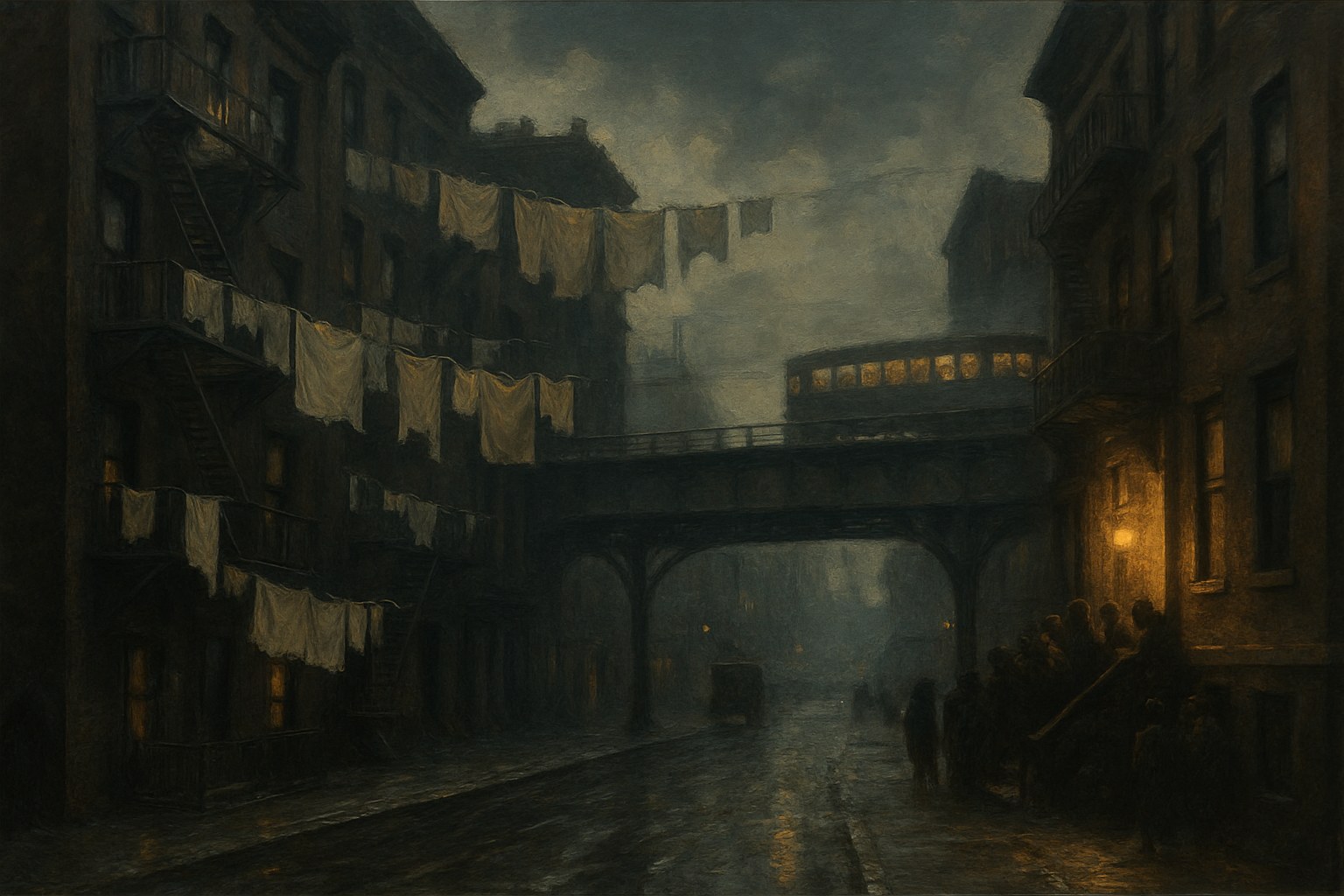
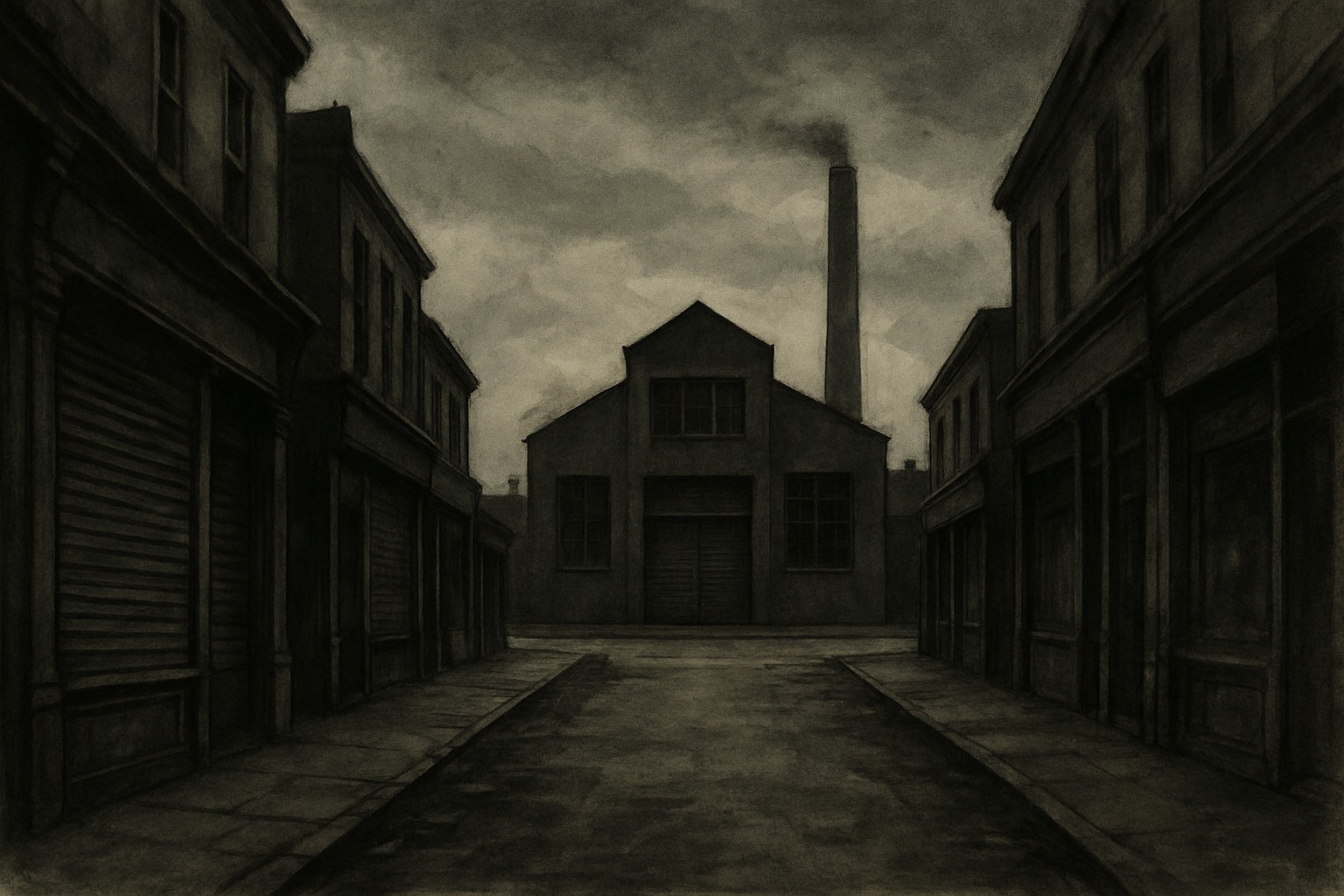
Around 1900 a group of former newspaper illustrators decided that the National Academy's idea of a proper subject was a fraud, and started painting the city as they found it. Their revolt lasted about a decade before modernism overtook it, but the habit of taking ordinary American life seriously outlived them and runs straight through the century.
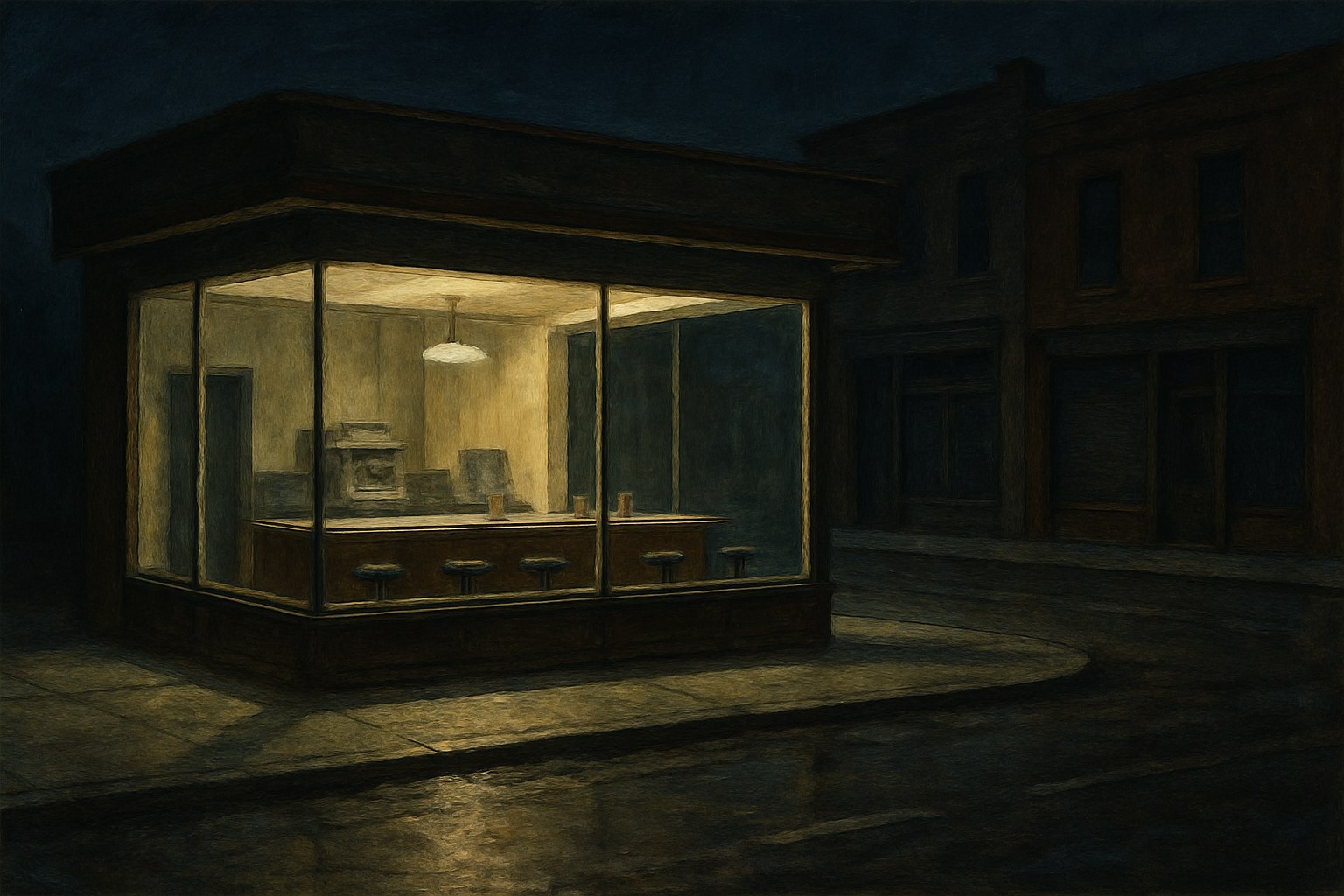
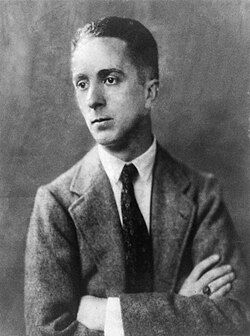
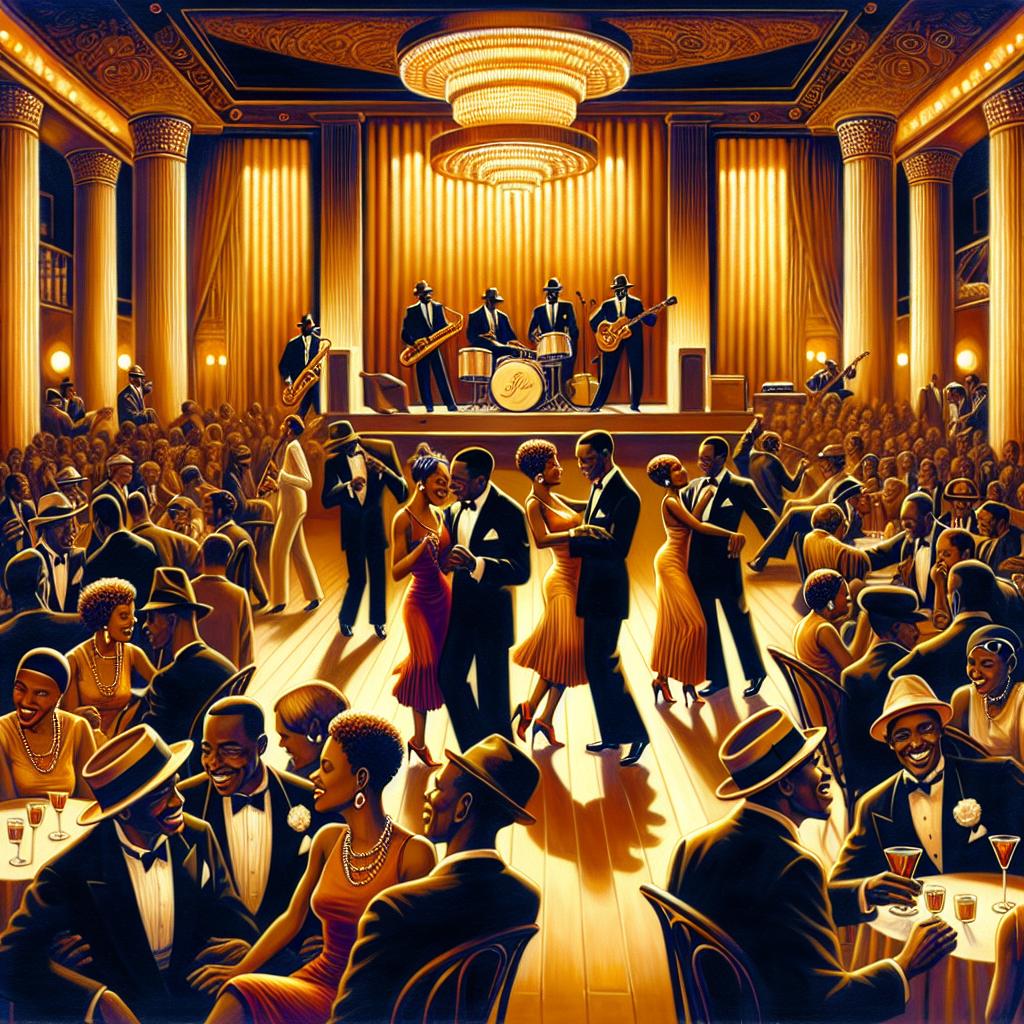
In February 1913 a drill hall on Lexington Avenue delivered Cezanne, Matisse, Picasso, and Duchamp to New York all at once, and the terms of American art changed in a month. What followed was a scramble to absorb it — in Stieglitz's galleries, in the museums that started buying it, and uptown in Harlem, where a parallel flowering was under way.
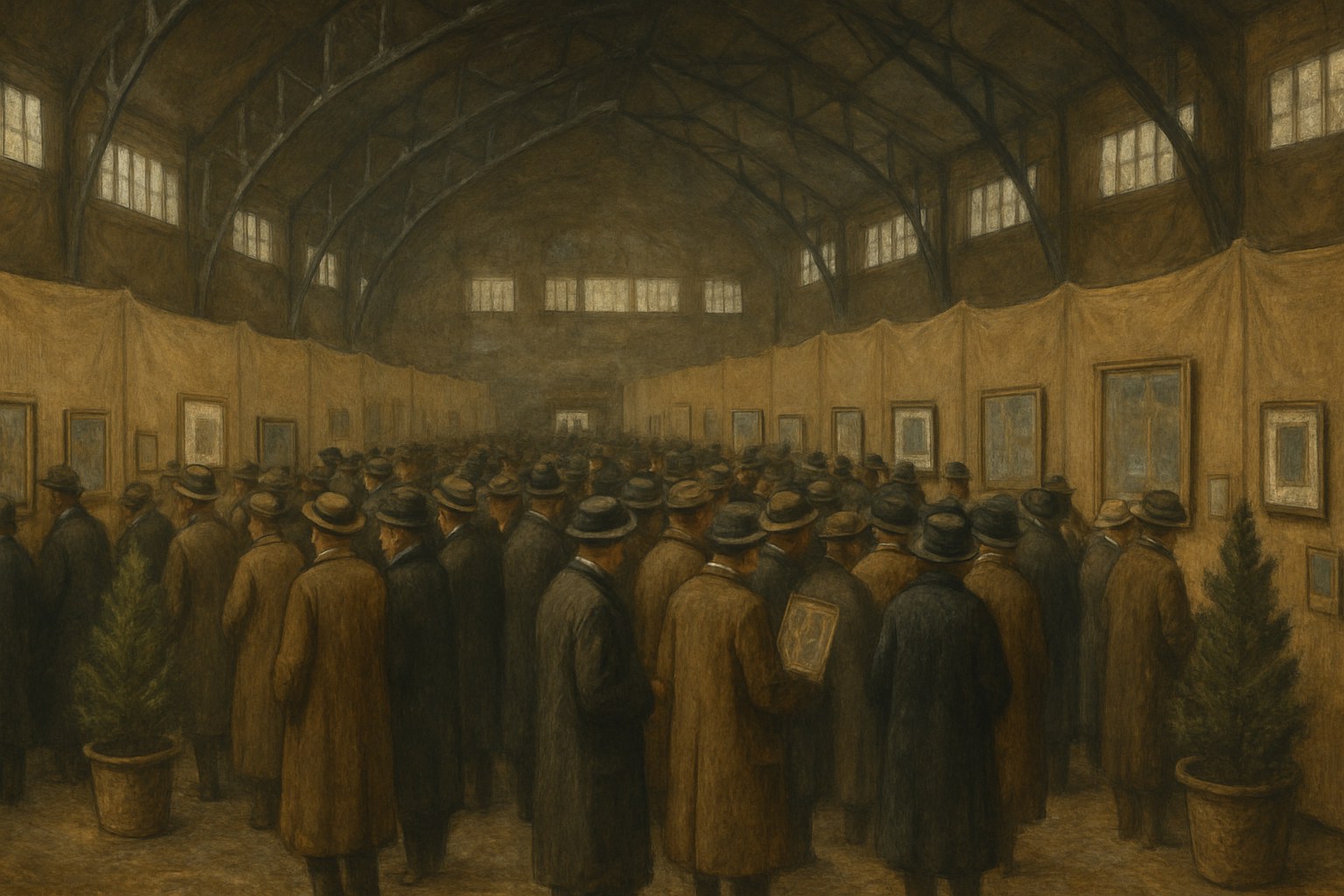
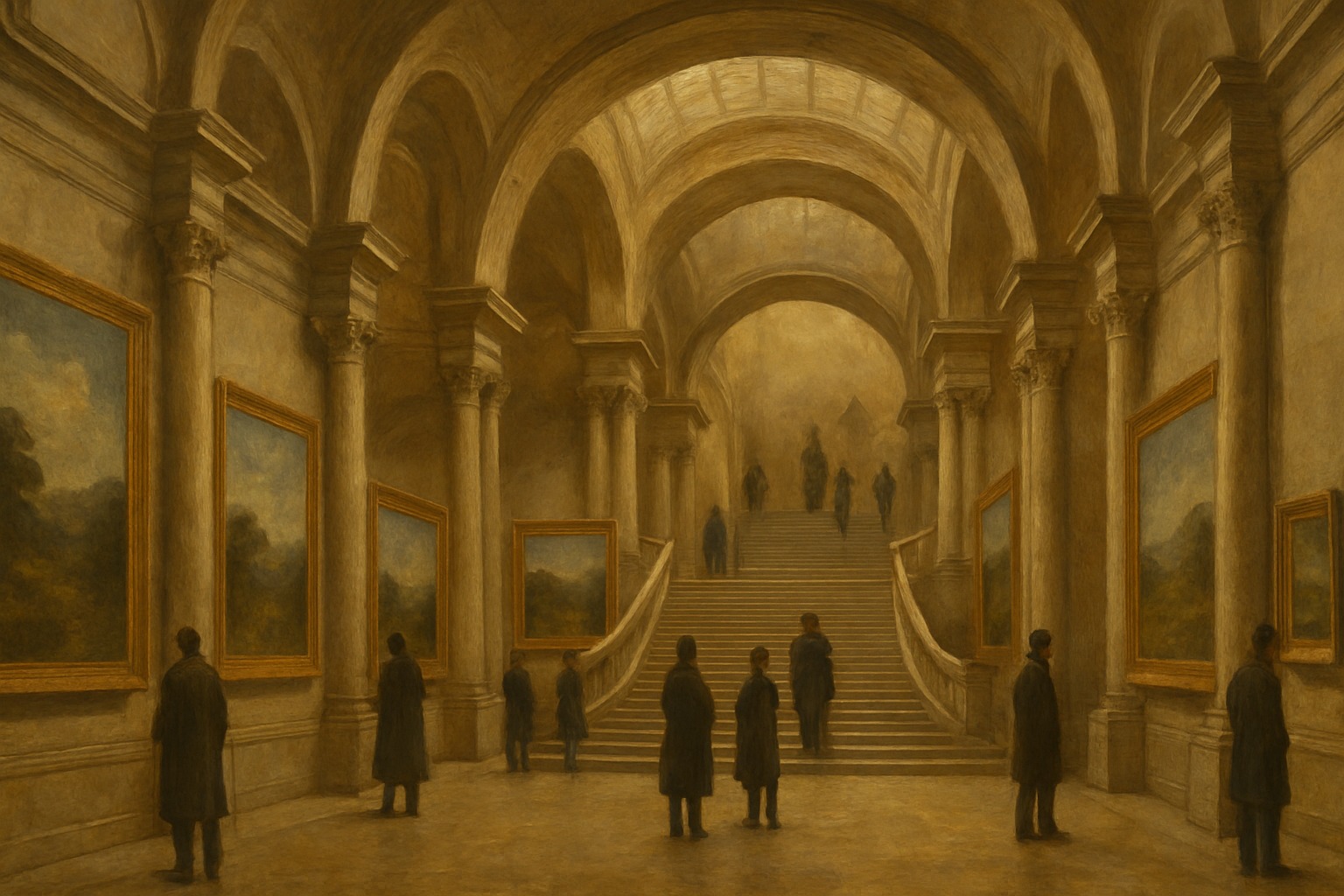
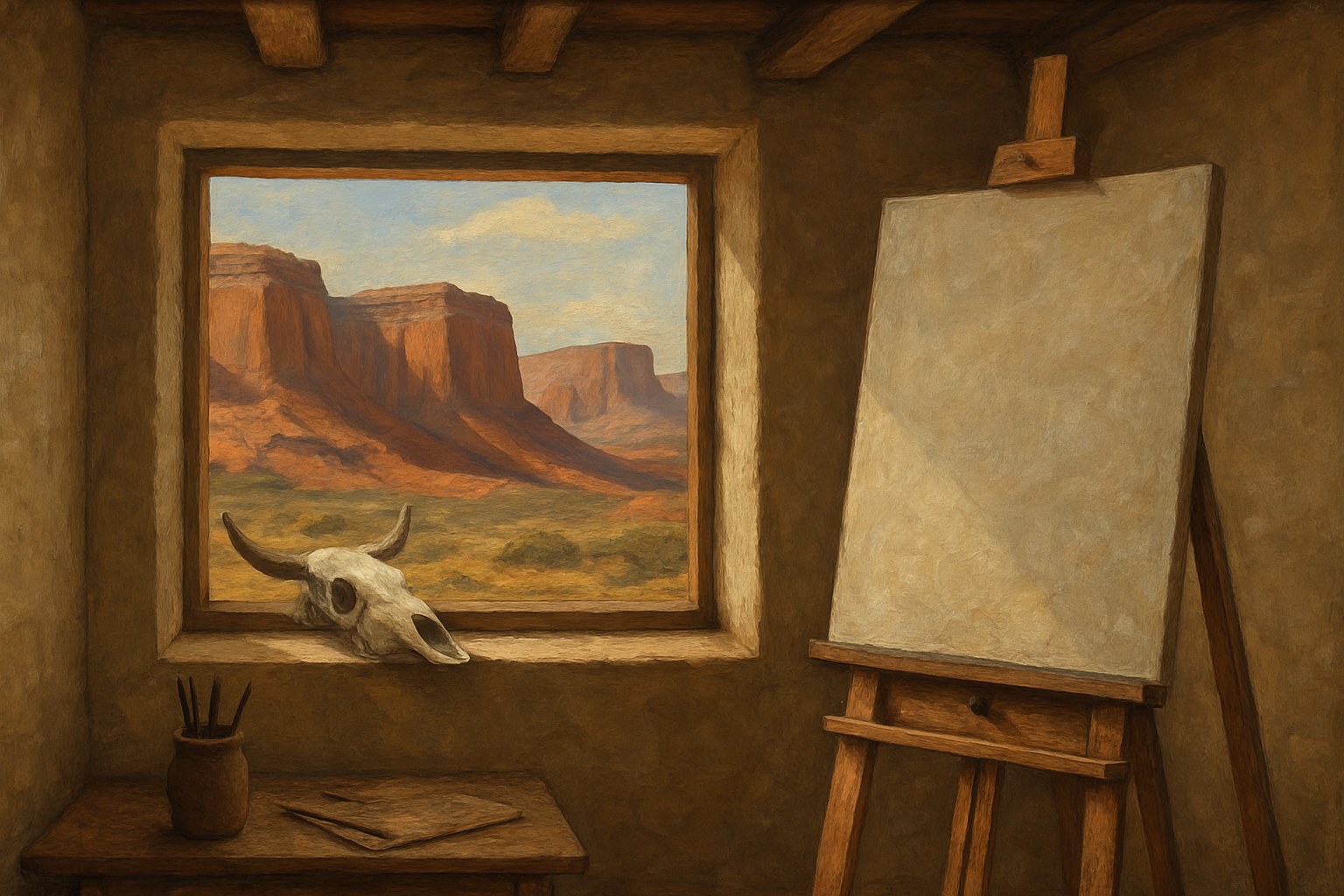

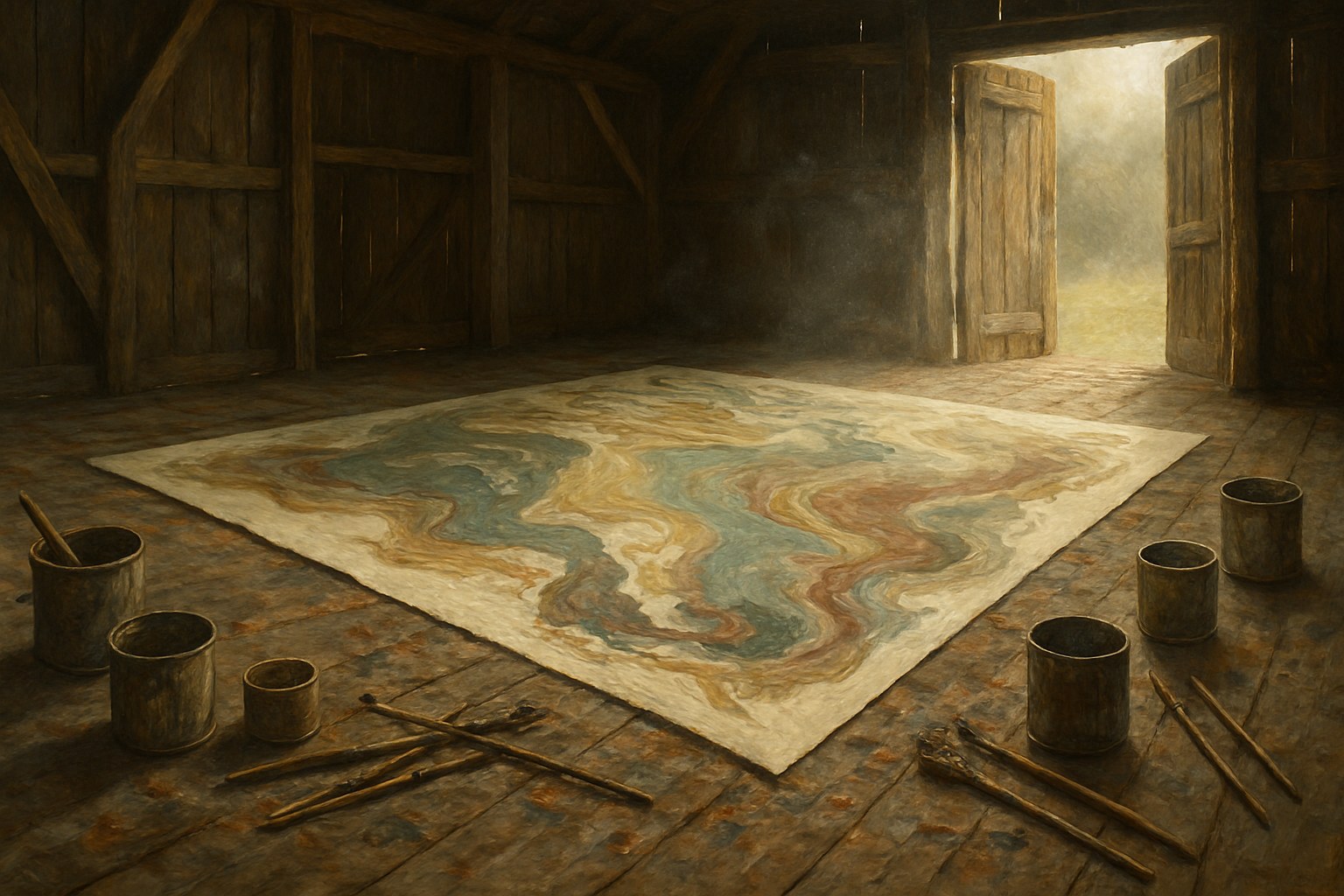
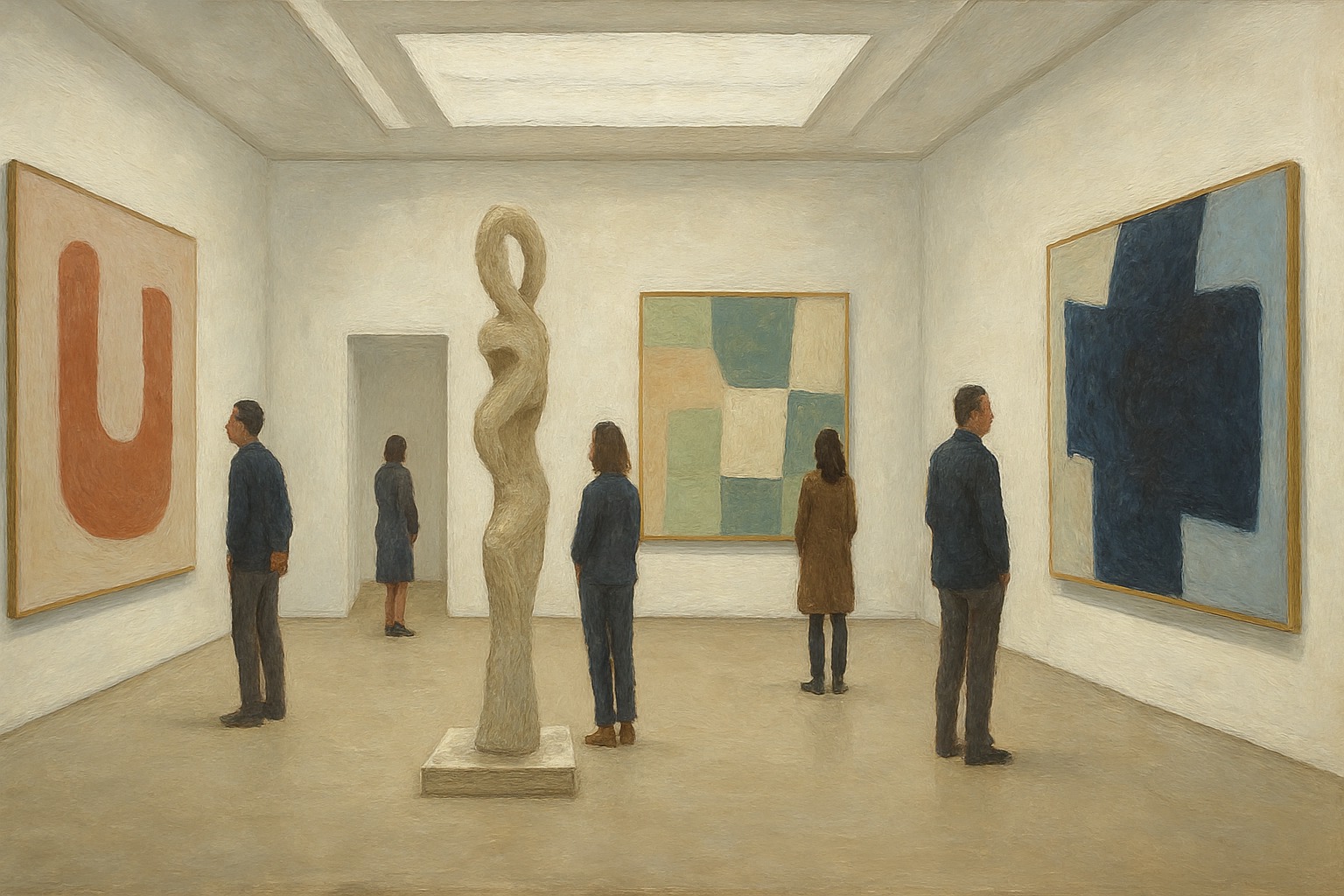
Refugee surrealists arrived in New York between 1939 and 1941 and found American painters who had spent the Depression working large on federal payrolls. The result was the first American movement Europe imitated. How much of its worldwide reception was merit and how much was Cold War promotion remains an open argument among historians.
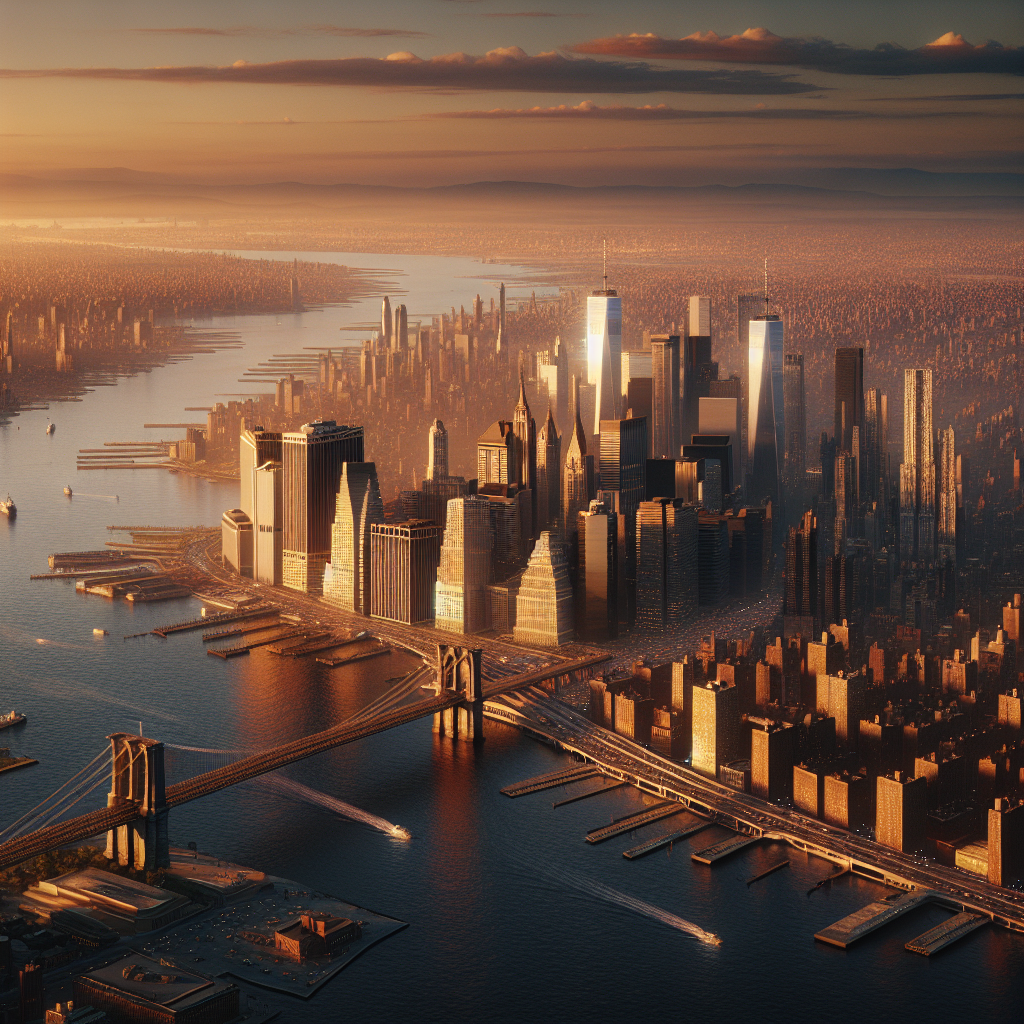
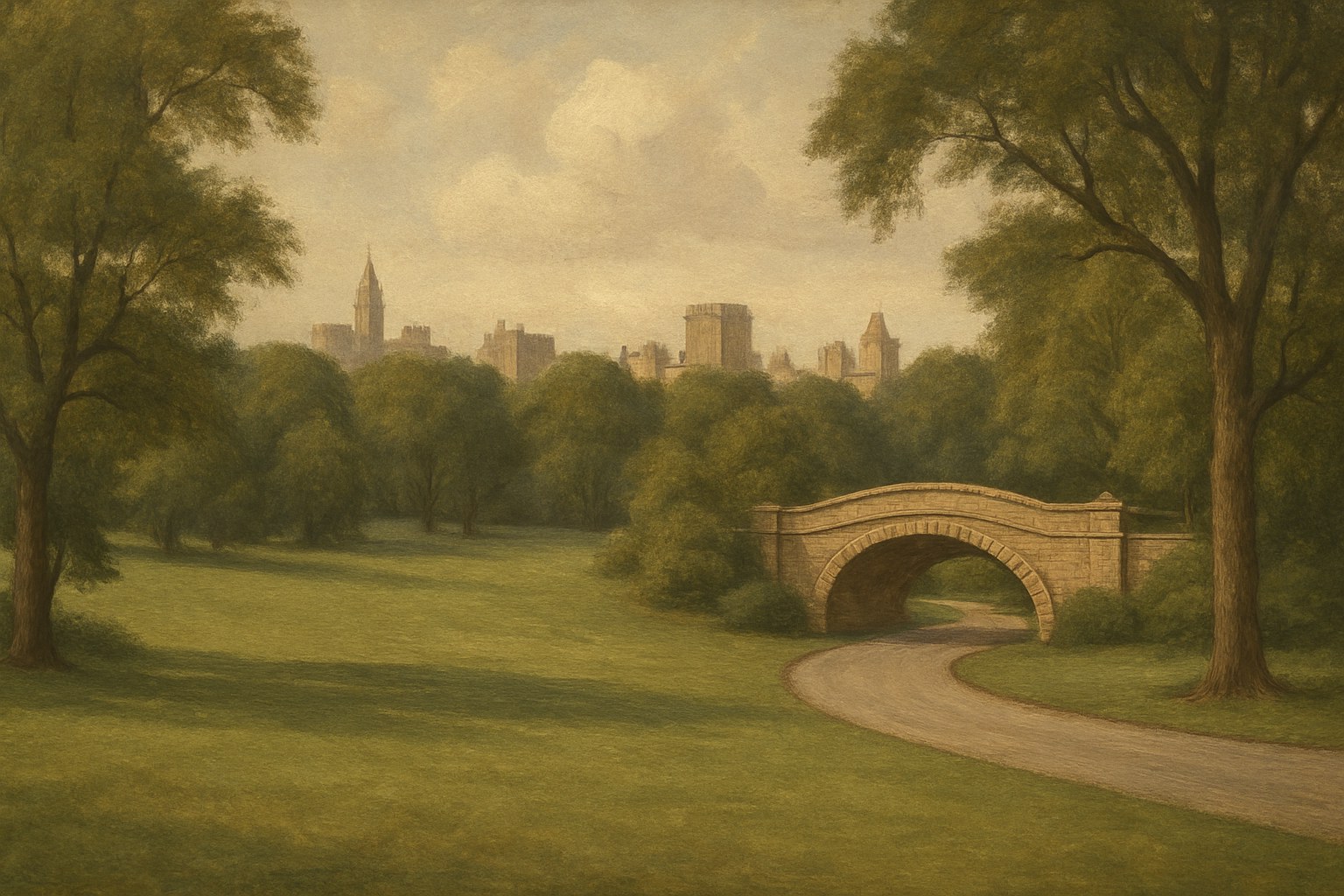
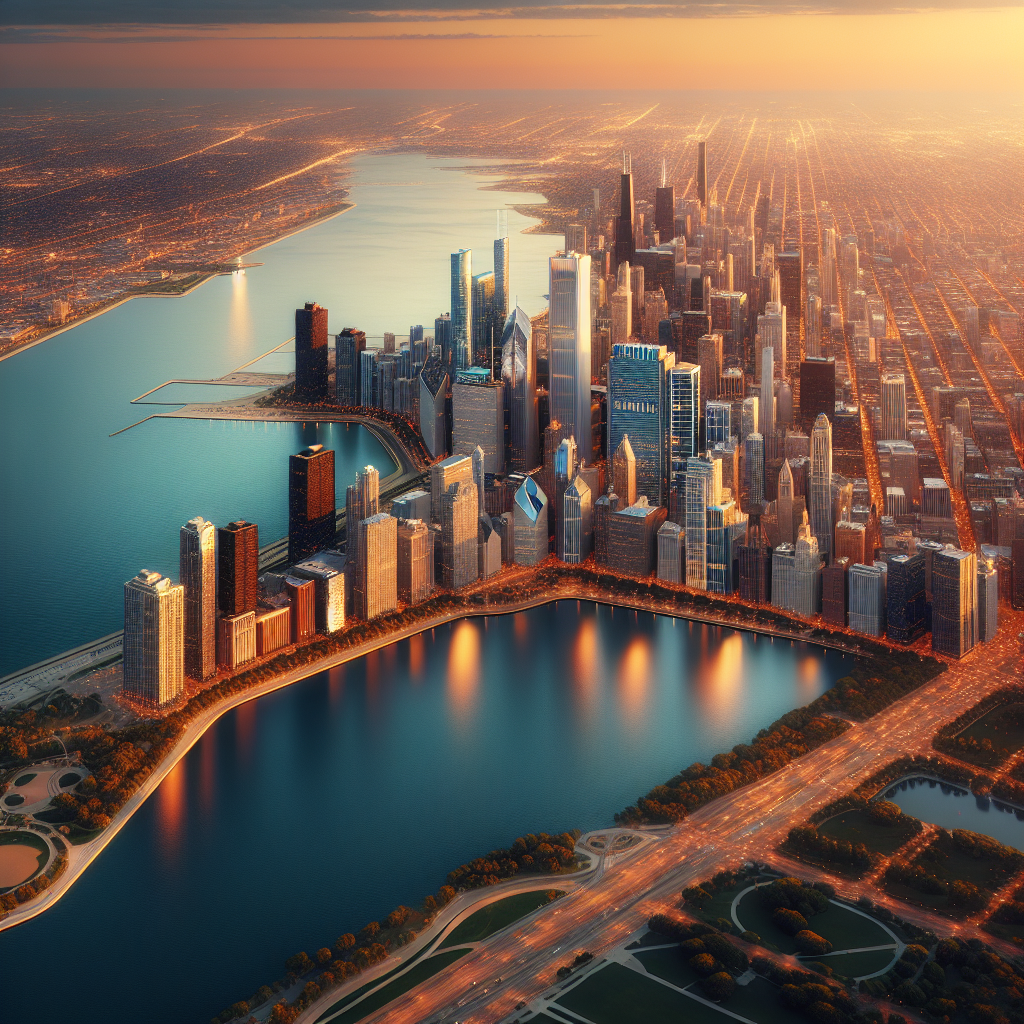
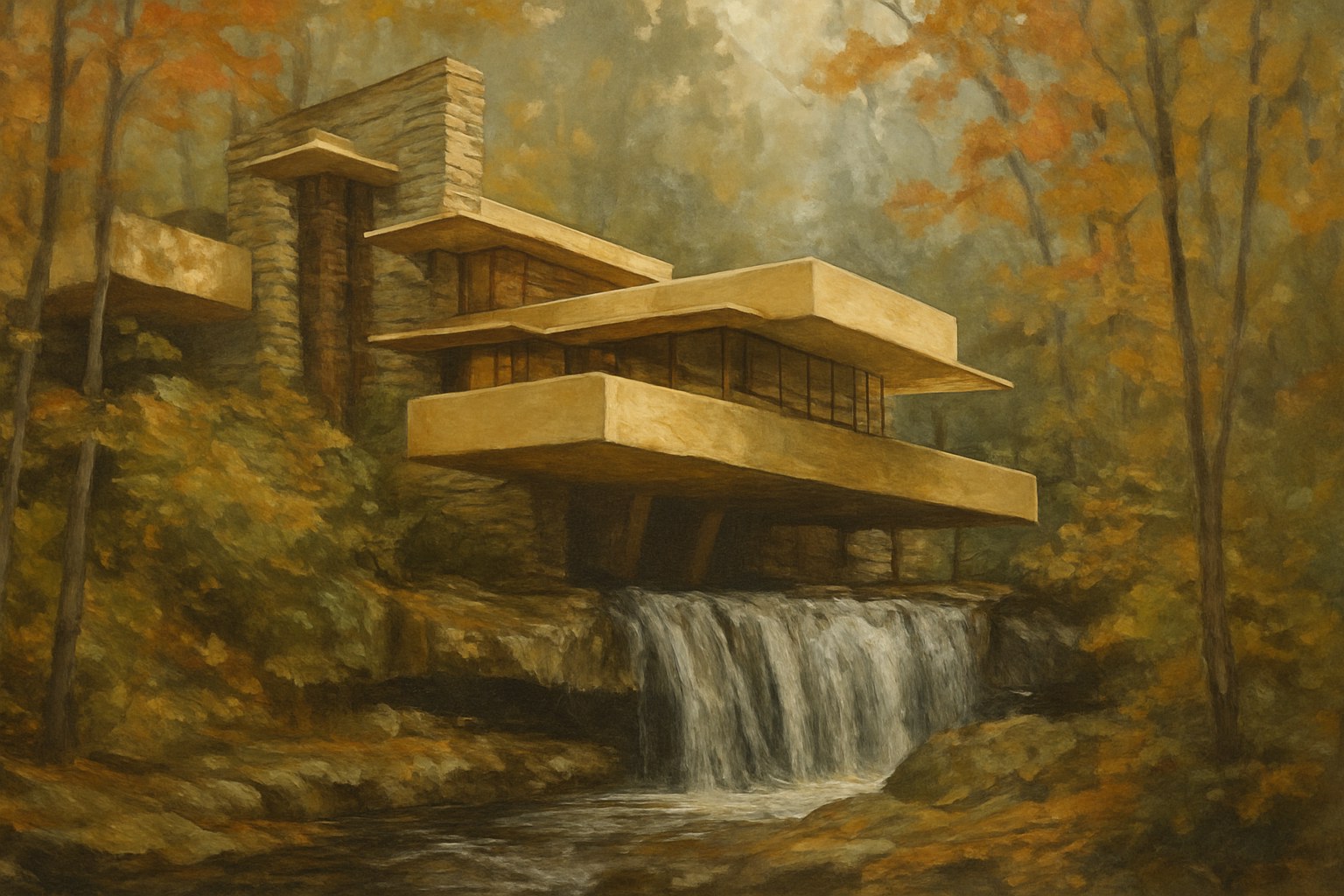
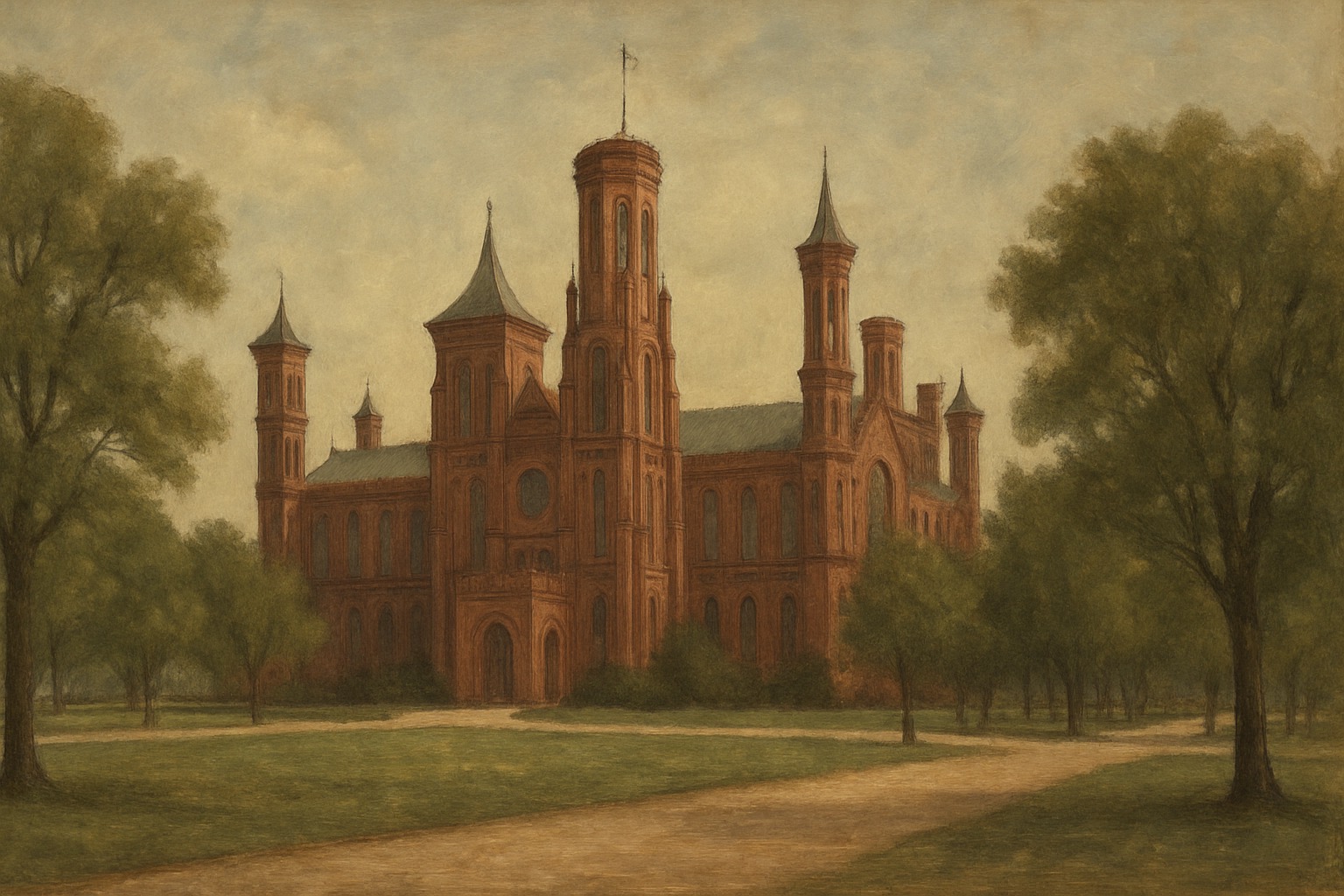
Architecture answered the same question the painters were asking, and answered it earlier. Chicago produced the steel frame and the skyscraper, a draftsman from Wisconsin produced the Prairie house and then spent seventy years refusing to repeat himself, and a former farmer and journalist invented a whole profession out of the argument that cities need designed landscape.
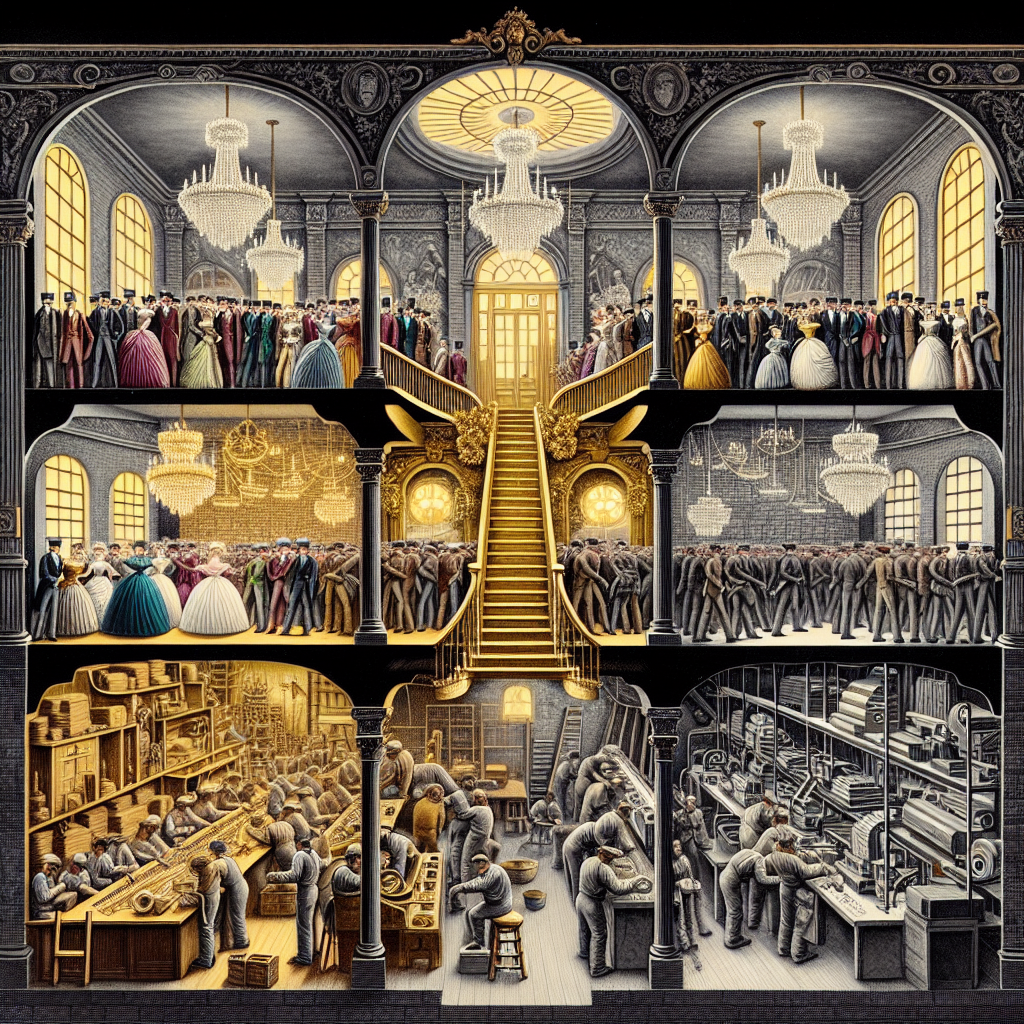
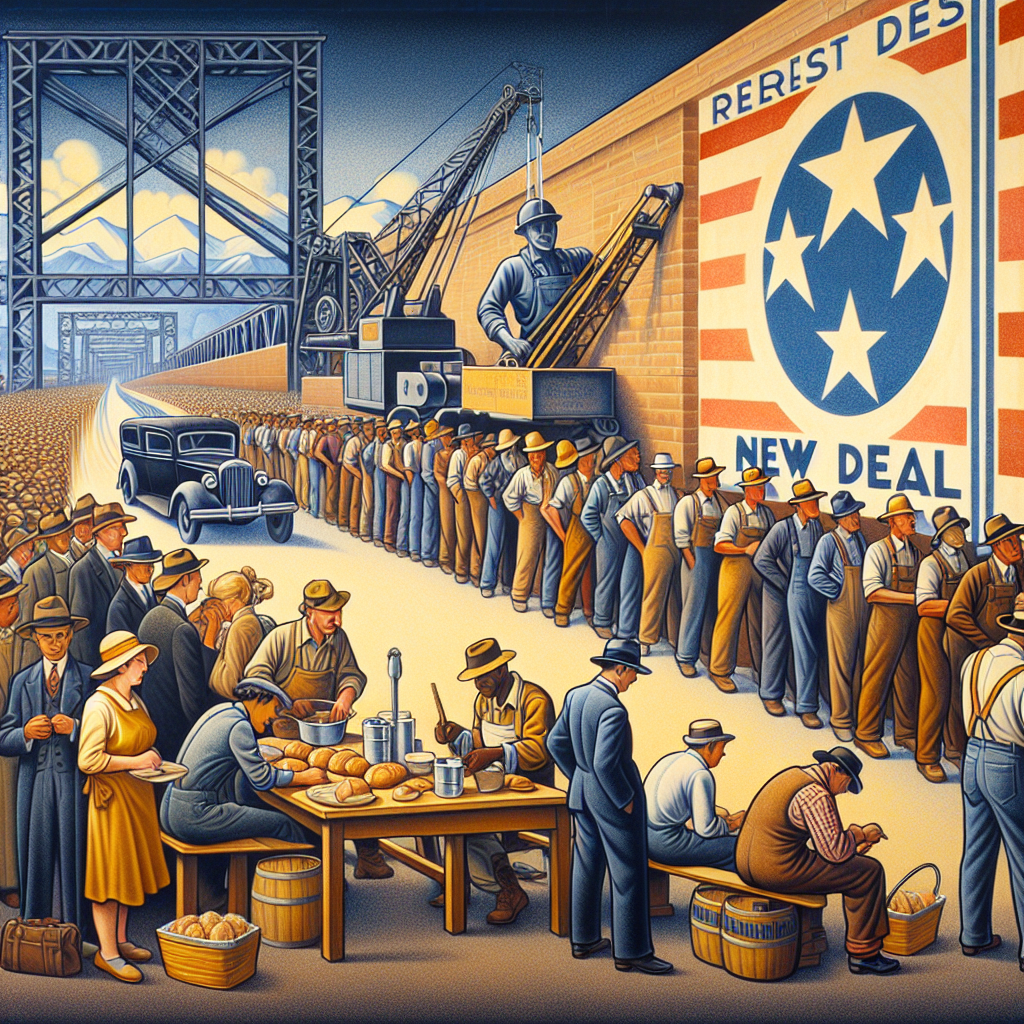
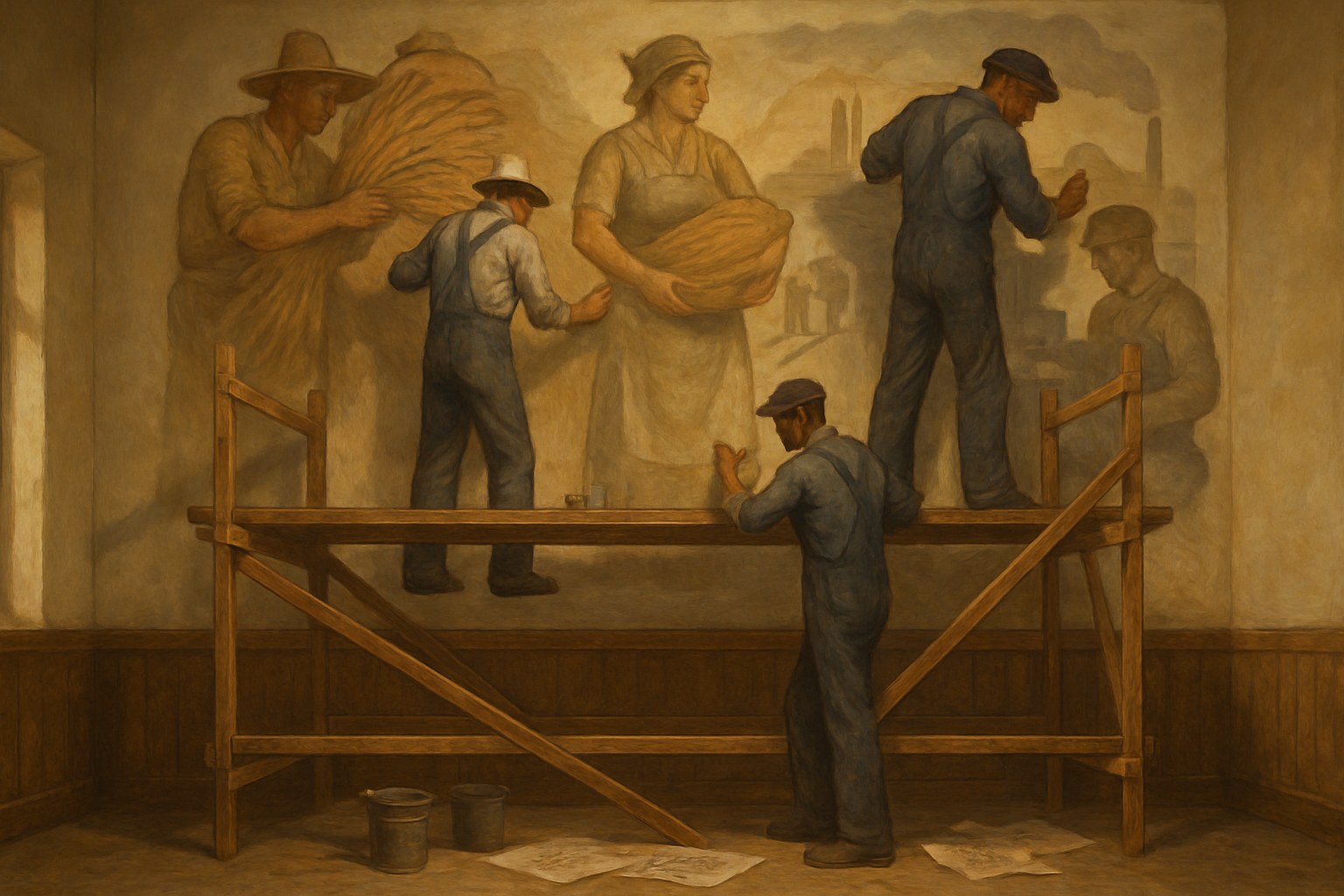
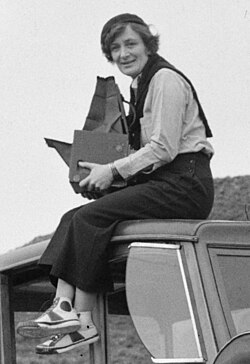
Who pays, and who gets to see it, is the other half of the story. Gilded Age fortunes built the museums. The Depression put the federal government on the hook for ten thousand artists' wages and produced the largest public patronage in American history. Mass reproduction, in magazines and on film, then reached audiences no gallery ever could.
The story runs alongside two others on this site: the Harlem Renaissance, which gave American modernism a second capital uptown, and the New Deal, which put the federal government in the business of hiring artists.