The Lost Generation
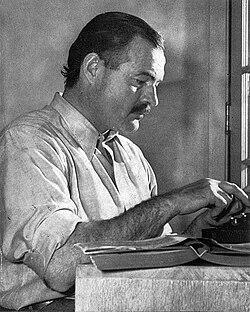
The phrase came from Gertrude Stein, who said she had heard a French garage owner use it about a young mechanic. "That is what you are," she told Ernest Hemingway, "all of you young people who served in the war. You are all a lost generation." Hemingway put the line at the front of his first novel, The Sun Also Rises, in 1926, and it became the name for the American writers who had come of age in the First World War and spent the 1920s abroad.
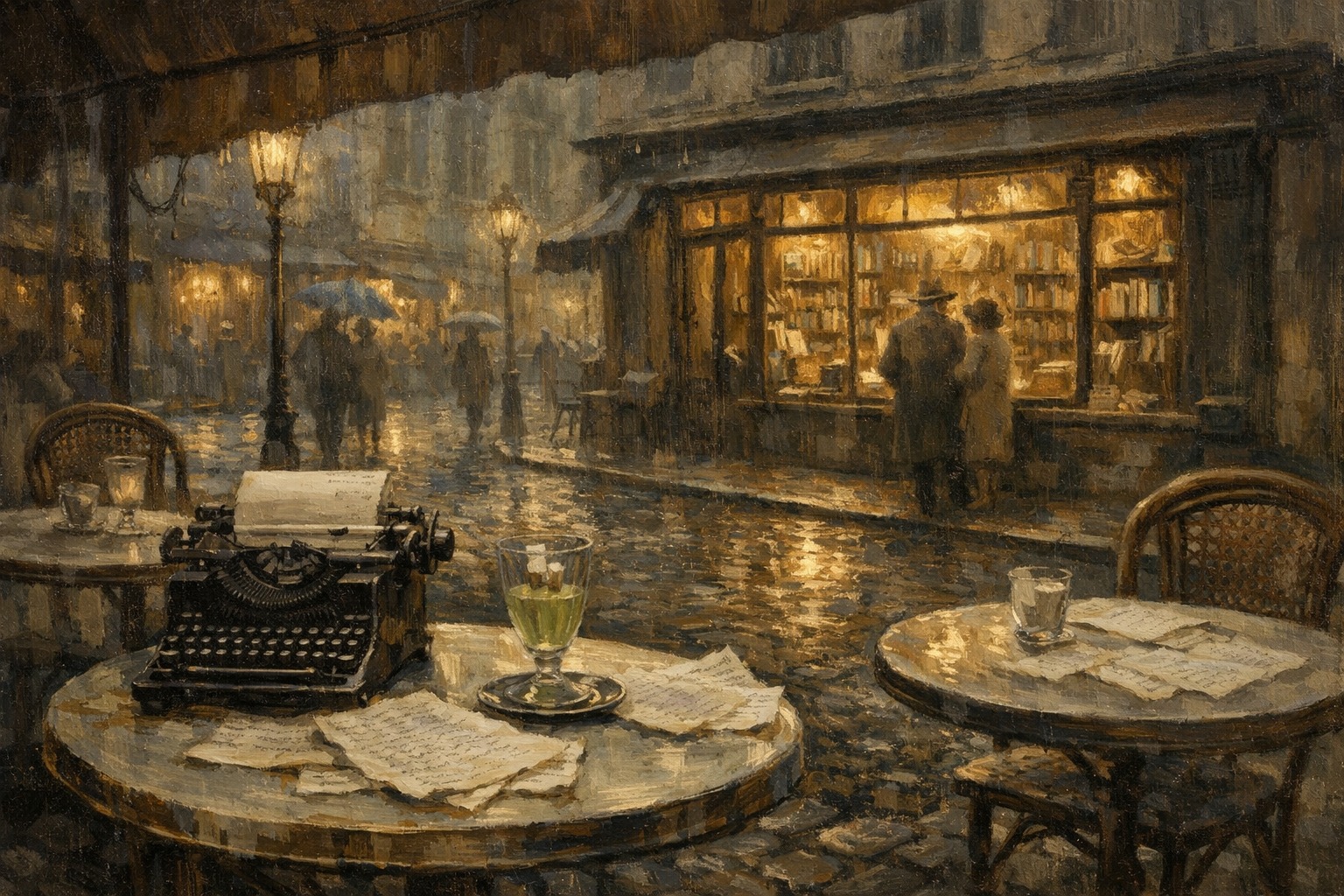
Paris drew them for practical as well as artistic reasons. The dollar went a long way against the franc, Prohibition did not reach the cafés, and the city was the center of modern art and literature. Stein's apartment at 27 rue de Fleurus, hung with Picassos and Cézannes, served as a salon. Sylvia Beach's bookshop, Shakespeare and Company, lent books and published James Joyce's Ulysses. Hemingway, F. Scott Fitzgerald, John Dos Passos, E. E. Cummings, Archibald MacLeish, and Ezra Pound all passed through.
What united them was less a style than a mood. The war had discredited the patriotic and moral language of their parents. Their characters drink too much, drift, and distrust grand words — as Hemingway's narrator says in A Farewell to Arms, abstract words such as glory, honor, and courage had become obscene beside the concrete names of villages and rivers. They answered with spare, precise prose and a cool irony about American prosperity and its pleasures.
The decade produced The Great Gatsby, The Sun Also Rises, A Farewell to Arms, and the first volumes of Dos Passos's U.S.A. trilogy. The crash of 1929 and the collapse of the exchange rate ended the expatriate moment, and most of the writers came home. Hemingway's memoir A Moveable Feast, published after his death, gave the period its romantic afterlife. Hemingway himself had paired Stein's line with a verse from Ecclesiastes — one generation passeth away, and another generation cometh, but the earth abideth forever.

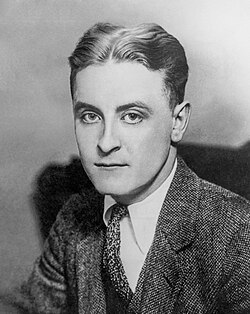
| Named by | Gertrude Stein, quoted by Ernest Hemingway |
| First printed | Epigraph to The Sun Also Rises, 1926 |
| Center | Paris in the 1920s |
| Writers | Hemingway, Fitzgerald, Dos Passos, Cummings, MacLeish, Pound |
| Gathering places | Stein's salon and Shakespeare and Company |
| Ended by | The crash of 1929 |
| Date | 1919–1929 |
| Location | Paris, France |