A Brief History of American Food
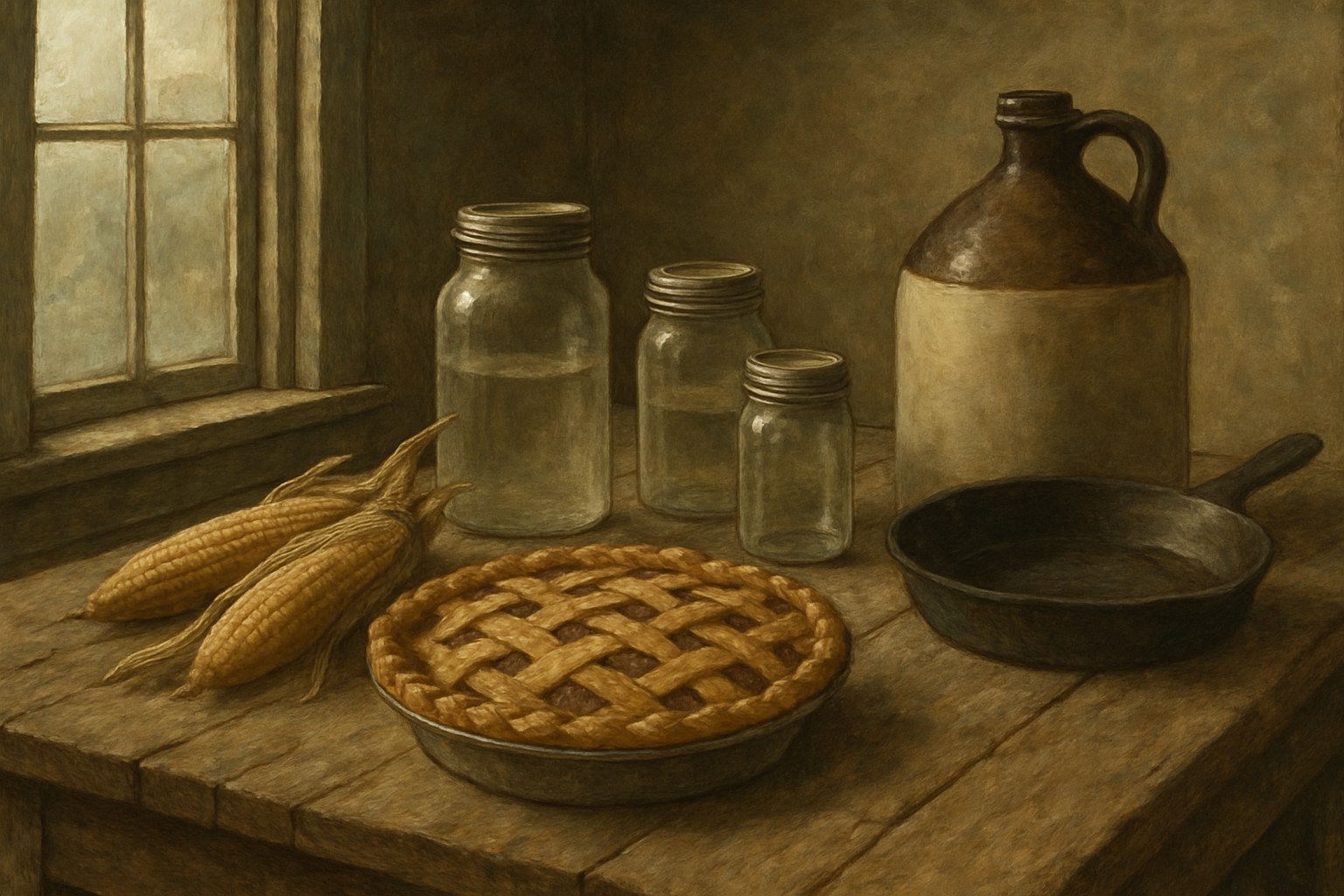
American food is usually described as a borrowing, and the description is not wrong so much as incomplete. What sits on an American table is a record of who was already here, who was brought here against their will, who arrived looking for work, and what a set of industrial machines — the can, the refrigerated railcar, the roller mill, the freezer — did to all of it. Read that way, a menu is a document.
This guide follows the food from the Indigenous fields that fed the first colonists, through the regional kitchens built in the South by enslaved cooks and in Texas by Tejano families, through the immigrant sausages and storefronts of the industrial cities, and into the era of national brands, federal inspection, and the drive-thru. It ends where American eating now largely happens, and with the argument about what was gained and what was lost getting there.
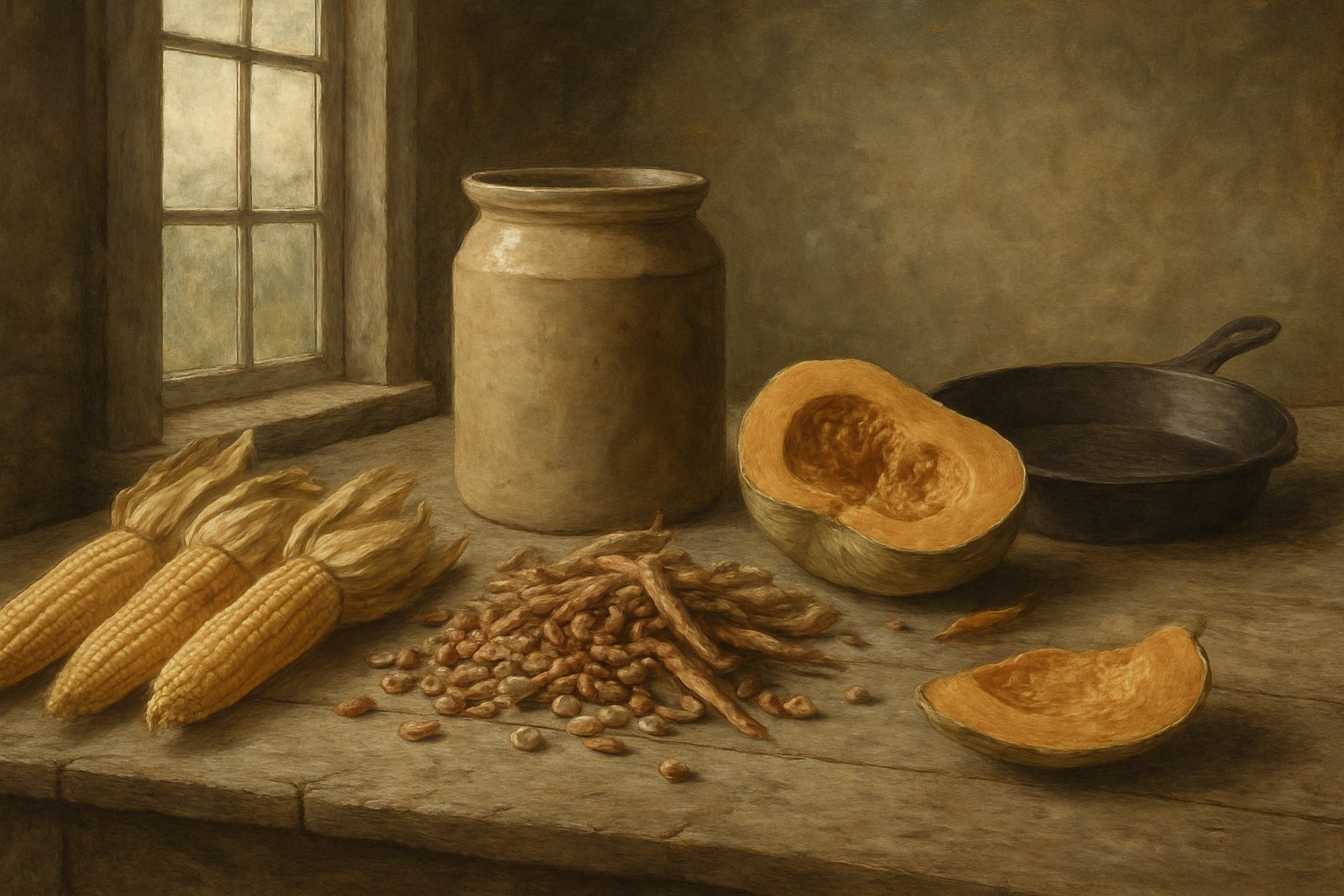
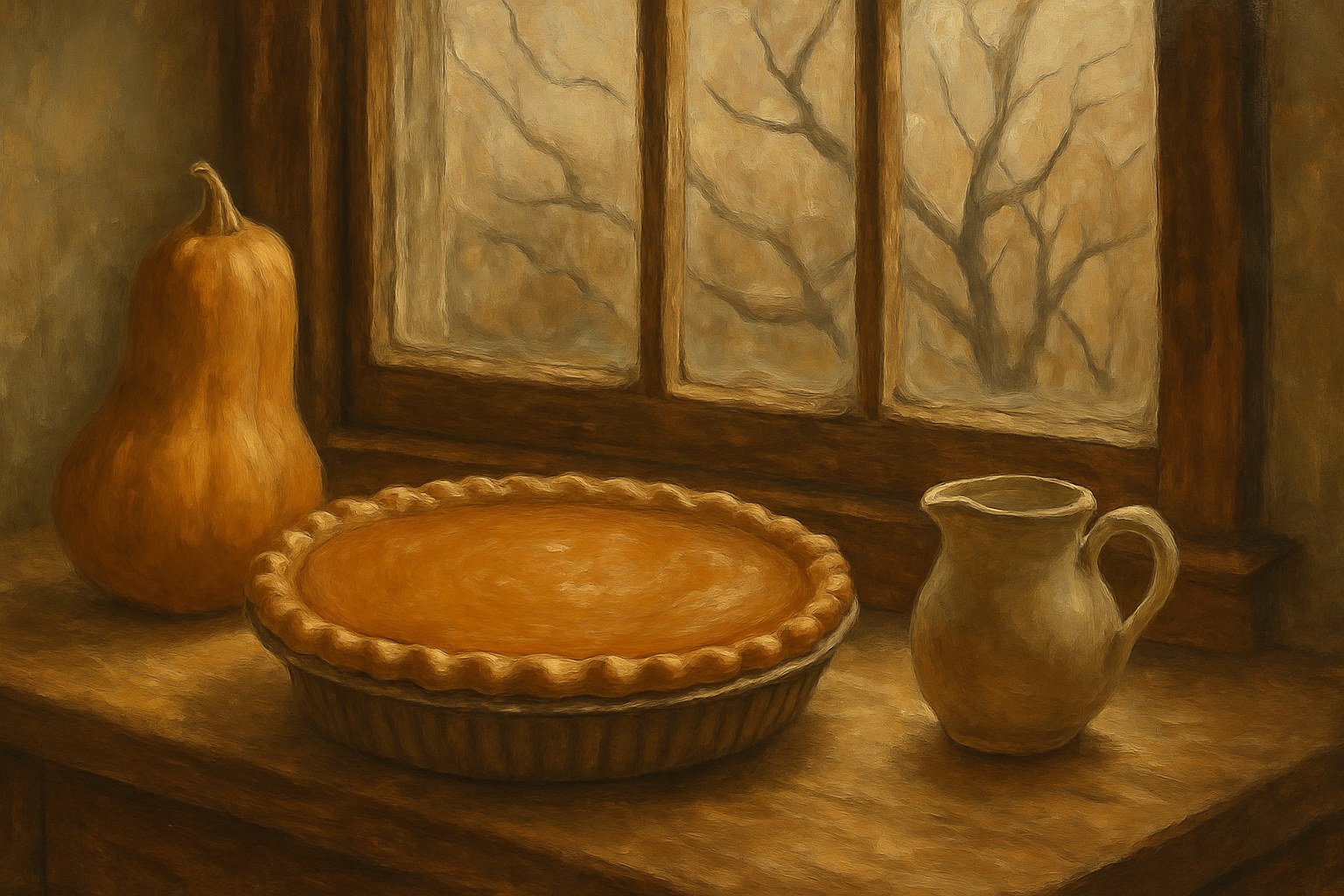
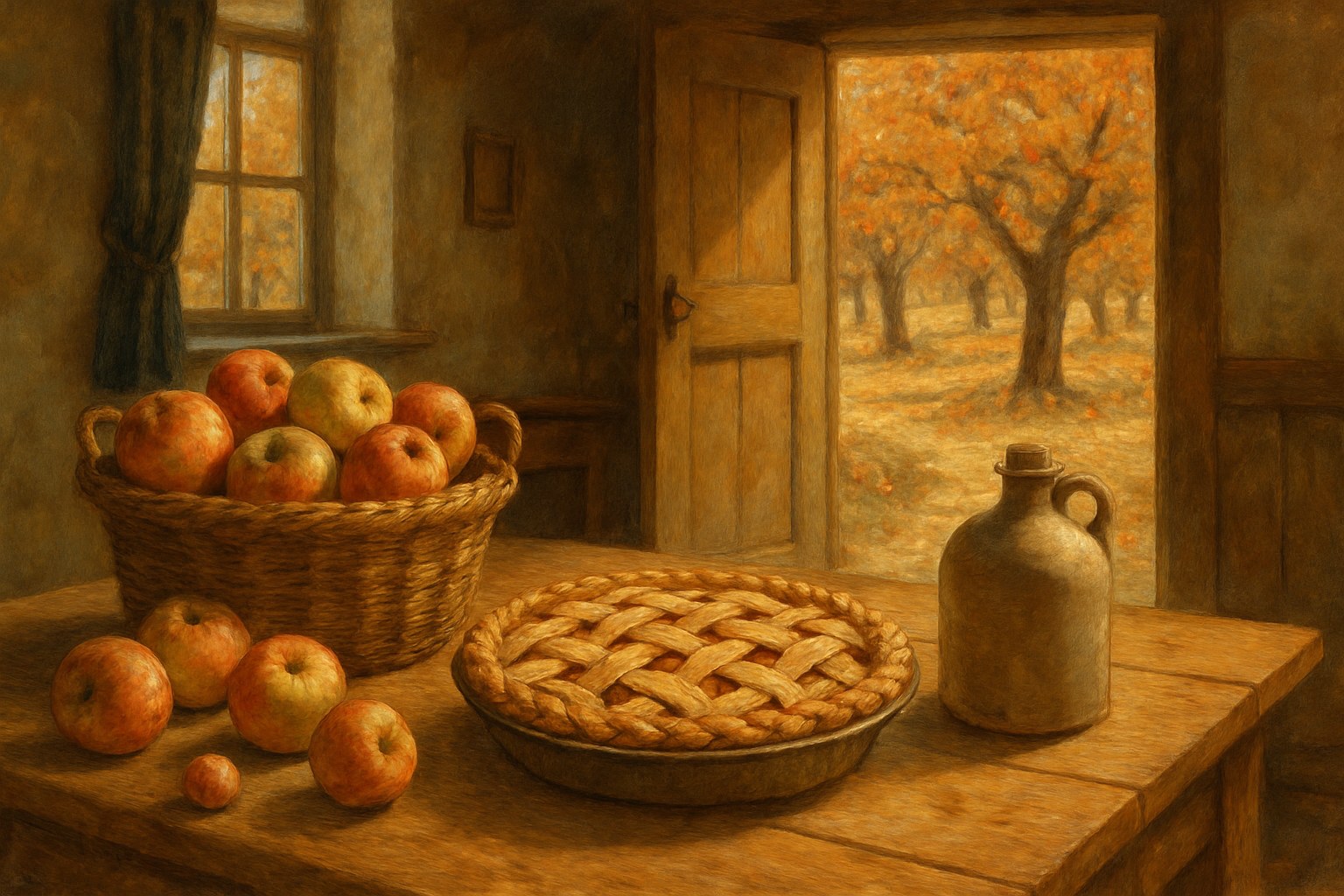
Everything begins with the fields that were already planted. Maize, beans, and squash grown together in one mound fed the peoples of North America for millennia and then fed the colonists who could not have survived their first winters without them. The two dishes Americans now treat as ancestral — pumpkin pie and apple pie — turn out to be a Native crop and an imported one, both reworked into something the country decided to call its own.

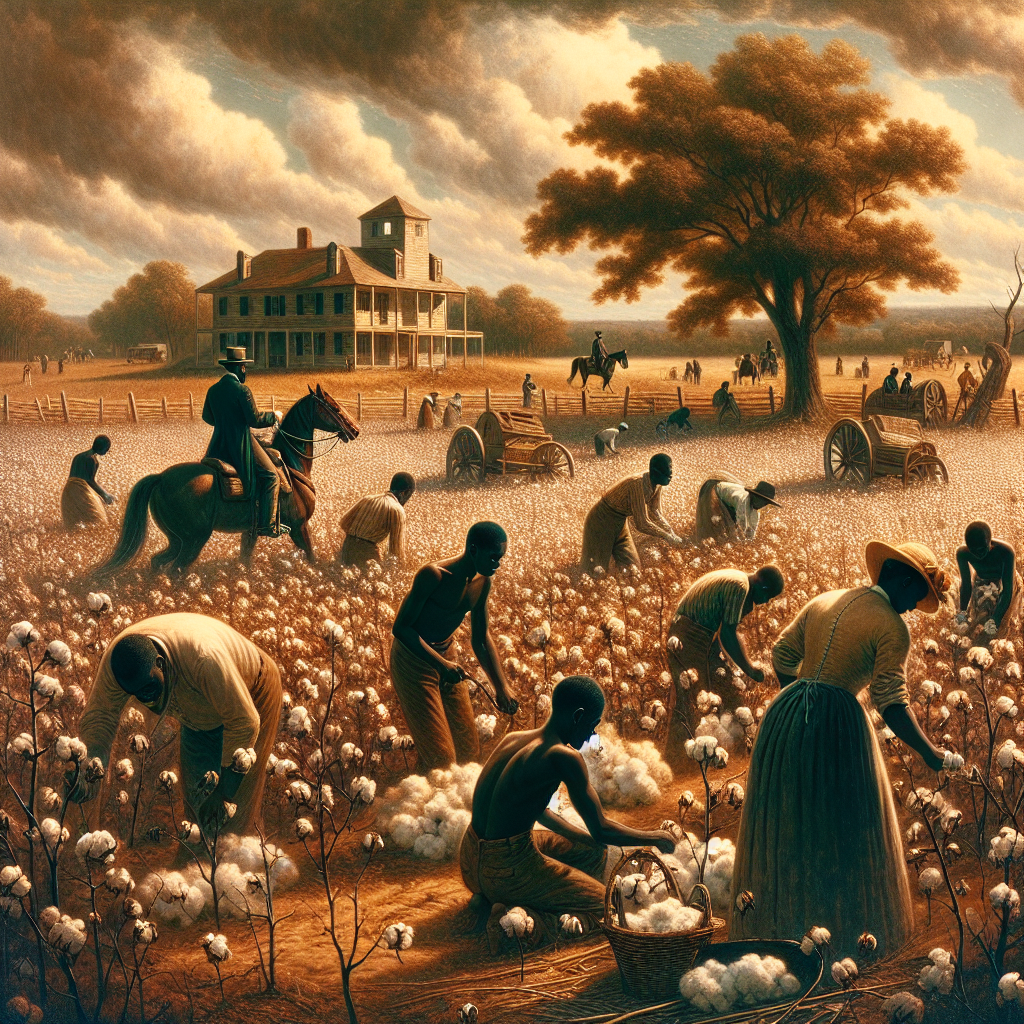
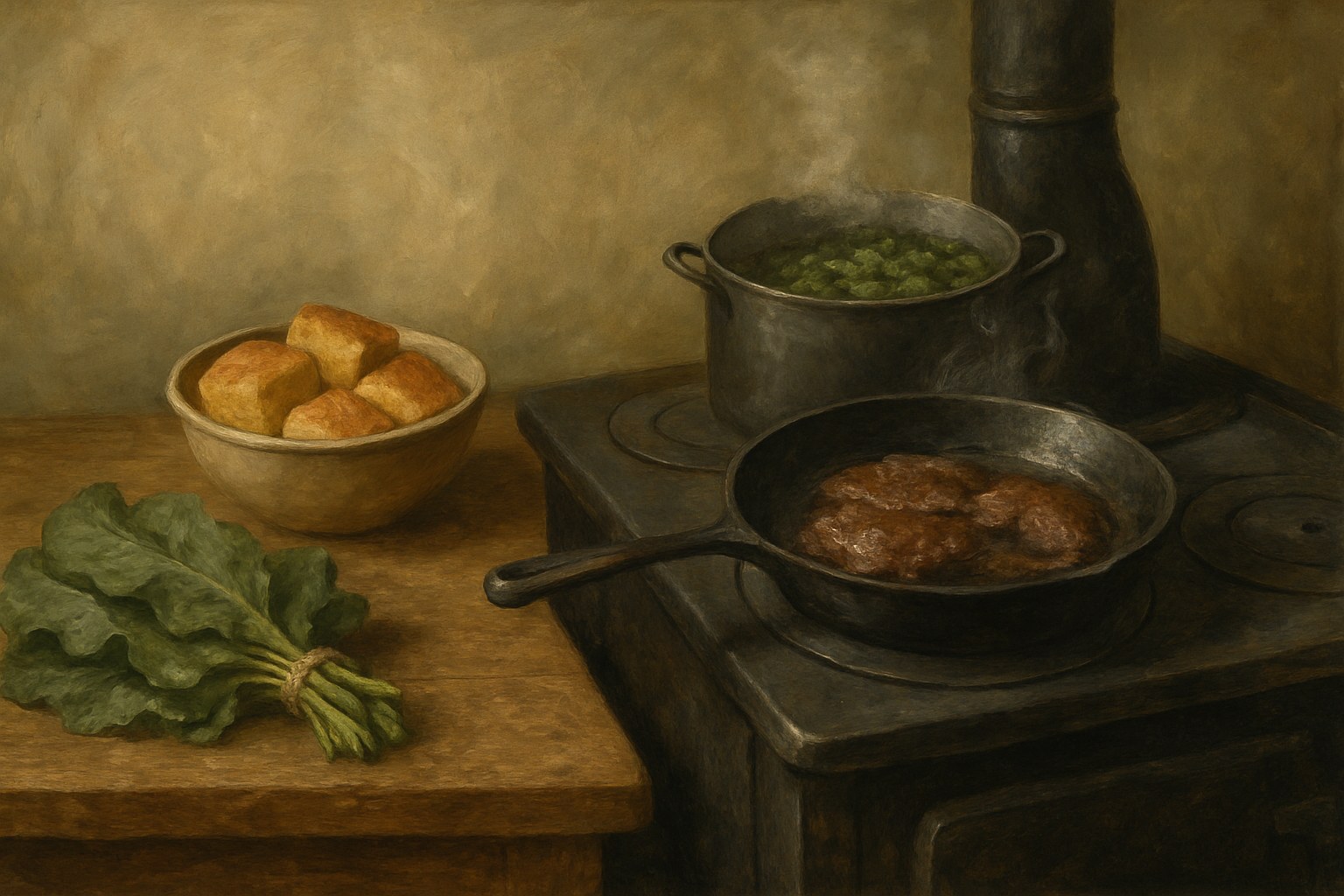
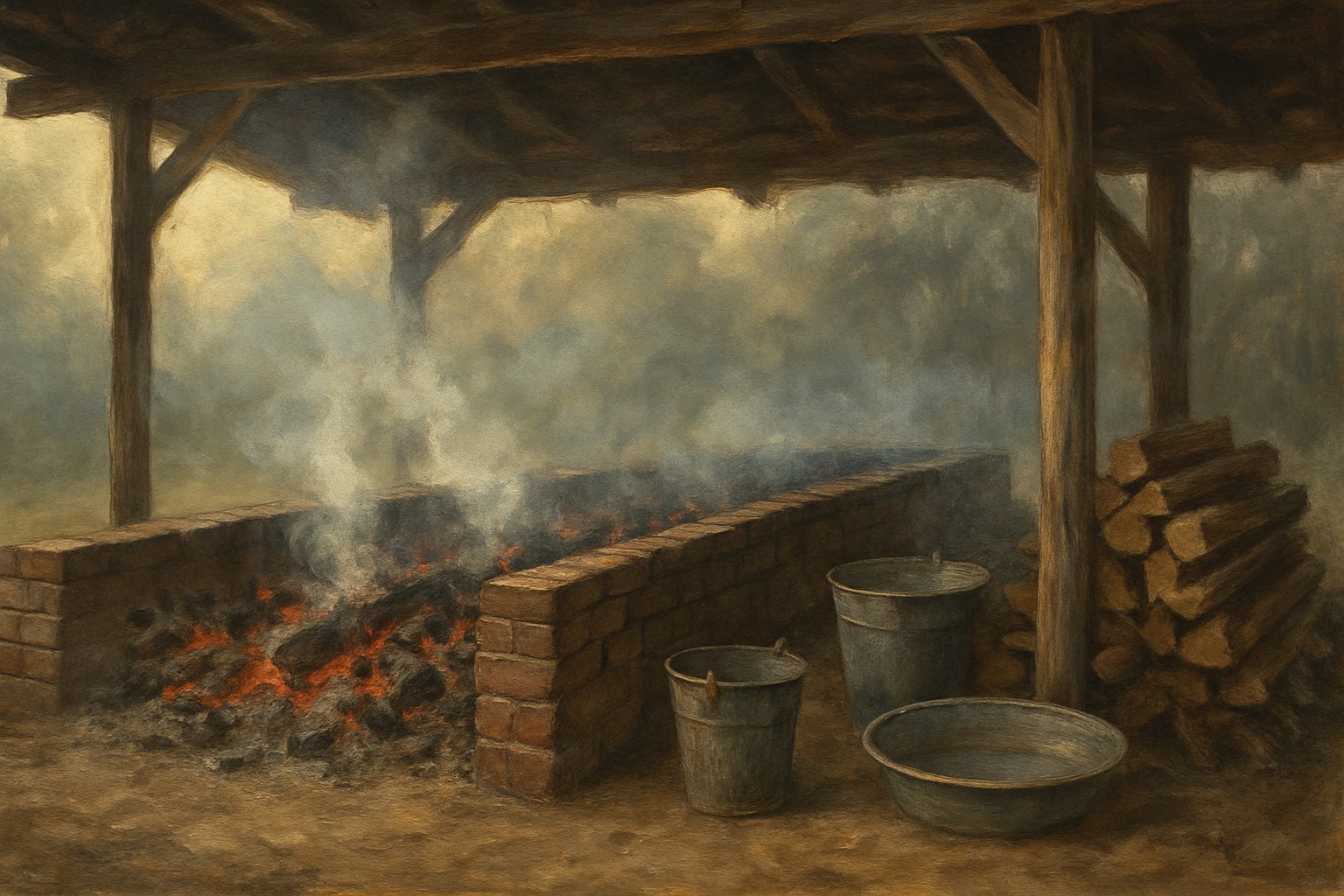
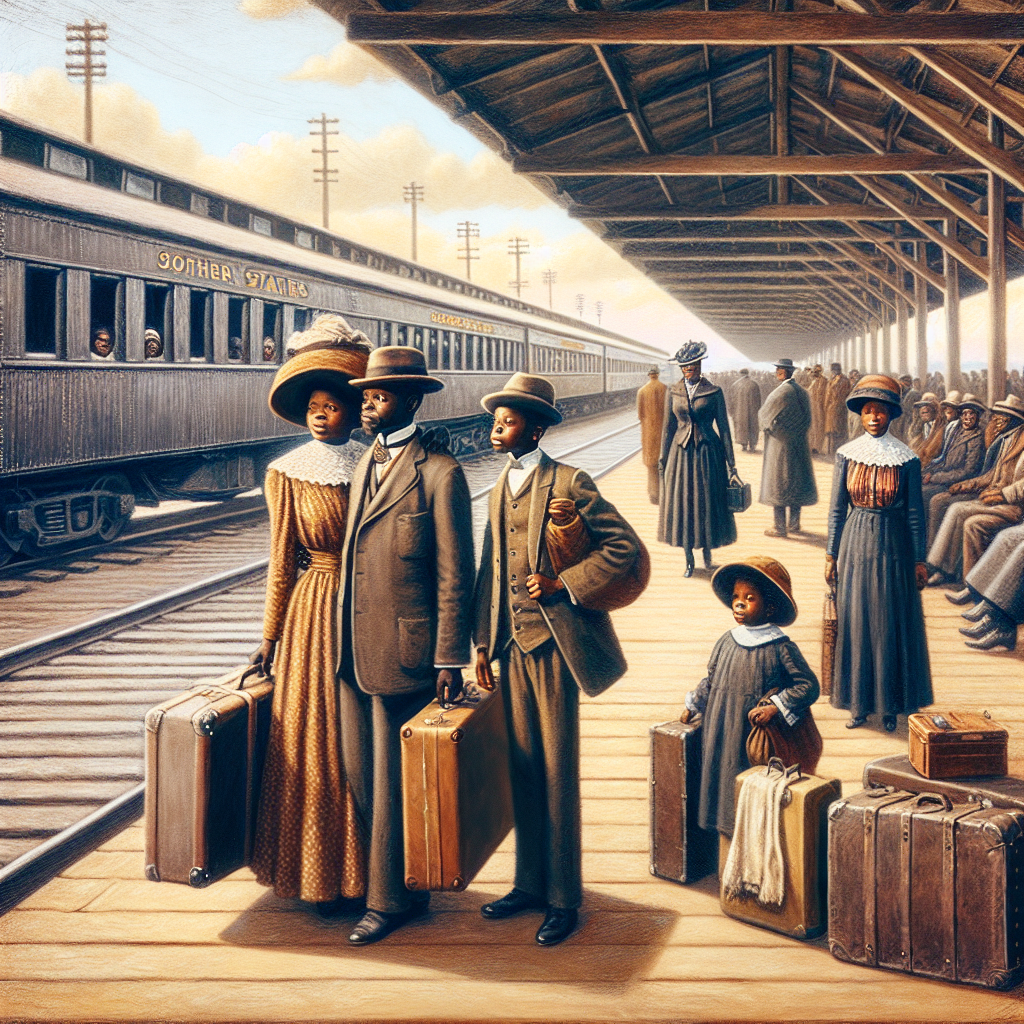
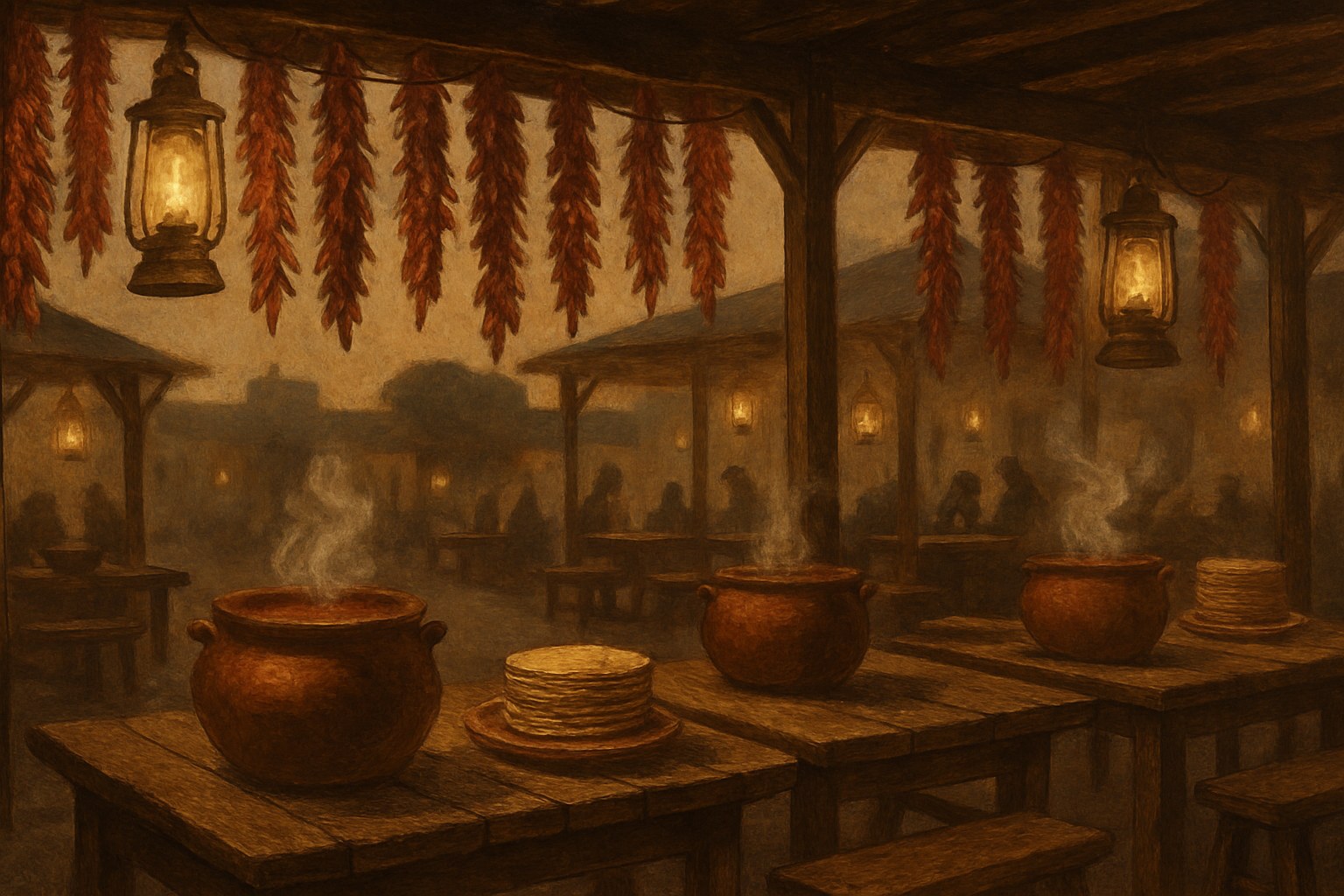
The most distinctive American cooking was made under coercion or at the edges of the map. Enslaved cooks in the South turned issued rations and discarded cuts into a cuisine, and tended the pits that produced barbecue. Tejano families in South Texas kept cooking after the border moved past them. Both traditions were dismissed for generations, and both are now read as the closest thing the United States has to native regional cuisines.
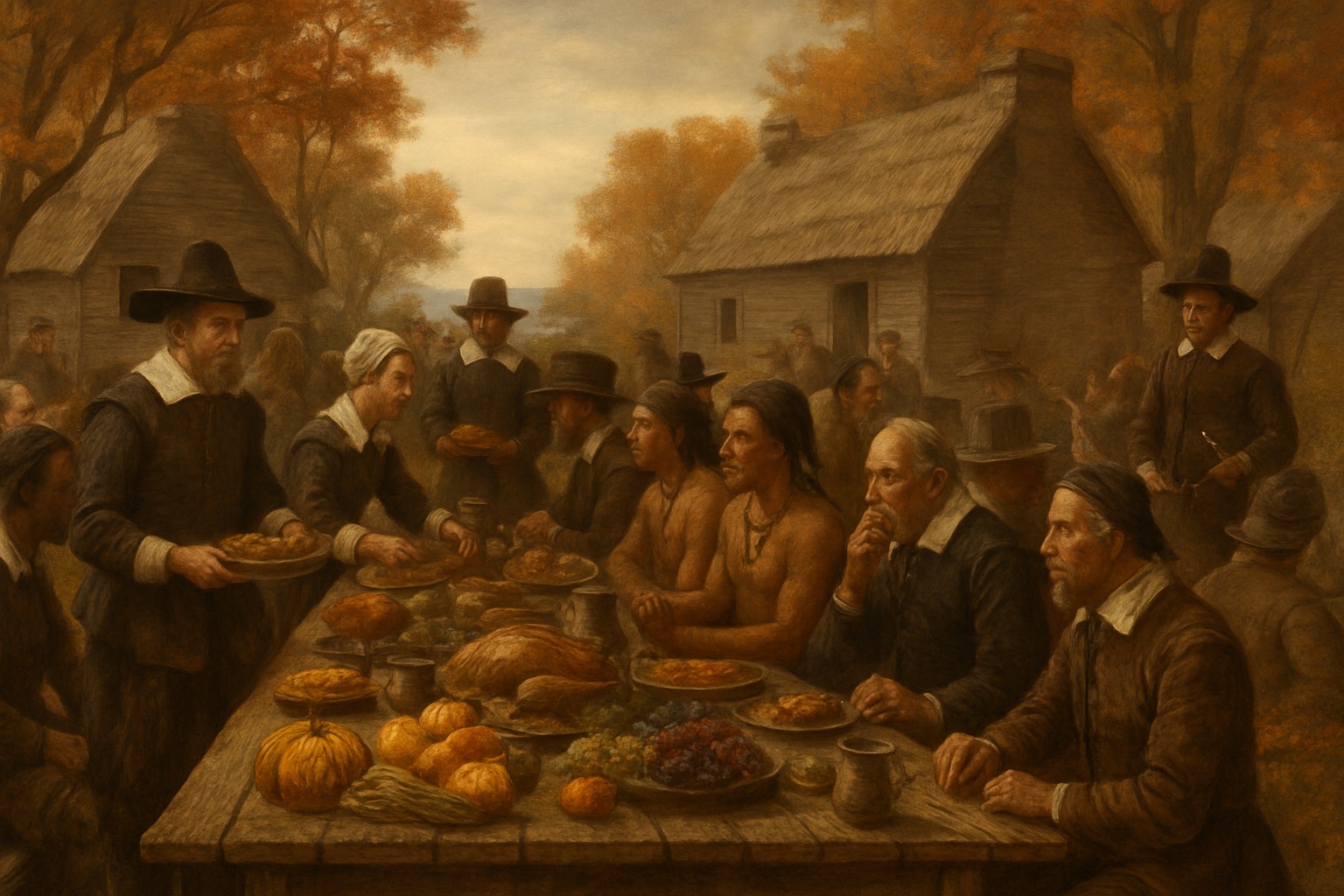
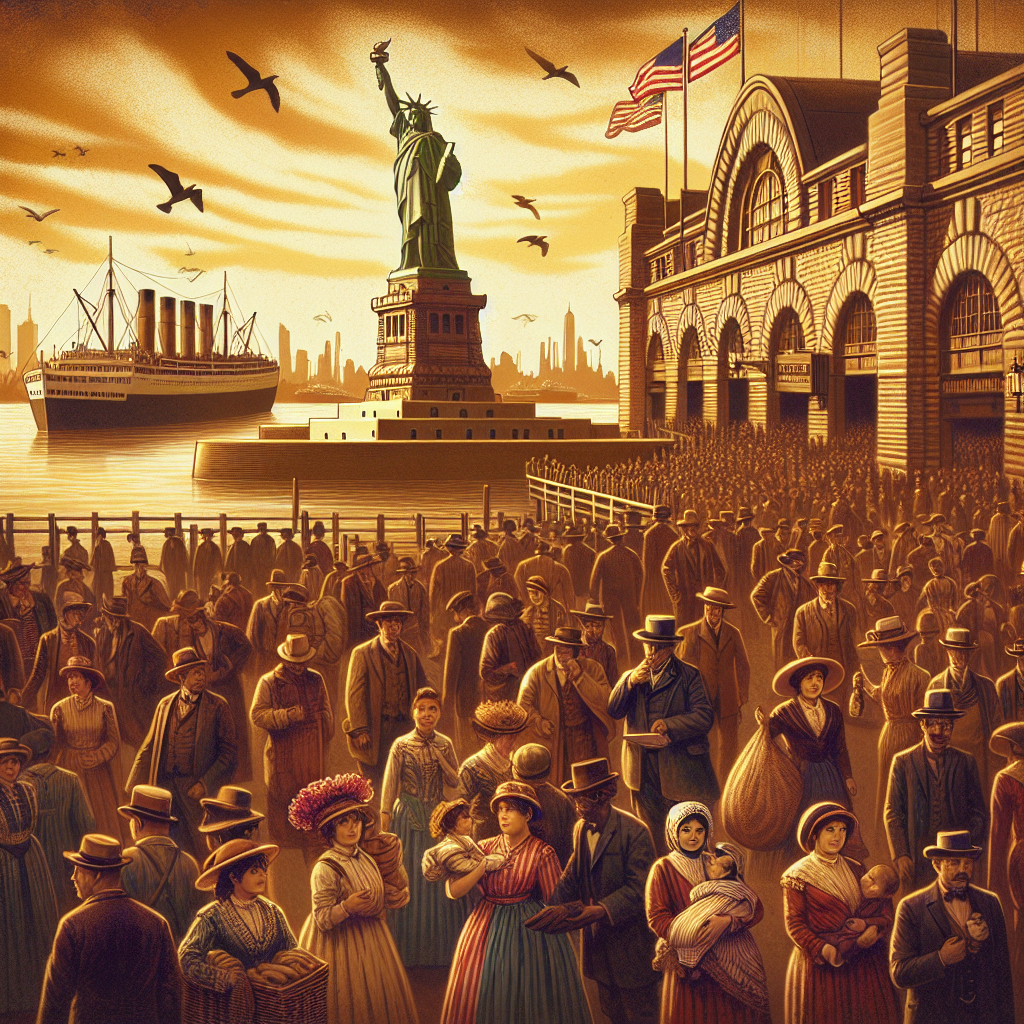
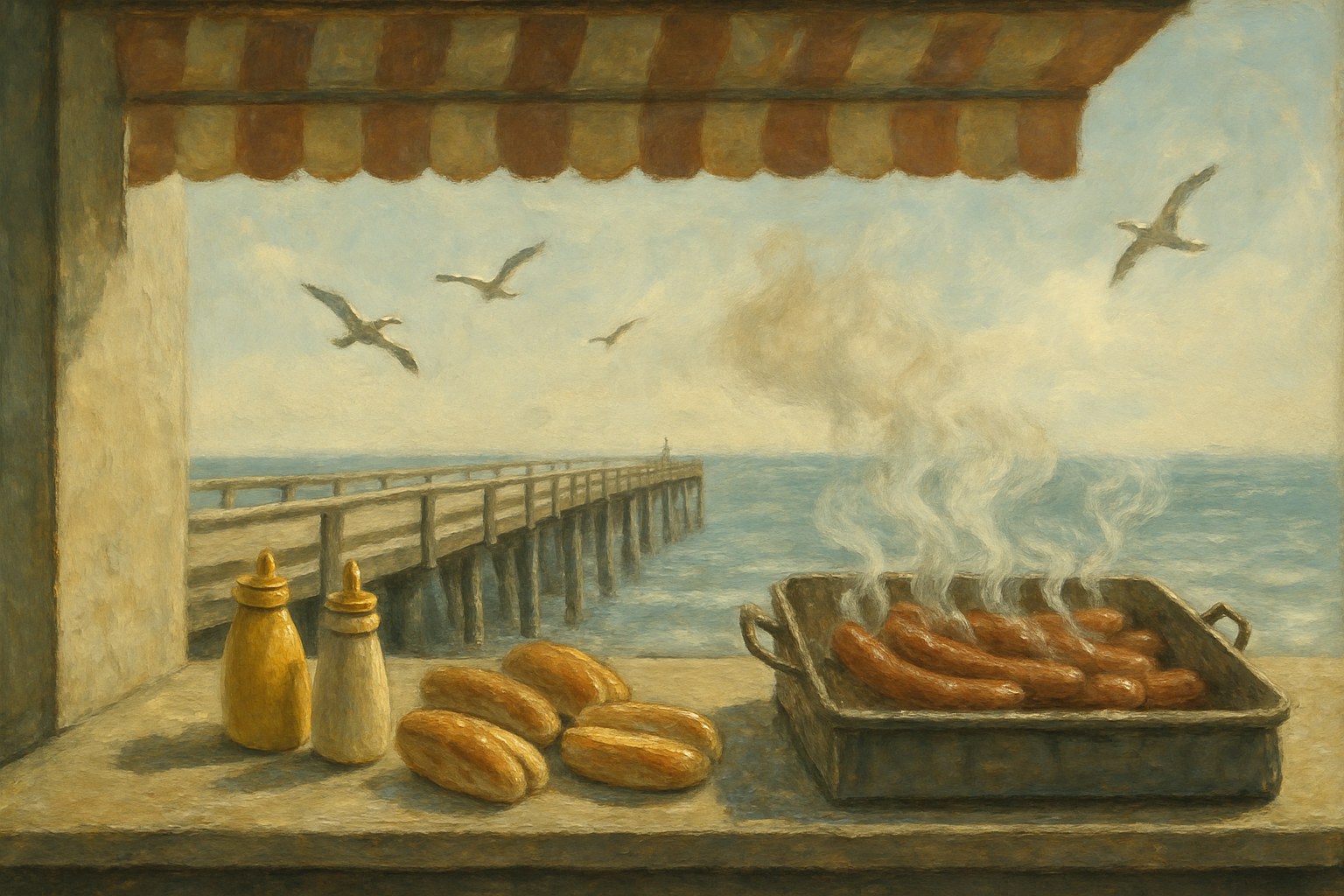
Each wave of arrivals rebuilt the American menu around what it could get. German butchers brought the sausage that became the hot dog and the chopped-beef steak that became the hamburger. The packinghouses of Chicago ran on immigrant labor, and Prohibition rearranged the restaurants and saloons those communities had built. What survives is a national food vocabulary that is almost entirely borrowed and almost entirely altered.


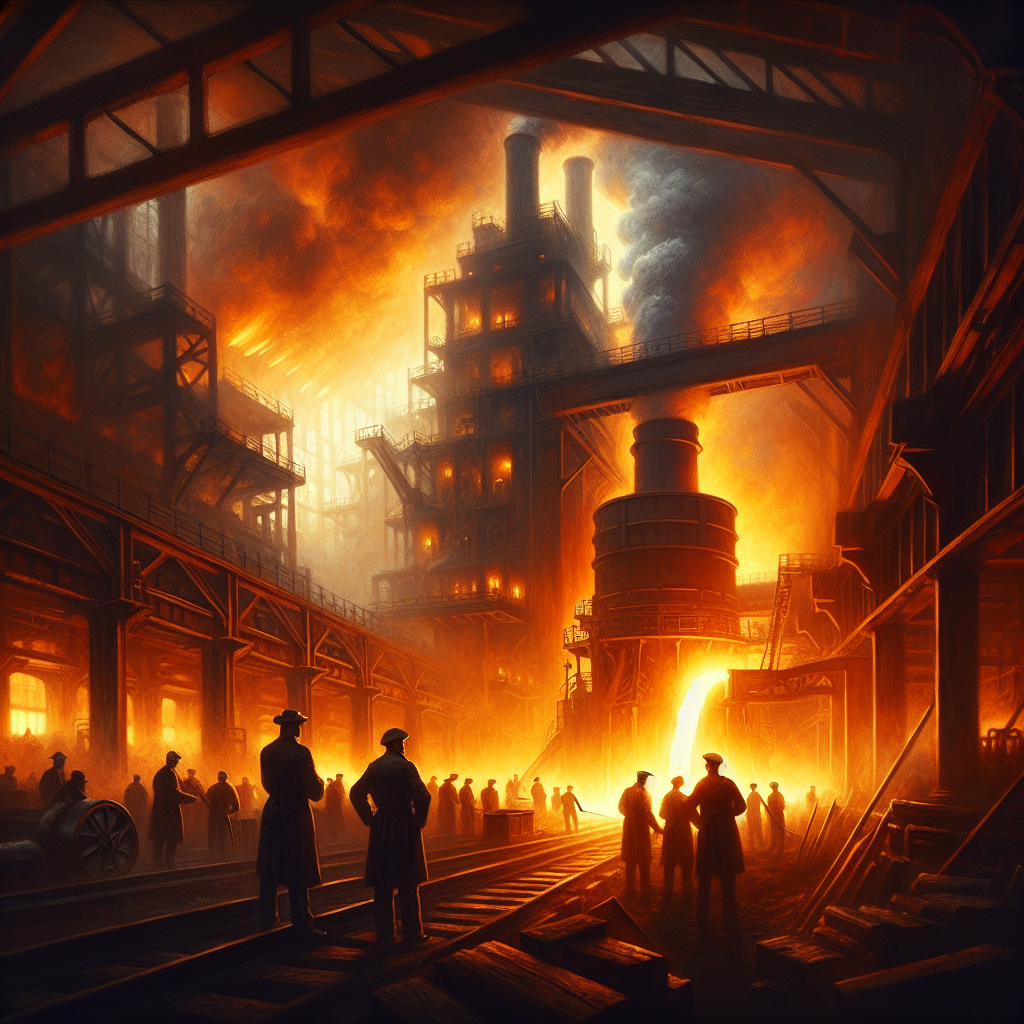
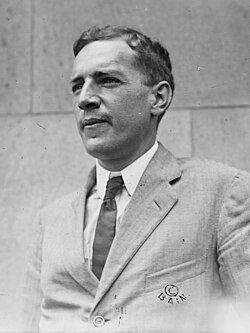
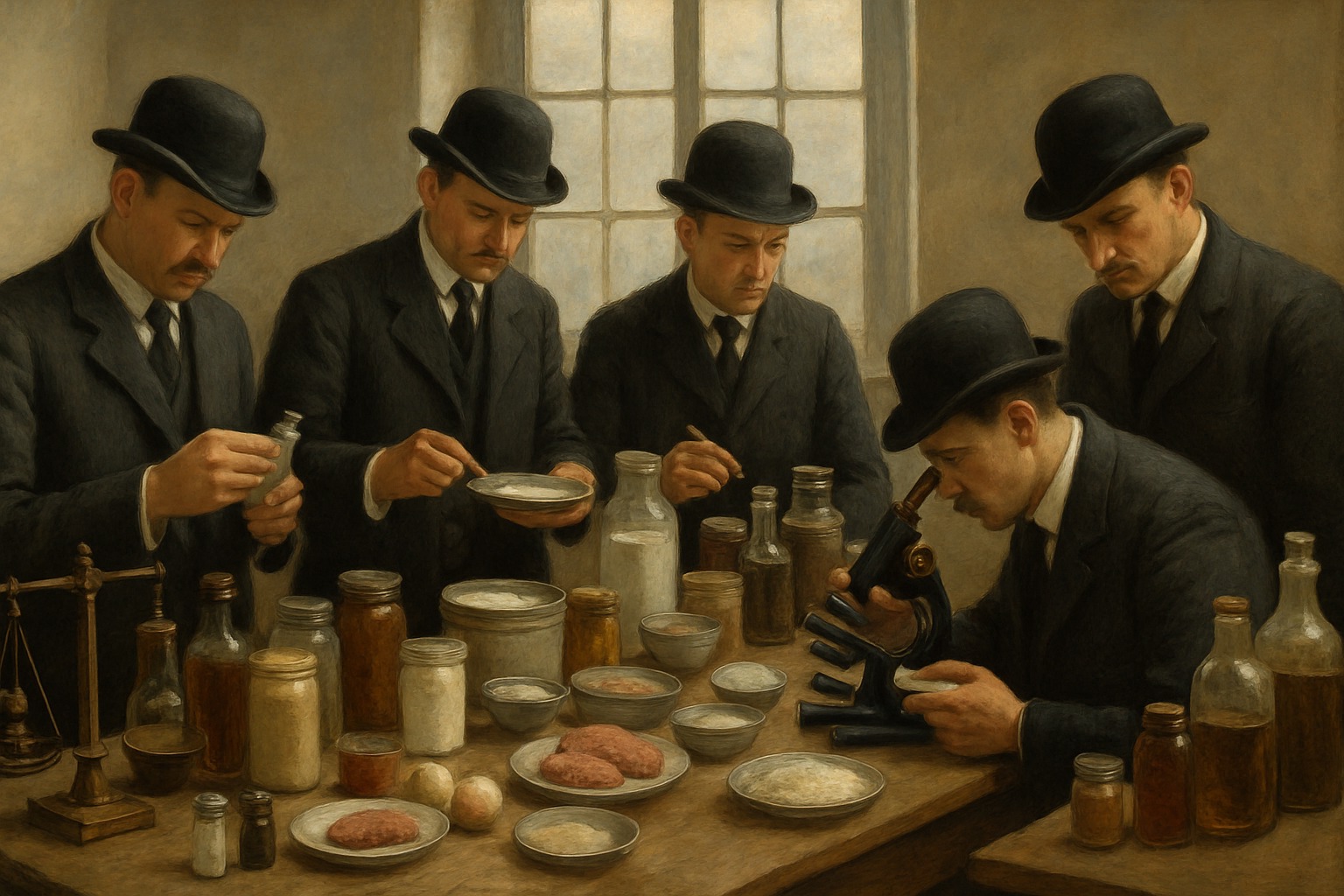
Industry solved the problem of feeding a continent and created a new one — nobody could tell what was in the package. Canning, refrigeration, and the railroad made a national food supply possible, and the exposures that followed made federal inspection unavoidable. The 1906 law and the agency that grew out of it established the rule that the seller has to prove the product is what the label says.

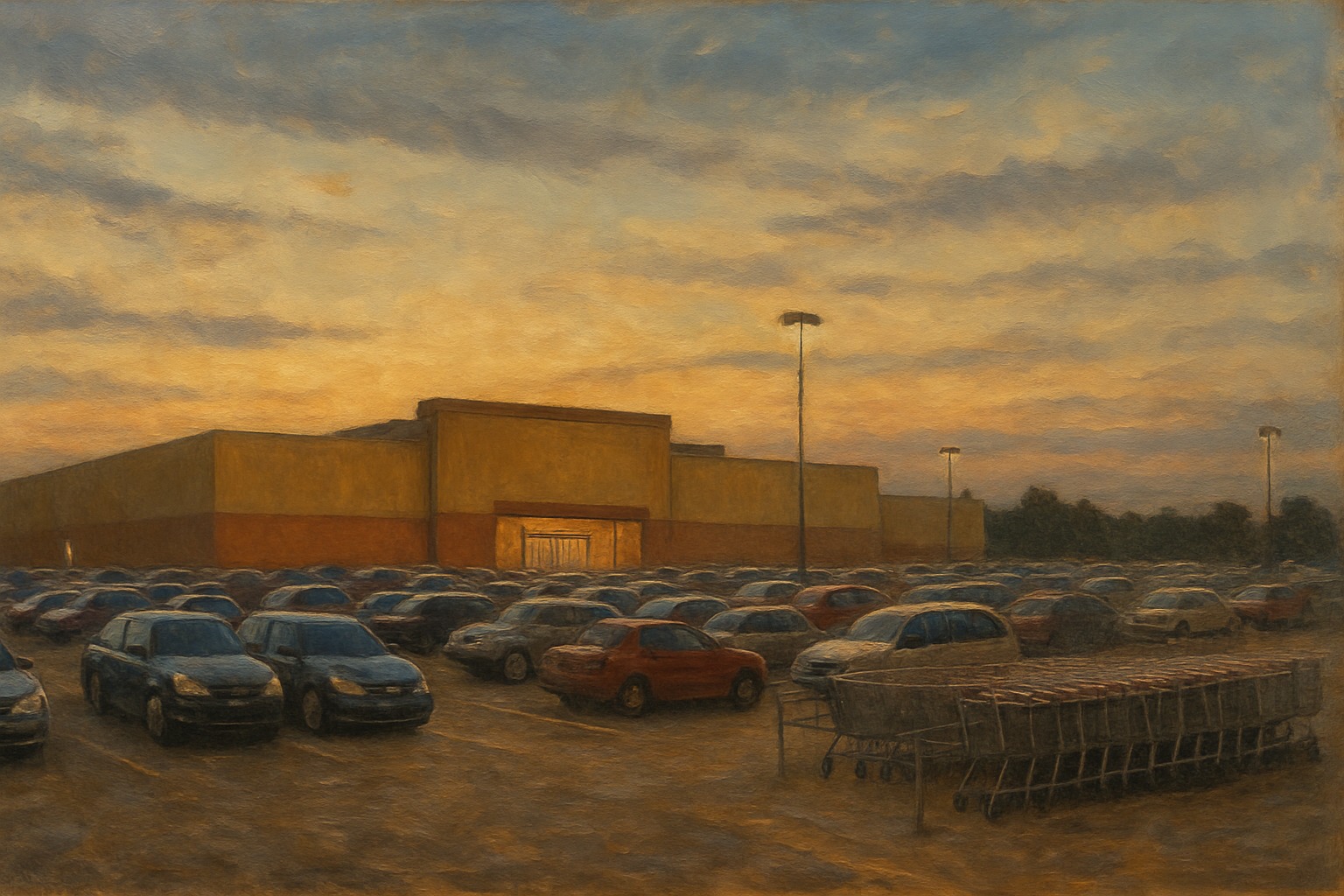
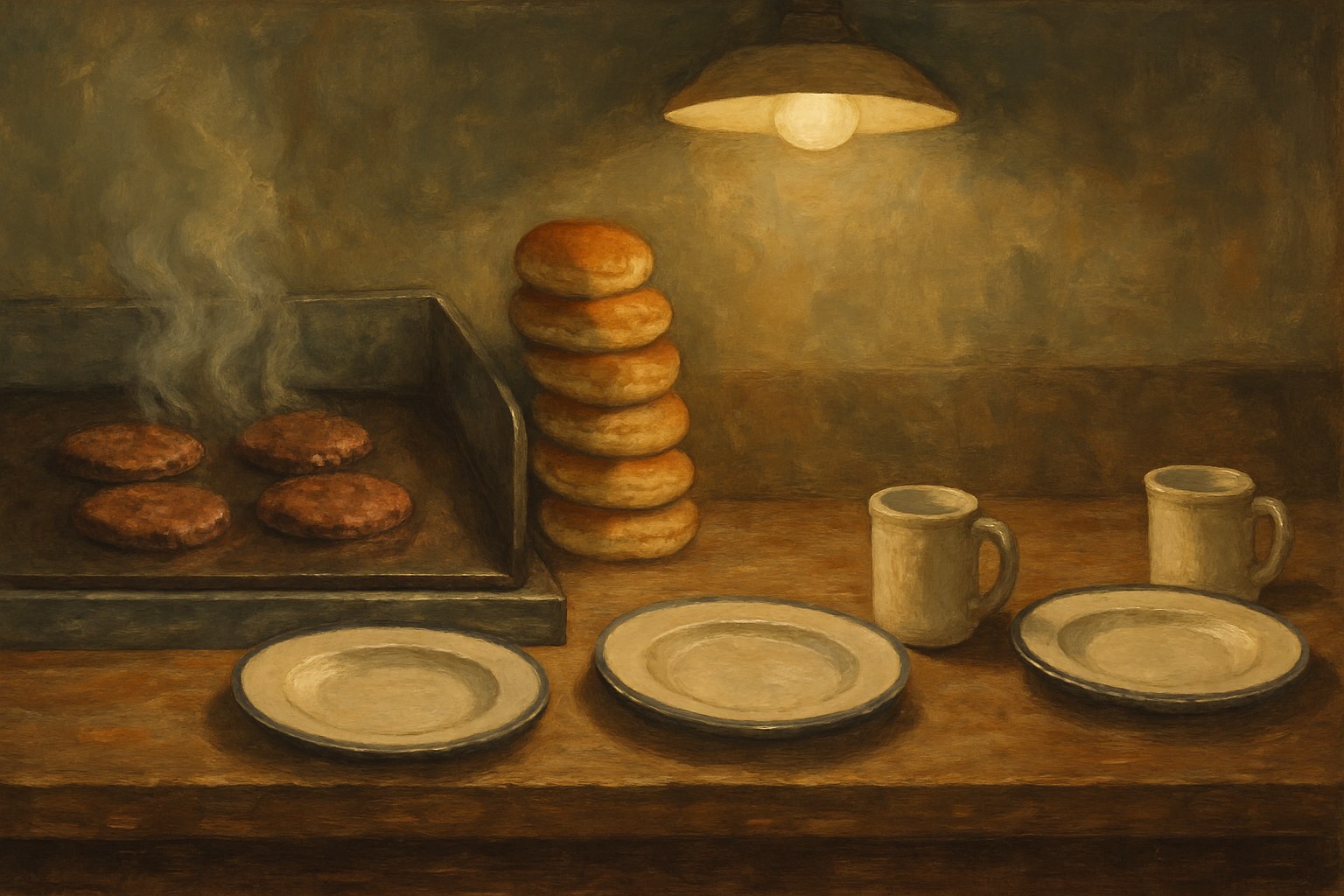
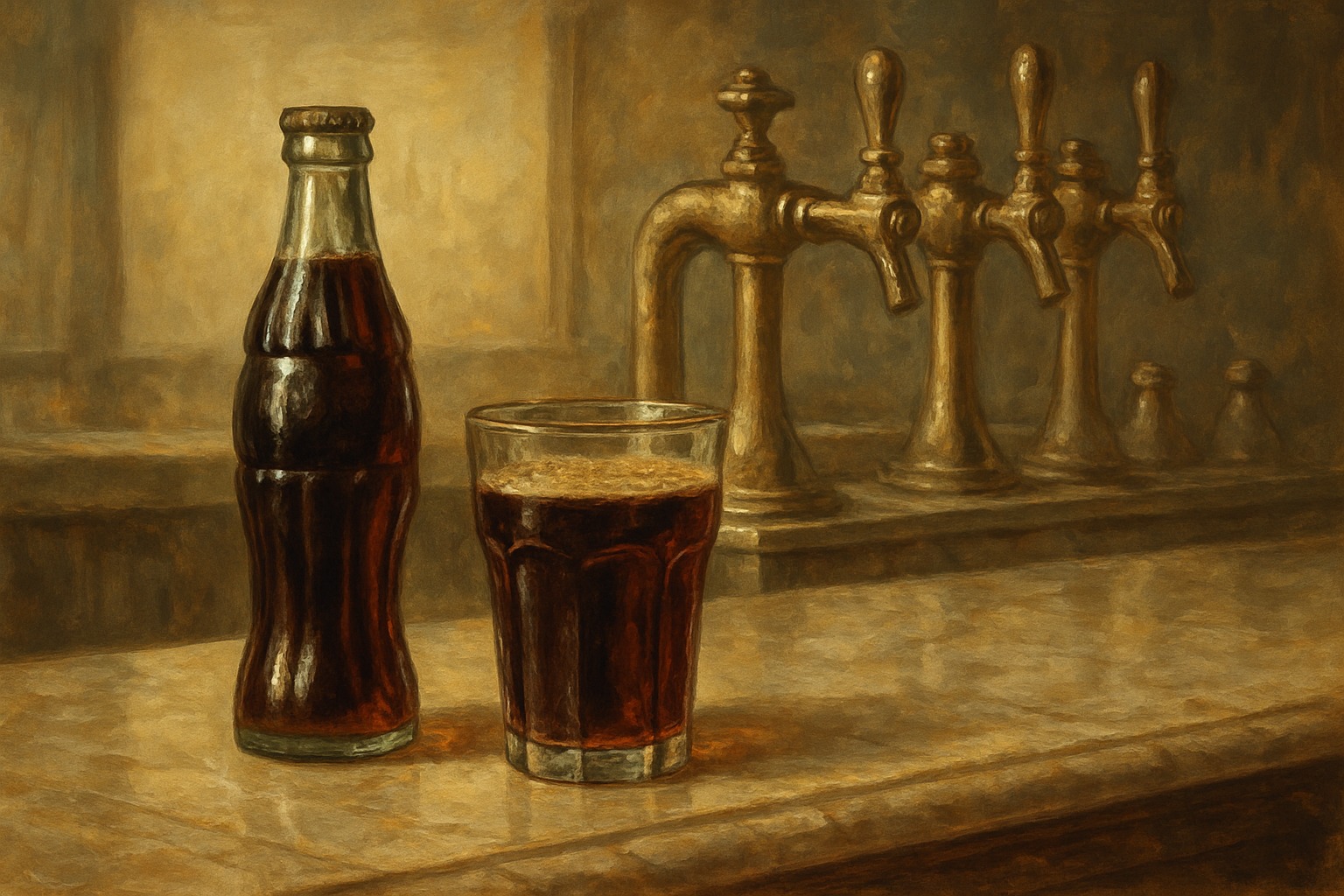
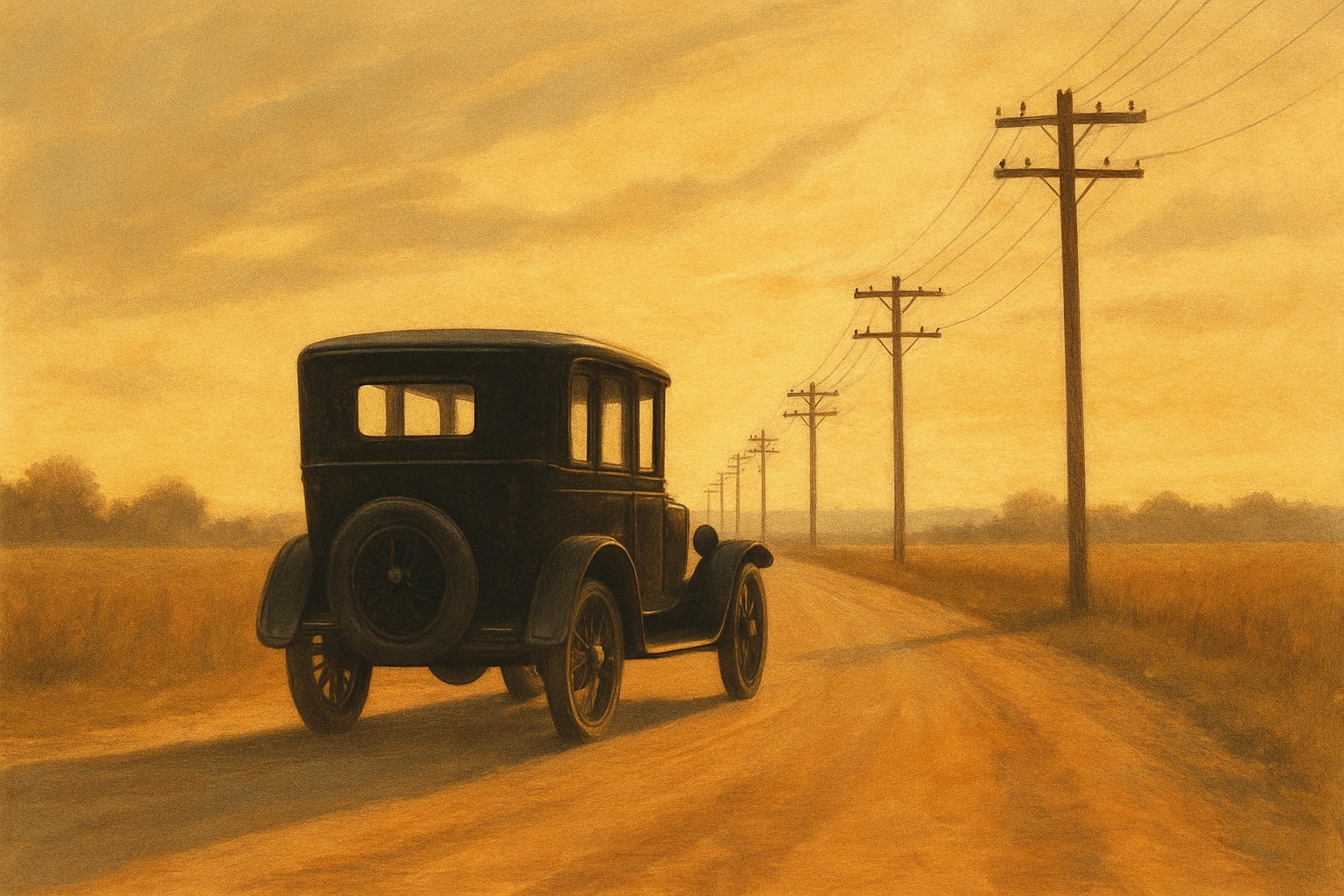
The car finished the job. Roadside stands became chains, chains became franchises, and the franchise became one of the most successful American exports of the twentieth century. At home the freezer and the television pulled the family meal apart into separate trays eaten at separate hours. The result is cheap, fast, uniform food, and a running argument over its cost in wages, in health, and in what it displaced.



The story does not resolve. The same industrial system that made fresh produce available in February also erased thousands of local apple varieties, and the same franchise model that flattened regional cooking also opened a business to families who had no other way in. American food remains the most legible record the country keeps of its own migrations.