Native American History

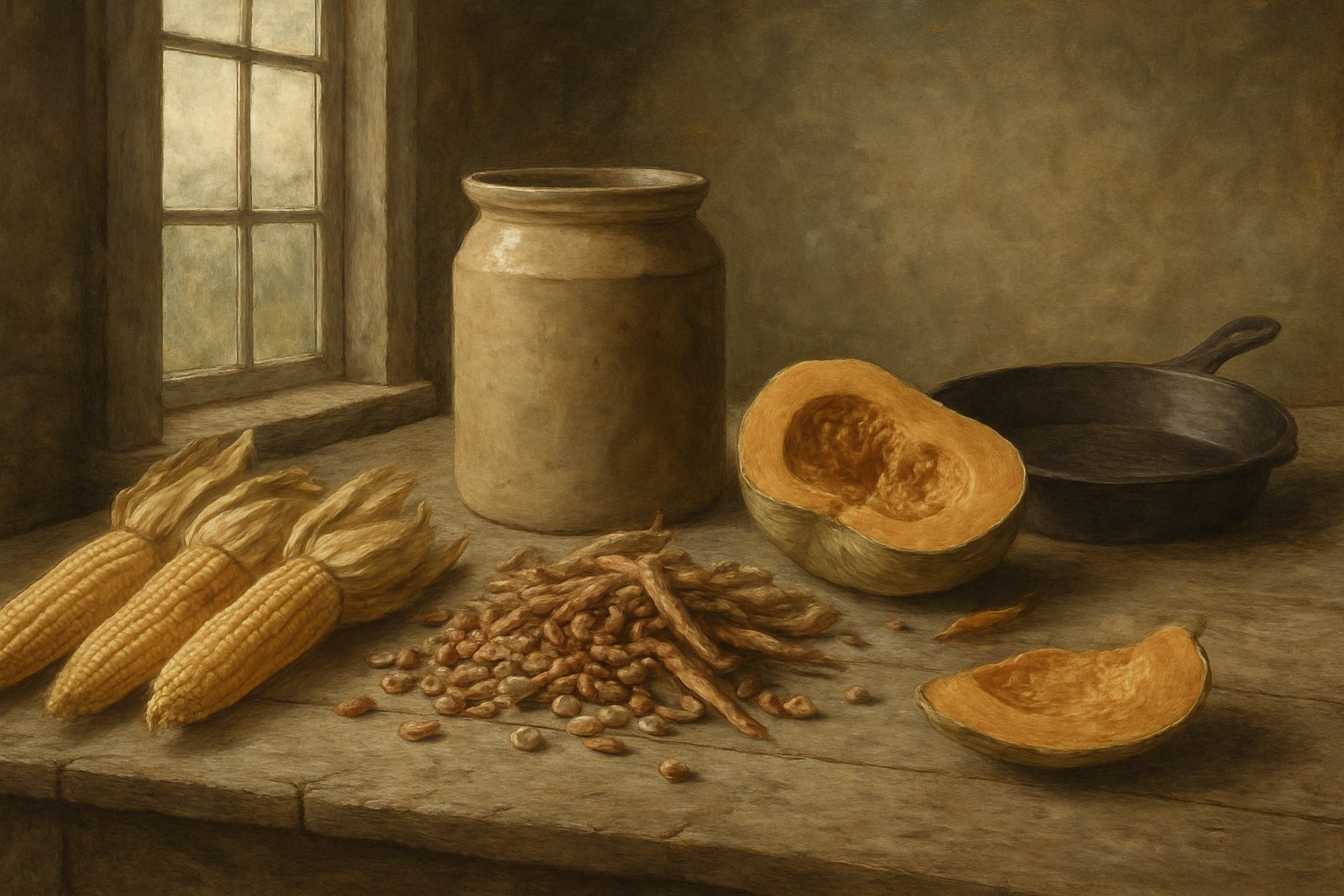
Long before there was a United States, the land it occupies was home to hundreds of distinct Native nations — with their own governments, languages, religions, and ways of life, sustaining millions of people across the continent for thousands of years. Native American history is not a prologue to American history; it is its longest and oldest chapter.
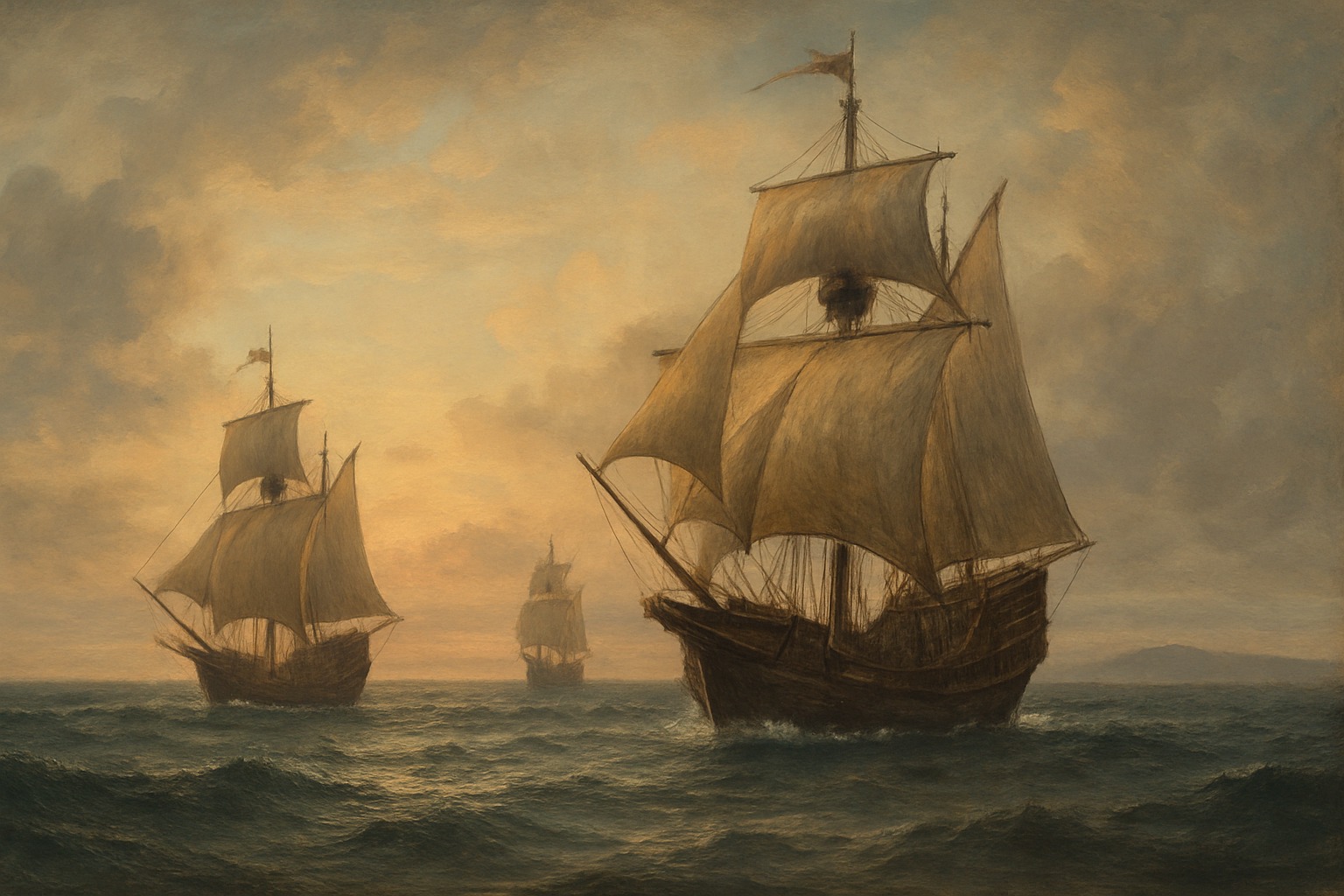
The arrival of Europeans brought catastrophe. Epidemic diseases killed a large share of the Indigenous population, and over the following centuries Native nations faced a relentless loss of land through war, broken treaties, and forced removal. The United States both recognized them as sovereign nations and repeatedly broke the agreements it signed with them.
The nineteenth century brought the policies that loom largest in memory: the Indian Removal Act and the Trail of Tears, the Plains wars and the massacres that ended them, and the Dawes Act's effort to break up tribal land and assimilate Native people out of existence. Whole ways of life were assaulted, and yet none were extinguished.
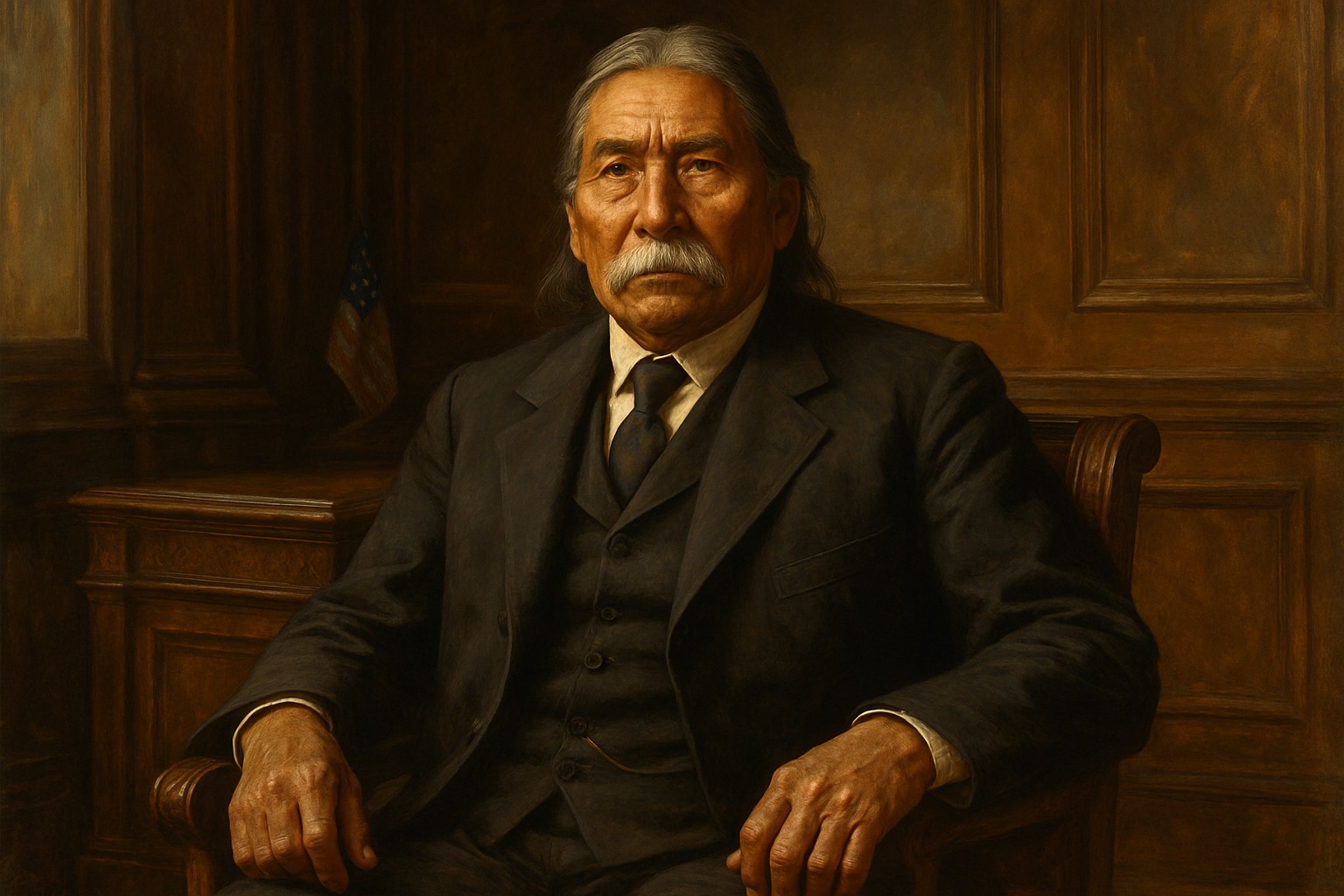
The story did not end in defeat. Native nations endured, won citizenship and a measure of self-determination, revived languages and governments, and reasserted their sovereignty through courts, activism, and the simple fact of survival. Today hundreds of federally recognized tribes remain — proof that Native America was never a vanished people, but a continuing one.
| Before Contact | Hundreds of nations; millions of people |
| Catastrophe | Epidemic disease and centuries of land loss |
| 19th Century | Removal, the Plains wars, and forced assimilation |
| Status | Sovereign nations under treaties the U.S. often broke |
| Today | Hundreds of federally recognized tribes endure |
| Date | From before contact to the present |