Soul Food
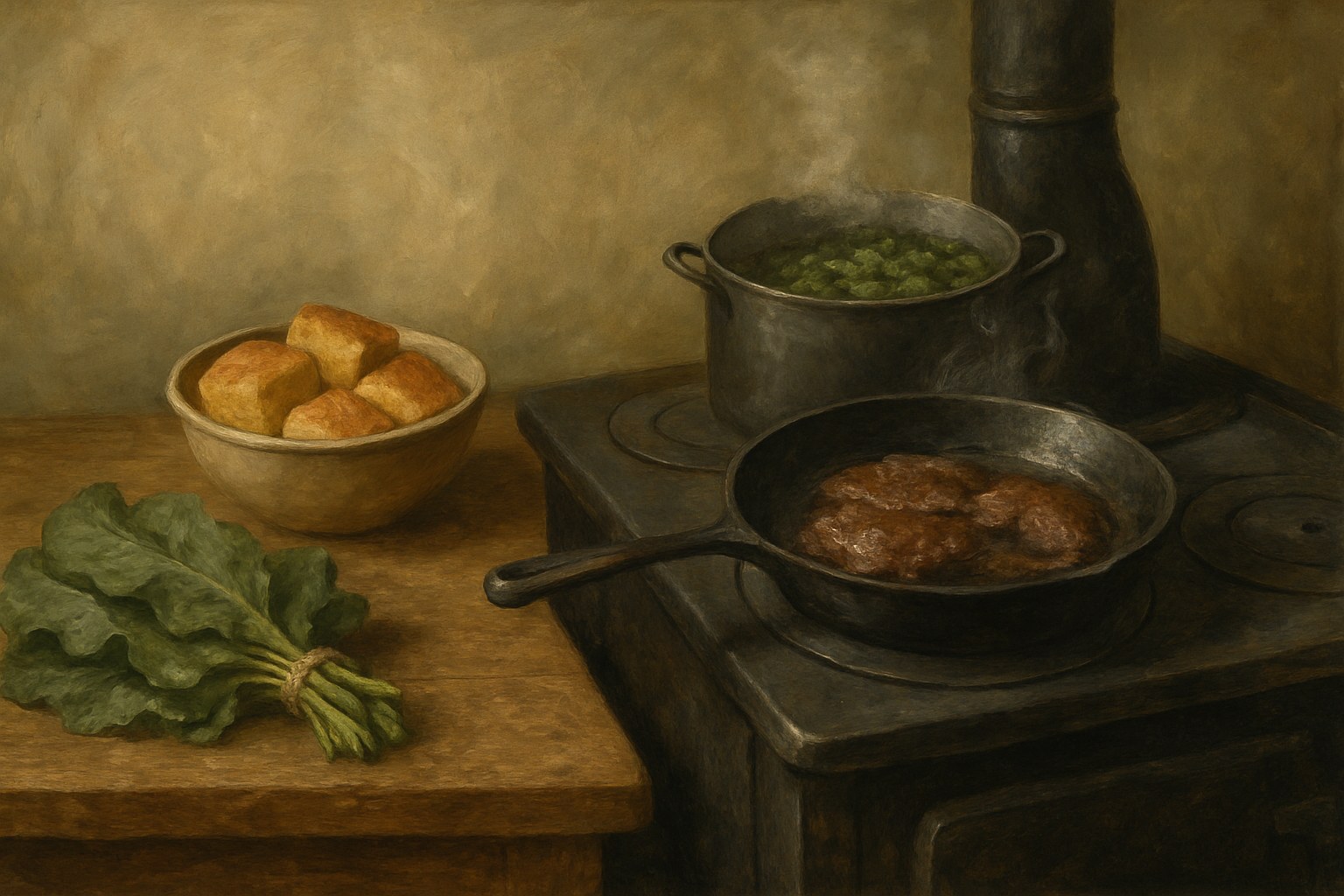
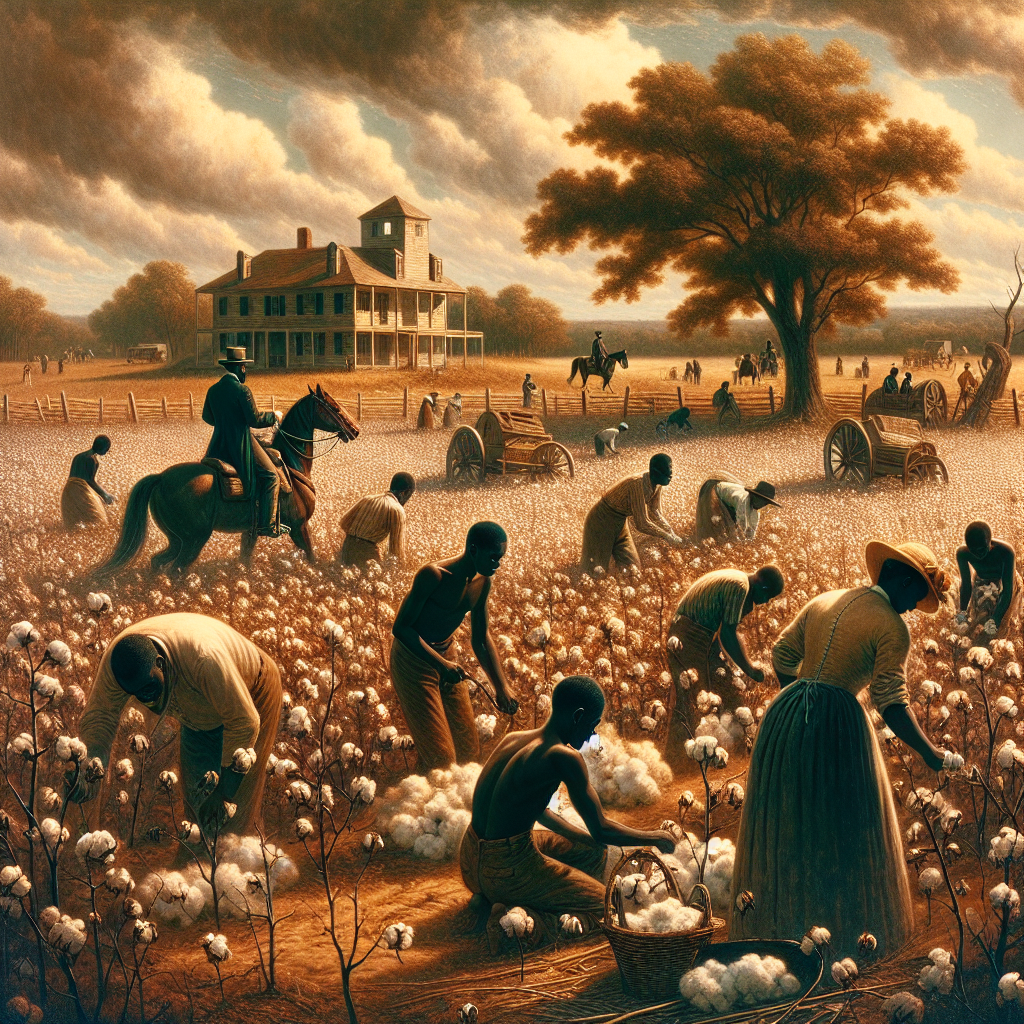
The name is recent. The cooking is not. Soul food descends from the foodways of West and Central Africa, carried across the Atlantic in the memories of captive people and then bent to the brutal arithmetic of the plantation. Enslaved workers were issued a weekly ration — cornmeal, salt pork, molasses, often little else — and were expected to make up the difference themselves. What they grew in provision gardens, foraged in the woods, fished out of creeks, and were handed from the parts of the hog nobody else wanted became the raw material of a kitchen.
That kitchen was an improvisation of real genius. Chitterlings, hog maw, neck bones, trotters, ham hocks — cuts that needed hours to become tender — were simmered alongside greens whose cooking liquid, the pot likker, held the nutrition that long boiling drew out. Cornmeal became hoecake, spoonbread, and hush puppies. Okra, black-eyed peas, and rice came from Africa. Deep frying, a West African technique, met the Southern hog and produced fried chicken and fried catfish. Sweet potatoes stood in for African yams.
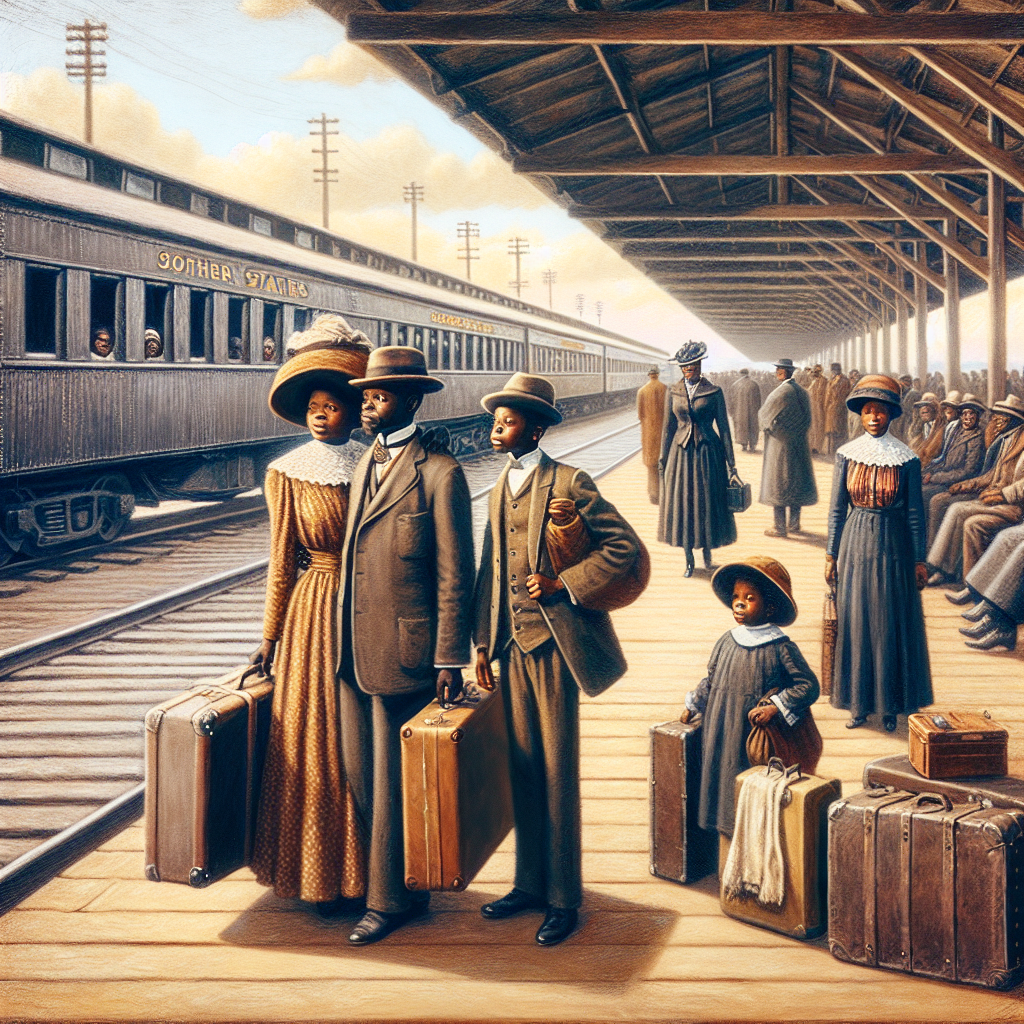
The same hands cooked for the enslaver's table, which is why the food of the white South and the food of the Black South are so difficult to separate — the second largely produced the first. After emancipation the cooking traveled. The Great Migration carried some six million people out of the rural South between 1916 and 1970, and the recipes went with them, into Chicago and Detroit and Harlem storefronts, into the dining cars of the railroads, and into restaurants that became anchors of Black neighborhood life.
The term soul food surfaced in the 1960s, when soul attached itself to Black music, style, and self-definition, and eating this food became a way of claiming a history rather than apologizing for one. The claim was never uncontested. Black Muslims, and later Black health advocates, argued that the diet carried the burdens of poverty forward into hypertension and diabetes. What is not disputed is that a cuisine assembled out of scarcity became one of the few American regional traditions the entire country adopted.


| Roots | West and Central African foodways |
| Built from | Plantation rations plus gardens, foraging, and cast-off cuts |
| Signatures | Greens and pot likker, cornbread, fried chicken, black-eyed peas |
| Carried north by | The Great Migration, 1916-1970 |
| Named | 1960s, alongside soul music and Black self-definition |
| Debate | A heritage cuisine and a public-health argument at once |
| Date | 1600s to today |