Walmart

Sam Walton opened the first Walmart in Rogers, Arkansas, in 1962, betting that a discount store could thrive in the small towns the big chains ignored. His formula was simple and relentless: keep prices lower than anyone else, make up the thin margins on enormous volume, and reinvest the savings in growth. From that rural beginning grew the largest retailer the world had ever seen.
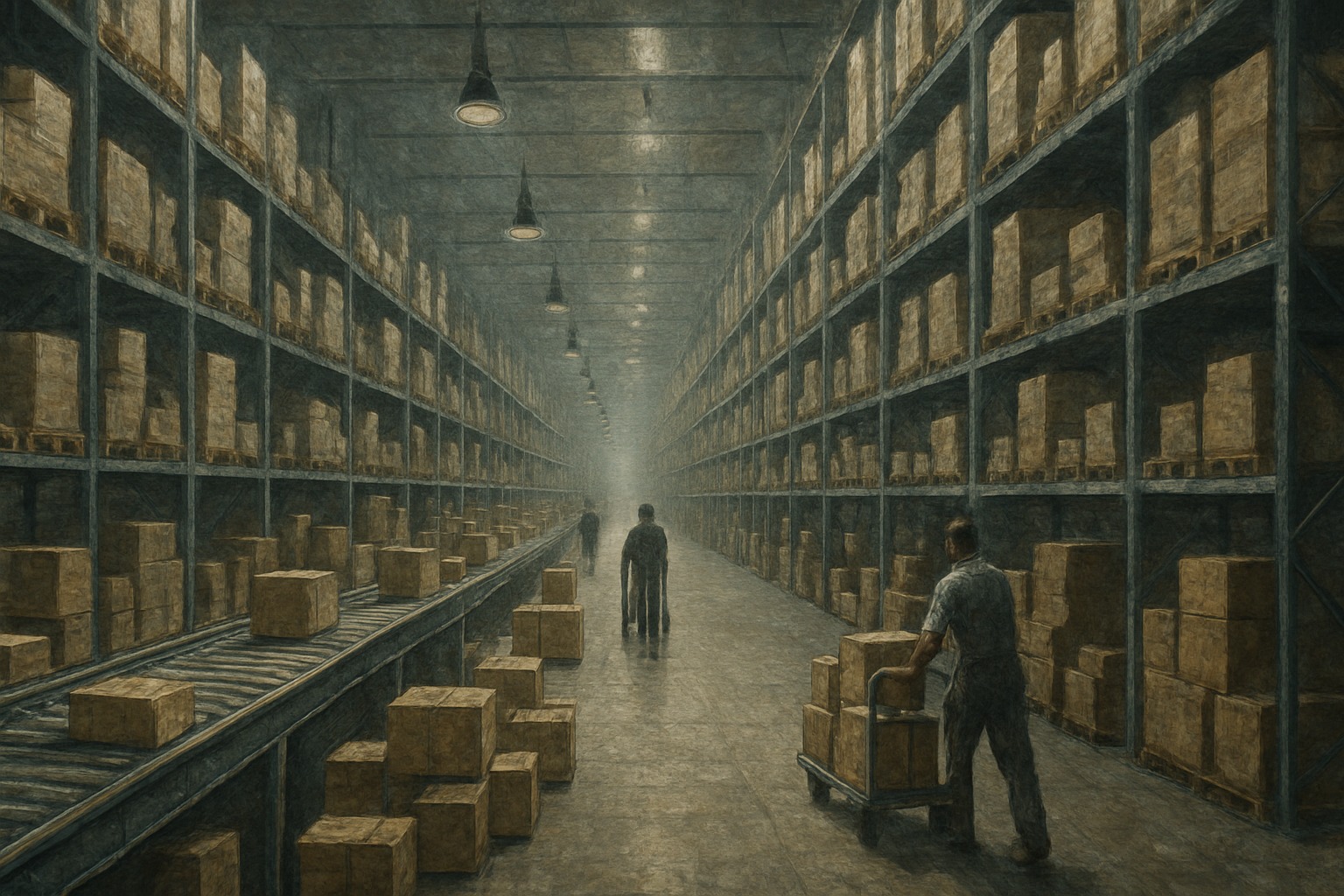
Walmart's edge was logistics. It built a sophisticated distribution and inventory system, squeezed its suppliers for the lowest possible costs, and passed the savings to customers under the banner of everyday low prices. Its vast supercenters, combining a discount store and a full grocery, spread across the country and then the world, and the company became the largest private employer in the United States.
That scale made Walmart a lightning rod. Critics blamed it for driving the mom-and-pop stores of small-town main streets out of business, for the low wages it paid its enormous workforce, and for pressuring its suppliers to move manufacturing overseas in search of ever-lower costs. Supporters countered that its low prices stretched the budgets of millions of working families.
By revenue, Walmart became the largest company in the world, a symbol of the big-box era and of a globalized supply chain that stretched from Arkansas to factories across Asia. Its history captures the transformation of American retail in the late twentieth century — the rise of the discount giant and the reshaping of how, and at what cost, a nation shopped.


| Founded | 1962, Rogers, Arkansas |
| Founder | Sam Walton |
| Model | "Everyday low prices" through scale and logistics |
| Distinction | World's largest company by revenue |
| Employer | Largest private employer in the U.S. |
| Note | The archetype of big-box retail |
| Date | Founded 1962 |
| Location | Bentonville, Arkansas |