American Food
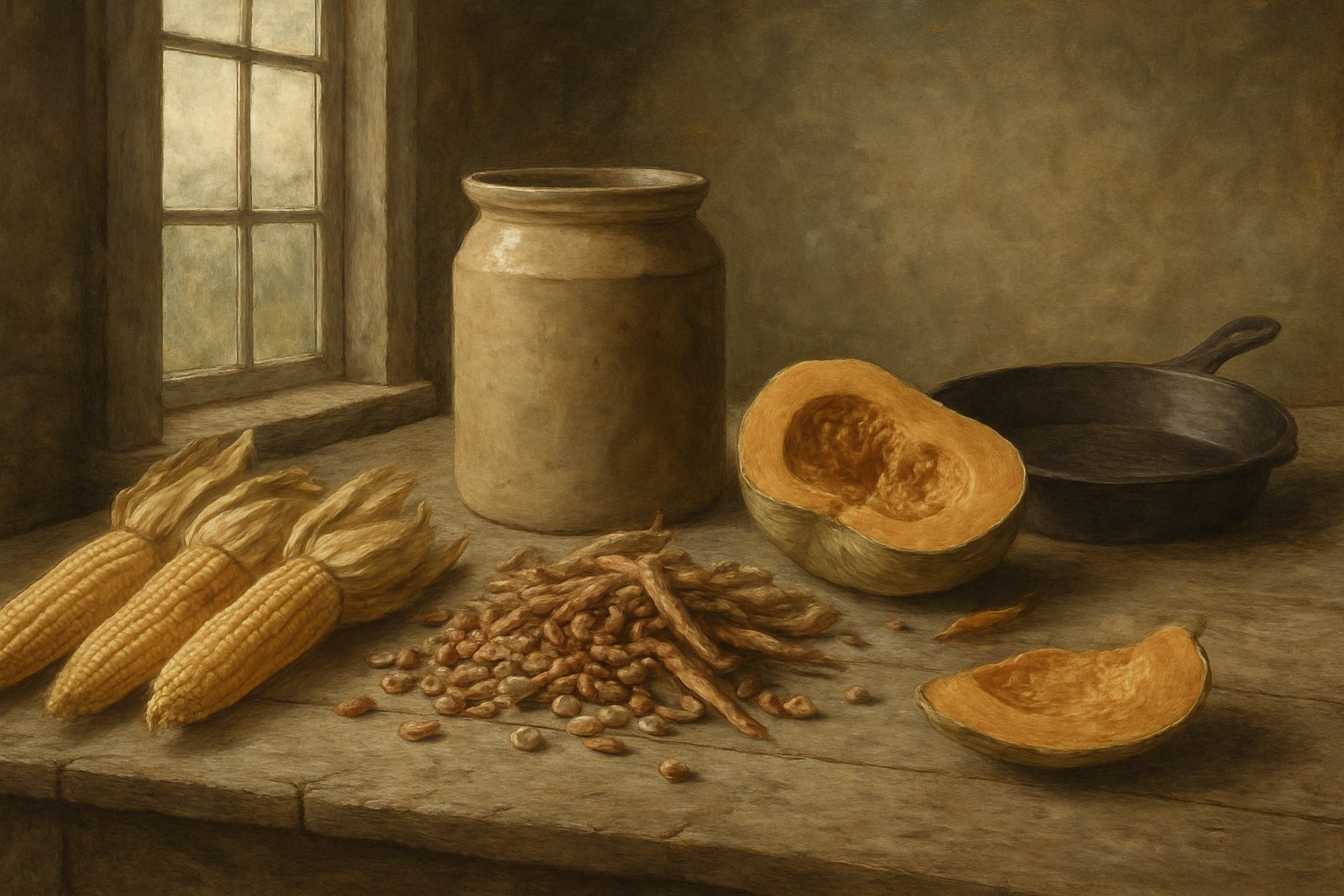
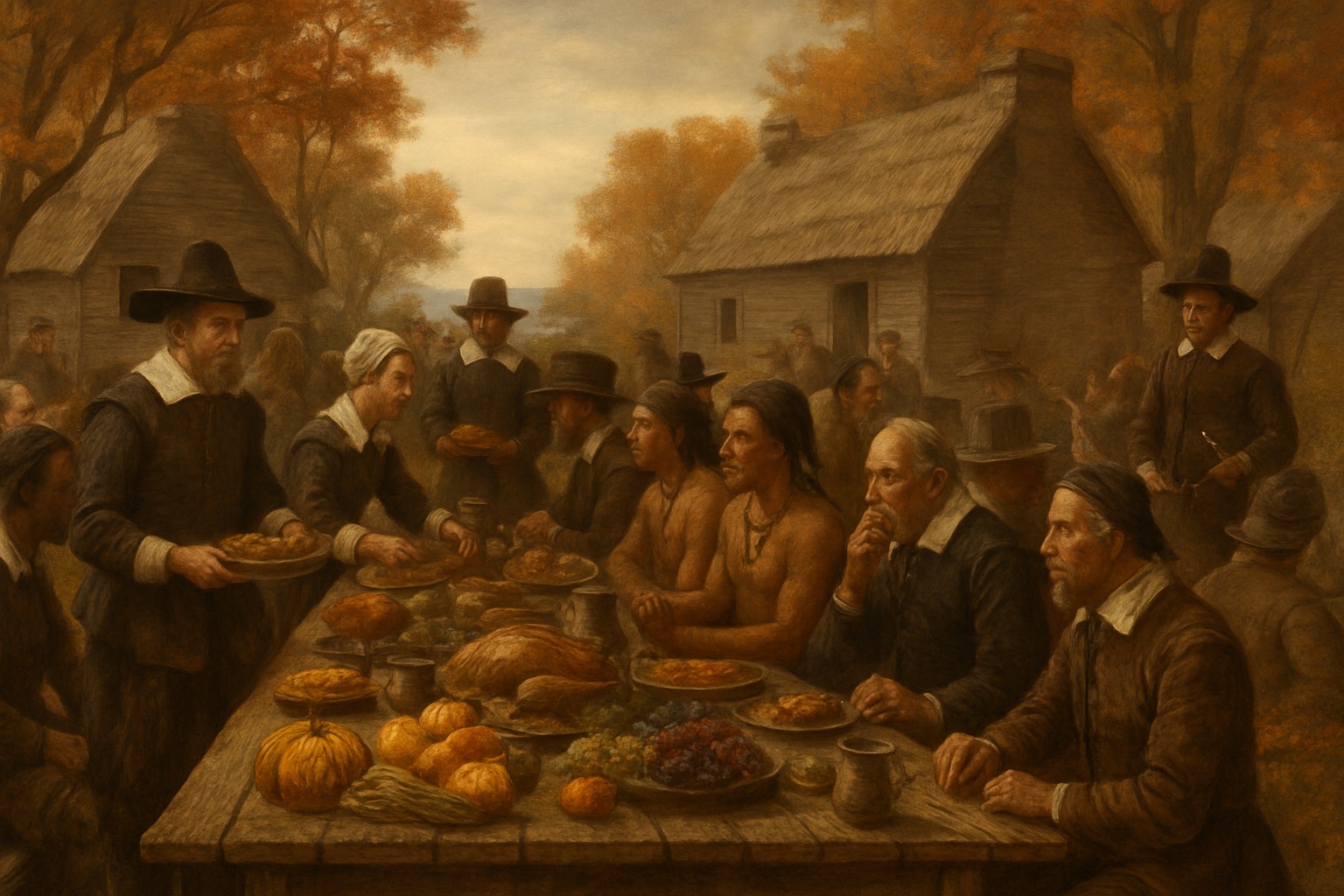
There is an old complaint that the United States has no cuisine of its own, only borrowings. The complaint mistakes what happened. Long before Europeans arrived, the peoples of North America had built agricultural systems of real sophistication — maize, beans, and squash grown together in a single mound, each plant supporting the others — supplemented by wild rice, sunflowers, pecans, cranberries, and maple sap boiled down each spring. Nearly every colonist who survived a first winter did so on Indigenous crops and Indigenous knowledge of how to grow them.
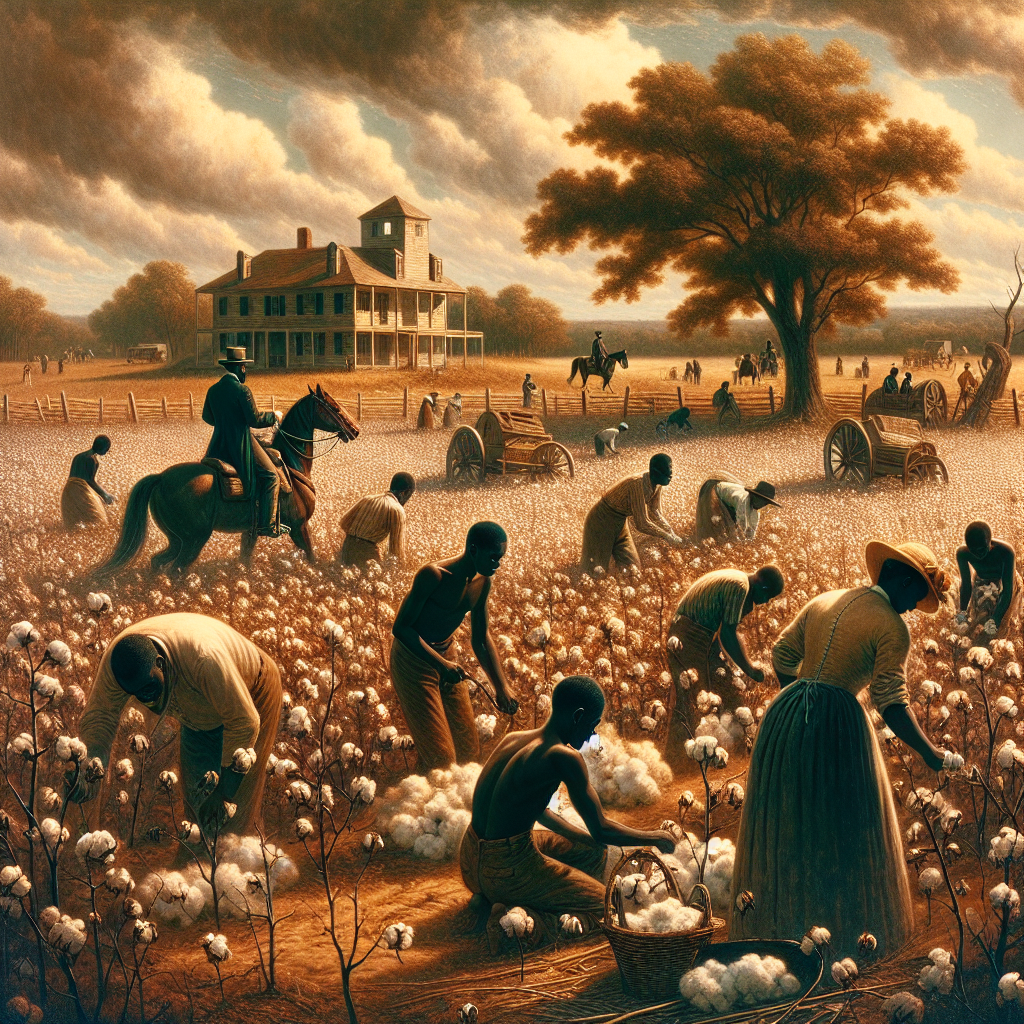
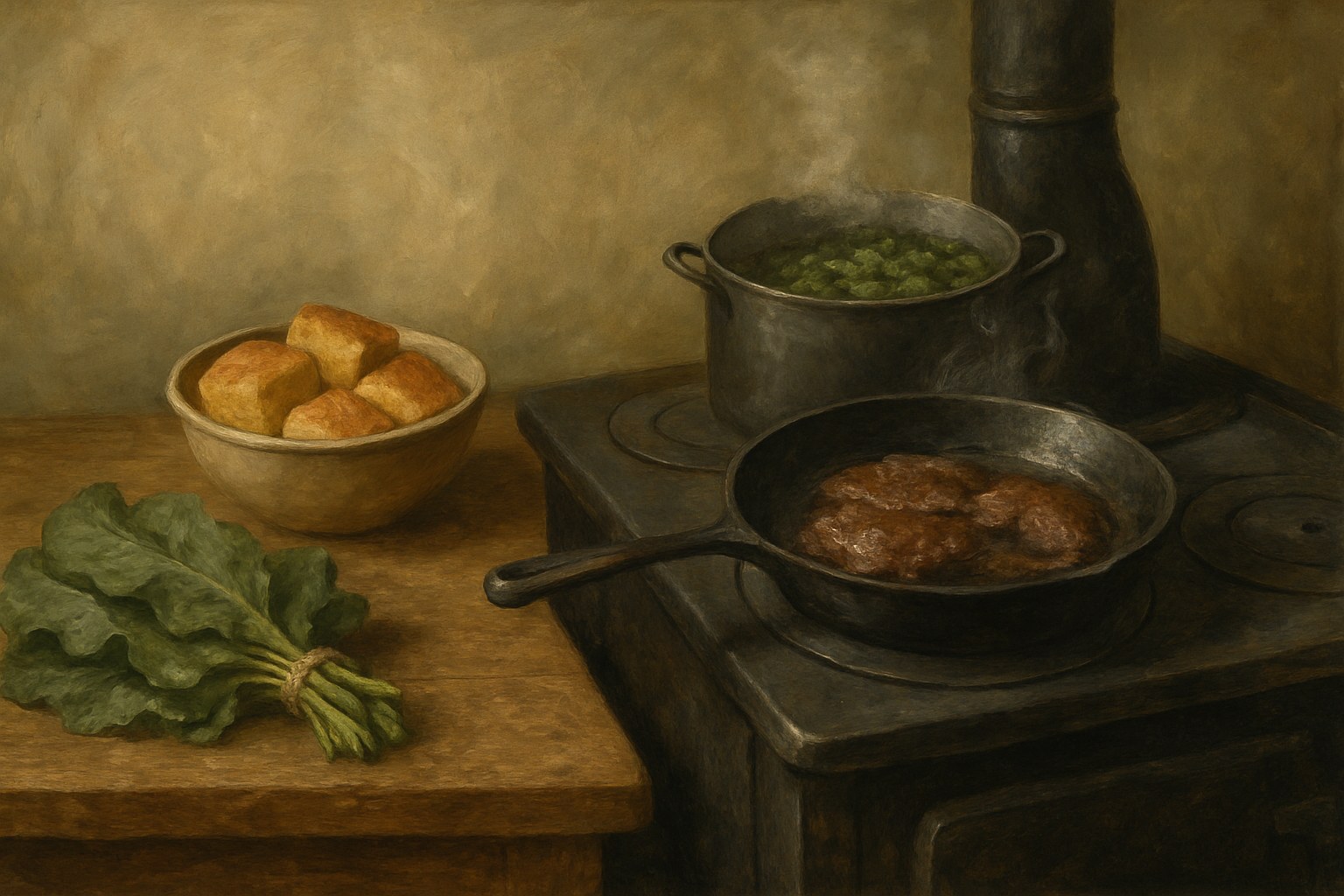
The exchange that followed 1492 ran both ways and reshaped diets on four continents. Wheat, cattle, hogs, and apples came west. Maize, potatoes, tomatoes, chiles, and beans went east and became inseparable from the cooking of Italy, Ireland, West Africa, and China. Into Southern kitchens came the crops and the cooking knowledge of enslaved Africans — rice culture from the Senegambia and the Windward Coast, okra, black-eyed peas, sorghum, watermelon, and methods of slow braising and deep frying that ran through the food of the region and eventually the whole country.
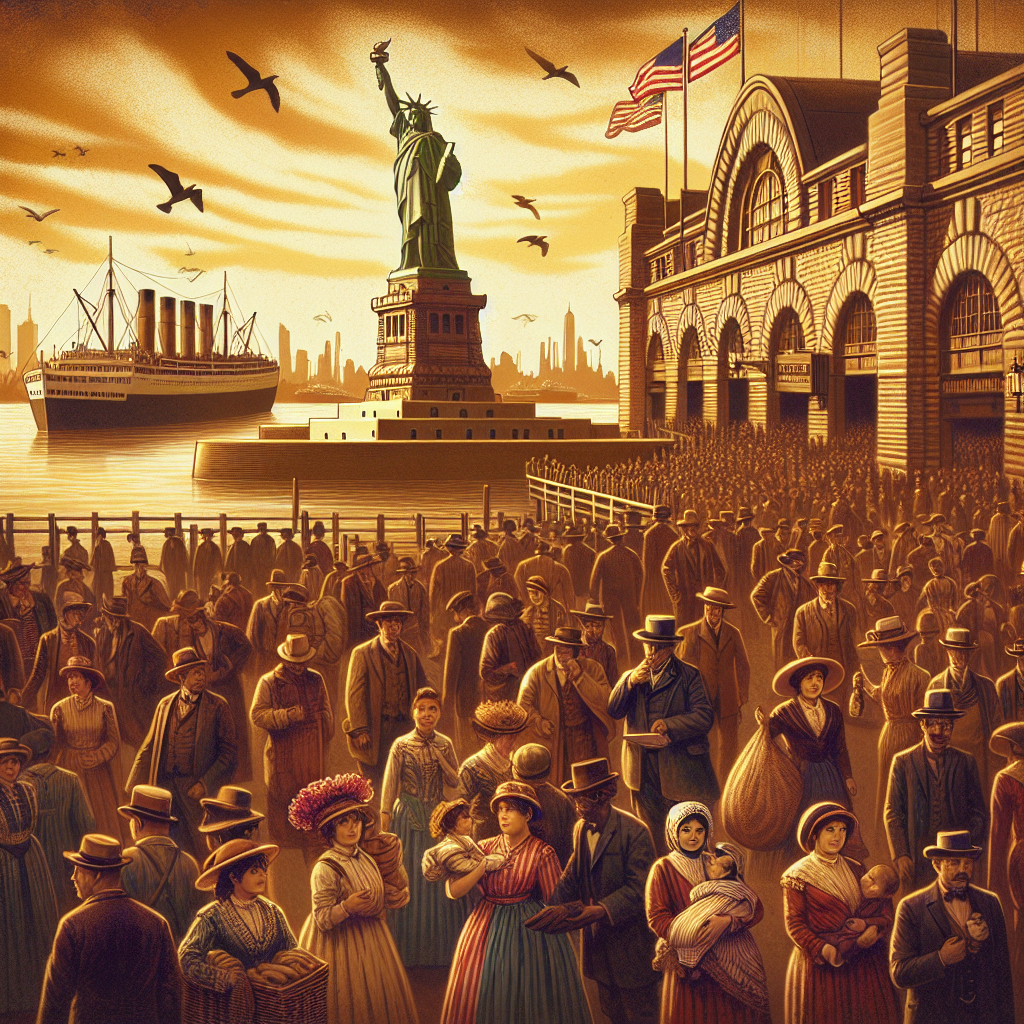
Each wave of arrivals reworked the table. Germans brought lager, sausage, and sour rye. The Irish came starving from a potato blight and helped make the potato American. Italians turned an expensive Old World holiday food into weeknight spaghetti. Chinese railroad and mining workers opened restaurants and invented dishes for American palates. Eastern European Jews built the delicatessen. Mexican cooks north of a border that had moved past them kept their own kitchens going. Adaptation was the rule everywhere — every group cooked what it could actually get.
Then came industry. Canned rations in the Civil War, refrigerated railcars carrying dressed beef out of Chicago, roller-milled white flour, national brands and the advertising that sold them, and finally the supermarket and the interstate produced something no country had had before — a genuinely continental diet, cheap and abundant and available in January. It also flattened a great deal, pushing out regional grains, local varieties, and slow methods. Much of the food argument of the last half century has been over what that trade was worth.



| Foundation | Maize, beans, and squash — the Indigenous three sisters |
| Turning point | The Columbian exchange after 1492 |
| Southern kitchens | Rice, okra, and technique carried by enslaved Africans |
| Immigrant waves | German, Irish, Italian, Chinese, Jewish, Mexican |
| Industrialized by | Canning, refrigerated railcars, and national brands |
| Note | A continental diet assembled from borrowed parts |
| Date | 1492 to today |