The Hamburger
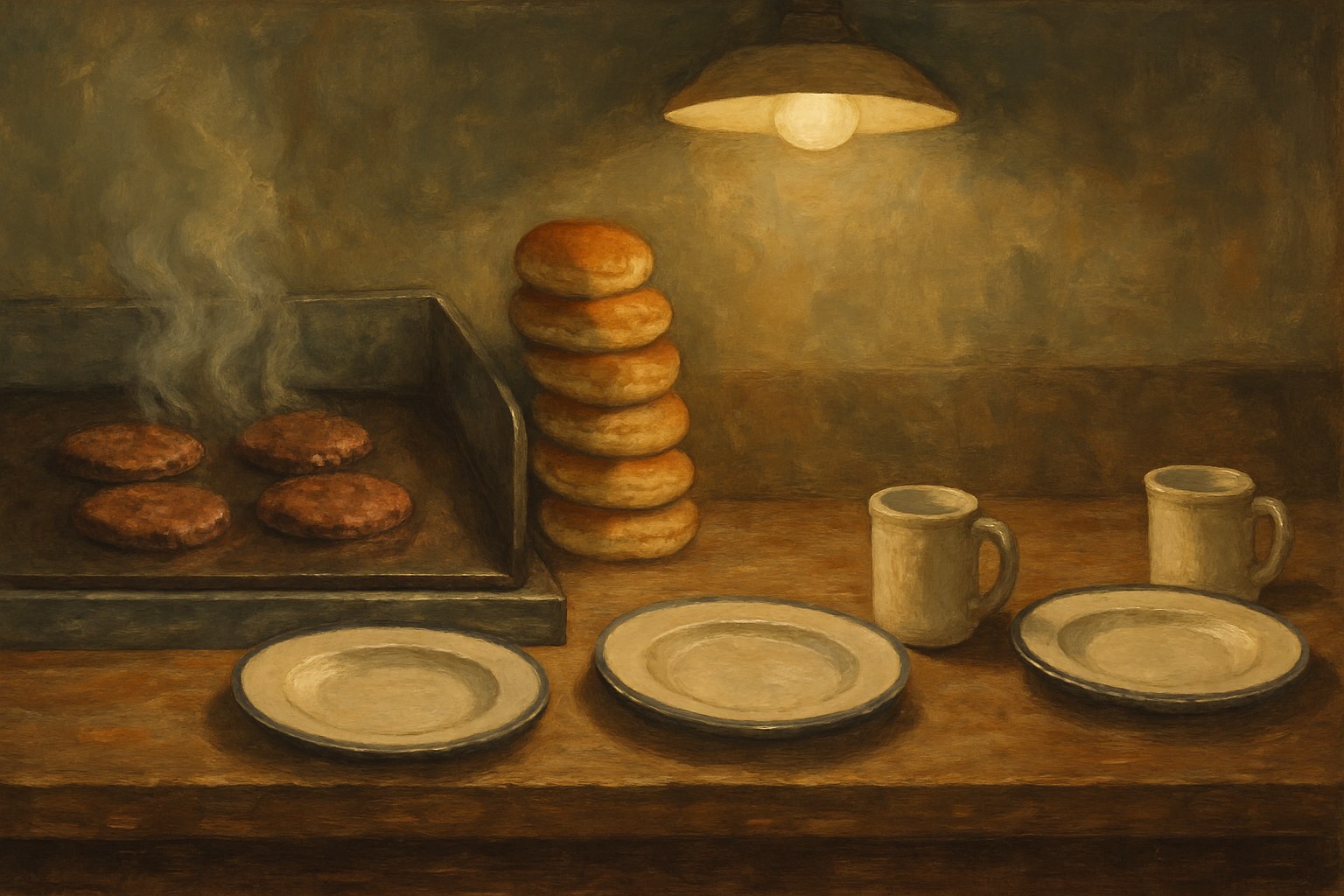
At least five towns claim the invention and none of them can prove it. Seymour, Wisconsin credits Charlie Nagreen, who is said to have flattened a meatball between bread at a county fair in 1885. Hamburg, New York credits the Menches brothers the same year. Athens, Texas credits Fletcher Davis. New Haven credits a lunch wagon in 1900. The underlying dish — chopped beef seasoned and cooked, called Hamburg steak after the German port whose emigrants brought it — was on American menus by the 1870s. Someone put it between bread, and the record does not say who.
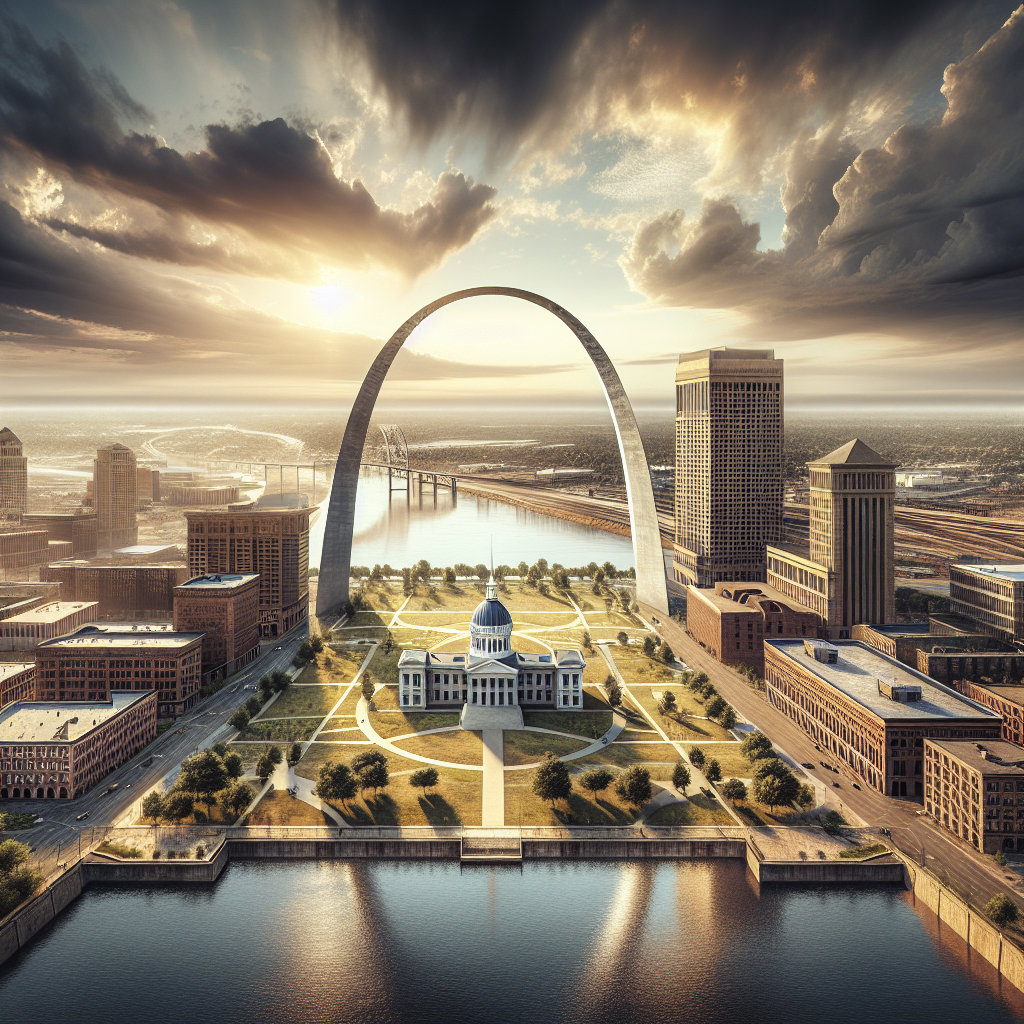
The 1904 Louisiana Purchase Exposition in St. Louis is where the sandwich went national. Fairgoers passed through by the millions, several vendors sold hamburgers, and newspaper writers described the thing at length for readers who had never met one. The same fair is credited, with the same imprecision, for the ice cream cone and for iced tea. What is clear enough is that after 1904 the hamburger turns up everywhere in American lunch counters and fair midways, priced within reach of working people.
Then it nearly died. Upton Sinclair's The Jungle appeared in 1906 with its descriptions of the Chicago killing floors, and ground beef — the form in which anything at all could be hidden — took the worst of the damage. For fifteen years the hamburger was suspect food, sold from carts to customers who preferred not to ask. White Castle, opened in Wichita in 1921, set out to rebuild the reputation on purpose, with a gleaming white building, an open griddle, meat ground where customers could watch, and a founder who reportedly ate nothing else for weeks to make the point.
From there the hamburger became the default American meal. It suited the drive-in, the assembly-line kitchen, and the home freezer equally well. It carried the postwar chains around the world and became, abroad, the most legible single symbol of American eating. It also carries the country's food arguments — feedlot cattle, land and water use, meatpacking labor, and diet — which is what happens when one dish is made to stand in for an entire cuisine.


| Ancestor | Hamburg steak, named for the German port |
| Origin claims | Seymour, Hamburg, Athens, New Haven — none proven |
| National debut | The 1904 St. Louis world's fair |
| Setback | The Jungle, 1906, and public distrust of ground beef |
| Rehabilitated by | White Castle, from 1921 |
| Date | 1885 to today |