McDonald's
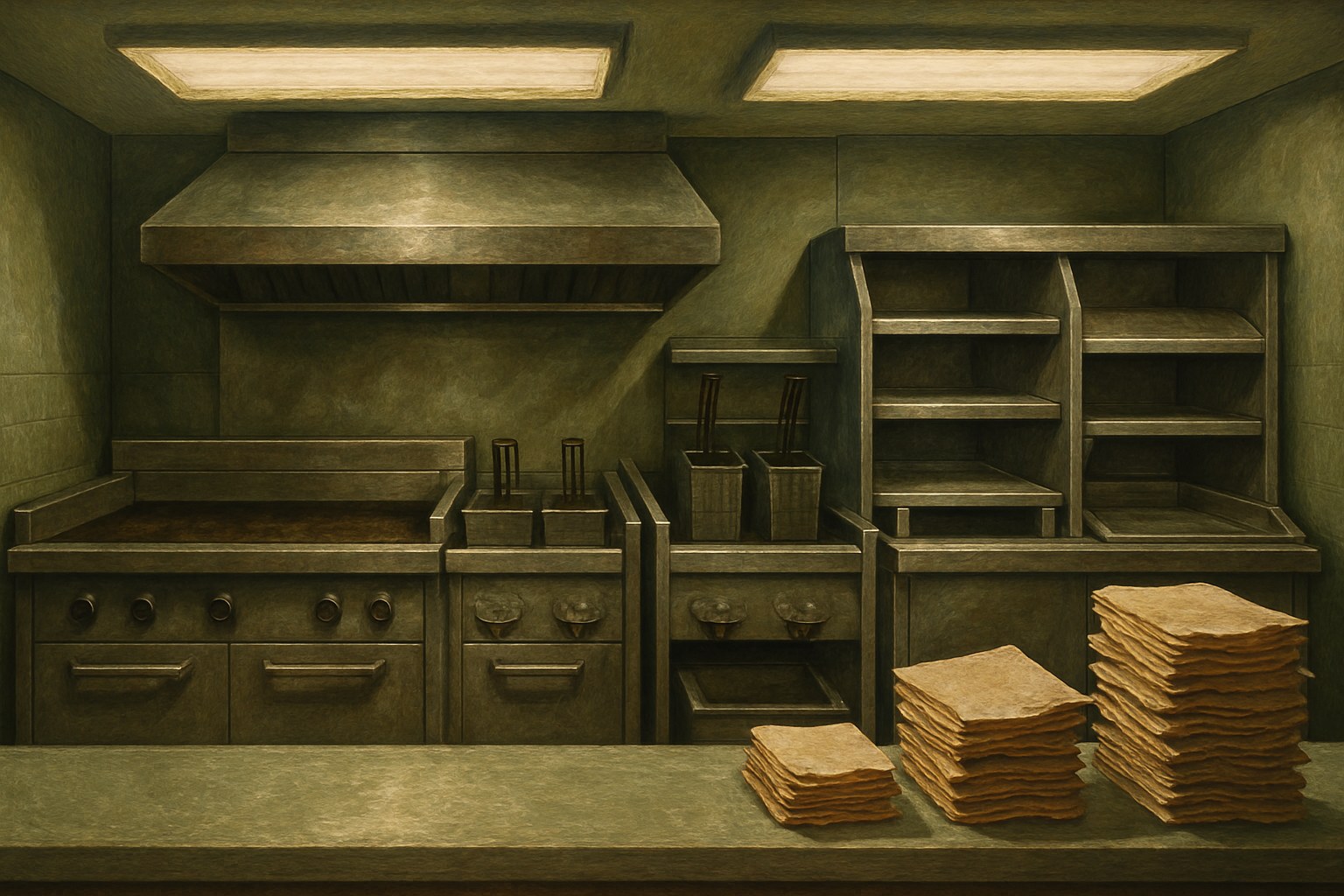
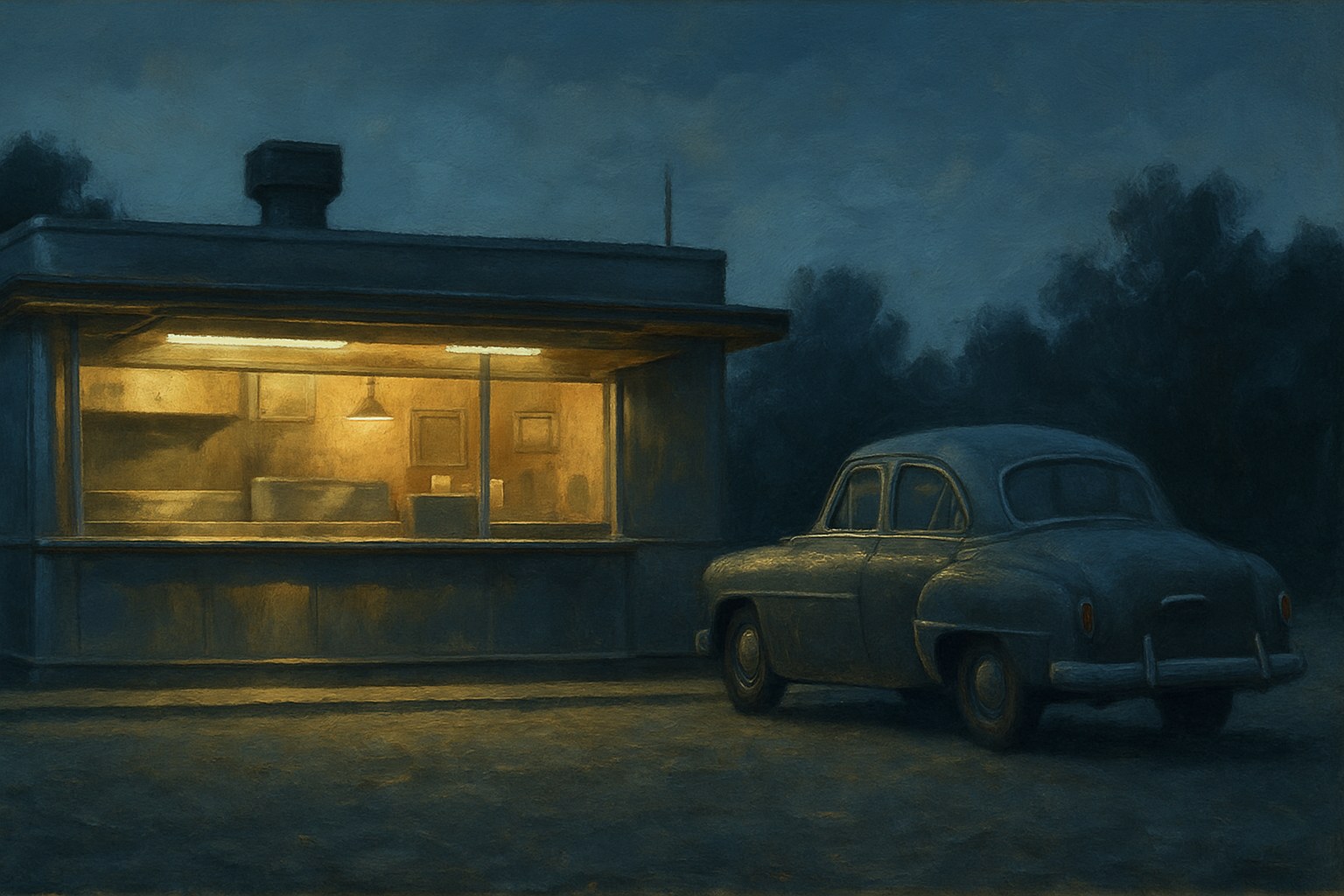
Richard and Maurice McDonald ran a profitable drive-in in San Bernardino, California, and in 1948 they closed it, let the carhops go, and reopened with something stranger. The menu dropped from twenty-five items to nine. Plates and glassware gave way to paper. The kitchen was rebuilt as a production line, its layout chalked full size on a tennis court and walked through by the staff until every movement was right, with each worker assigned a single task. They called it the Speedee Service System. A fifteen-cent hamburger arrived in seconds.
Ray Kroc, a fifty-two-year-old salesman of milkshake mixers, came out to see why one stand needed eight machines. In 1955 he opened a franchise in Des Plaines, Illinois, and in 1961 he bought the brothers out for two point seven million dollars. They kept their original restaurant but lost the right to their own name, and a McDonald's opened down the street put them out of business. A continuing royalty the brothers said had been agreed on a handshake was never paid.
The company's finance chief, Harry Sonneborn, supplied the model that made it enormous. McDonald's would buy or lease the land, then sublease it to the franchisee at a markup layered on top of the royalty. Kroc later said plainly that the corporation was in the real-estate business and that the hamburgers were what generated the rent. Rigid operating standards — the same patty weight, the same fry cut, the same building — turned sameness itself into the product. The drive-thru and the Happy Meal extended the reach further, and the company now operates in more than a hundred countries.
No American company is argued over more directly as a stand-in for the country. Critics assign it responsibility for feedlot beef and monoculture potatoes, for a global shift toward calorie-dense food, and for a low-wage service economy in which its own employees became the public face of the campaign for a fifteen-dollar minimum wage. Supporters count reliable cheap food, franchise ownership as a route into business for immigrant families, and a first job for millions. Economists even use the price of a Big Mac as a rough index of currency values.

| Founded | 1940, San Bernardino, California |
| Reinvented | 1948, the Speedee Service System |
| Franchised by | Ray Kroc, from 1955 |
| Buyout | The brothers sold out for $2.7 million in 1961 |
| Real business | Land and leases, the Harry Sonneborn model |
| Reach | More than 100 countries |
| Date | Founded 1940 |
| Location | San Bernardino, California |