Pumpkin Pie
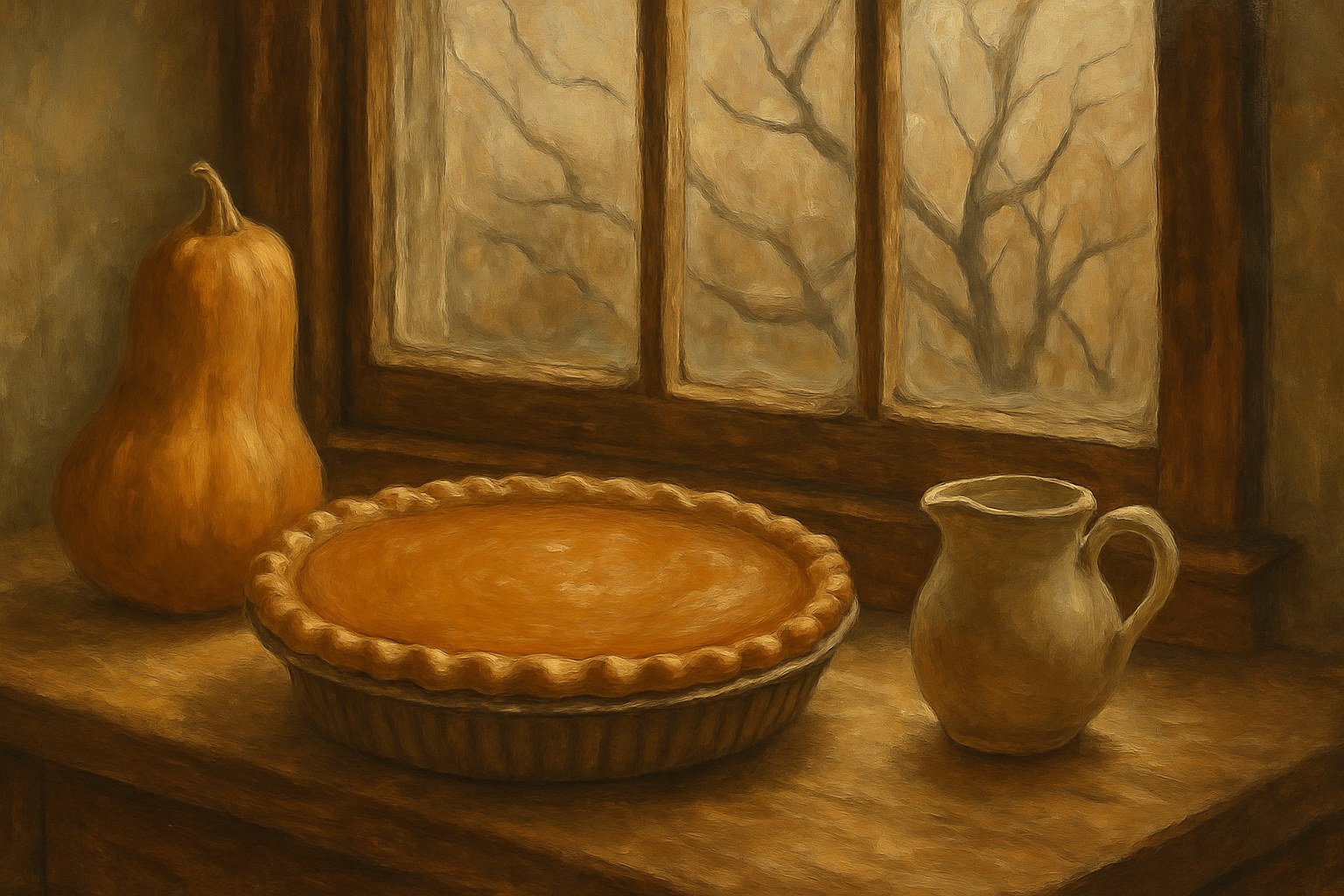
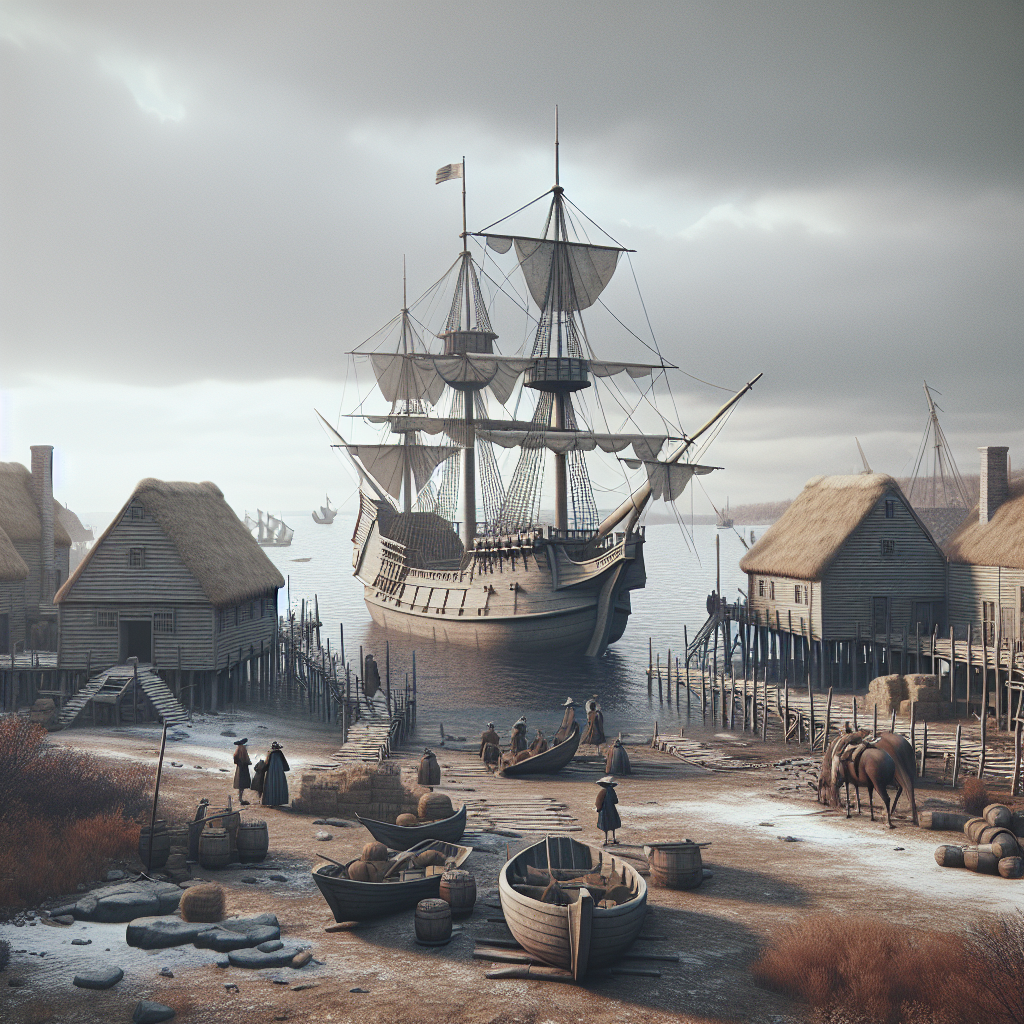
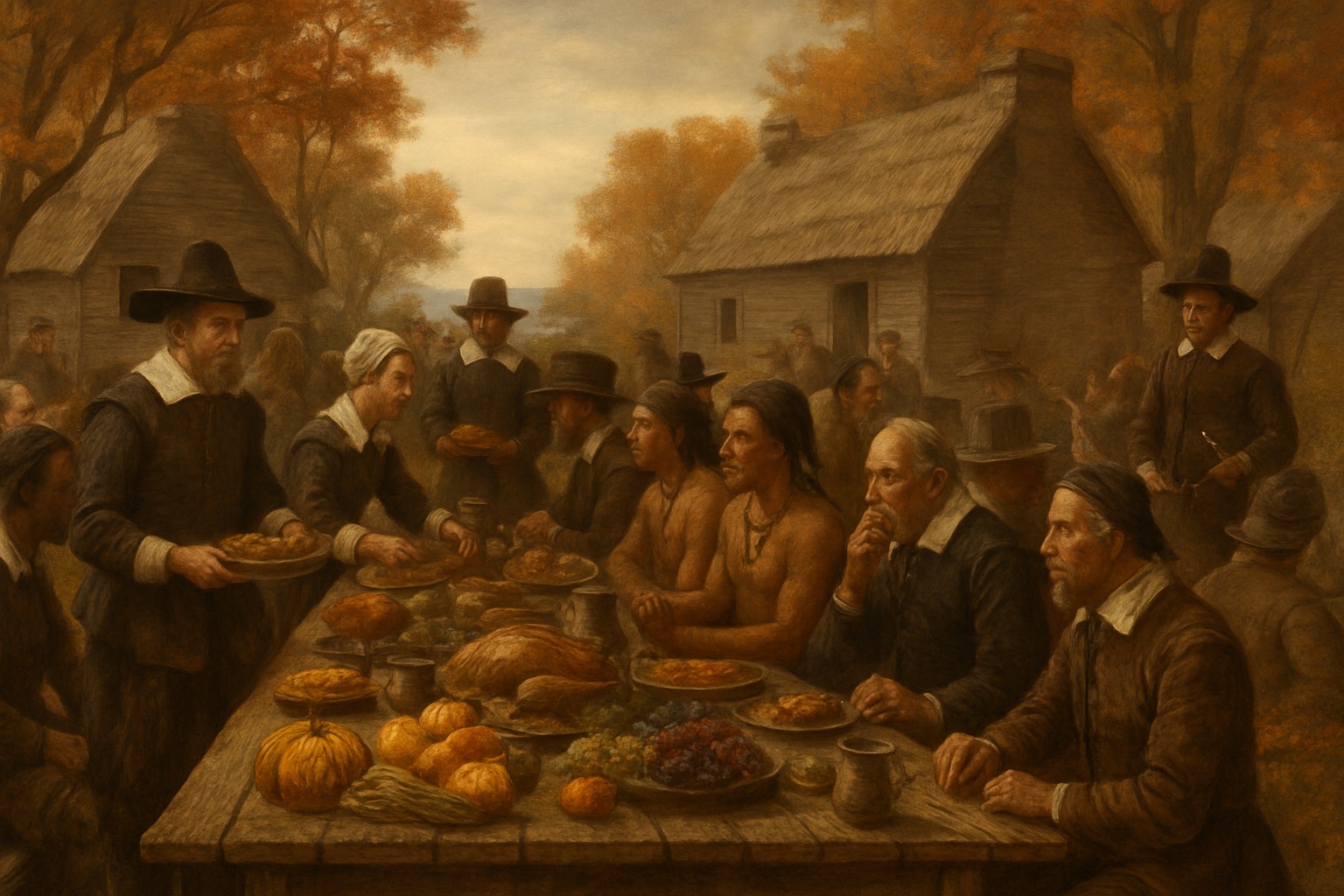
The dish most firmly attached to the American Thanksgiving almost certainly did not appear at the 1621 harvest feast in Plymouth. The colonists had no wheat flour to speak of, no butter for pastry, and no oven — a pie requires an enclosed hearth oven that nobody in that settlement owned. Squash they certainly had. Cucurbita pepo had been cultivated across the Americas for thousands of years, and what the English called the pompion was among the most dependable foods a colonist could put in the ground.
Early colonial cooking treated the pompion as a vegetable and as a vessel. One common preparation, recorded in verse in the 1630s, hollowed out the gourd, filled it with milk, spices, and honey or molasses, and set it in the coals until the flesh cooked into a custard inside its own shell. The English pie tradition arrived alongside it, and by the eighteenth century New England cooks were straining the flesh, sweetening it, and baking it in a crust. Amelia Simmons printed two versions in her 1796 cookbook.
The pie became a Thanksgiving fixture largely through argument. Sarah Josepha Hale, editor of Godey's Lady's Book, spent thirty-six years pressing governors and presidents to make Thanksgiving a national holiday, and her novels and editorials described in loving detail the New England table it ought to carry — the roast turkey, the pies, the pumpkin pie above all. When Abraham Lincoln proclaimed a national Thanksgiving in 1863, the menu Hale had been publishing came with it, and much of the South received the whole package as a Yankee imposition.
The last step was industrial. Canned pumpkin appeared in the nineteenth century, and in 1929 Libby's introduced a tan-skinned squash bred for smooth flesh and consistent color that standardized the filling across the country. The label carried a recipe. Millions of households adopted it and kept it, so that the American pumpkin pie became one of the rare dishes where most cooks in most kitchens are making, within very small variations, precisely the same thing.

| Origin | Cucurbita pepo, cultivated in the Americas for millennia |
| Colonial form | The pompion baked in its own hollowed shell |
| First American recipes | Amelia Simmons, 1796 |
| Made a holiday fixture by | Sarah Josepha Hale's thirty-six-year campaign |
| Standardized | Libby's canned pumpkin, 1929 |
| Myth corrected | No pie at the 1621 feast — no wheat flour and no oven |
| Date | 1621 to today |