Tex-Mex
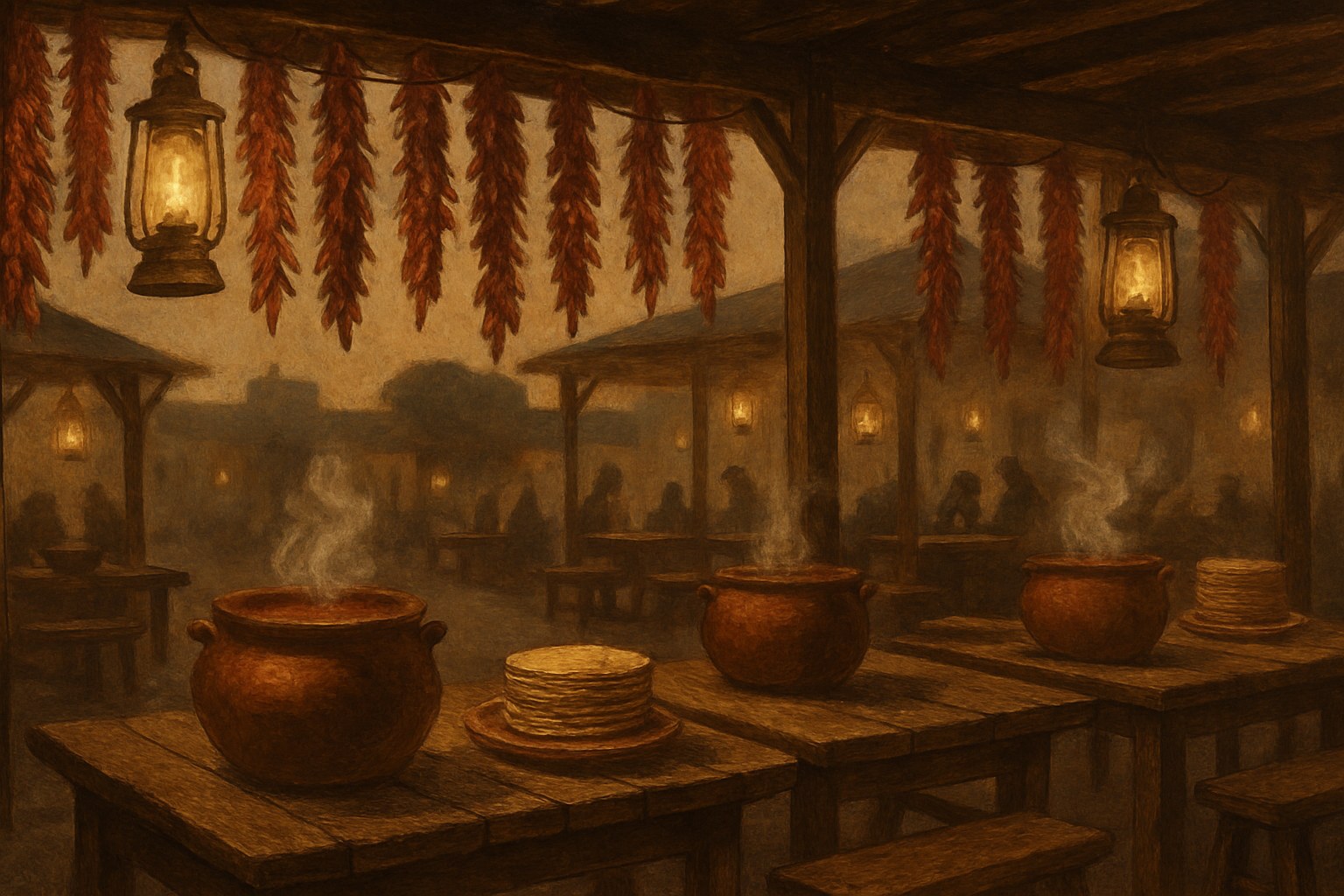
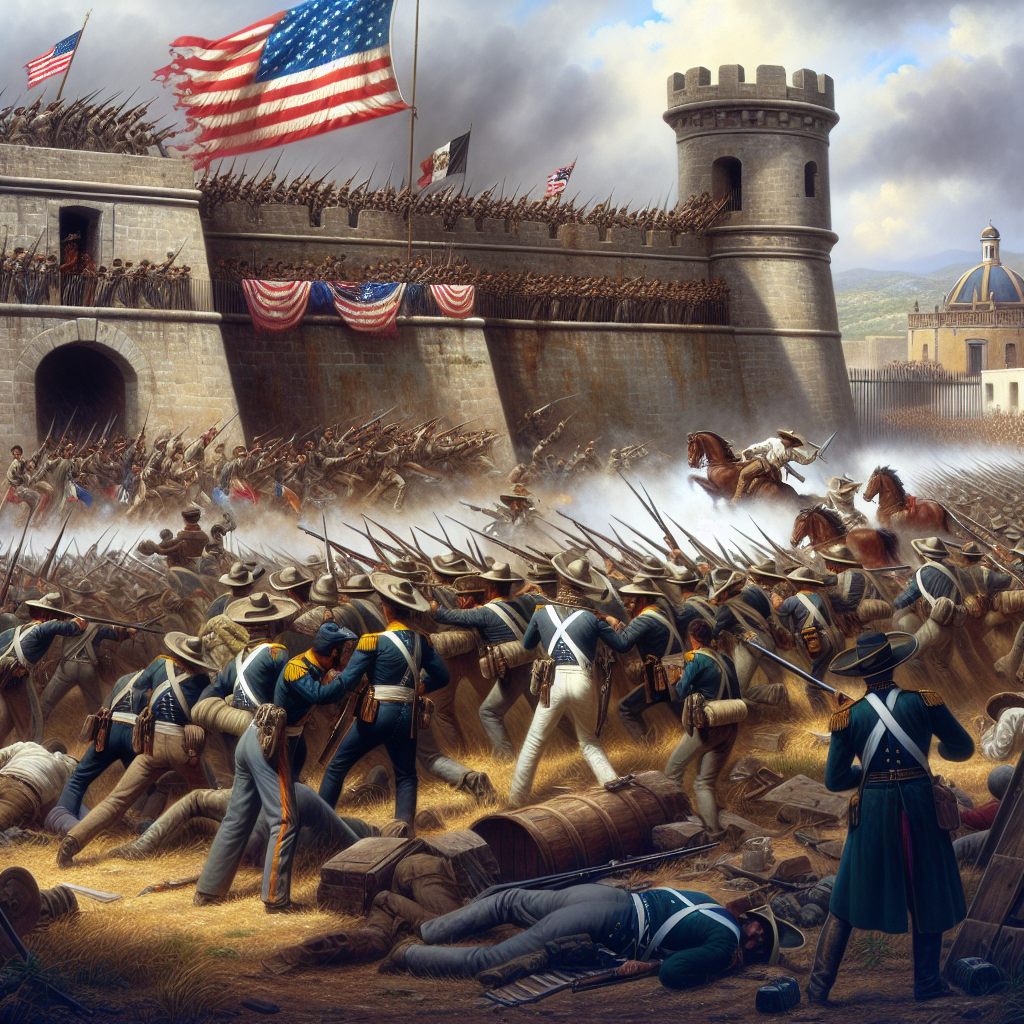
The border crossed the food before the food ever crossed the border. Spanish and Mexican settlers had been ranching and farming in what is now South Texas since the eighteenth century, and the Tejano families who lived there kept cooking as they always had after the Texas Revolution of 1836 and the war that ended in 1848 pushed the line down to the Rio Grande. Their kitchens joined the corn and chiles of Mexico to the cattle of the Spanish ranching frontier, and increasingly to wheat flour, beef, and cheese in quantities the Mexican interior did not have.
The public face of that cooking was San Antonio's Military Plaza, where from the 1860s Tejana vendors known to Anglo visitors as the chili queens set out tables at dusk, hung lanterns, and sold bowls of chili con carne, tamales, and enchiladas to soldiers, cowboys, and tourists. Chili traveled from those tables to the 1893 world's fair in Chicago and then across the country in brick and powdered form. The city closed the stands in the 1930s on sanitary grounds, and an early public showcase of the cuisine vanished.
What most Americans came to know as Mexican food was assembled in Texas restaurants in the first half of the twentieth century. The combination plate — two enchiladas under chili gravy and melted yellow cheese, a crisp taco, refried beans, rice, all delivered on one hot platter — was a restaurant invention, efficient to plate and reassuring to order. Fajitas came later, out of the skirt steak that ranch hands were paid in rather than paid for. The flour tortilla, the crisp taco shell, and chile con queso are all northern developments.
For decades Tex-Mex was treated as a debased imitation, a charge that came from food writers on both sides of the border, and the word itself was an insult before it was a label. That has largely reversed. Historians now read Tex-Mex as what it is — a genuine regional cuisine produced by a specific population in a specific place, older than the border it straddles, and one of the few American food traditions whose originating cooks can be named at all.


| Origin | Tejano kitchens of South Texas, predating the 1848 border |
| Chili queens | San Antonio's Military Plaza stands, 1860s-1930s |
| Signature | The combination plate, a Texas restaurant invention |
| Northern developments | Flour tortillas, crisp taco shells, chile con queso |
| Reputation | Long dismissed, now studied as a distinct regional cuisine |
| Date | 1848 to today |
| Location | San Antonio, Texas |