The Pure Food and Drug Act
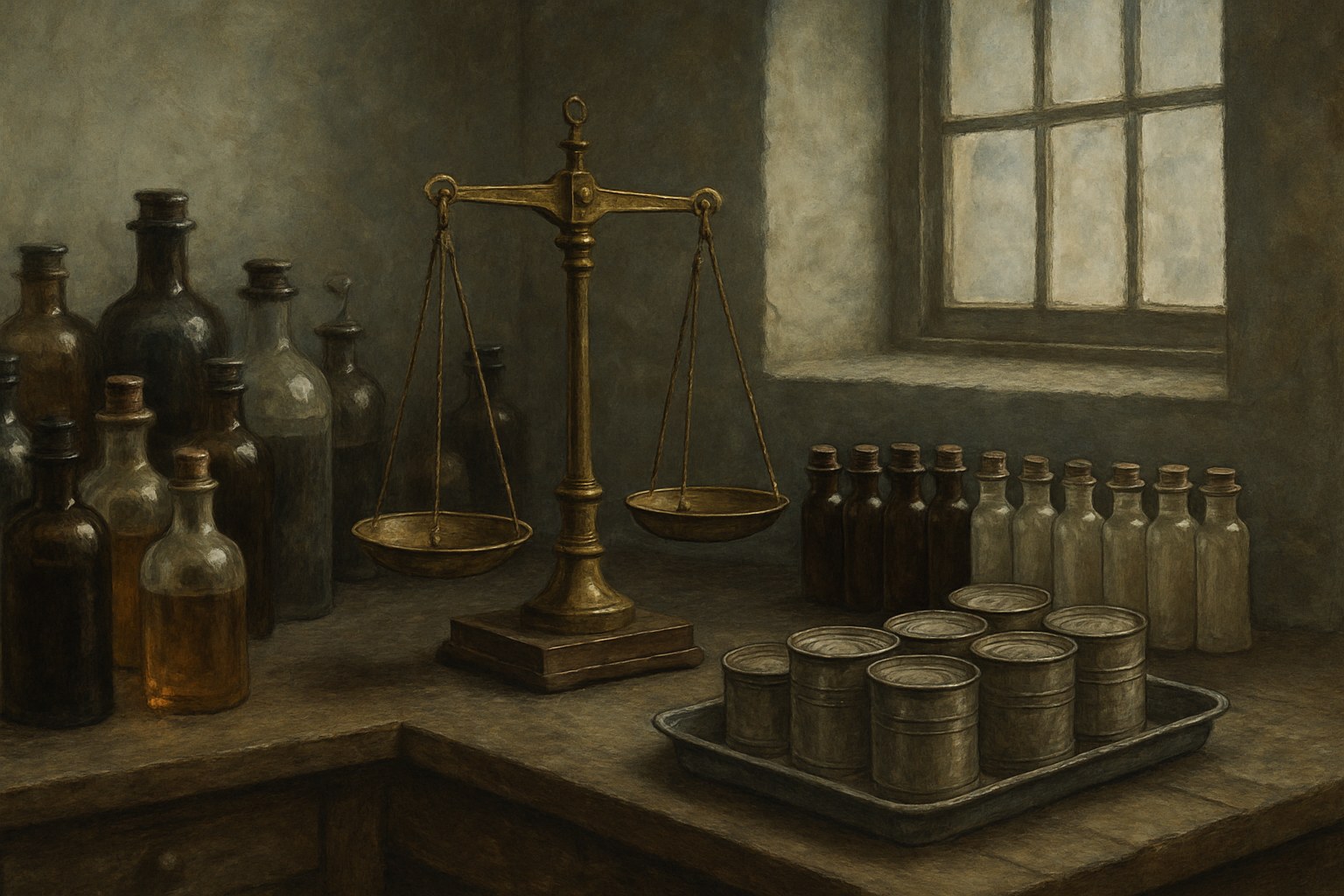
Before 1906 a manufacturer could put very nearly anything in a bottle and sell it. Milk was thinned with water, whitened with chalk, and dosed with formaldehyde to keep it from souring. Candy was colored with lead chromate and copper salts. Coffee was cut with chicory and roasted peas. Soothing syrups advertised for teething infants contained morphine or opium and declared nothing on the label. No federal law required a package to tell the truth about its contents, and roughly a hundred bills to create one had already died in Congress.
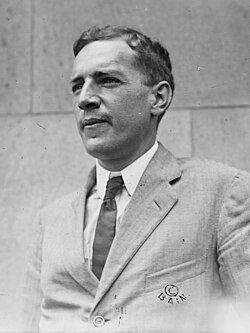
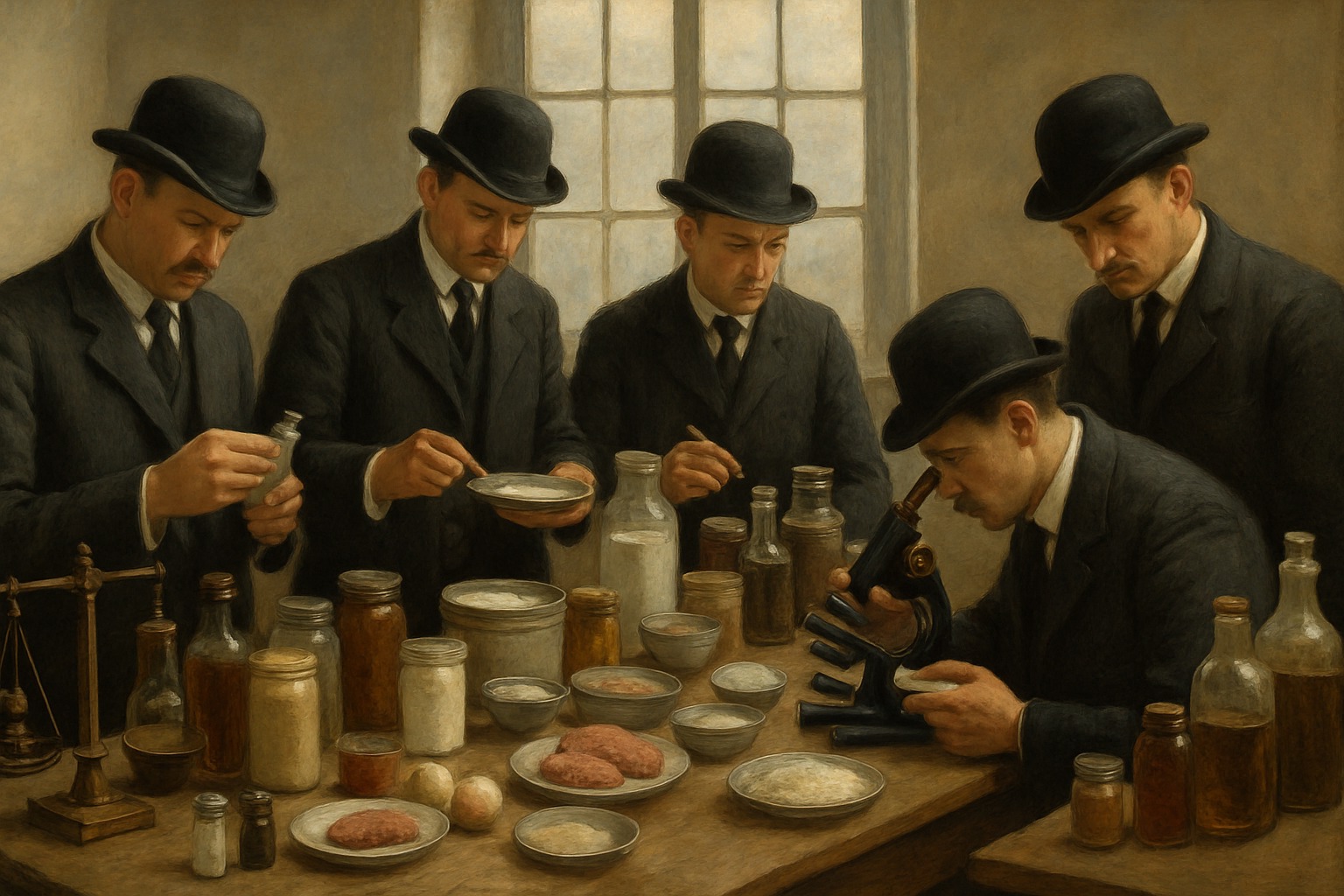
Harvey Washington Wiley, chief chemist of the Department of Agriculture, spent two decades on the problem. Beginning in 1902 he fed measured doses of common preservatives — borax, salicylic acid, formaldehyde, sulfites, benzoates — to a rotating group of young department volunteers who took all their meals under observation while he recorded what the chemicals did to them. The newspapers named them the Poison Squad. The science was crude by later standards and the ethics would not survive a modern review board, but the press carried the story for years and the public followed it.
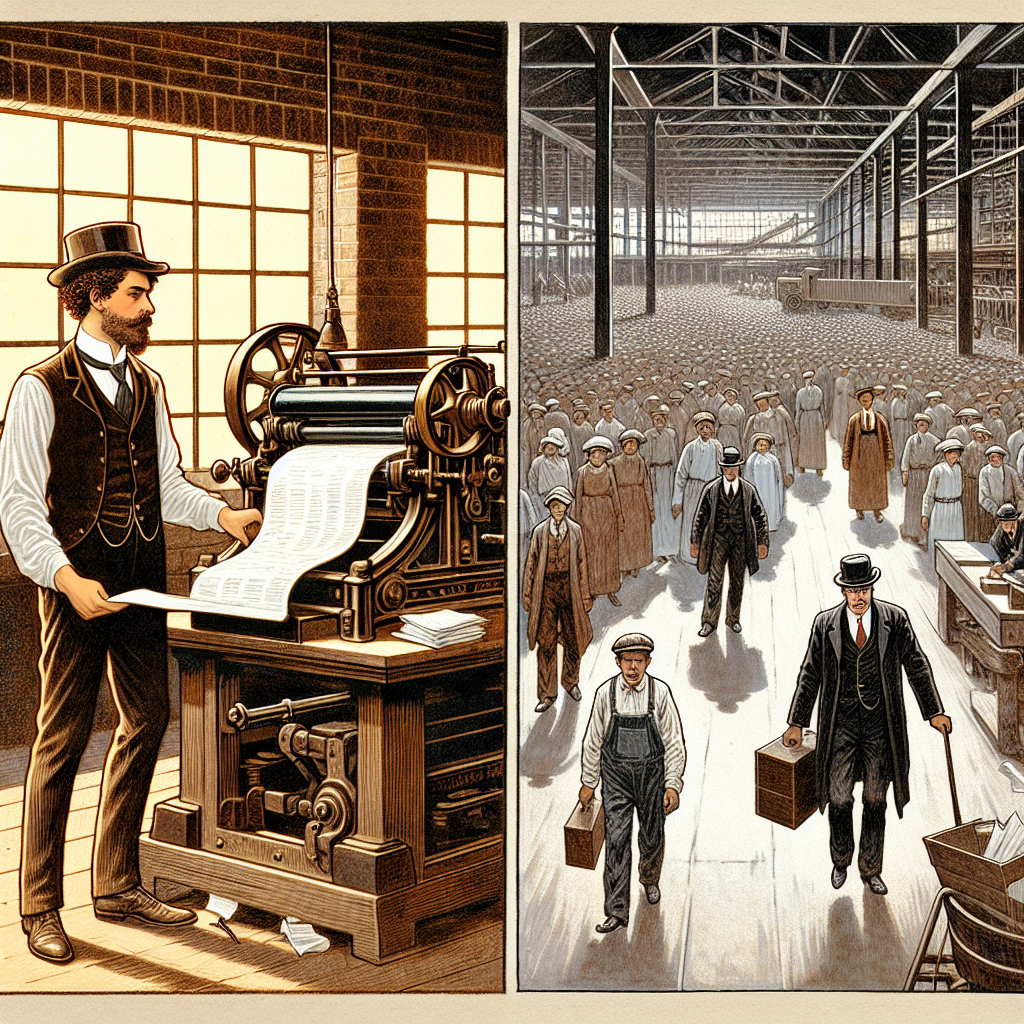
The bill needed a shock, and Upton Sinclair supplied one. The Jungle, published in February 1906, was written to indict industrial capitalism through the life of a Lithuanian immigrant family in the Chicago stockyards, and readers fastened instead on its descriptions of the killing floor. Sinclair said he had aimed at the public's heart and hit its stomach. Theodore Roosevelt sent his own investigators, who confirmed enough of it, and on June 30, 1906, he signed both the Pure Food and Drug Act and the Meat Inspection Act.
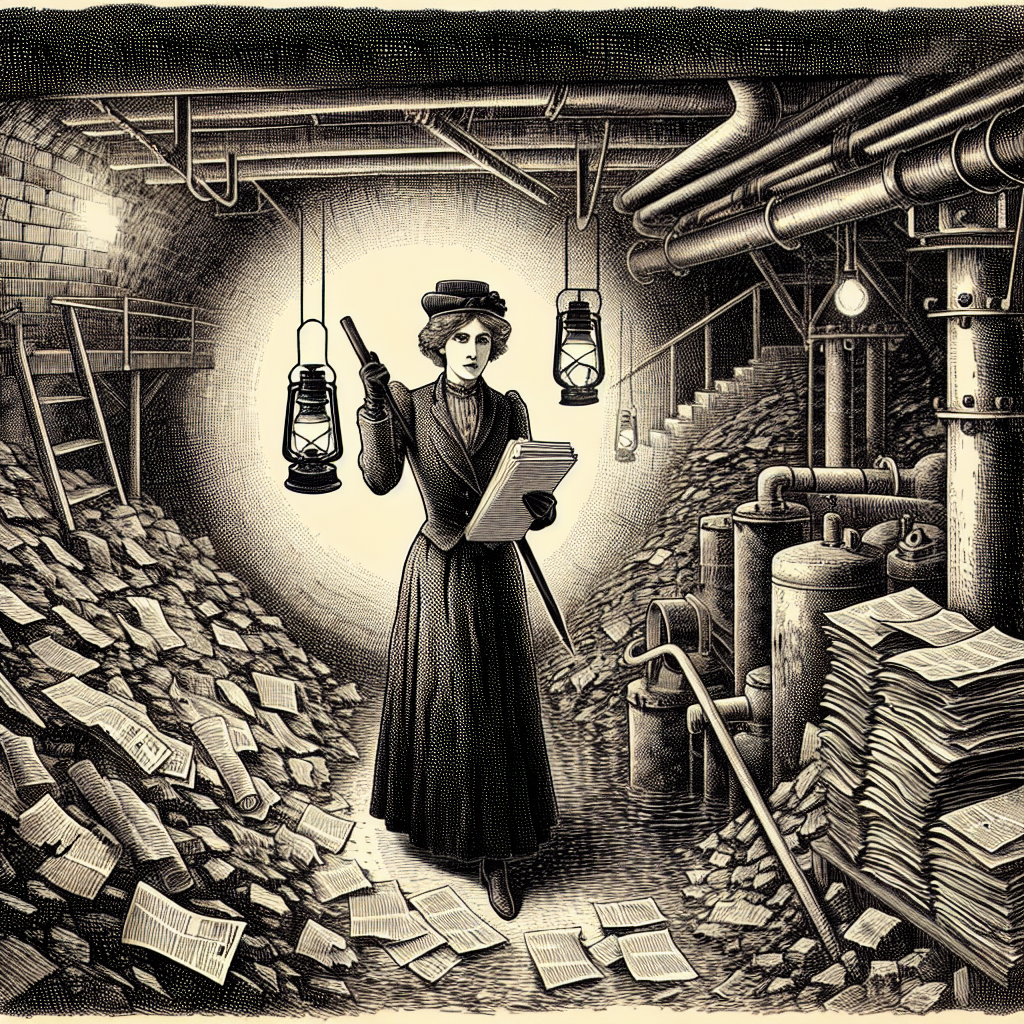
The act barred adulterated or misbranded food and drugs from interstate commerce and required that eleven dangerous ingredients, among them alcohol, morphine, opium, and cocaine, be declared on the label. Enforcement fell to Wiley's bureau, which grew into the Food and Drug Administration by 1930. The 1906 law was narrow, proved hard to enforce, and was replaced by a far stronger statute in 1938 after a sulfanilamide elixir killed more than a hundred people. What it established is the principle everything since has rested on — that the seller, not the buyer, carries the burden of proof.
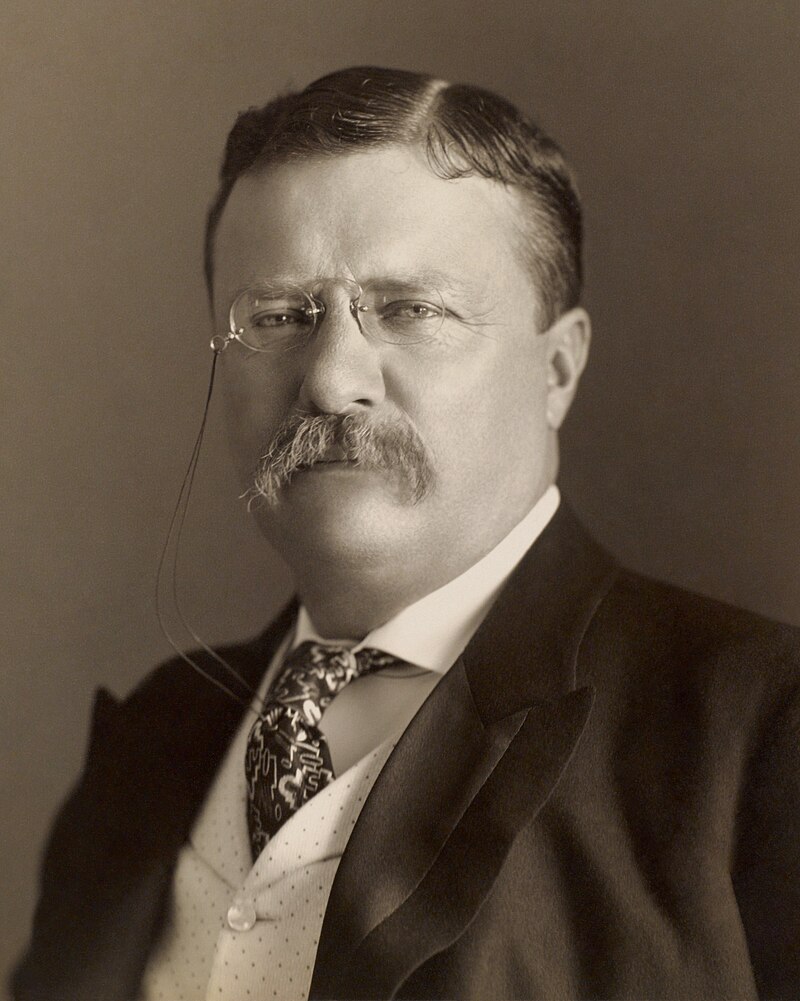

| Signed | June 30, 1906, by Theodore Roosevelt |
| Companion law | The Meat Inspection Act, the same day |
| Champion | Harvey Washington Wiley and the Poison Squad |
| Catalyst | Upton Sinclair's The Jungle, February 1906 |
| Required | Labeling of eleven dangerous ingredients |
| Successor | The Food and Drug Administration, and the 1938 act |
| Date | June 30, 1906 |
| Location | Washington, D.C. |