Coca-Cola
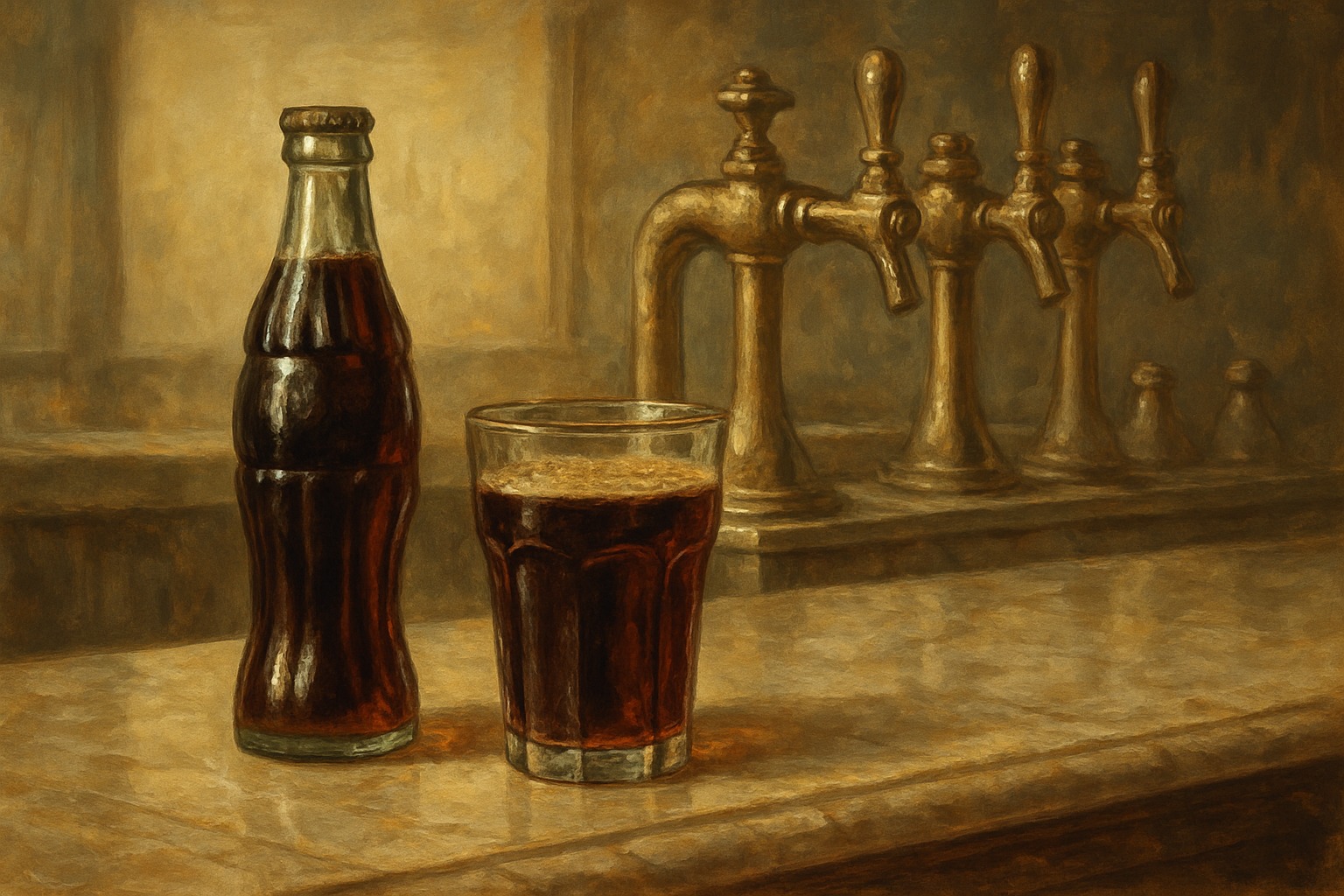
Coca-Cola was invented in 1886 by John Pemberton, an Atlanta pharmacist mixing a patent medicine in a brass kettle. The tonic he concocted, sweet and caffeinated, sold at the soda fountain as a refreshment rather than a cure, and its real fortune was made not by its inventor but by the businessman Asa Candler, who bought the formula and grasped that the product to sell was not the syrup but the brand.
Coca-Cola became a monument to the power of marketing. The company standardized its distinctive contour bottle so the drink could be recognized in the dark, blanketed the country in advertising, and wove itself into American ritual — even helping fix the modern red-suited image of Santa Claus in its holiday ads. It sold not just a beverage but a feeling, promising with slogans like the pause that refreshes a small daily moment of American comfort.
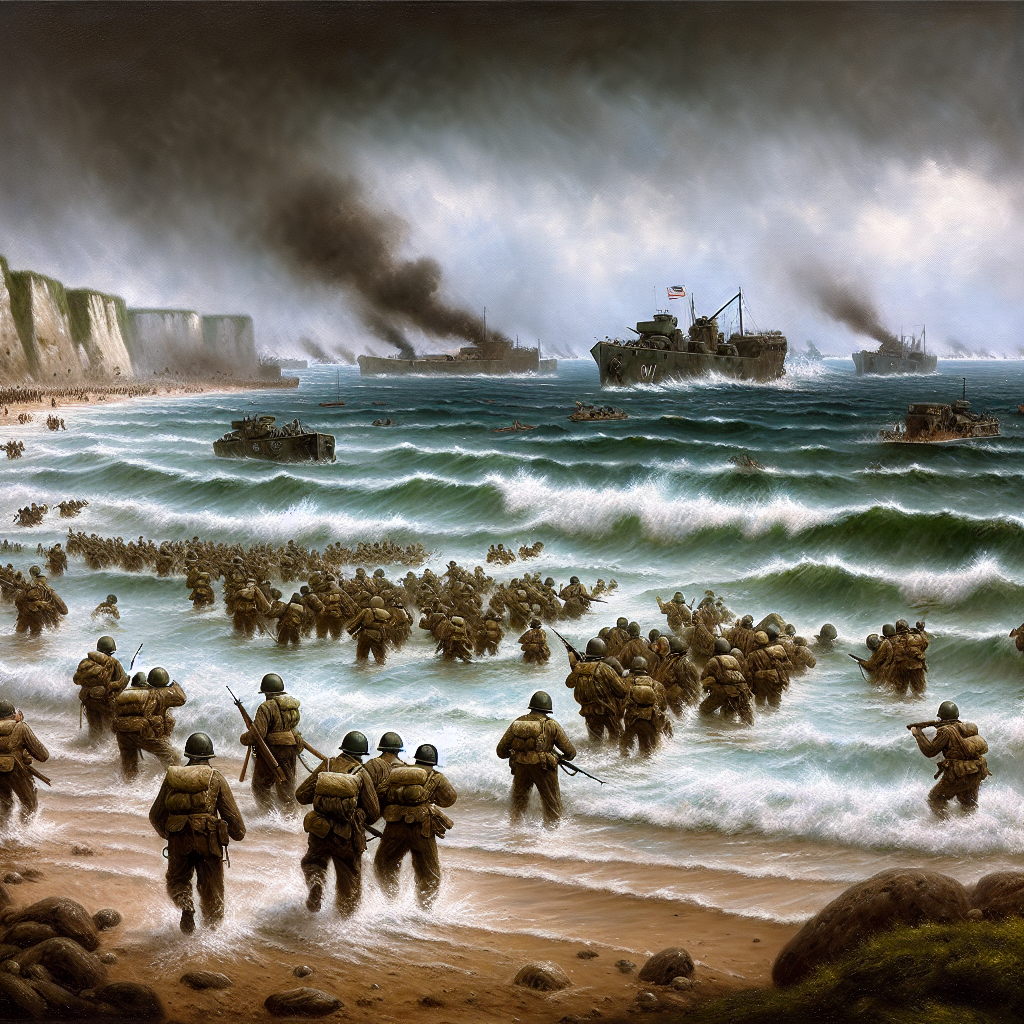
The Second World War carried Coke around the globe. The company pledged to put a bottle in the hand of every American serviceman for a nickel wherever he was, building bottling plants in the wake of the advancing troops, and in doing so it planted its brand on every continent. Coca-Cola came to stand, for admirers and critics alike, as a symbol of American culture and consumer capitalism itself.
Its ubiquity made it a target as well as an icon. Rivalry with Pepsi defined a century of marketing, and the very phrase Coca-colonization came to describe the worldwide spread of American commercial culture. From a pharmacist's kettle to a global emblem, Coca-Cola's history is the story of branding, mass marketing, and the export of the American way of life.


| Founded | 1886, Atlanta |
| Inventor | John Pemberton |
| Brand builder | Asa Candler |
| Signature | The contour bottle and global marketing |
| WWII | Followed U.S. troops worldwide |
| Note | Global symbol of American consumer culture |
| Date | Founded 1886 |
| Location | Atlanta, Georgia |