Route 66
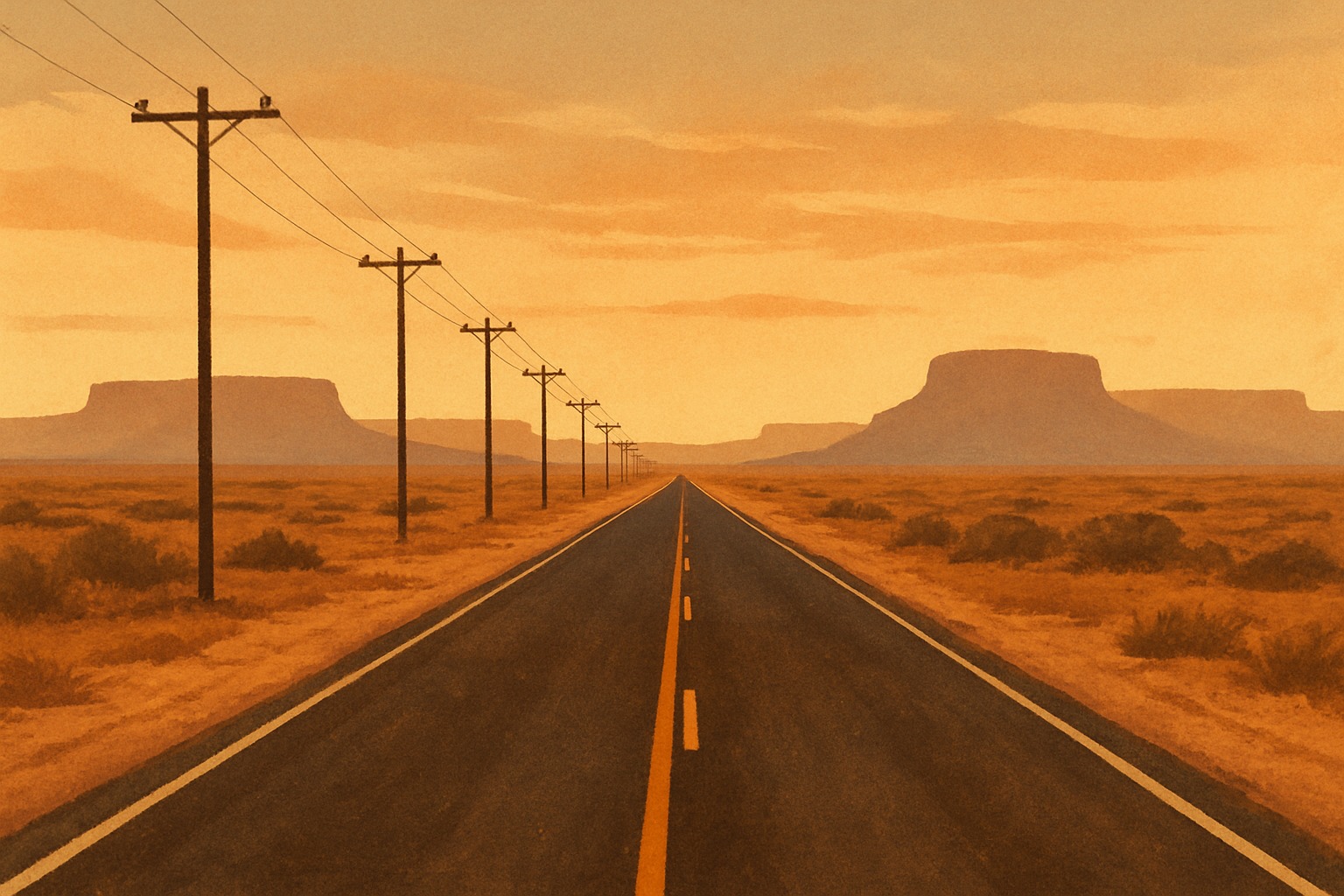
U.S. Route 66, established in 1926, ran some 2,400 miles from Chicago to Los Angeles and became the most famous highway in America. More than a road, it was a symbol of the freedom and mobility the automobile promised — the "Main Street of America."
In the 1930s it became a road of desperation and hope, as Dust Bowl families fleeing the ruined Great Plains drove west toward California in search of work. John Steinbeck called it "the Mother Road" in The Grapes of Wrath, fixing it in the national imagination.
After World War II, Route 66 became a road of leisure, lined with motels, diners, gas stations, and roadside attractions as Americans took to the highway for vacations. It entered popular culture through song and television, the embodiment of the open road.
The road was ultimately a victim of the car culture it symbolized: the Interstate Highway System bypassed it, and in 1985 Route 66 was officially decommissioned. But it survives as a nostalgic icon, a piece of Americana that still draws travelers retracing the Mother Road.
| Established | 1926 |
| Route | Chicago to Los Angeles, ~2,400 miles |
| Nicknames | "Main Street of America"; "the Mother Road" |
| 1930s | Carried Dust Bowl migrants west to California |
| Decommissioned | 1985, bypassed by the interstates |
| Date | 1926–1985 |
| Location | Chicago to Los Angeles |