The Dust Bowl
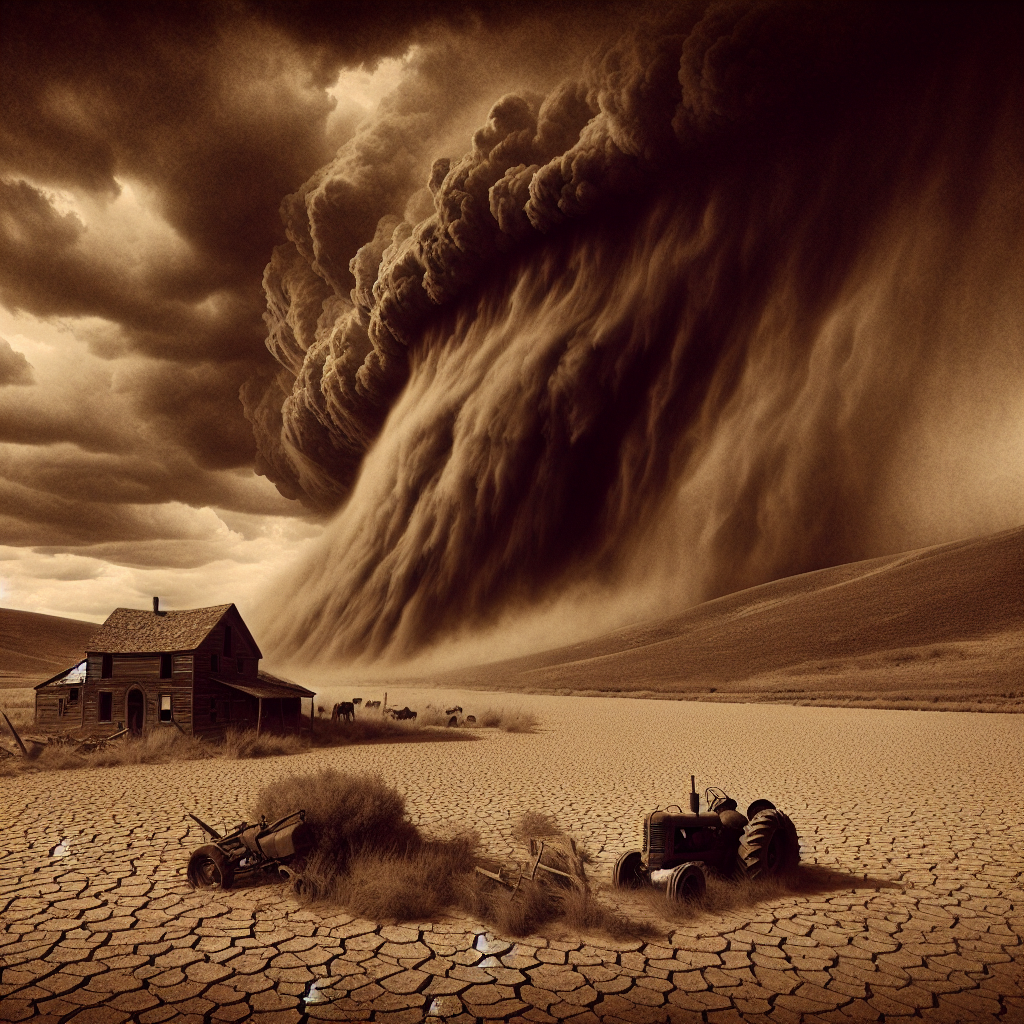
On April 14, 1935 — "Black Sunday" — a wall of dust 200 miles wide and 7,500 feet tall rolled across the Oklahoma and Texas panhandles, turning afternoon into pitch darkness and burying farms, fences, and towns under drifts of topsoil. Families sealed windows with wet rags and held damp cloths over their children's faces. It was the worst single storm of a decade-long disaster caused by the collision of severe drought with one of the most consequential acts of ecological miscalculation in American history: the near-total destruction of the deep-rooted grasses that had held the Great Plains together for thousands of years.
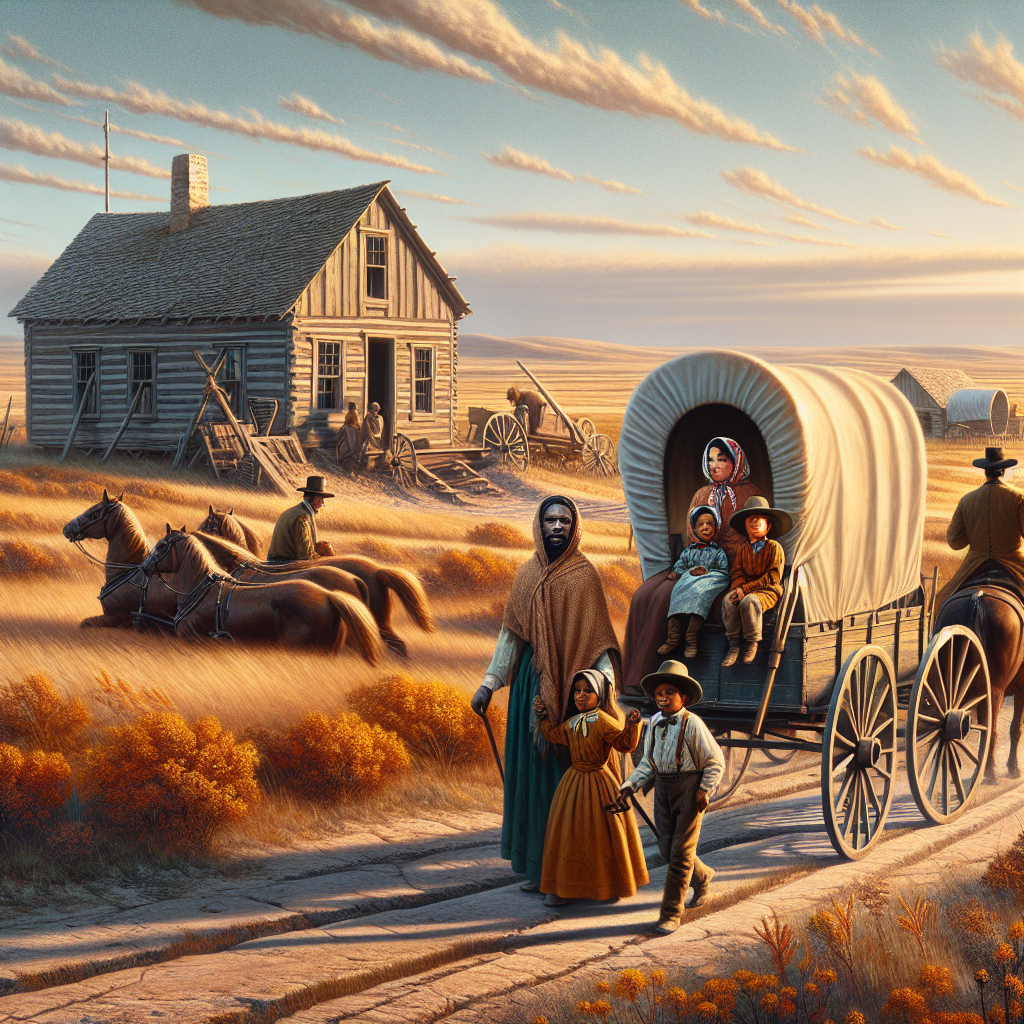
The Dust Bowl was not a natural disaster in any simple sense. Between 1900 and 1930, farmers had broken roughly 32 million acres of Great Plains grassland — encouraged by wartime wheat prices and federal homesteading policy. When drought struck in 1931 and persisted through the decade, there were no roots left to anchor the soil. The wind did the rest. Roughly 2.5 million people left the Plains during the 1930s — the largest internal migration in American history to that point. In California, where many landed, they were called "Okies" regardless of their home state and were frequently met with hostility, labor camps, and vigilante border patrols.
The Dust Bowl accelerated the New Deal's agricultural programs and produced some of the most powerful documentary work in American history — Dorothea Lange's photographs for the Farm Security Administration, John Steinbeck's The Grapes of Wrath, Woody Guthrie's dust ballads. The Soil Conservation Service, created in 1935, permanently altered federal land management policy. The Great Plains hasn't seen a comparable collapse since — but the Ogallala Aquifer that now sustains the region's agriculture is being drawn down faster than it recharges, raising questions the next drought may answer.



| Duration | 1930–1940 (peak: 1934–1936) |
| Region | Oklahoma, Texas, Kansas, Colorado, New Mexico panhandles |
| Worst Event | "Black Sunday," April 14, 1935 |
| Displaced | Est. 2.5 million people |
| Root Cause | Drought combined with destruction of native grasslands |
| Federal Response | Soil Conservation Service (1935); Agricultural Adjustment Act |
| Date | 1930–1940 (peak: 1934–1936) |
| Location | Oklahoma and Texas Panhandles |