Prohibition Era
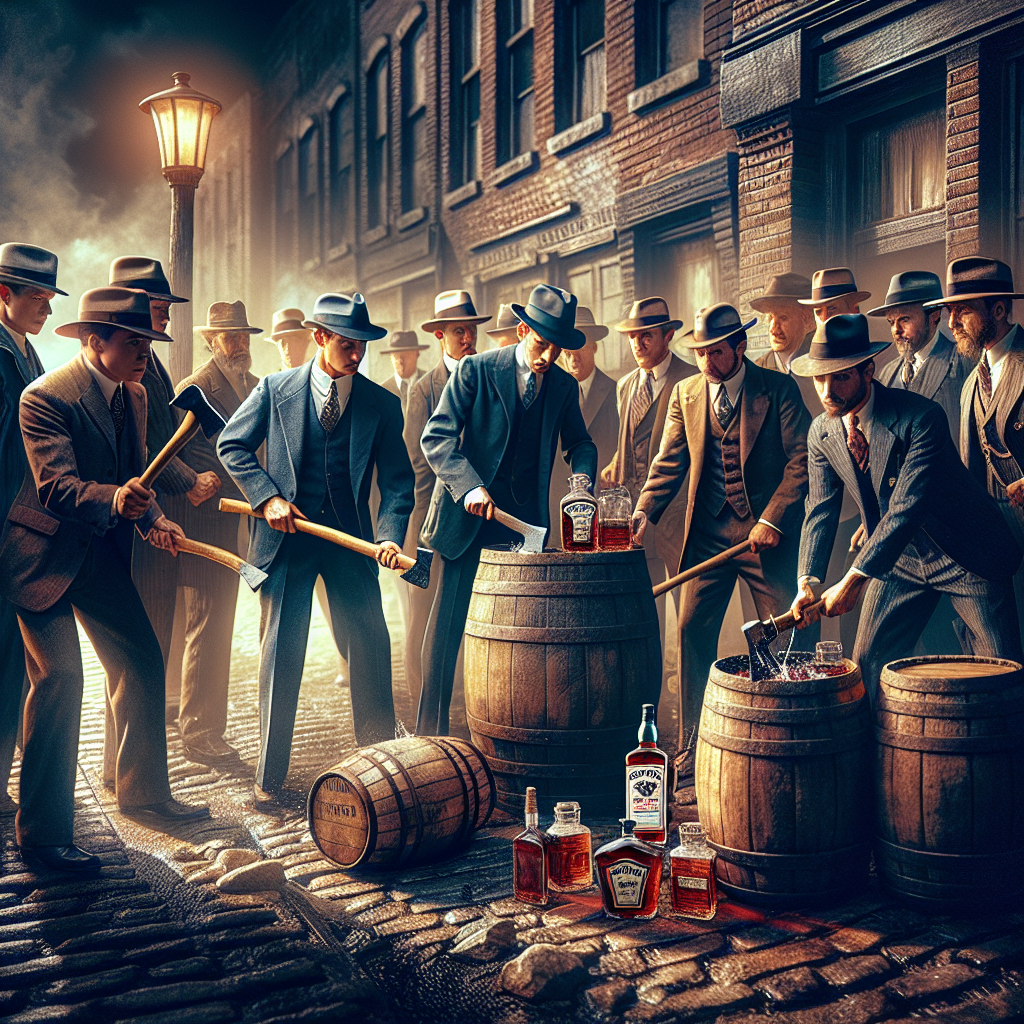
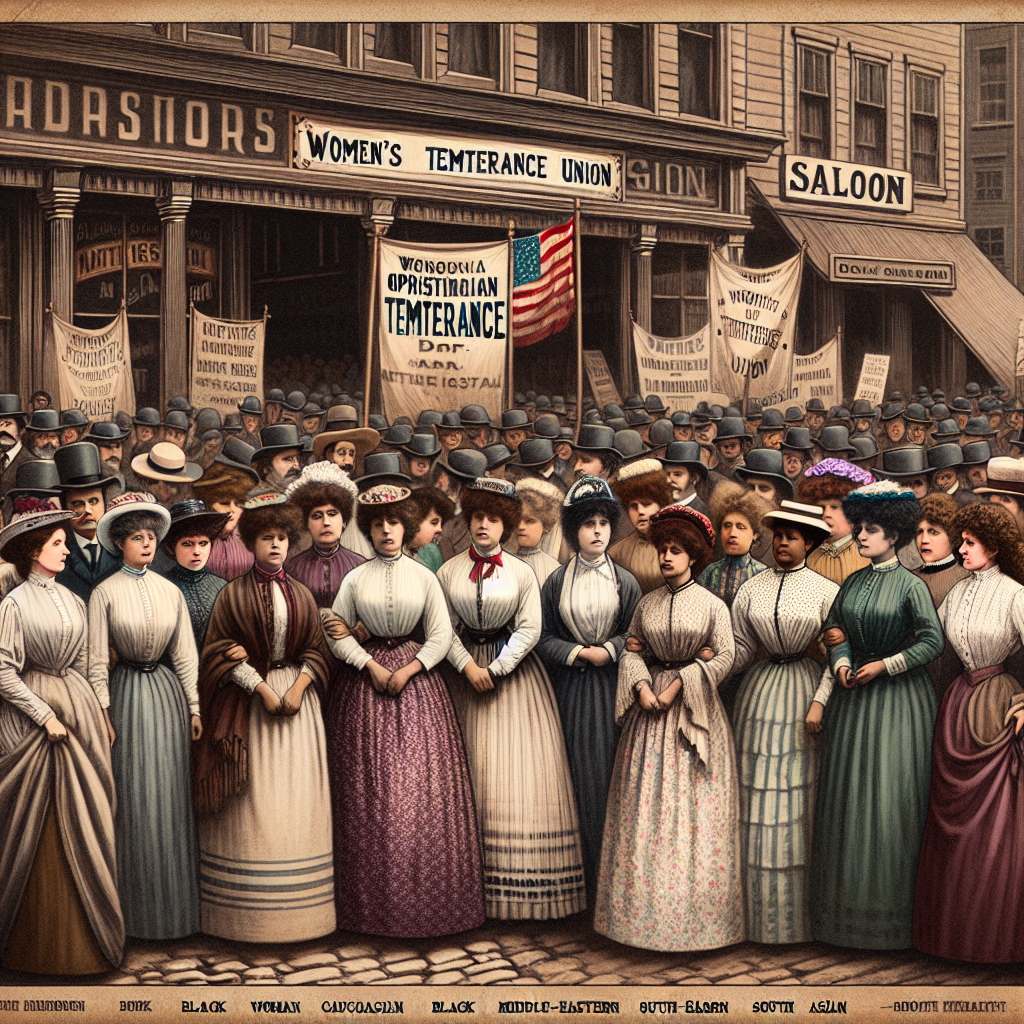
At midnight on January 17, 1920, the Eighteenth Amendment took effect and the manufacture, sale, and transportation of intoxicating liquors became illegal across the United States. Prohibition was the culmination of decades of temperance activism — a reform movement that promised to reduce crime, strengthen families, and lift the poor out of alcohol-driven poverty. Instead it created the most profitable black market in the nation's history and gave organized crime a generation-defining opportunity that reshaped American cities for decades.
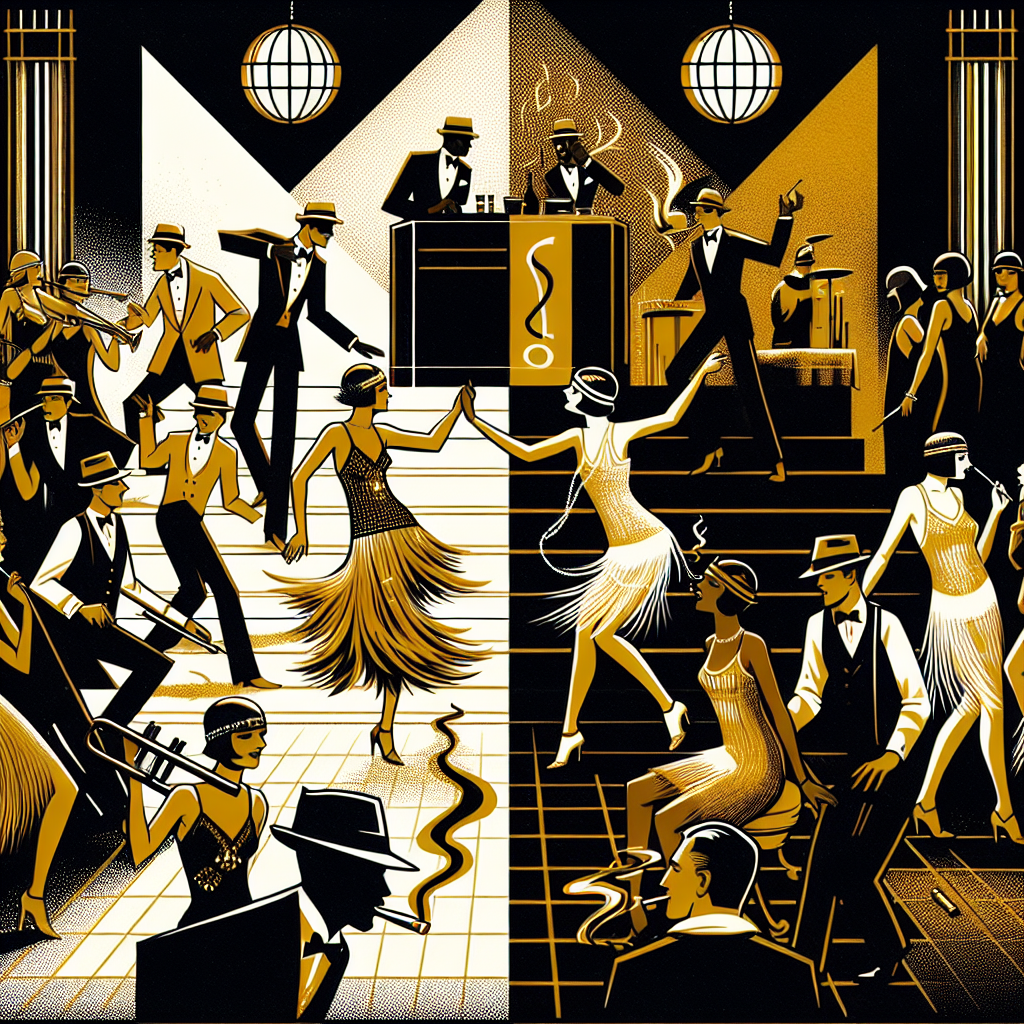
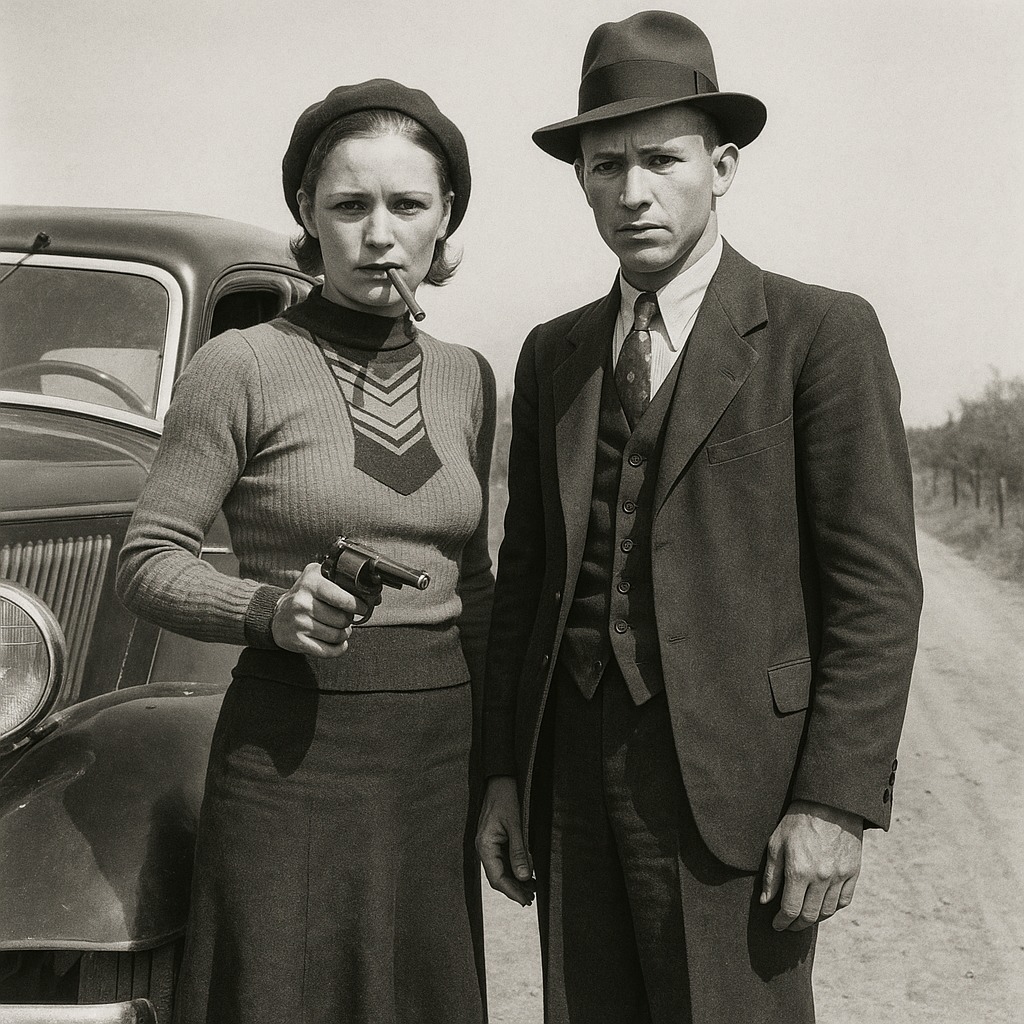
Bootleggers and speakeasies multiplied almost immediately, and the corruption they spread through police departments, courts, and city governments was nearly total in many urban areas. Al Capone's Chicago operation alone generated an estimated $60 million annually at its peak. The federal Prohibition Bureau was chronically underfunded, riddled with graft, and overwhelmed by the sheer scale of popular demand. Meanwhile, ordinary middle-class Americans developed a cheerful contempt for a law they found absurd — drinking in speakeasies became fashionable precisely because it was illegal.
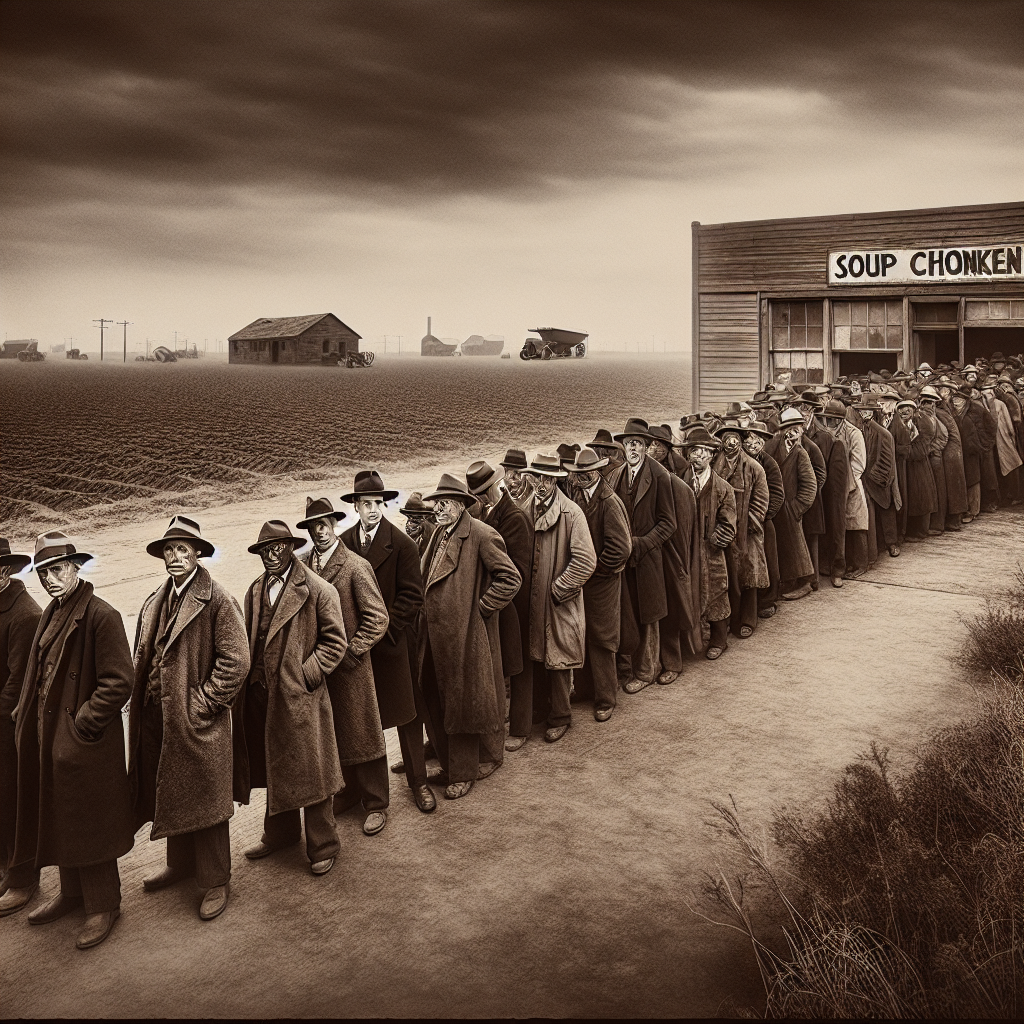
The Great Depression delivered the killing blow. With tax revenues collapsing and unemployment above 20 percent, the economic and political arguments for legalizing and taxing alcohol became unanswerable. The Twenty-First Amendment, ratified December 5, 1933, repealed the Eighteenth — the only time in American history one constitutional amendment has been used to cancel another. Prohibition's most durable legacy was the organized crime infrastructure it built, which remained embedded in American cities long after the last speakeasy closed.
| Began | January 17, 1920 — Eighteenth Amendment took effect |
| Ended | December 5, 1933 — Twenty-First Amendment ratified |
| Legal basis | Eighteenth Amendment (1919); Volstead Act (1919) |
| Repealed by | Twenty-First Amendment |
| Duration | 13 years |
| Notable bootlegger | Al Capone, Chicago — est. $60 million/year |
| Enforcement | Prohibition Bureau (Bureau of Prohibition) |
| Date | January 17, 1920 – December 5, 1933 |
| Location | United States |