Fast Food
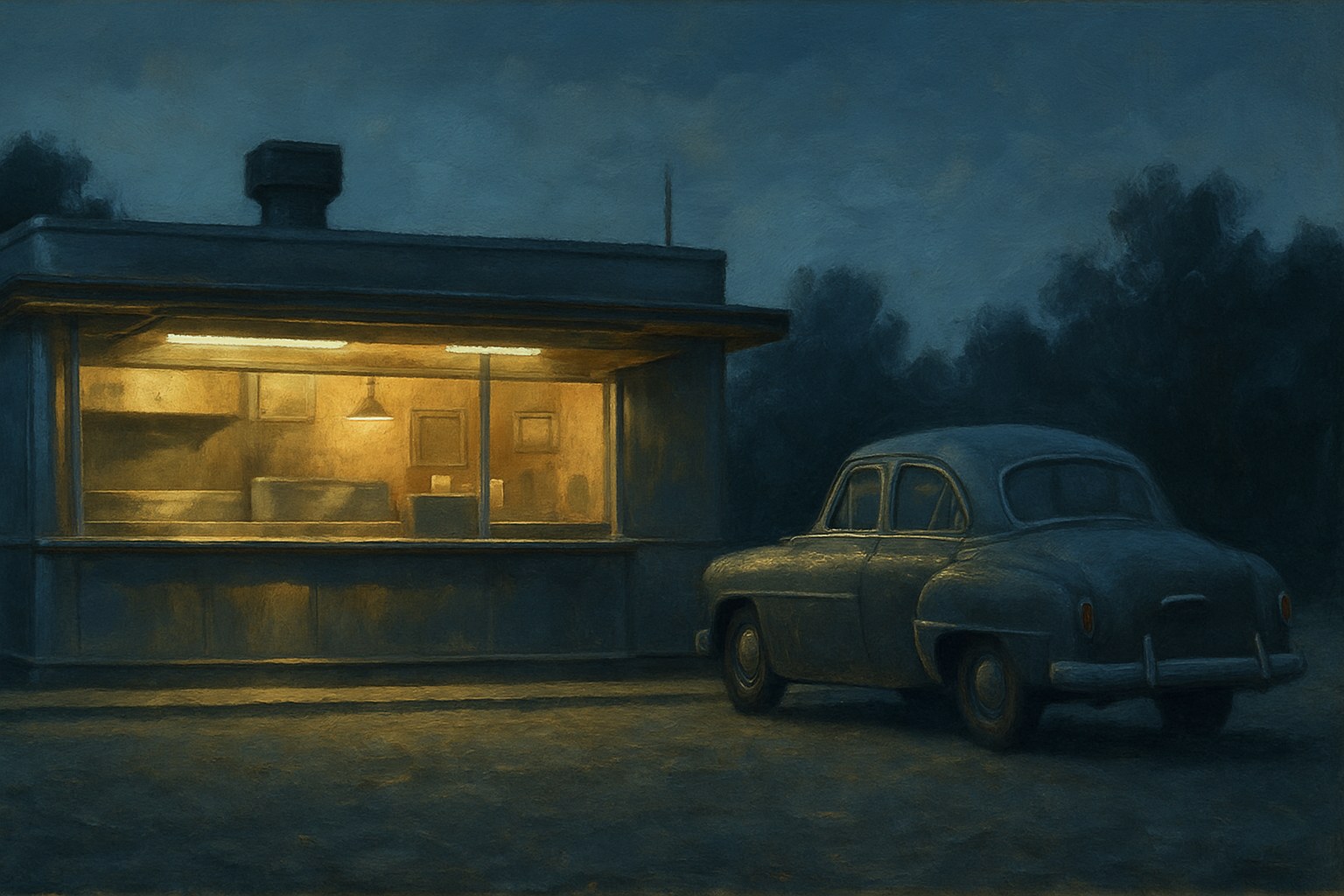
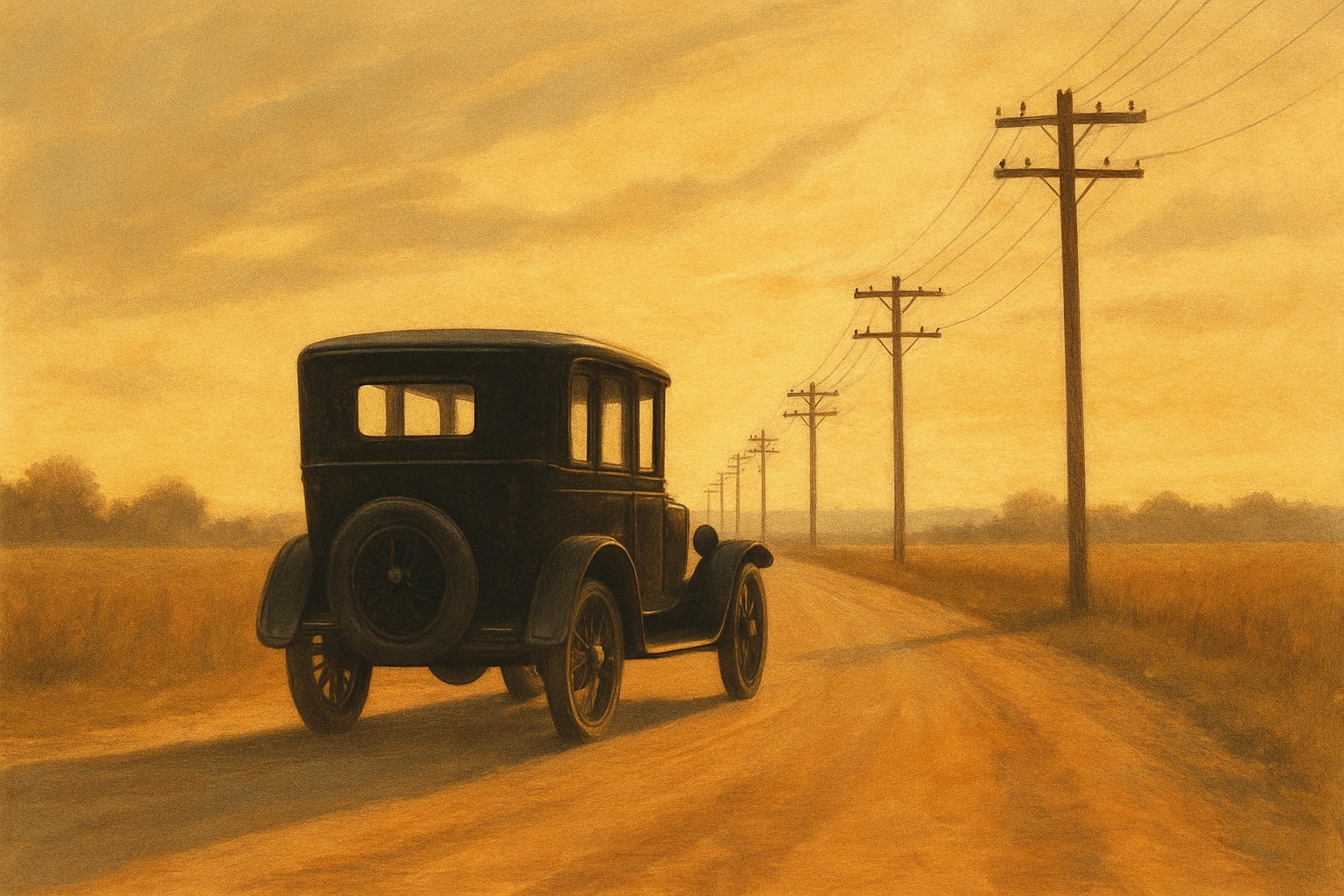
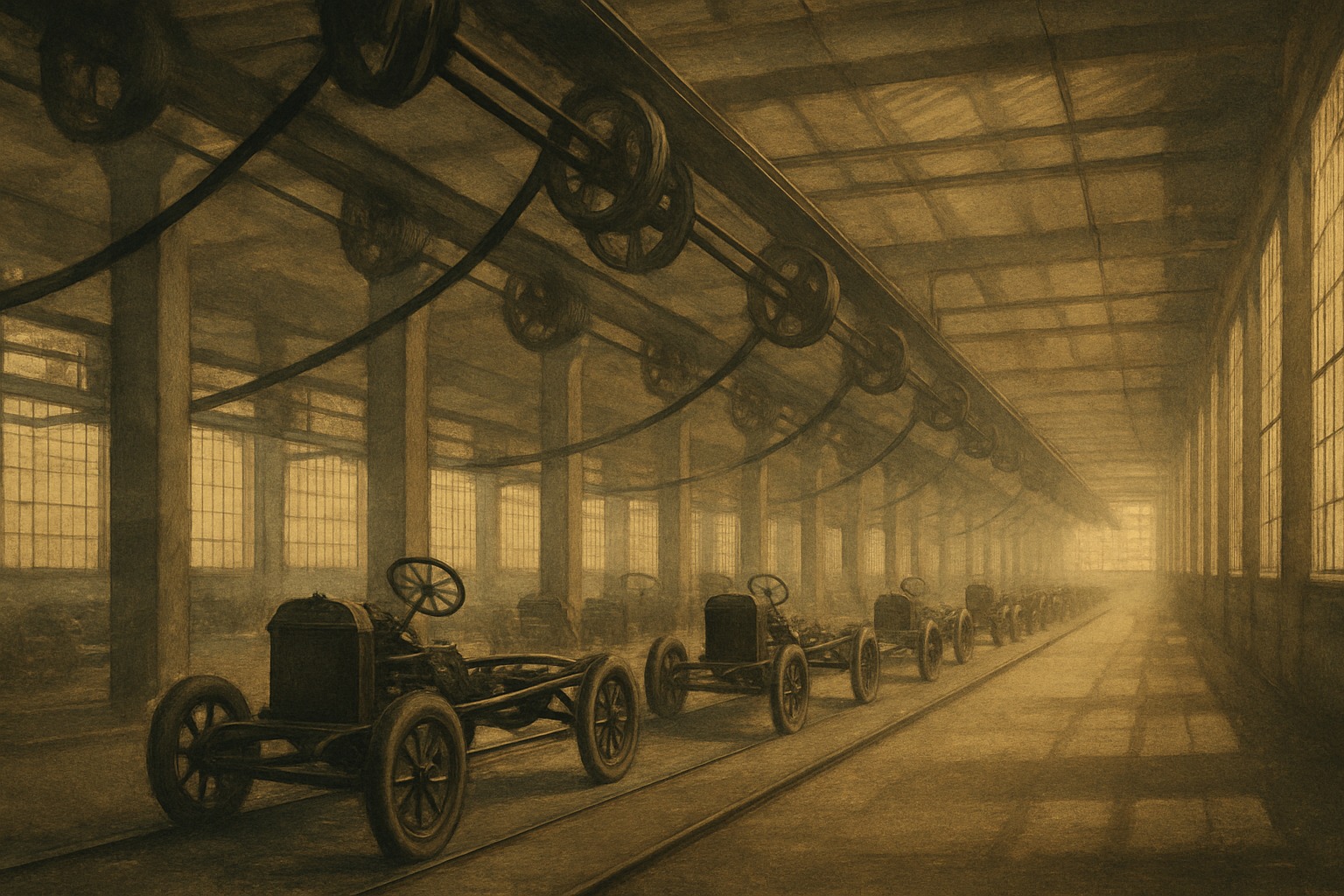
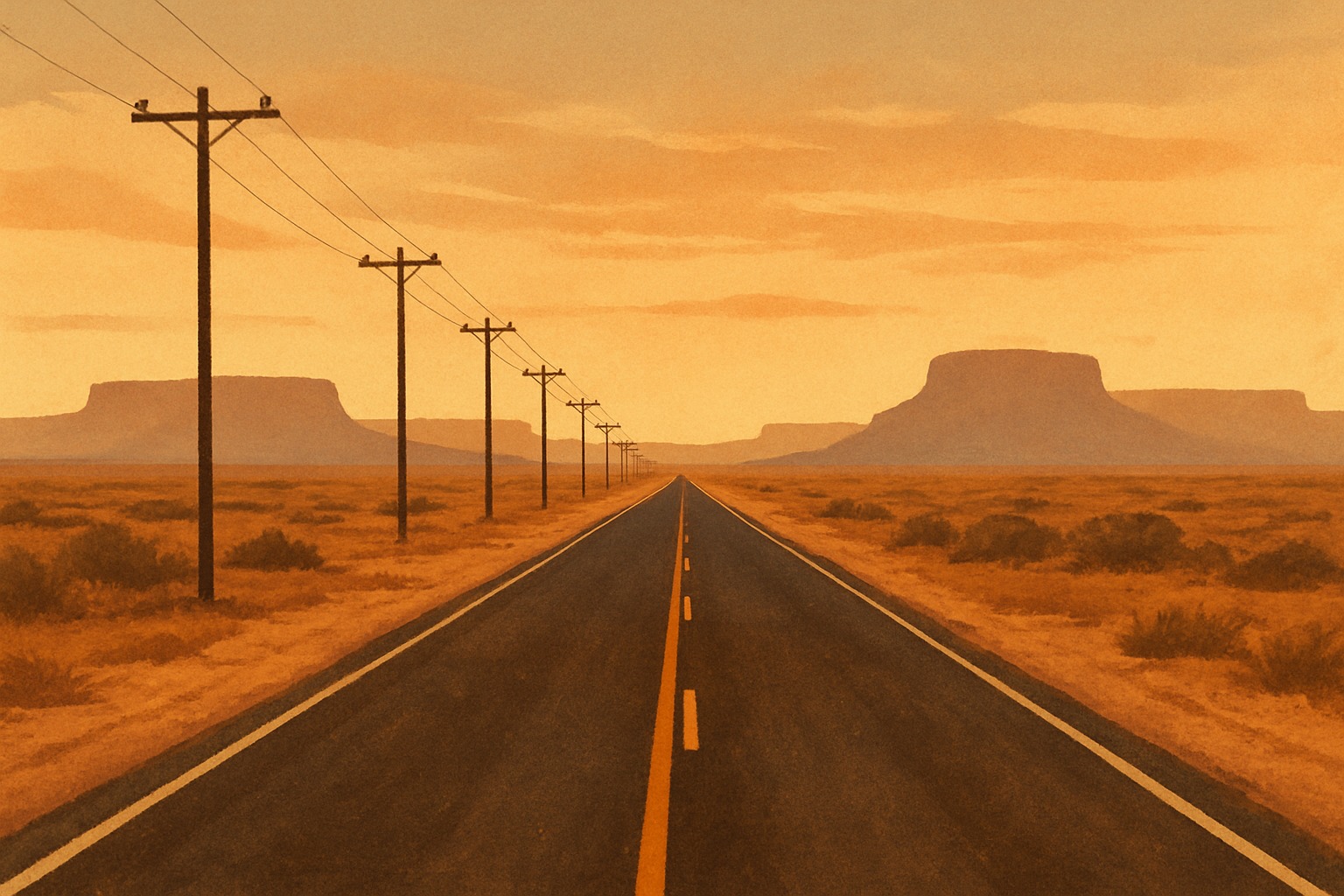
Speed was the selling point, but the car came first. By the 1920s Americans owned millions of automobiles and wanted to be fed without getting out of them, and a roadside industry grew up to oblige — hamburger stands, drive-ins with carhops, and chains that promised the food would taste the same in every town. The other problem the industry had to solve was trust. Ground beef carried a terrible reputation after Upton Sinclair's 1906 novel, and selling it meant offering visible proof that it was clean.
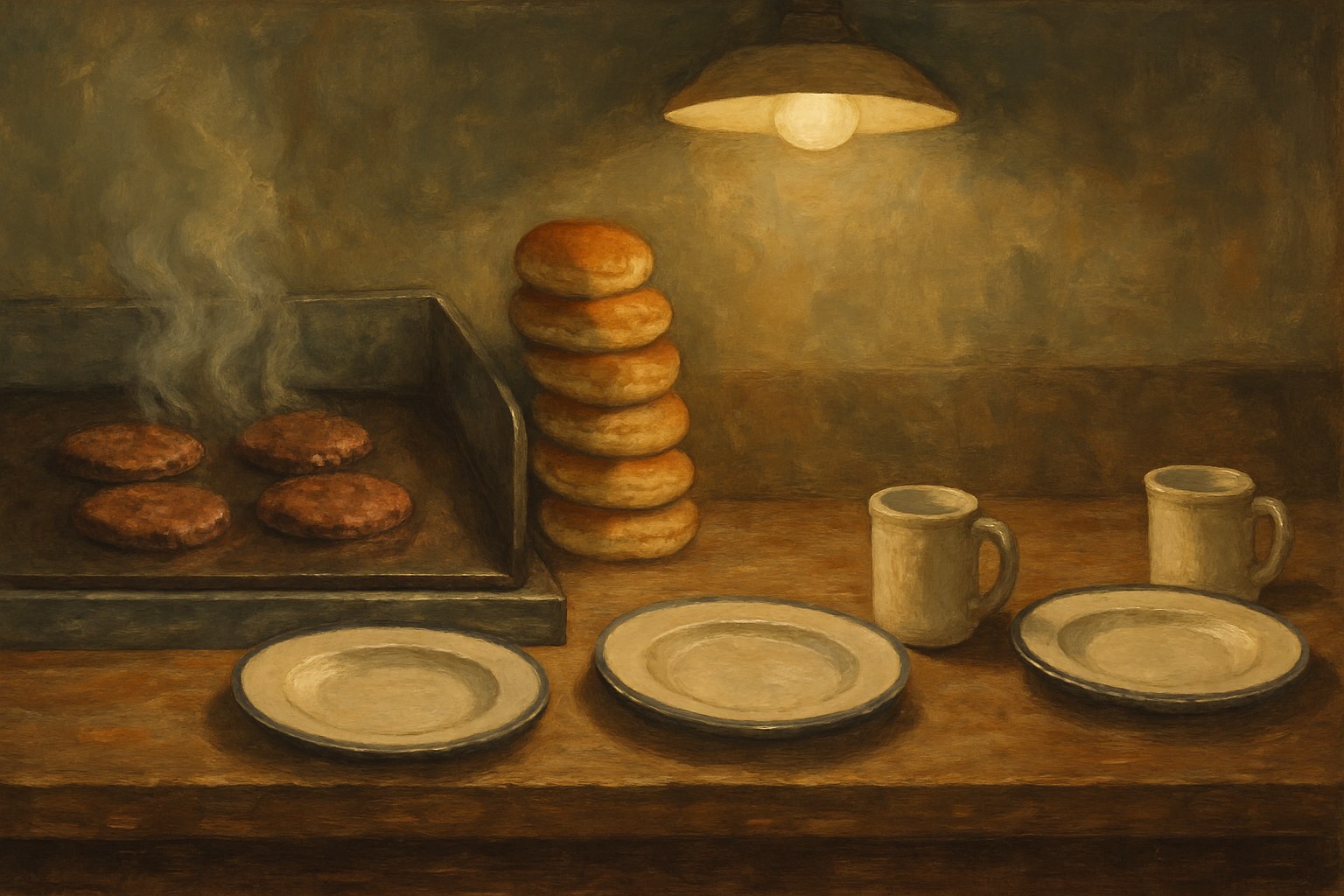
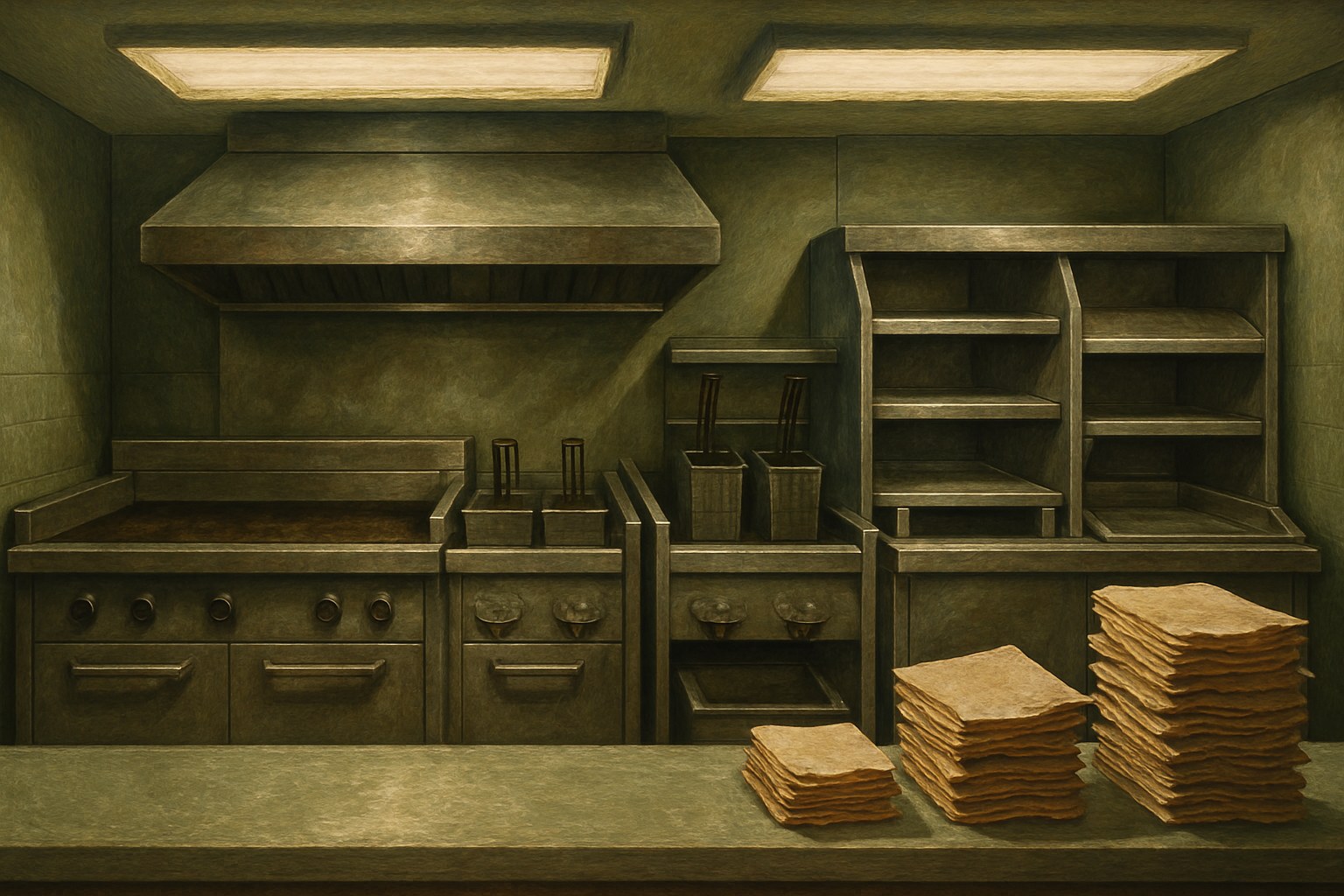
White Castle, founded in Wichita in 1921, answered with white porcelain enamel and stainless steel, a griddle set in the front window, uniformed staff, and small square patties ground on the premises. Standardization was the message as much as the method. Two decades later Richard and Maurice McDonald stripped their San Bernardino drive-in down to a short menu and rebuilt the kitchen as a production line, each worker performing a single step. Their Speedee Service System cut the wait to seconds and cut the skilled short-order cook out of the process entirely.
The durable innovation was not the food but the business form. Franchising let a brand expand on other people's capital, with the parent company selling the system, the supplies, and the name rather than the meal. Ray Kroc perfected the arrangement at McDonald's and every competitor copied it. The drive-thru window, spreading through the 1970s, removed the last reason to leave the car at all. By the end of the century the model had been exported to nearly every country on earth, adapting its menus as it went.
Fast food is argued over on two fronts. Critics point to wages near the legal floor, very high turnover, franchise structures that diffuse responsibility for working conditions, and meals heavy in calories, salt, and sugar whose spread tracks with rising rates of obesity. Defenders point to cheap and reliable calories for people short of both time and money, an enormous supply of first jobs, and a franchise system that has made small-business owners of many immigrant families. Both accounts describe the same industry and both are largely accurate.
| First standardized chain | White Castle, Wichita, 1921 |
| Kitchen model | The McDonald brothers' Speedee Service System, 1948 |
| Real innovation | Franchising the system rather than selling the recipe |
| Drive-thru | Spread widely through the 1970s |
| Arguments | Low wages and diet-related disease against cheap food and first jobs |
| Date | 1921 to today |