Suburbanization

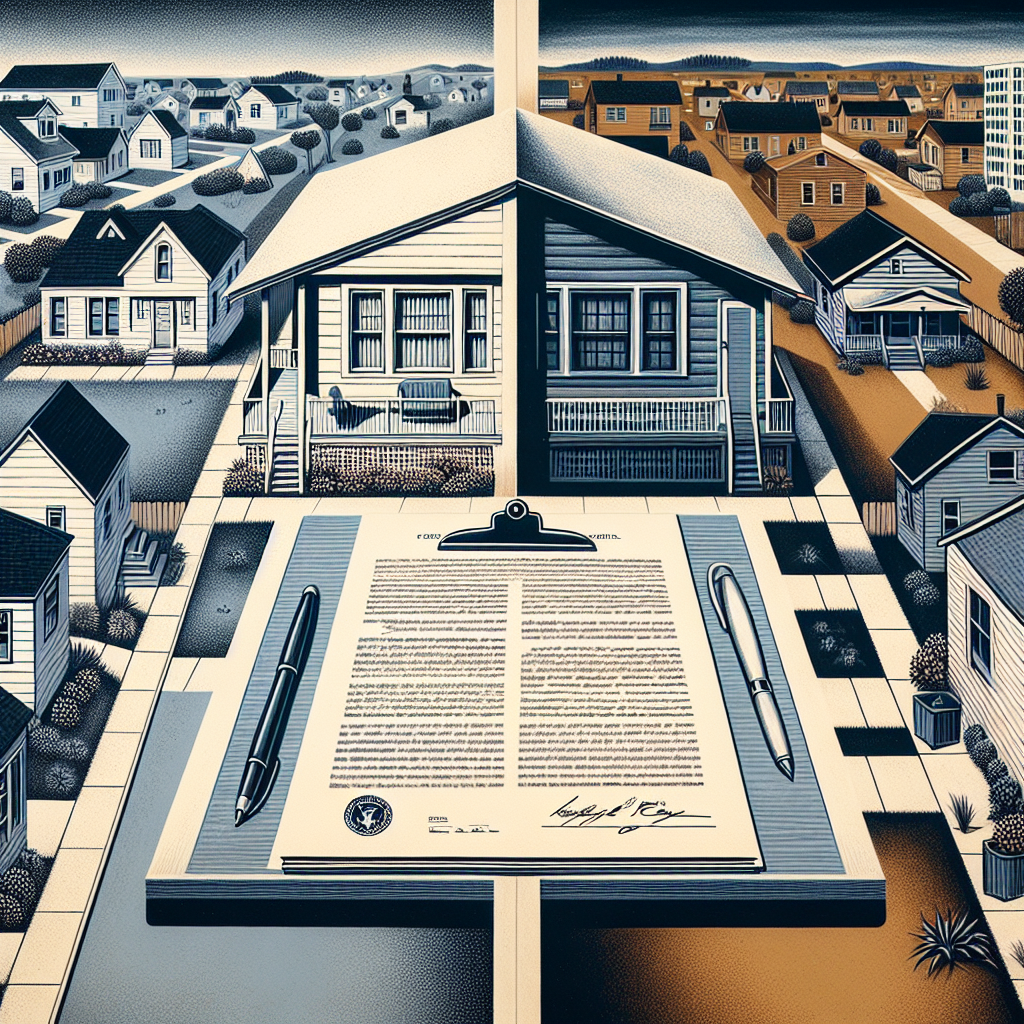
Between 1950 and 1970, the United States built a new geography. Fourteen million homes rose in suburban communities ringing American cities, connected by the Interstate Highway System and financed by Federal Housing Administration mortgages that made homeownership accessible to millions of working-class families for the first time. The Levittowns of New York and Pennsylvania — mass-produced developments where identical Cape Cods sold for under $8,000, complete with a built-in television — became the archetype for a way of living that transformed American culture, politics, and economics more profoundly than any deliberate policy of the era.
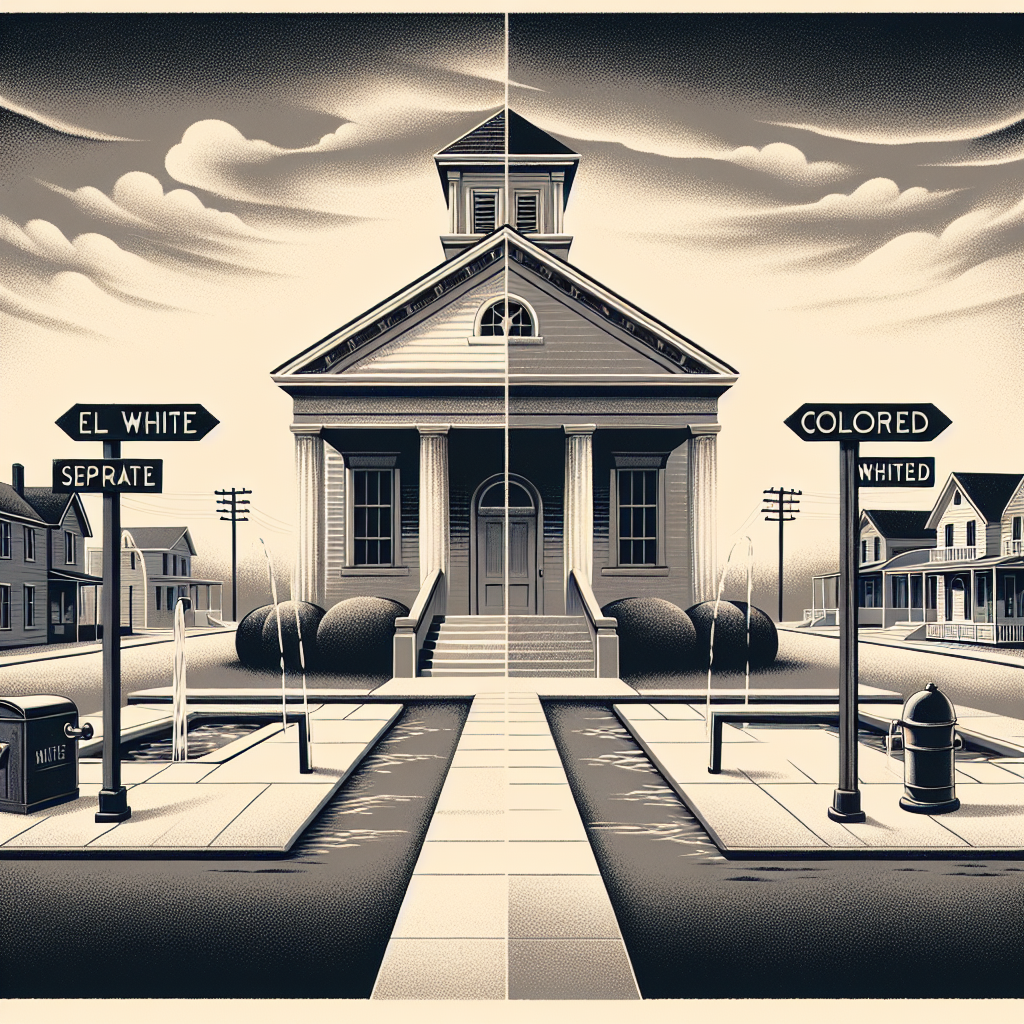
Suburbanization was not a neutral process. The FHA mortgages that financed the great postwar expansion were explicitly structured to exclude Black families — the agency's underwriting manuals until 1949 used the presence of Black residents as a criterion for downgrading a neighborhood's loan eligibility, and racially restrictive covenants barring Black buyers from new suburban developments were standard practice until the Supreme Court ruled them unenforceable in Shelley v. Kraemer (1948). The Great Migration had brought millions of Black Americans to northern cities; suburbanization moved white families out of those cities and into communities that were legally or practically closed to Black families, concentrating poverty and disinvestment in urban neighborhoods and producing the racial geography of American metropolitan areas that persists today.
The political consequences of suburbanization have been as significant as the demographic ones. The suburban homeowner — white, middle-class, with a mortgage, children in local public schools, and concerns about property taxes and neighborhood quality — became the pivotal figure in postwar American politics. The "silent majority" Nixon appealed to in 1968, the Reagan Democrats of the 1980s, and the suburban realignment that became central to presidential elections from 2016 onward are all expressions of a political identity shaped by the built environment of the postwar suburb: a place designed around the automobile, the single-family home, and the local school district, whose funding model tied educational quality to residential property values.



| Peak Era | 1945–1970 |
| Catalyst | FHA mortgages; GI Bill; Interstate Highway Act (1956) |
| Iconic Example | Levittown, New York (built 1947–51) — 17,400 homes |
| Racial Exclusion | FHA underwriting manuals downgraded racially integrated neighborhoods until 1949 |
| Key Legal Moment | Shelley v. Kraemer (1948) — racial covenants ruled unenforceable |
| Population Shift | U.S. suburban population doubled from 1950 to 1970 |
| Political Legacy | Suburban homeowner as the pivotal swing voter of postwar American politics |
| Years | 1945–1970 |
| Location | United States |