Barbecue
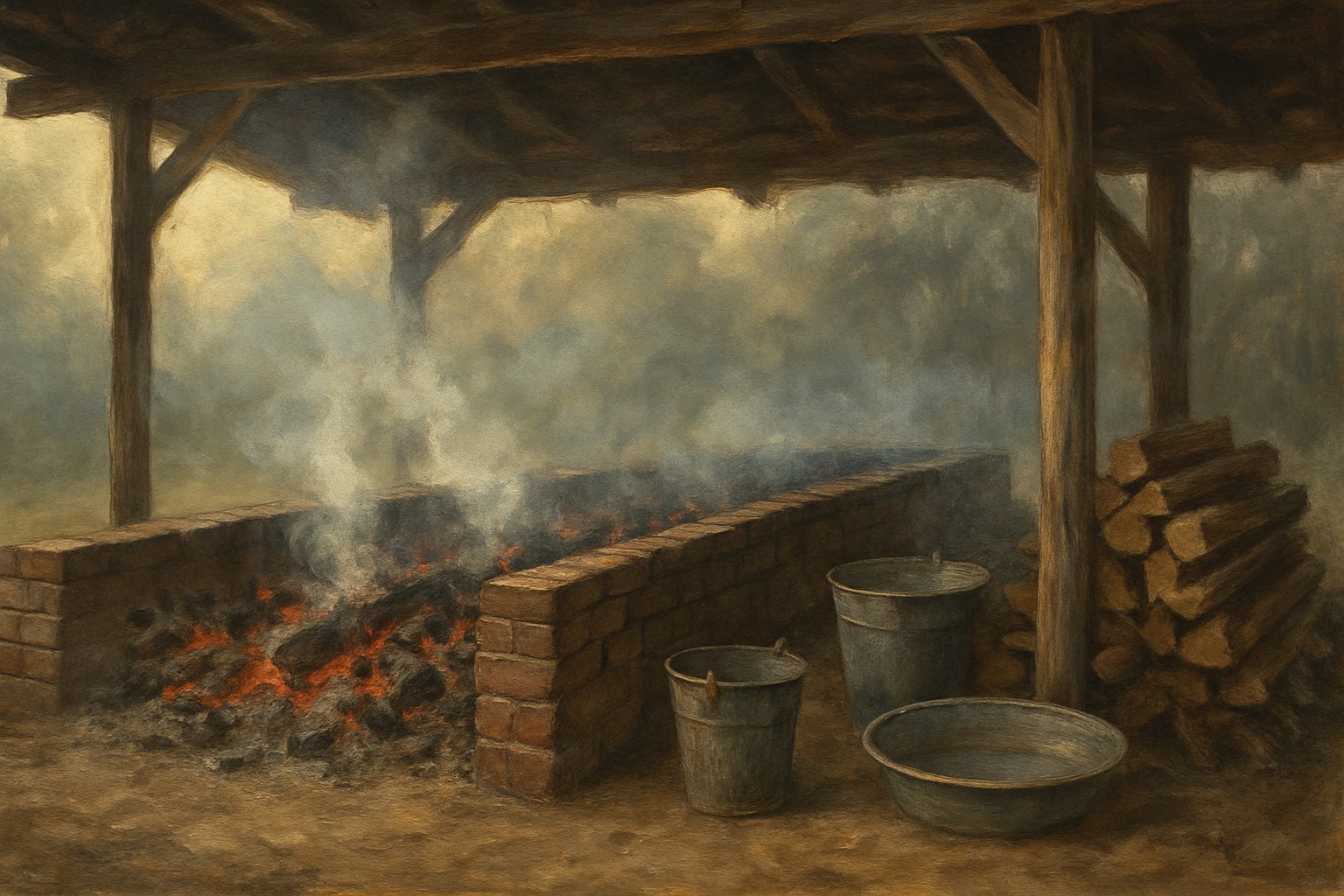
The word came out of the Caribbean. Spanish chroniclers in the early sixteenth century recorded barbacoa, a Taino framework of green wood raised over a fire on which meat and fish were slowly smoked and dried. Indigenous peoples across the Southeast used related methods on deer, fish, and small game. Colonists took up both the technique and the word, and by the eighteenth century a barbecue in Virginia or the Carolinas meant a whole hog laid over a pit of hardwood coals, turned and mopped for the better part of a day and a night.
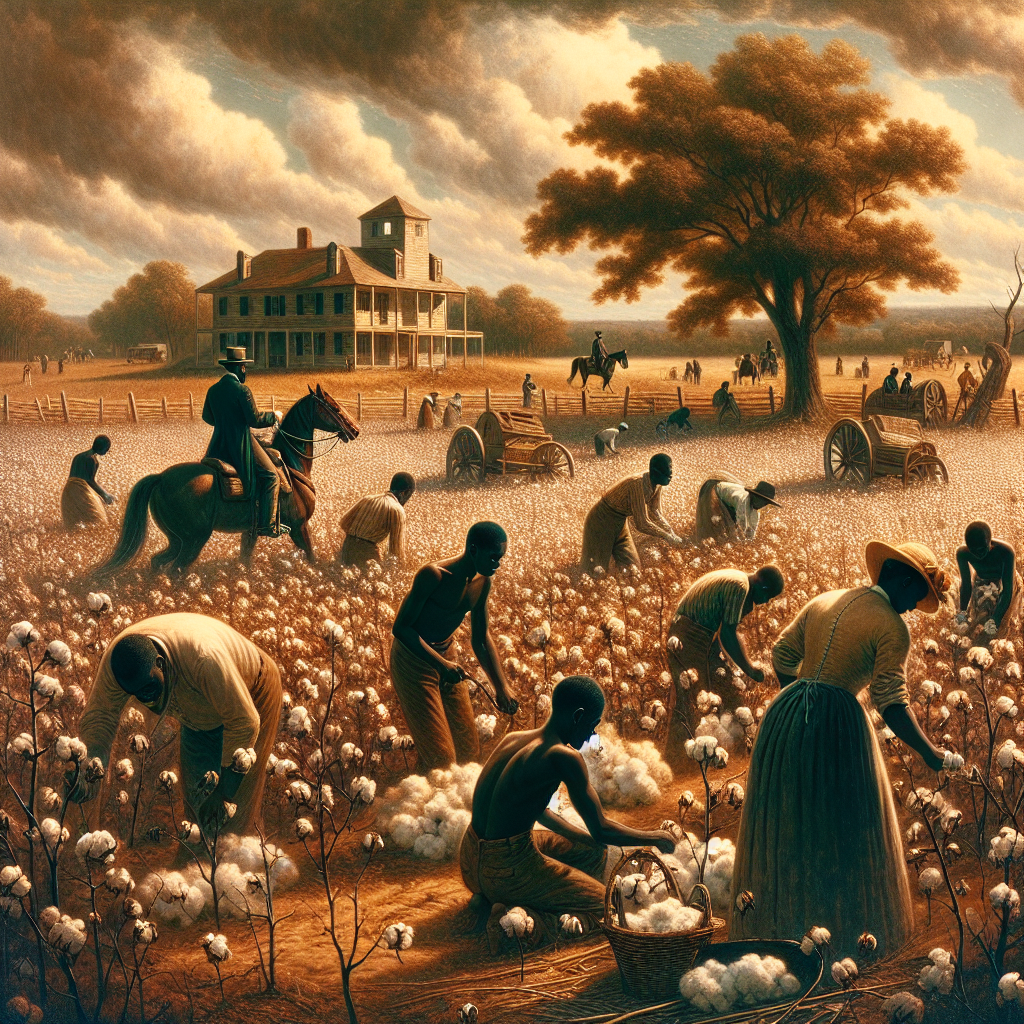
The work was done by enslaved people. Pit cooking demands a full day and night of tending a fire, reading coals, and basting, and that skill belonged overwhelmingly to Black cooks whose names, with a handful of exceptions, went unrecorded. Several of the best-known pitmasters of the nineteenth and early twentieth centuries were formerly enslaved men who opened stands after emancipation and built local reputations. The method they carried forward — hardwood smoke, low heat, long time, a thin vinegar or pepper mop — underlies every American regional style.
Those styles settled into four rough traditions. The Carolinas cook whole hog or shoulder and dress it with vinegar and black or red pepper, with a mustard belt across the South Carolina midlands. Memphis works ribs and pork shoulder with either a dry rub or a tomato sauce. Kansas City, a rail and stockyard town that got every kind of meat, cooks all of them and finishes with a thick sweet tomato and molasses sauce. Central Texas descends from German and Czech butcher shops that smoked beef brisket and sold it by weight on butcher paper.
Barbecue was also politics. From the eighteenth century onward American candidates fed voters at open-air barbecues, a practice that runs from George Washington's Virginia through Andrew Jackson's campaigns to Lyndon Johnson's Texas ranch. It was food that could feed a crowd and that visibly cost the host something. In the last thirty years the restaurant world has taken barbecue seriously as craft, with long lines, celebrated pitmasters, and a slow, uneven public reckoning with whose skill built the thing in the first place.

| Word origin | Taino barbacoa, recorded by Spanish chroniclers in the 1520s |
| Technique | Hardwood smoke, low heat, many hours |
| Built by | Enslaved and later free Black pitmasters |
| Four traditions | The Carolinas, Memphis, Kansas City, Central Texas |
| Texas roots | German and Czech butcher shops smoking beef brisket |
| Politics | The campaign barbecue, from Washington to Johnson |
| Date | 1500s to today |