Norman Rockwell
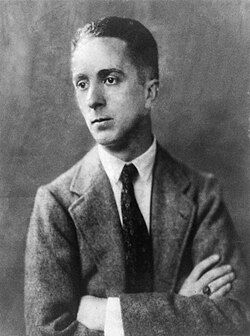
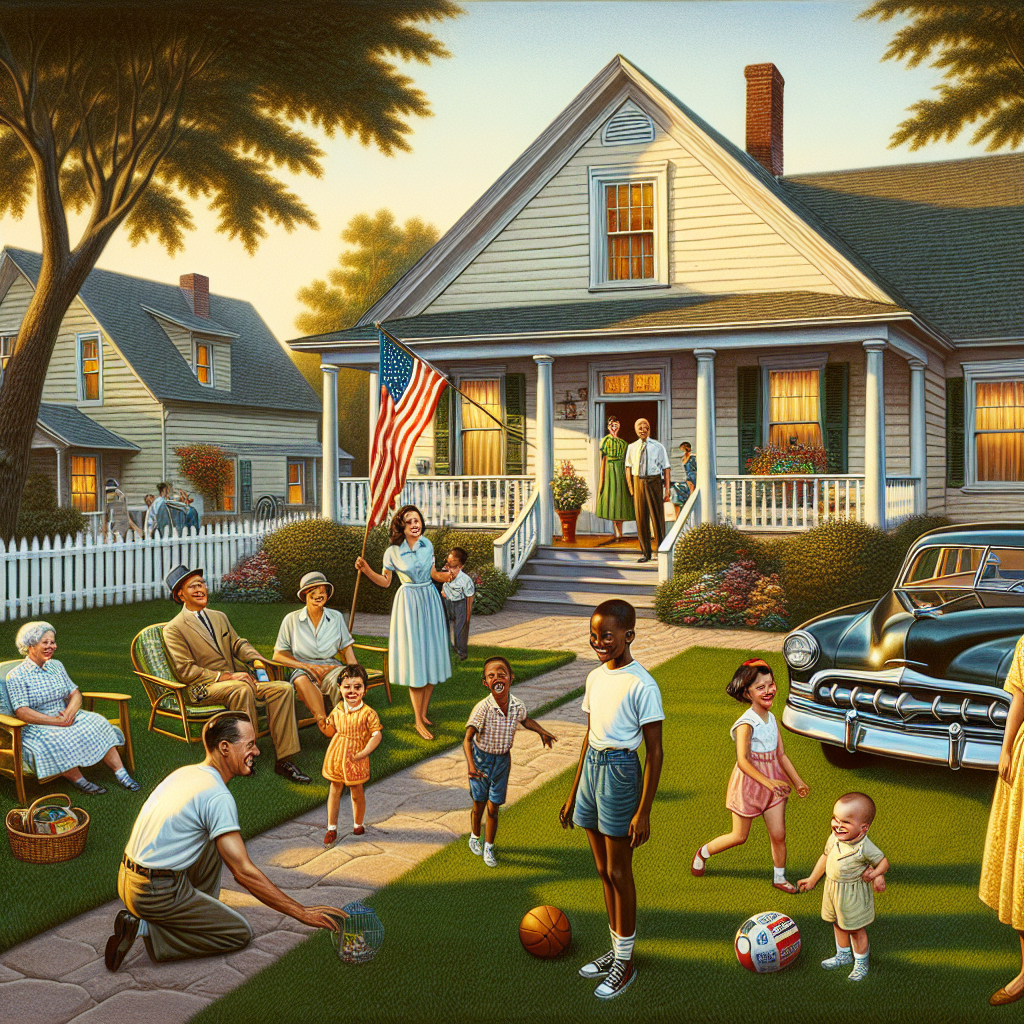
Norman Rockwell painted his first Saturday Evening Post cover in 1916 at age 22, and over the following 47 years he produced 321 more — a body of work that made him the most widely reproduced American artist in history and the visual chronicler of a version of American life that was warm, funny, decent, and overwhelmingly white. His technical mastery was extraordinary: he worked from photographic references, posed his neighbors and townspeople as models, and achieved a level of detail and human specificity in his illustration that no competitor approached. For most of his career he was dismissed by serious critics as a commercial illustrator rather than an artist, a verdict he accepted publicly and resented privately.
The Four Freedoms series of 1943 — painted in response to Franklin Roosevelt's 1941 State of the Union address and reproduced in the Post alongside essays by prominent writers — reached 132 million readers and raised $132 million in war bond sales. They are among the most effective pieces of wartime propaganda produced by any artist in any country in any war. But the more revealing work came later. In 1964 Rockwell painted The Problem We All Live With — Ruby Bridges, aged six, being escorted to her newly integrated New Orleans school by federal marshals past a wall daubed with racial slurs — for Look magazine. It was a departure so abrupt it suggested the earlier work had been a chosen constraint rather than a genuine limitation.
Rockwell spent his final decades in Stockbridge, Massachusetts, painting civil rights subjects, poverty, and the Peace Corps alongside his more familiar domestic scenes. The Norman Rockwell Museum in Stockbridge holds the largest collection of his work. The reassessment of his career — from commercial sentimentalist to serious artist who spent 50 years negotiating between his personal vision and his audience's expectations — has been one of the more substantial revisions in American art history.
| Born | February 3, 1894 — New York City |
| Died | November 8, 1978 — Stockbridge, Massachusetts |
| Post covers | 321 Saturday Evening Post covers, 1916–1963 |
| Key works | Four Freedoms (1943); The Problem We All Live With (1964) |
| War bonds | Four Freedoms tour raised $132 million in WWII bond sales |
| Museum | Norman Rockwell Museum, Stockbridge, Massachusetts |
| Presidential Medal | Freedom, 1977 — awarded by President Gerald Ford |
| Years | 1894–1978 |
| Location | New York City, New York |