American Art
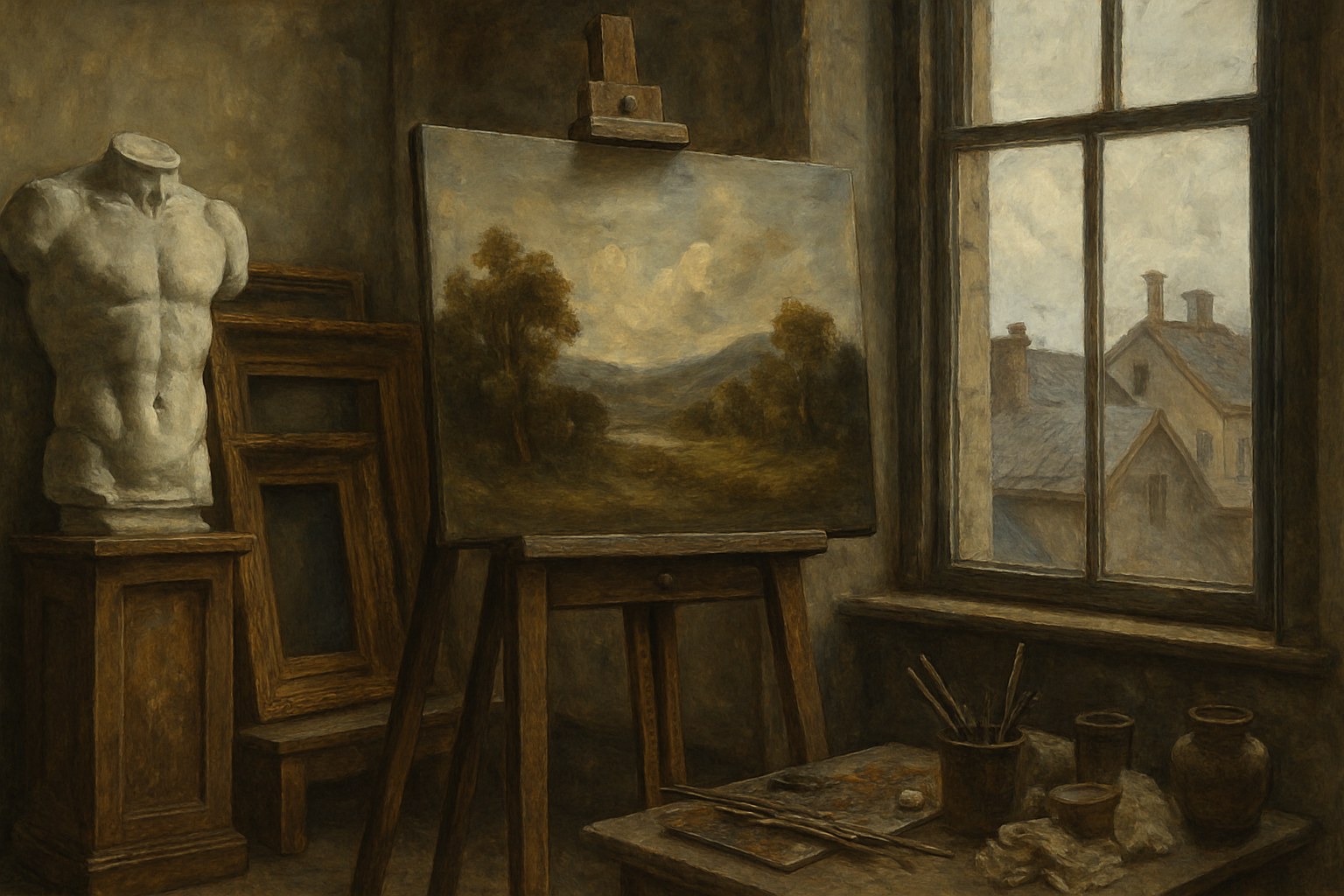
A colonial society on the rim of the Atlantic world did not set out to make an art of its own. What planters and merchants wanted was portraits — evidence of standing, painted in the manner of London — and the market supplied them, from anonymous itinerant limners working in flat, linear style to the polished likenesses of Boston sitters. The two most gifted colonial painters both concluded that the future lay elsewhere. John Singleton Copley and Benjamin West sailed for England and stayed, and West finished his career as president of the Royal Academy, training a generation of Americans who came to him.
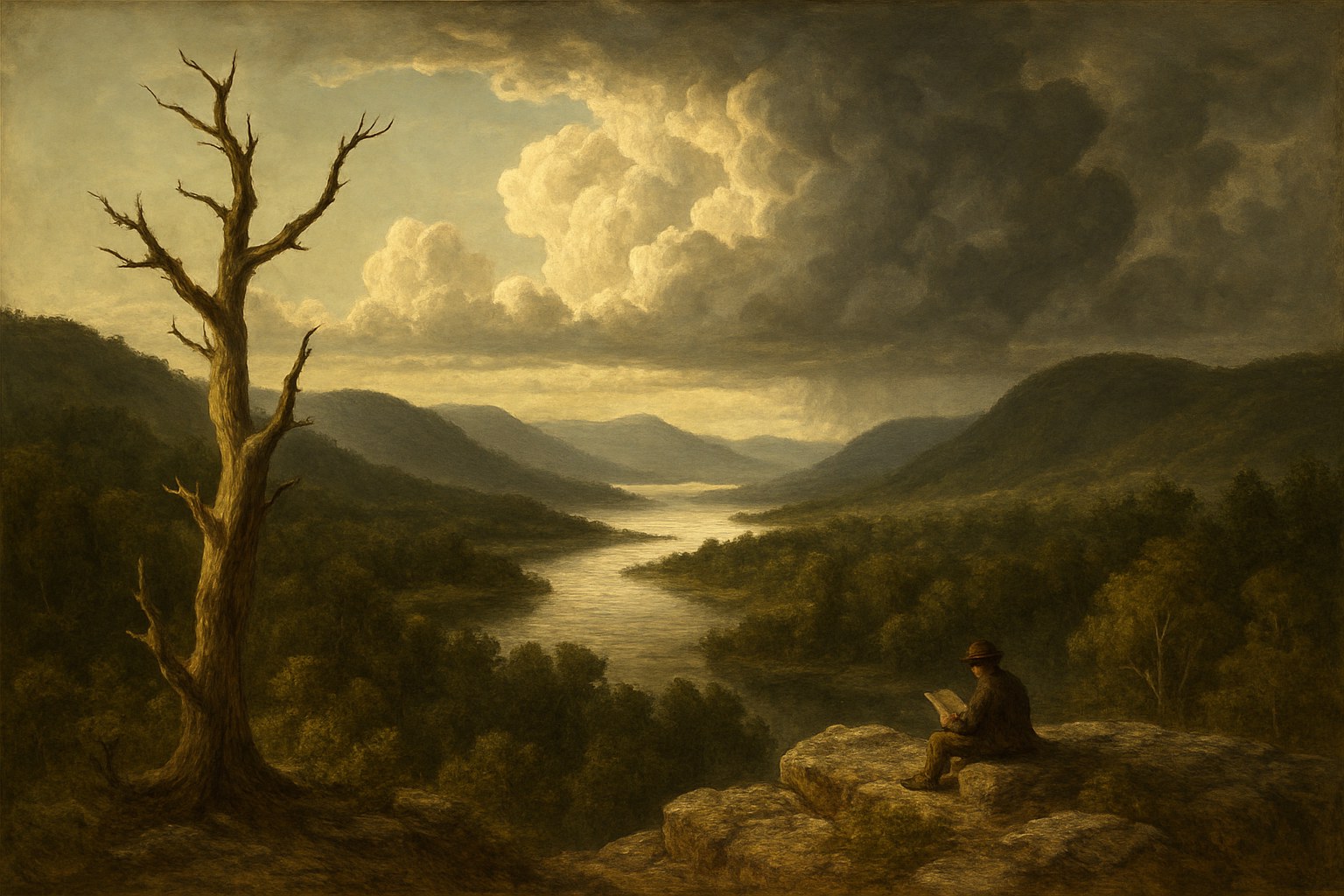
Independence created a country but not a national art, and for fifty years American painters argued about what one would even consist of. Gilbert Stuart made a national icon out of the presidential portrait. John Trumbull tried to build a history painting tradition around the Revolution and found few buyers. The answer that stuck arrived in the 1820s from an unexpected direction: landscape. Thomas Cole and the painters who followed him decided that the continent itself was the subject Europe could not claim, and they painted it on a scale meant to argue the point.
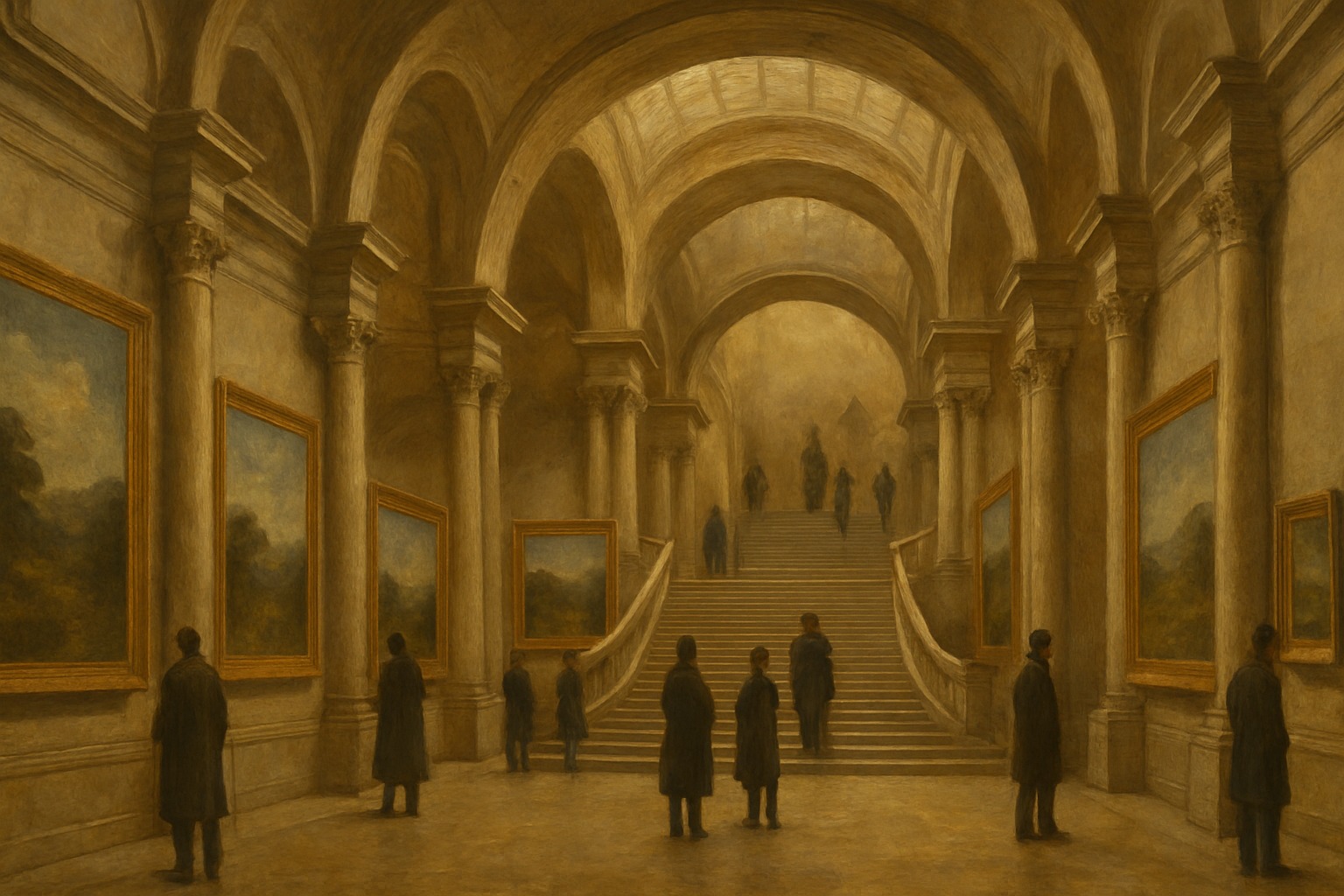
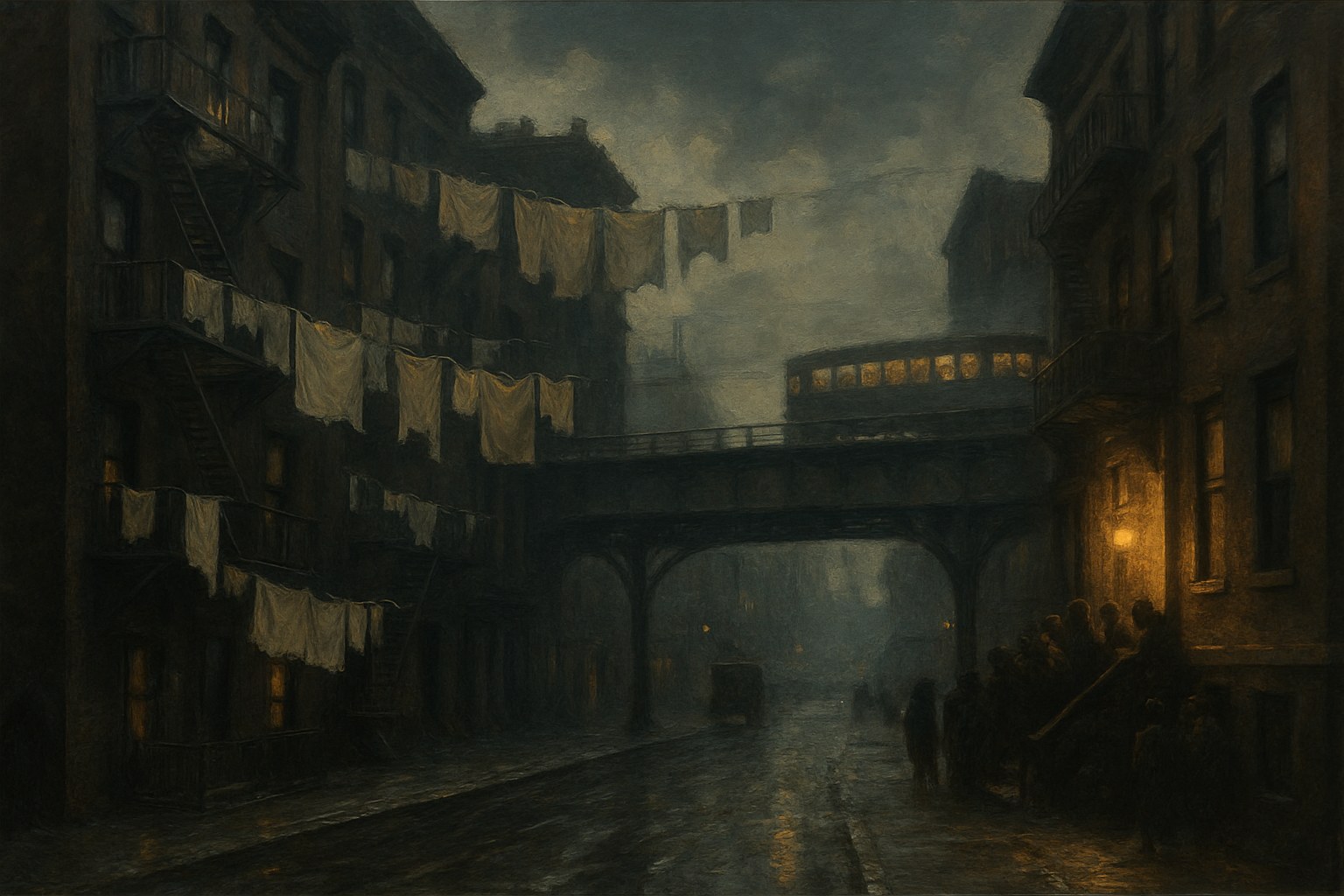
The Gilded Age reopened the quarrel on new terms. A generation of Americans went to Paris and Munich for training, and the most celebrated of them — Whistler, John Singer Sargent, Mary Cassatt — stayed abroad, while Winslow Homer and Thomas Eakins built careers at home on American subjects and comparatively little European polish. Wealth built the museums and the Beaux-Arts civic architecture of the American Renaissance, most visibly at the 1893 world's fair in Chicago. Then younger painters turned to the tenements and the prize ring, and in 1913 the Armory Show delivered European modernism to New York all at once.
The reversal came in the 1940s. Refugee artists from occupied Europe landed in New York, a generation trained on Depression relief payrolls absorbed what they brought, and abstract expressionism became the first American movement that European painters imitated rather than the reverse. Whether that shift was earned entirely on merit or helped along by dealers, critics, museums, and Cold War cultural diplomacy is still argued. What is not in dispute is the direction of traffic. After three centuries of importing authority, the American art world had become a place other countries looked to.
| Colonial market | Portraits — limners and, at the top, Copley |
| First native school | Hudson River School landscape, from the 1820s |
| Gilded Age split | Expatriates abroad vs. Homer and Eakins at home |
| Modernism arrives | The Armory Show, February 1913 |
| Center shifts | New York over Paris, 1940s-1950s |
| Long argument | European authority vs. American subject matter |
| Date | 1600s to the present |