The National Gallery of Art
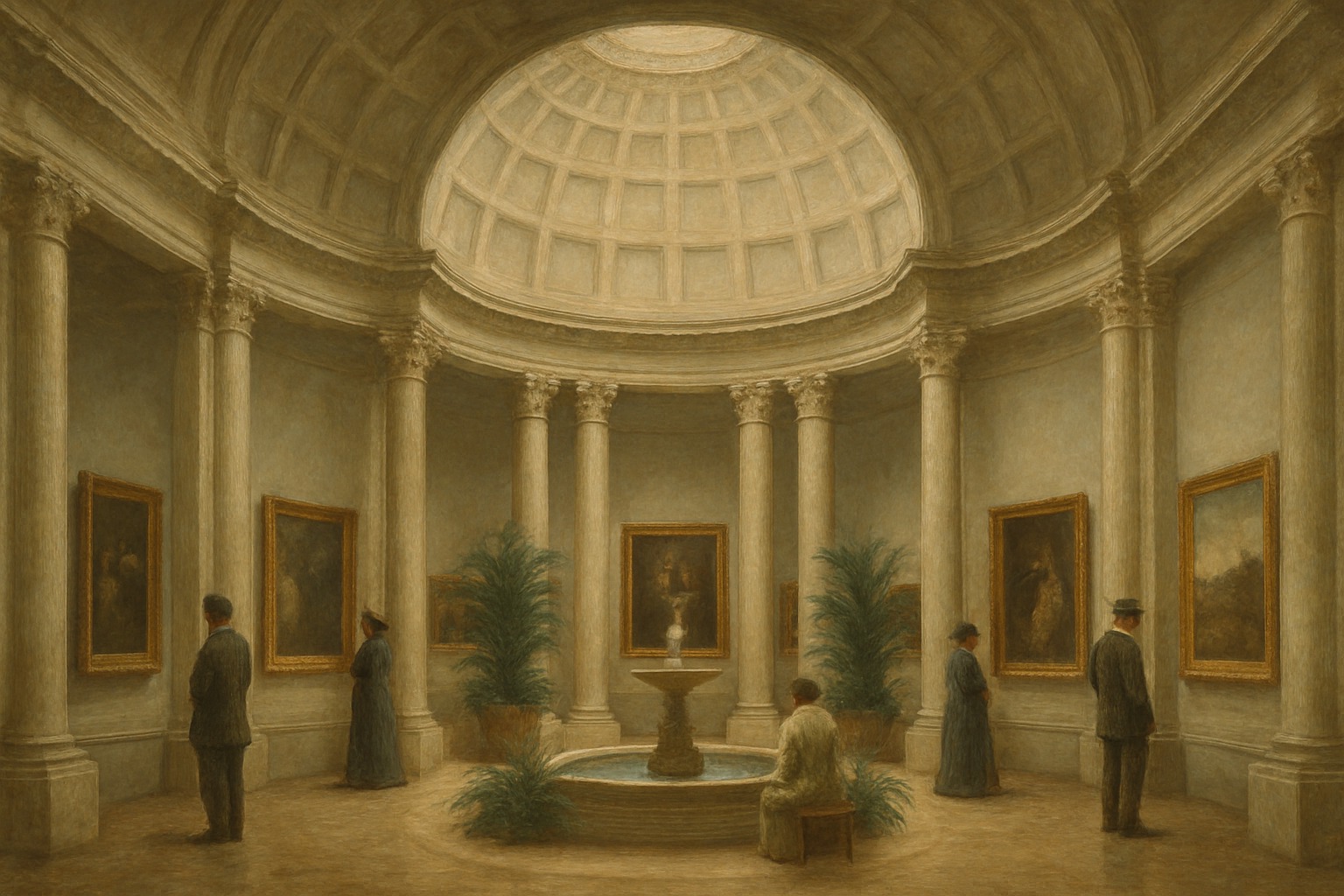
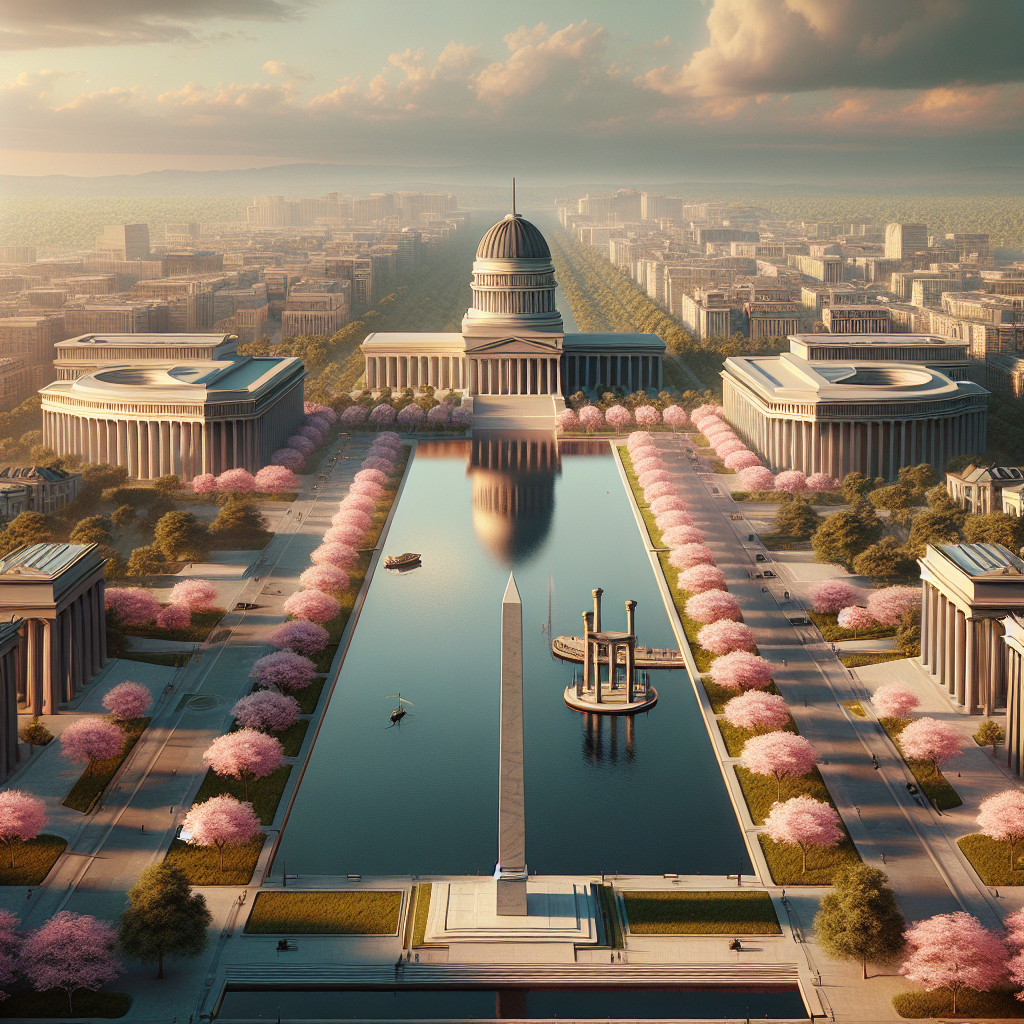
The United States acquired a national art museum through an act of extraordinary private generosity. The financier and former Treasury secretary Andrew Mellon offered his superb collection of paintings, along with the money to build a museum to house them, on the condition that it belong to the nation and bear no man's name. Congress accepted, and in 1937 established the National Gallery of Art on the National Mall in Washington.
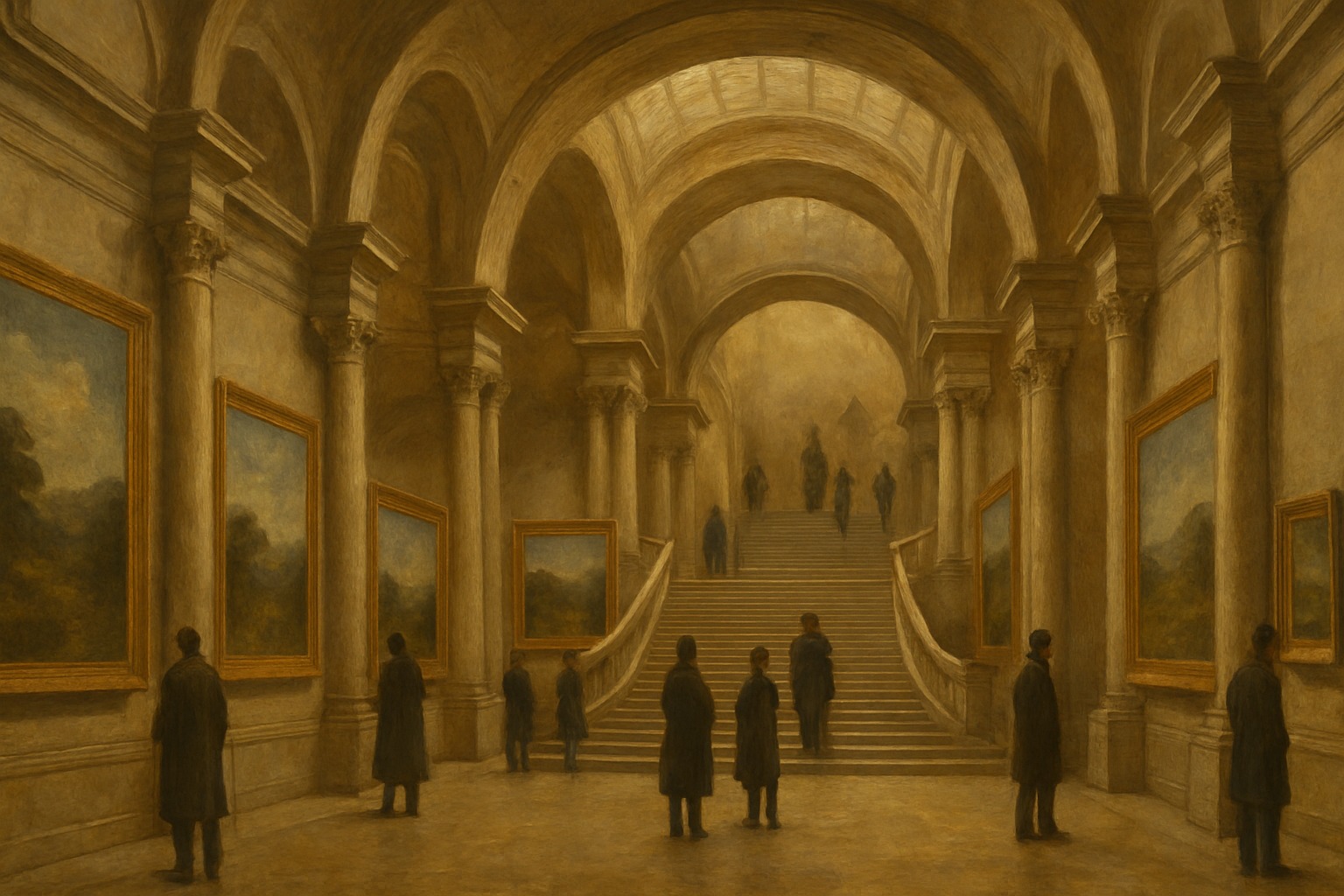
Mellon's gift was designed to draw others, and it did. Because the gallery carried no single donor's name, other great collectors were moved to add their treasures to a truly national collection, which grew to hold European and American masterpieces spanning centuries, including the only painting by Leonardo da Vinci in the Americas. Admission, in keeping with its founding spirit, was free to all.
The gallery expanded over the decades, adding the bold modern East Building designed by the architect I. M. Pei to house contemporary art and traveling exhibitions. Though supported by the federal government and sitting among the great public buildings of the capital, it remained governed independently, a hybrid of public purpose and private philanthropy characteristic of American cultural institutions.
The National Gallery of Art gave the United States a national collection to rival those of Europe, assembled not by royal decree but by the gifts of private citizens to their fellow Americans. Its history reflects the peculiarly American way of building great public institutions — through the conversion of private fortune into a gift held in common and open to everyone, without charge.
| Established | 1937 |
| Gift of | Andrew W. Mellon (collection and building) |
| Location | The National Mall, Washington, D.C. |
| Holdings | European and American masterpieces |
| Admission | Free |
| Note | The nation's art museum |
| Date | Established 1937 |
| Location | Washington, D.C. |