Mount Rushmore
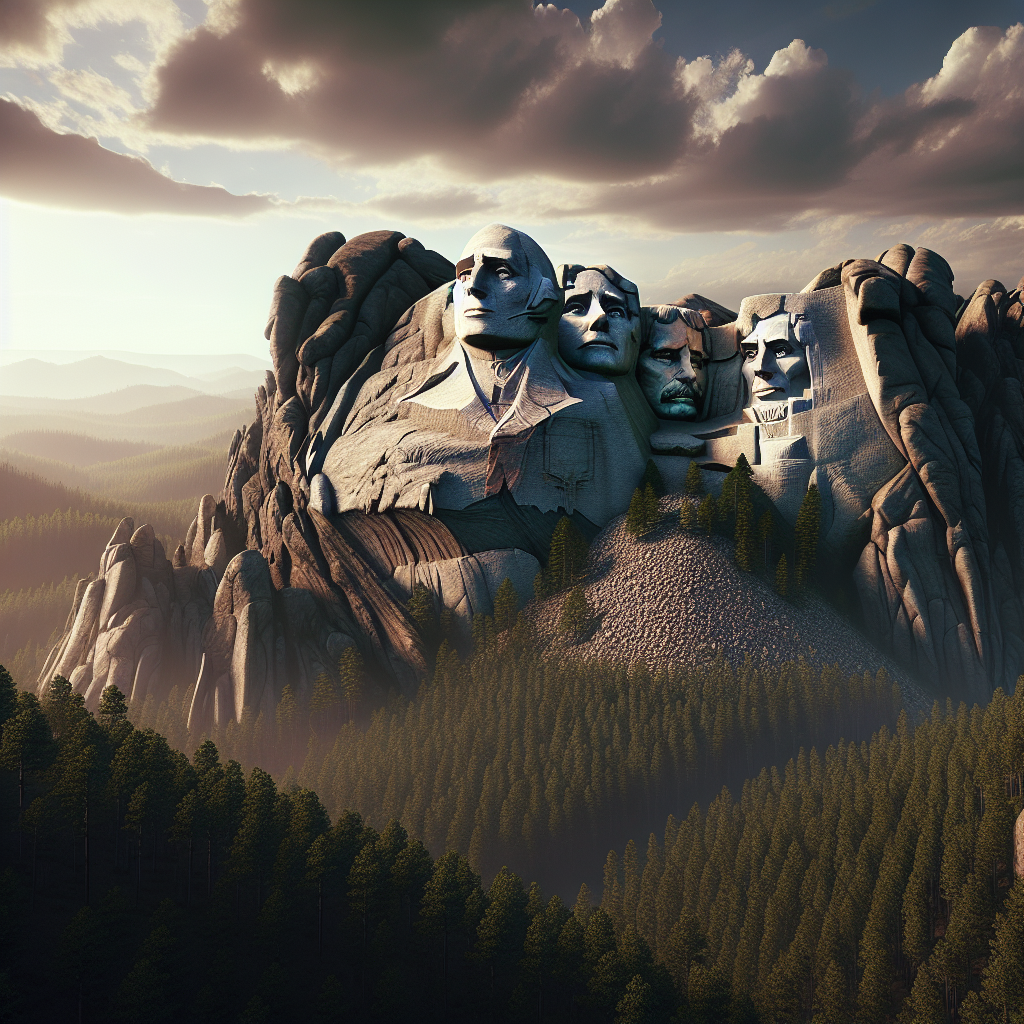
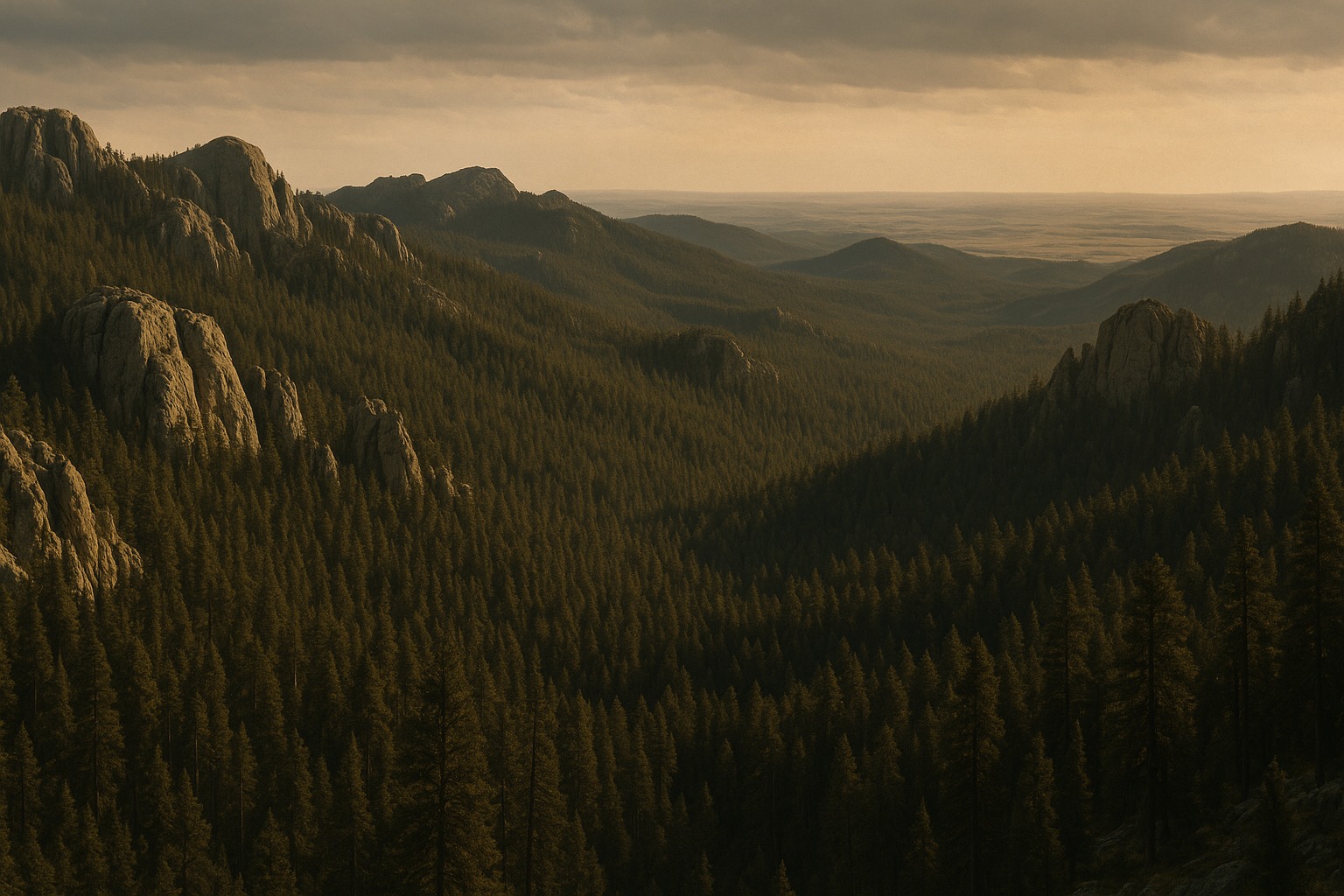
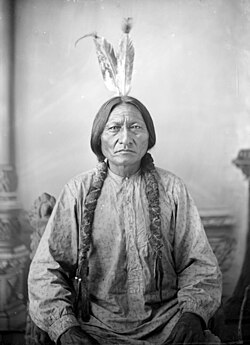
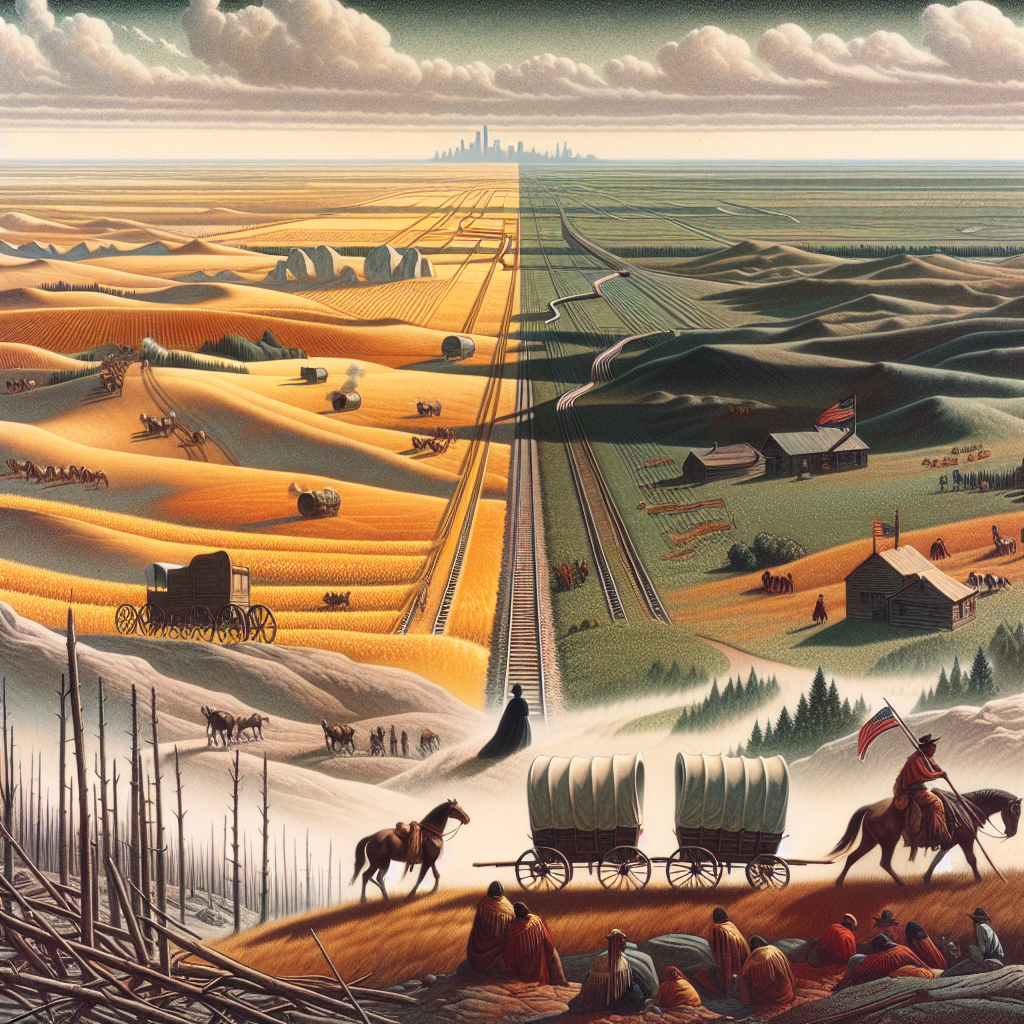
Mount Rushmore is simultaneously one of the most ambitious public art projects in American history and one of its more uncomfortable symbols. Between 1927 and 1941, sculptor Gutzon Borglum and a crew of 400 workers used dynamite and jackhammers to carve the 60-foot faces of George Washington, Thomas Jefferson, Abraham Lincoln, and Theodore Roosevelt into a granite cliff in the Black Hills of South Dakota. The faces are technically extraordinary. The location is the Black Hills — land taken from the Lakota Sioux in violation of the Fort Laramie Treaty of 1868, after gold was discovered there in 1874. The monument celebrates American greatness on land taken in the living memory of some who watched it being carved.
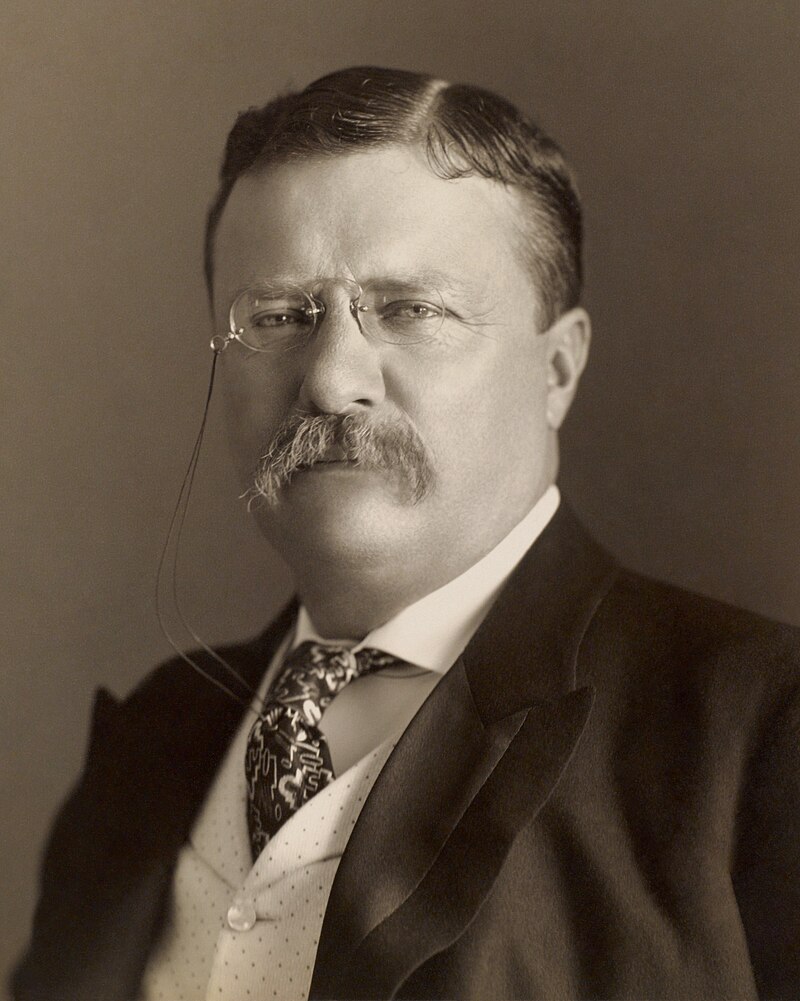
The choice of subjects was Borglum's, shaped by his patron — South Dakota historian Doane Robinson, who conceived the project to attract tourism — and by his own ideological priorities. His four presidents were intended to represent the nation's founding, expansion, preservation, and development — Washington, Jefferson, Lincoln, Roosevelt — a framework that mapped neatly onto a particular vision of American progress that left out substantial portions of the American story. The Lakota Sioux have consistently refused a congressional settlement for the illegal taking of the Black Hills, holding that the land itself — not money — is what was taken and what must be returned.
A competing project on the same geologic formation — the Crazy Horse Memorial, begun in 1948 by sculptor Korczak Ziolkowski at the invitation of Lakota Chief Henry Standing Bear — remains unfinished and has received no federal funding. The two monuments, 17 miles apart in the same hills, represent the same landscape interpreted by two irreconcilable histories. Mount Rushmore draws roughly three million visitors annually. The $1.3 billion settlement the Lakota have refused sits in a federal trust account accumulating interest that the tribe will not touch. It is now worth over $2 billion.
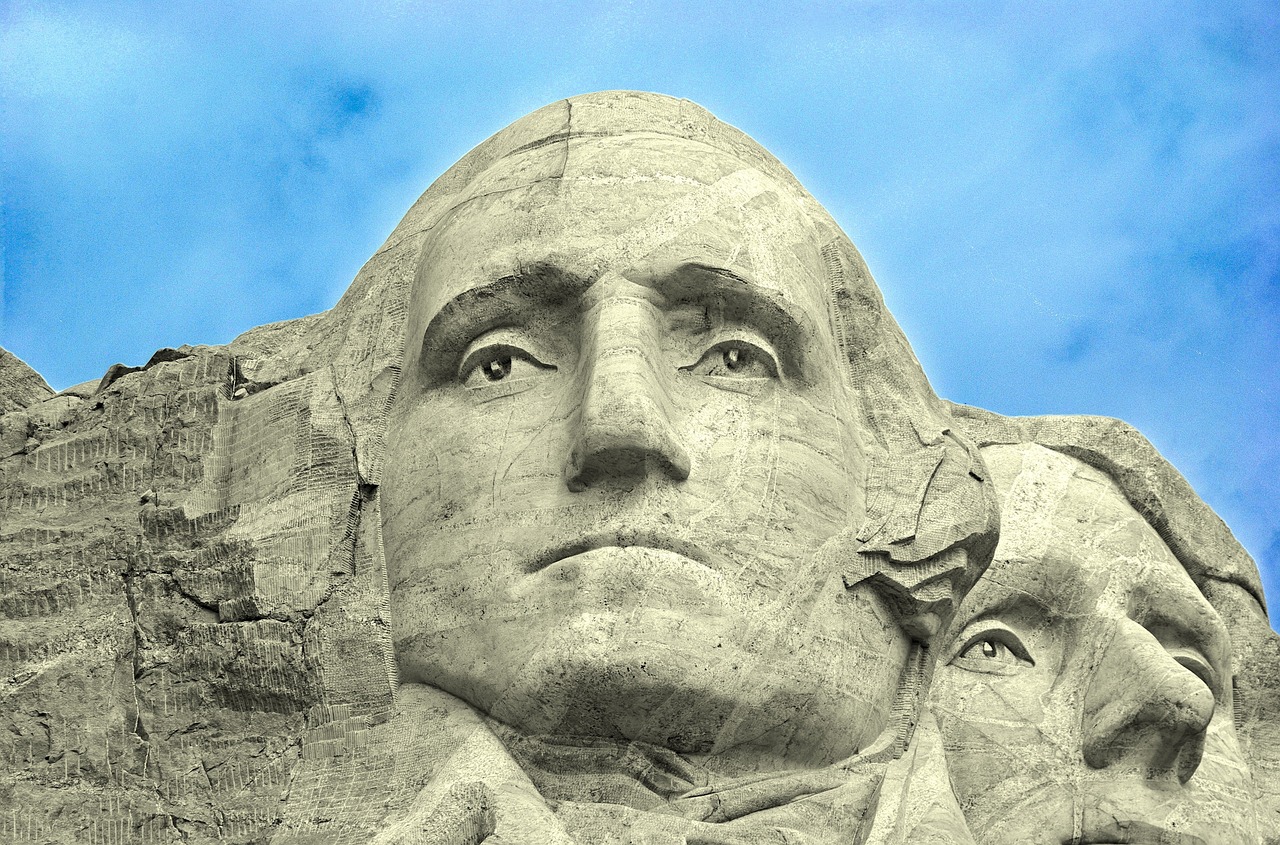
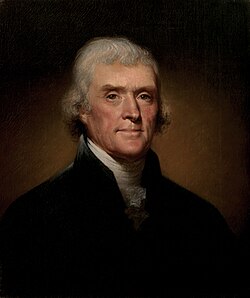
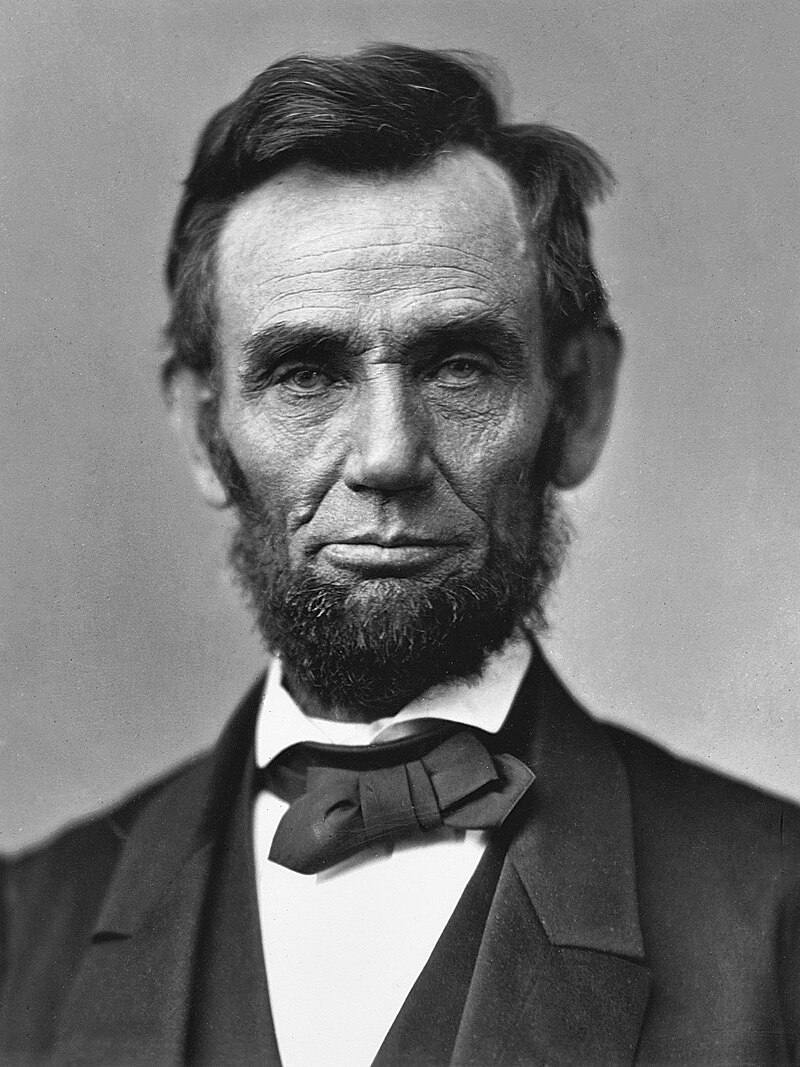
| Location | Black Hills, Keystone, South Dakota |
| Sculptor | Gutzon Borglum (completed by son Lincoln Borglum) |
| Construction | 1927–1941 |
| Subjects | Washington, Jefferson, Lincoln, Theodore Roosevelt |
| Face Height | 60 feet per face |
| Visitors | approx. 3 million annually |
| Lakota Claim | Refused $1.3B settlement; demand return of Black Hills land |
| Years | 1927–1941 |
| Location | Keystone, South Dakota |