Smithsonian Institution
James Smithson was a British chemist and mineralogist who never set foot in the United States, yet when he died in 1826 his will left his entire fortune — roughly $500,000 in gold sovereigns, a vast sum for the era — to the United States government, to found, in his words, "an establishment for the increase and diffusion of knowledge among men." The bequest took effect only if his nephew died without an heir, which happened in 1835. Congress spent a decade arguing over whether the government could legally accept money from a foreigner to found an American institution before finally voting to accept it in 1846.
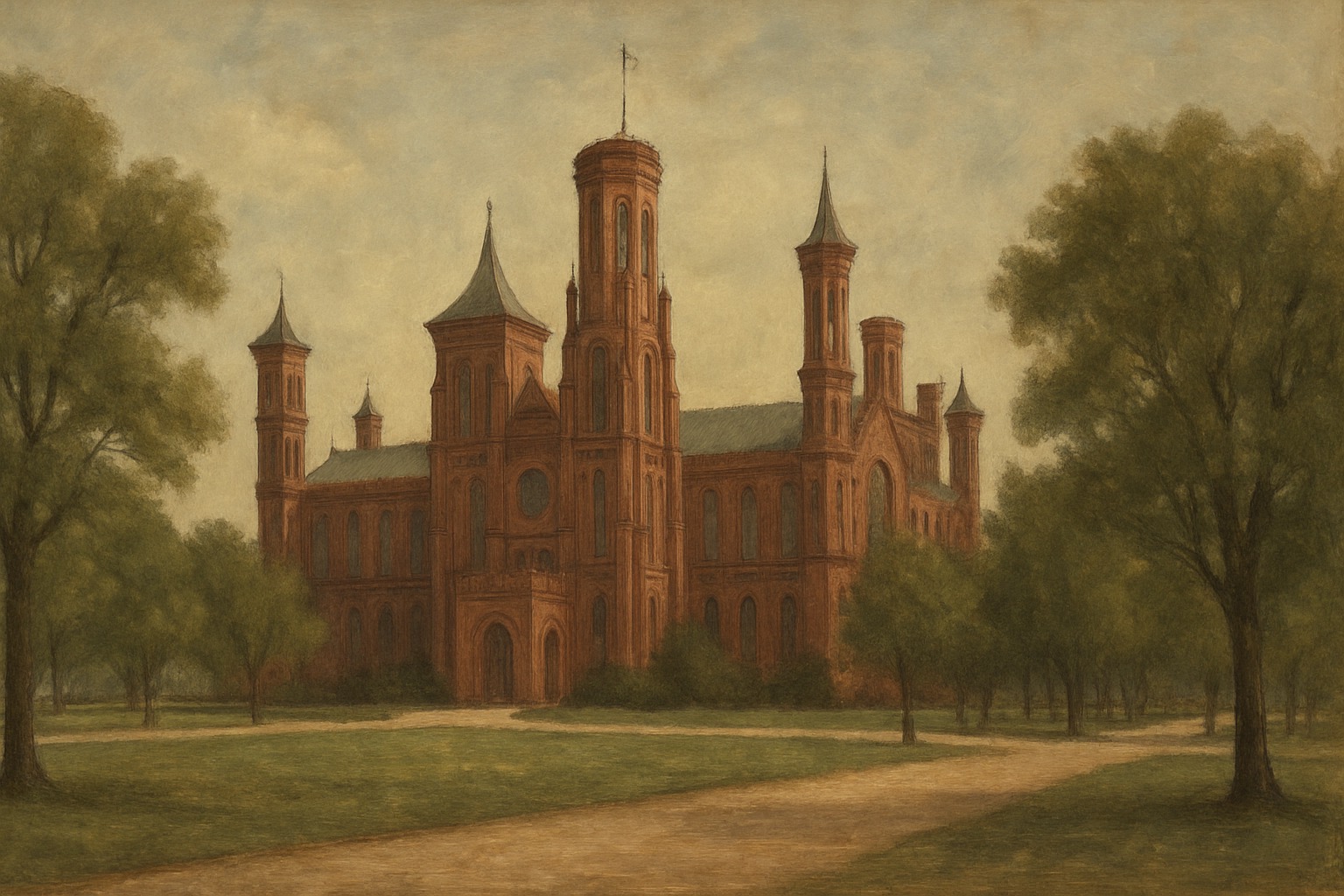
The gold arrived in Philadelphia in 11 boxes and was melted down and reminted into American currency. Congress chartered the Smithsonian Institution on August 10, 1846, and its first secretary, the physicist Joseph Henry, insisted on building a serious scientific research organization rather than a simple museum, a vision that shaped the institution's priorities for decades. Architect James Renwick Jr. designed the red sandstone "Castle" that still serves as the Smithsonian's headquarters and visitor center, completed in 1855 in a deliberately medieval style meant to evoke permanence and seriousness. Smithson's own remains were brought from Italy and reinterred in a crypt inside the Castle in 1904.
What began as a single research institution has grown into the largest museum and research complex in the world: 21 museums, the National Zoo, and dozens of research centers, almost all of them free to the public by long-standing policy. The National Museum of Natural History, the National Air and Space Museum, and the National Museum of African American History and Culture, opened in 2016 after more than a century of advocacy, all operate under the Smithsonian's umbrella. The scale of its holdings, estimated at well over 150 million items, earned it the enduring nickname "the nation's attic."
Often called "the nation's attic," the Smithsonian carries a quasi-governmental identity that reflects its odd origins. It is funded largely by the federal government yet governed by an independent board, neither wholly a public agency nor a private trust. Its holdings range from the Wright brothers' first airplane and the Star-Spangled Banner to the fossil record of deep time, and its free admission embodies Smithson's instruction that knowledge be diffused rather than hoarded. A stranger's bequest became the collective memory of a nation.
| Founded | 1846, by act of Congress |
| Bequest | Roughly $500,000 in gold |
| Benefactor | James Smithson, English chemist |
| Chartered by Congress | August 10, 1846 |
| Bequest | ~$500,000 in gold sovereigns |
| First Secretary | Joseph Henry |
| First Secretary | Joseph Henry, physicist |
| Castle building completed | 1855 |
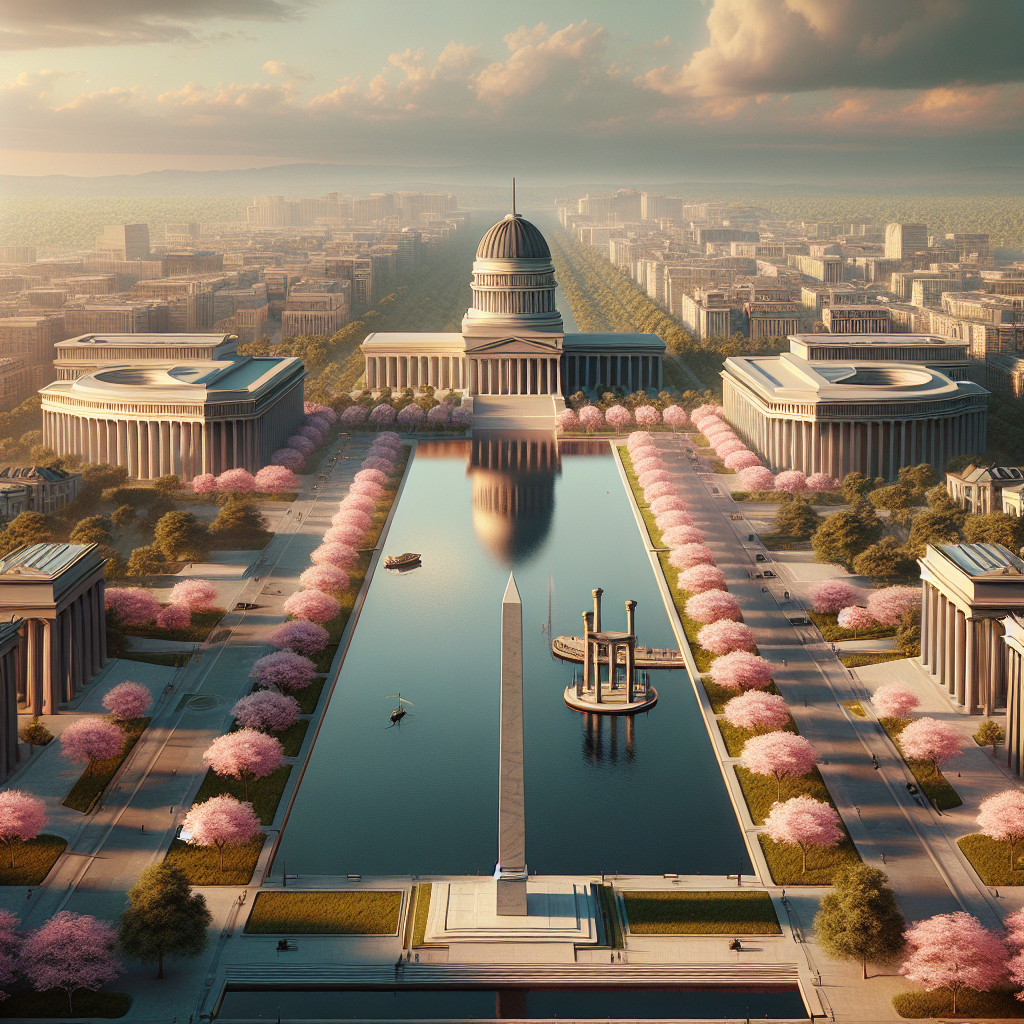
| Location | Washington, D.C. (the National Mall) |
| Museums today | 21, plus the National Zoo |
| Scope | 20+ museums, research centers, and the National Zoo |
| Nickname | "The Nation's Attic" |
| Date | Chartered August 10, 1846 |
| Location | Washington, D.C. |