The Metropolitan Museum of Art
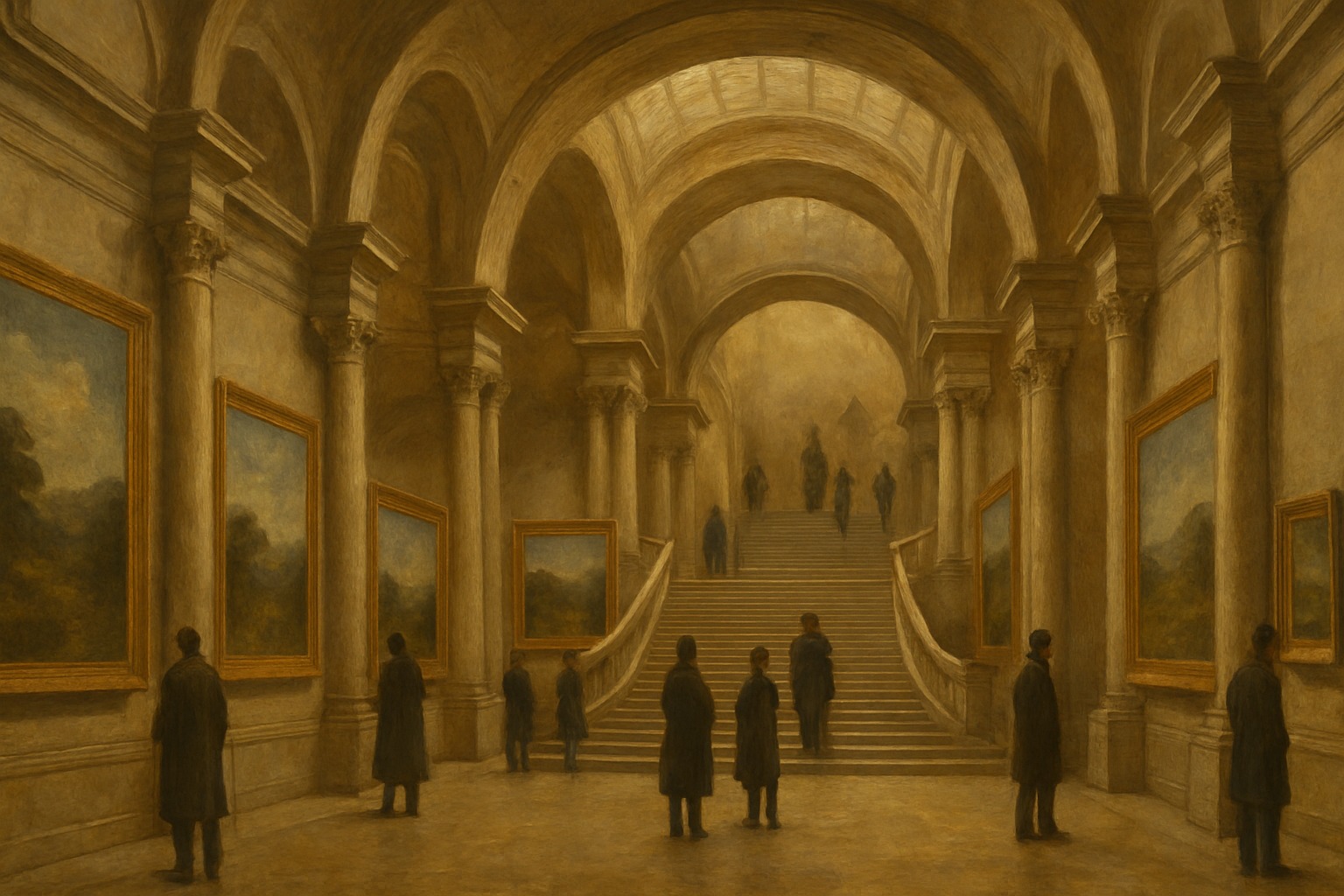
A young nation with no royal collections to inherit had to build its temples of art from scratch. In 1870 a group of New York civic leaders, businessmen, and artists founded the Metropolitan Museum of Art, determined to bring great art and art education to the American people. From a modest start it grew into a vast institution on Fifth Avenue at the edge of Central Park, and into one of the largest and most visited art museums in the world.
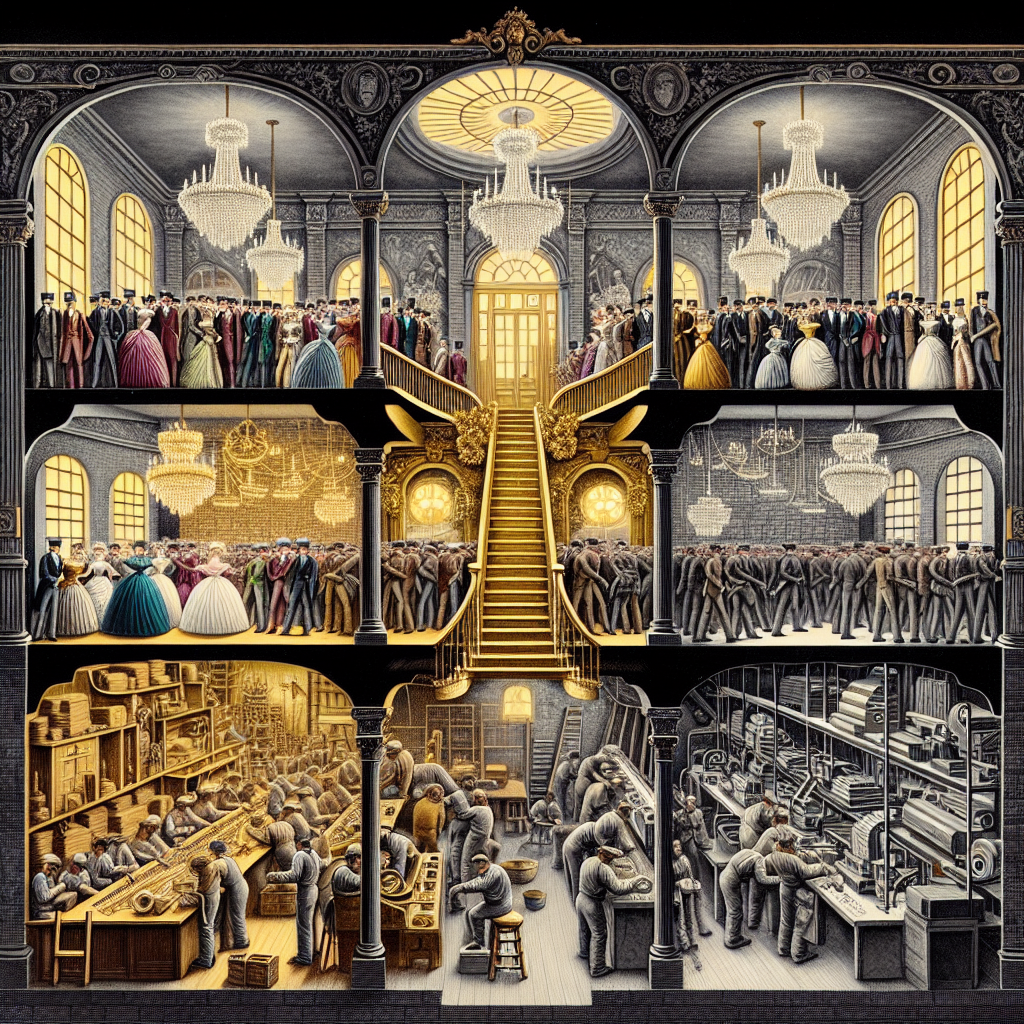
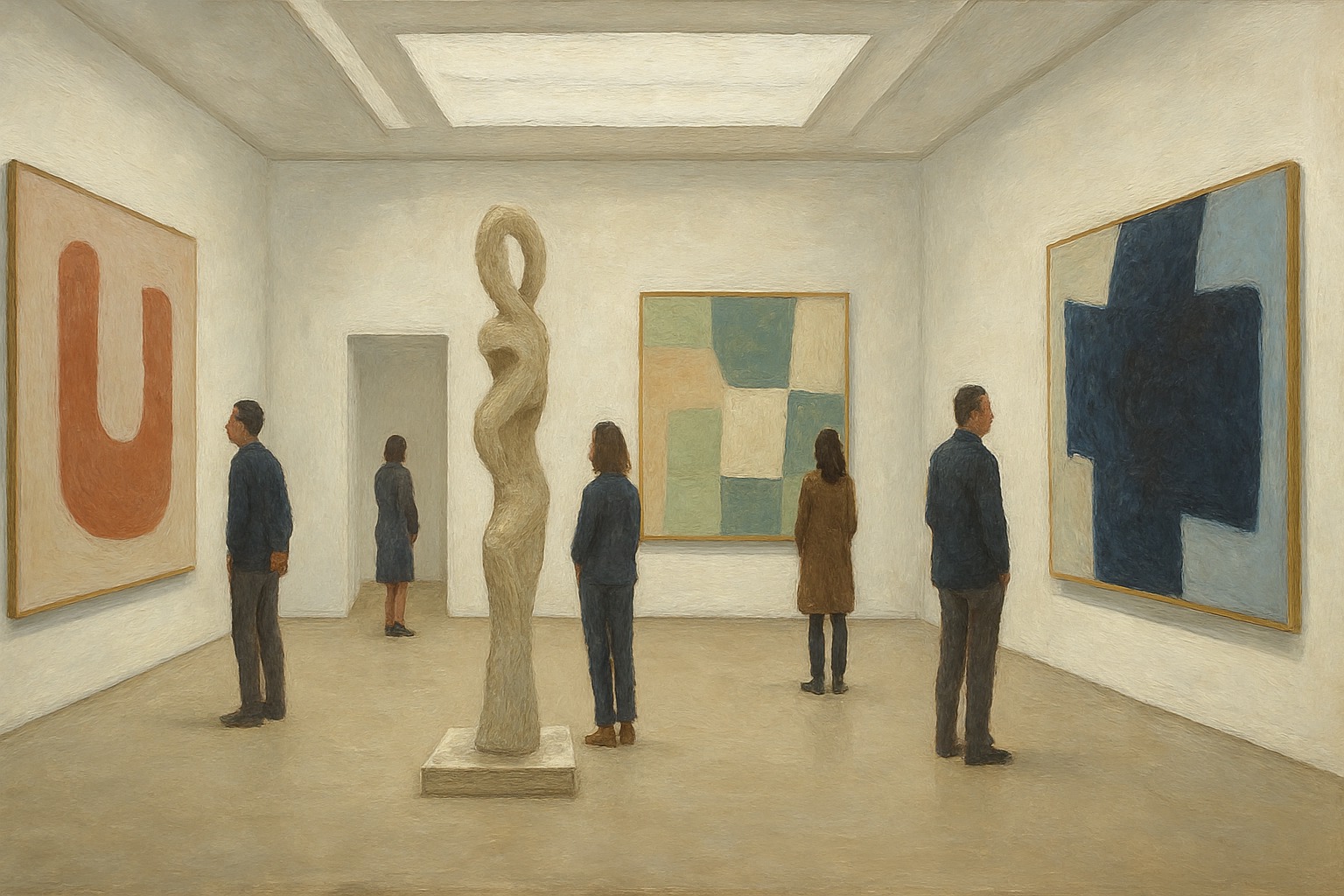
The Met set out to be encyclopedic, gathering under one roof the art of five thousand years and every corner of the globe — Egyptian temples, European masters, American paintings, arms and armor, and the costume collection whose annual gala became a fixture of celebrity culture. Its holdings were built by the fortunes of the Gilded Age, with financiers such as J. P. Morgan, who served as its president, donating and directing the acquisition of treasures.
The museum became a monument to the American conviction that art belonged to the public, not just the aristocracy. Its outpost of medieval art, the Cloisters, rose in upper Manhattan from reassembled European monastery fragments, and its galleries drew millions of visitors a year, from schoolchildren to scholars, into contact with the achievements of human civilization.
The Metropolitan Museum of Art embodied a distinctly American cultural ambition — to assemble, in a country barely a century old, a collection worthy of the ancient capitals of Europe, and to open it to everyone. Its history traces the way private wealth, civic pride, and a democratic ideal combined to build the great public cultural institutions of the United States.


| Founded | 1870, New York City |
| Location | Fifth Avenue, at Central Park |
| Collection | Encyclopedic — 5,000+ years of art |
| Built by | Gilded Age philanthropy (J.P. Morgan and others) |
| Note | One of the world's largest art museums |
| Date | Founded 1870 |
| Location | New York City |