The Museum of Modern Art
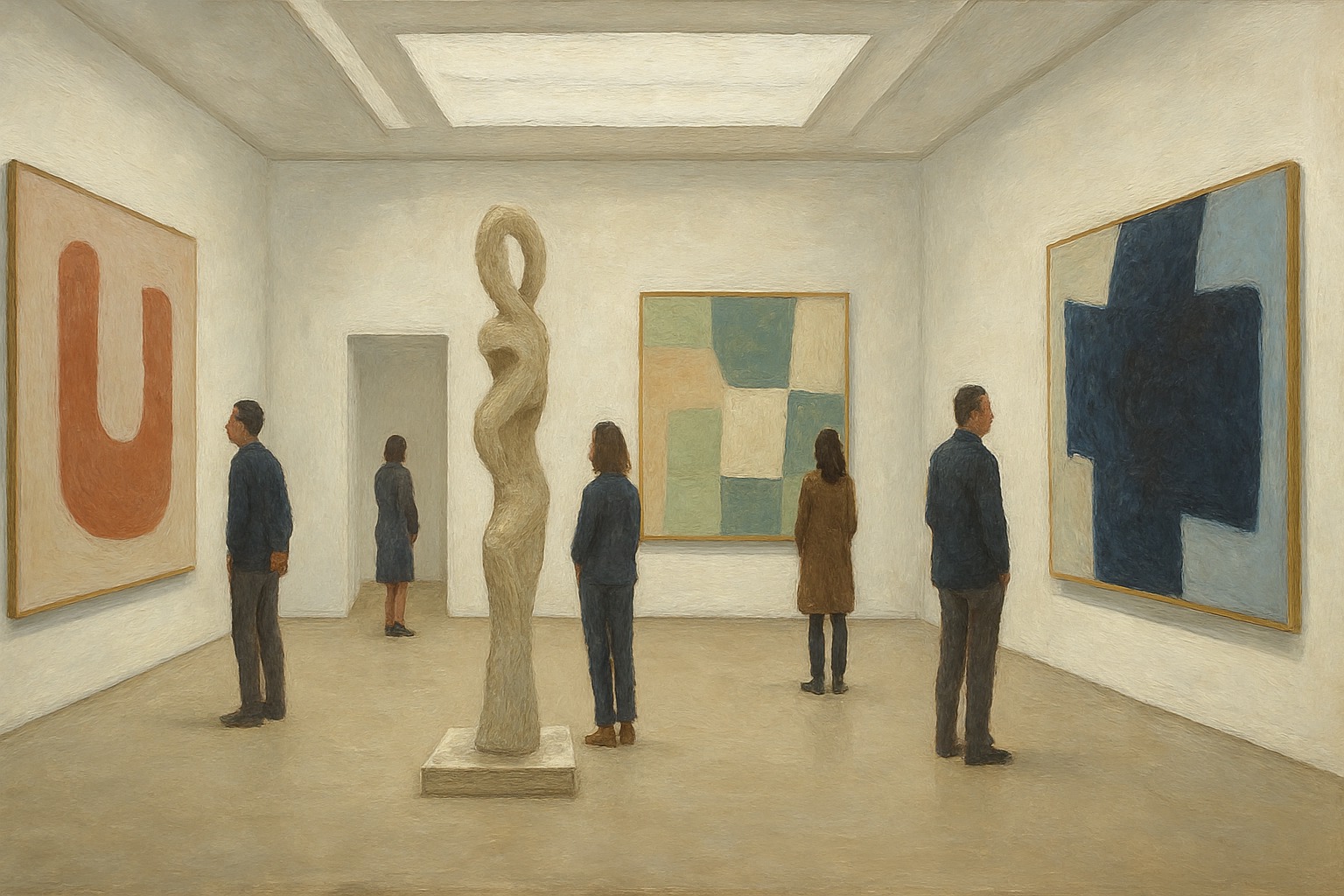
The Museum of Modern Art opened in New York in 1929, just days after the stock market crash, on the conviction that the challenging new art of the twentieth century deserved a museum of its own. Founded by a trio of visionary women led by Abby Aldrich Rockefeller, MoMA set out to champion modern and contemporary art at a time when the established museums dismissed it, and to persuade a skeptical public that it mattered.
MoMA did more than collect modern art — it defined it. Through its exhibitions and its influential first director, the museum assembled the canon of modernism, from Van Gogh's Starry Night to the works of Picasso and Matisse, and taught Americans how to look at abstraction. Just as radically, it insisted that photography, film, design, and architecture were art too, and built departments to collect and exhibit them.
The museum helped shift the center of the art world from Paris to New York, especially after the Second World War, when it championed the American abstract expressionists and made the city the capital of contemporary art. Backed by Rockefeller money and a devoted following, MoMA became one of the most influential arbiters of modern taste in the world.
From a small gallery opened in the teeth of the Depression to a global tastemaker, the Museum of Modern Art transformed how the twentieth century saw its own art. Its history traces the triumph of modernism and the rise of the United States, and of New York in particular, as a dominant force in world culture.
| Founded | 1929, New York City |
| Founders | Abby Aldrich Rockefeller and others |
| Focus | Modern and contemporary art |
| Firsts | Treated film, photography, and design as art |
| Note | Defined the modern-art canon |
| Date | Founded 1929 |
| Location | New York City |