The Hudson River School
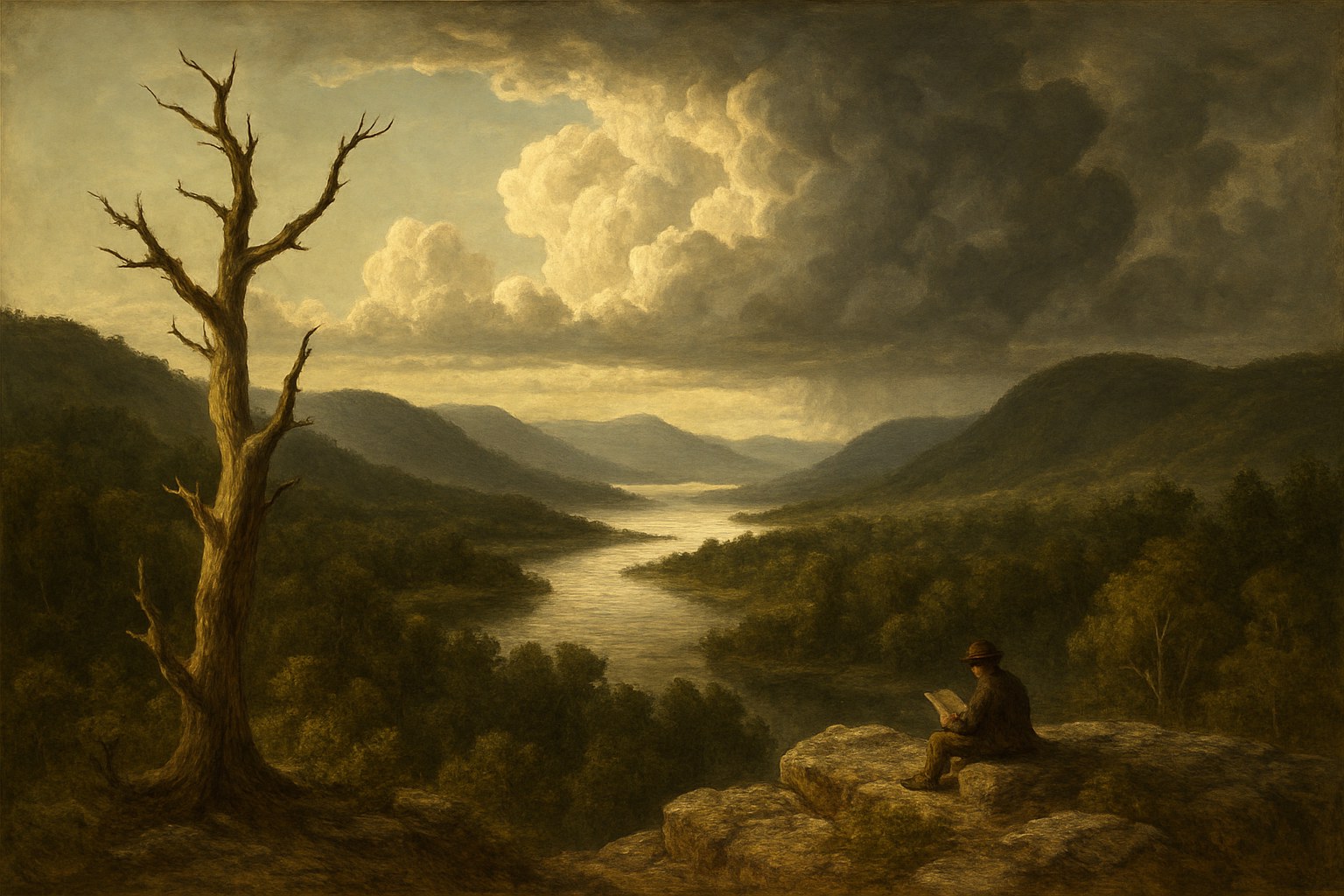
In the autumn of 1825 a young English-born painter named Thomas Cole came back from a sketching trip up the Hudson with three canvases of the Catskills and put them in a New York shop window. John Trumbull, the aging painter of the Revolution, saw one and bought it, telling friends that this untrained newcomer did what he himself could not. That accident of a sale launched the first American school of painting. Its premise was simple and deeply felt: a country with no cathedrals and no ruins had wilderness instead, and wilderness would serve.
Cole painted the American landscape as scripture and as warning. His five-canvas cycle The Course of Empire traced a wild valley through pastoral settlement, imperial splendor, sack, and desolation, an argument aimed squarely at a republic in a hurry. Asher B. Durand, who took over after Cole's early death in 1848, argued for painting directly from nature and for the honest study of rocks and trees. Their landscapes were never neutral scenery. They carried the transcendentalist conviction that the natural world was where Americans would encounter God, and the national conviction that the continent was theirs to inherit.
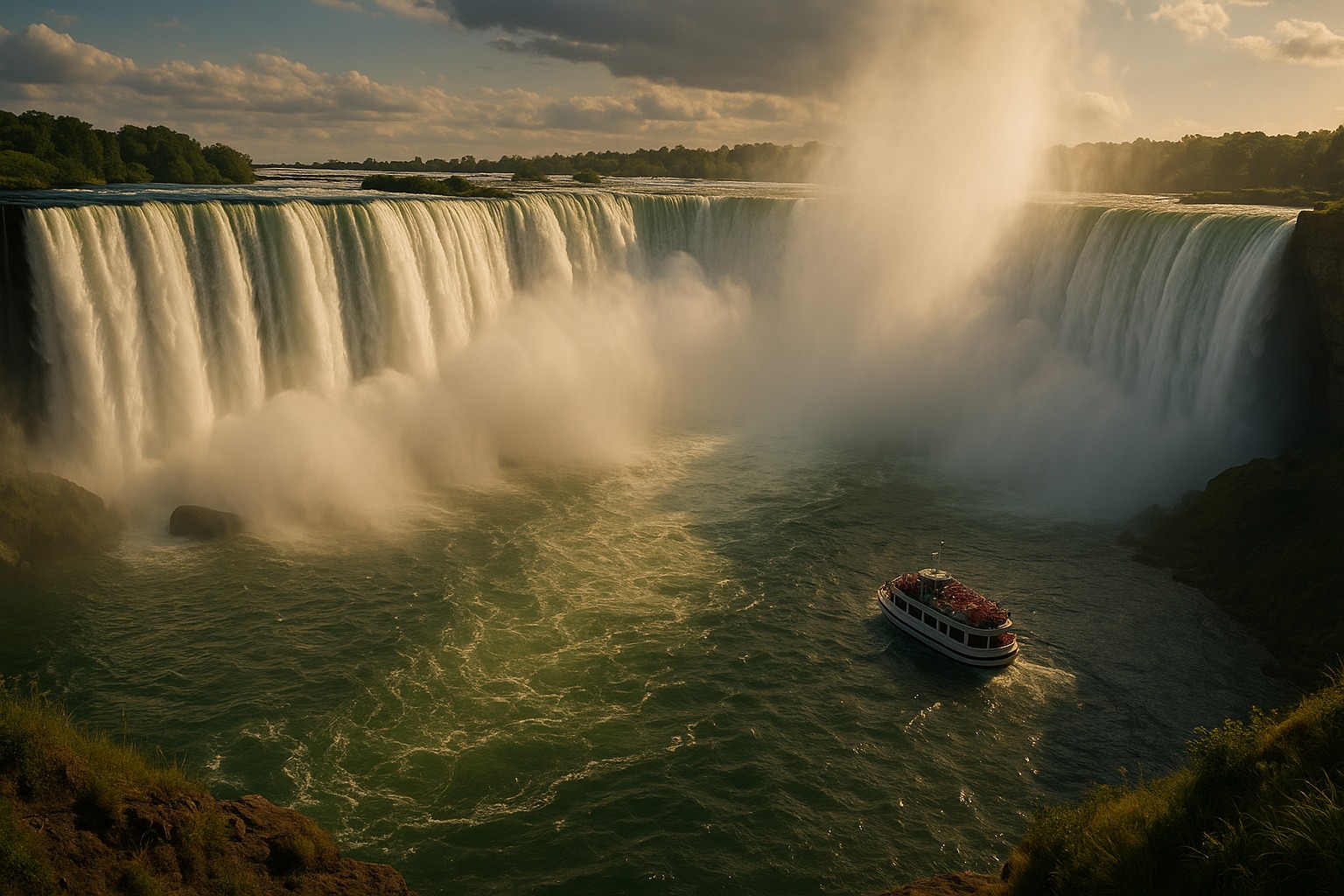
The second generation went bigger and farther. Frederic Edwin Church painted Niagara and the Andes on canvases so large they were exhibited one at a time in a darkened room, with a ticket price, printed pamphlets, and opera glasses handed out at the door — paid attractions that drew tens of thousands. Albert Bierstadt did the same with the Rocky Mountains and the Sierra, working from sketches made on Western survey expeditions, and sold single pictures for sums no American painter had commanded before. The paintings advertised the West at the same moment the railroads and the government were opening it.
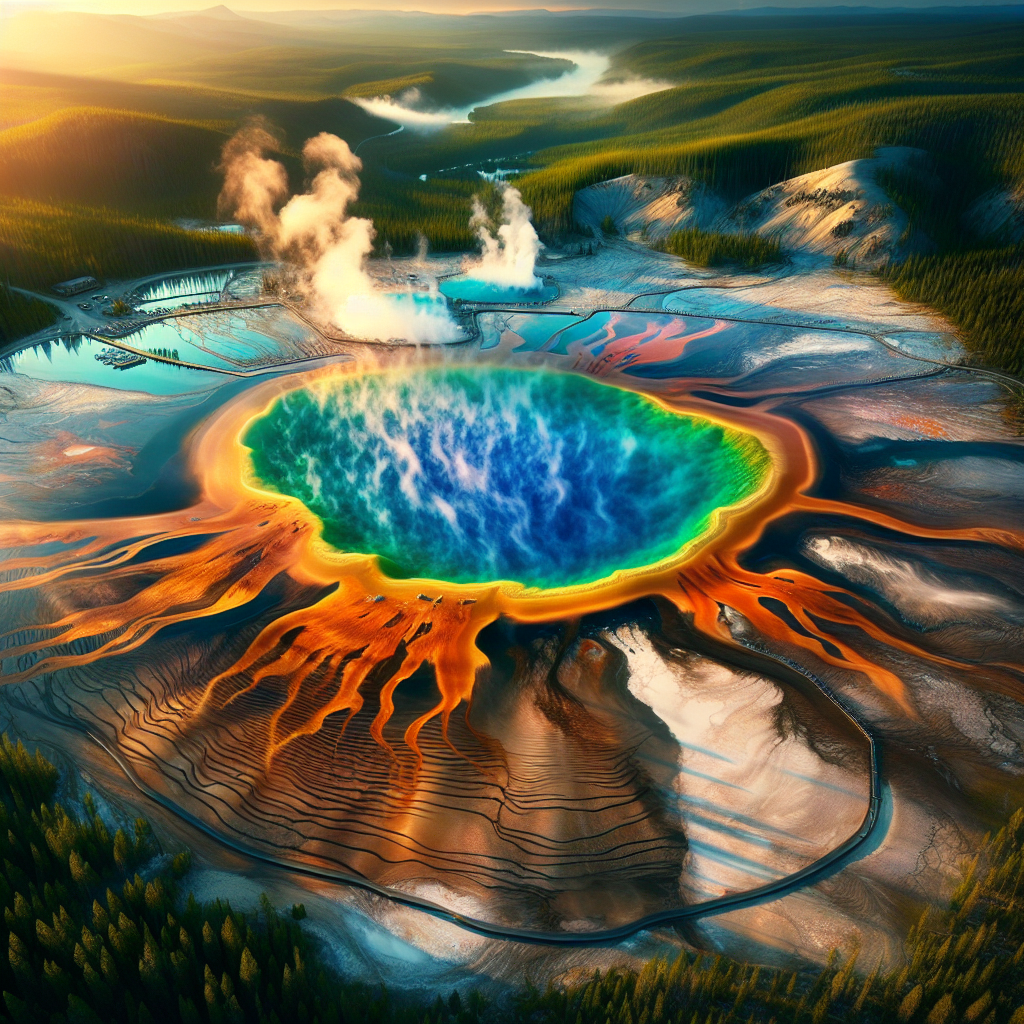
That publicity had consequences the painters did not entirely intend. Thomas Moran's watercolors from the 1871 Hayden Survey circulated in Congress while the Yellowstone bill was under debate, and the government bought his enormous Grand Canyon of the Yellowstone for the Capitol the next year. The link between the great scenic canvases and the early conservation movement was direct: Americans learned to value particular landscapes as national property partly by seeing them framed on a wall. By 1880 fashion had moved to French Barbizon and impressionist work, and the school fell out of favor for eighty years before museums rediscovered it.
| Began | 1825, with Thomas Cole's Catskill views |
| Founders | Thomas Cole and Asher B. Durand |
| Second wave | Frederic Church, Albert Bierstadt, Thomas Moran |
| Method | Single-picture shows with paid admission |
| Consequence | Fed the case for Yellowstone and the parks |
| Eclipsed | By 1880, in favor of French painting |
| Date | 1825-1880 |
| Location | Catskill, New York |