The WPA Federal Art Project
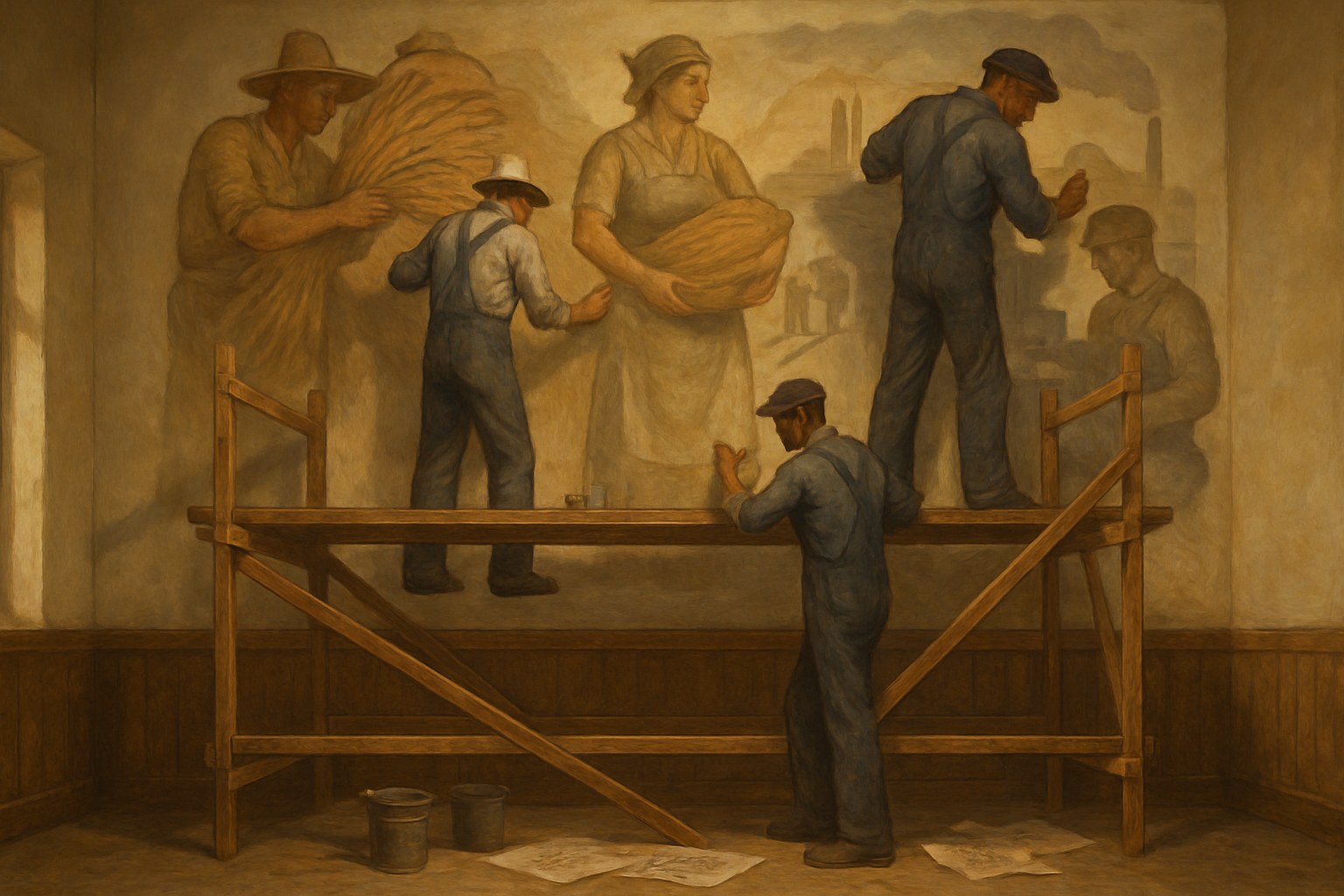
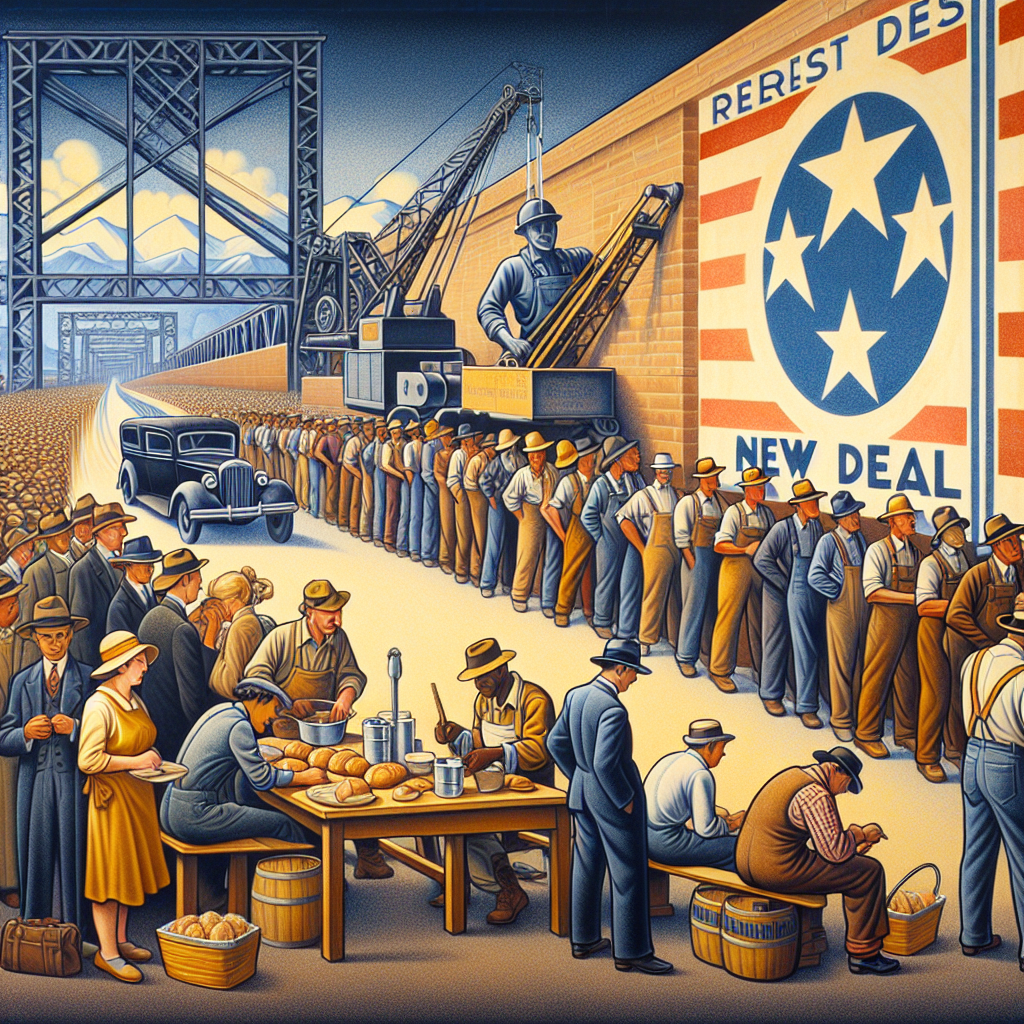
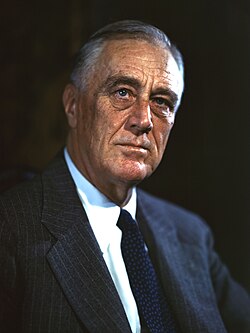
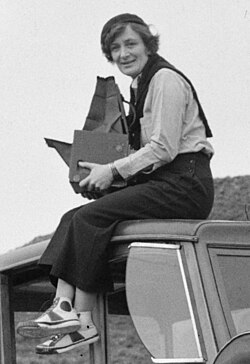
In 1935 the federal government decided that artists were workers and that unemployed workers should be put on a payroll. The Federal Art Project, one of four arts programs under Federal Project Number One inside the Works Progress Administration, hired painters, sculptors, printmakers, teachers, and photographers and paid them a relief wage of roughly twenty-three dollars a week to make art for public places. Its director, Holger Cahill, a former museum curator with a taste for folk material, argued that a healthy culture grew from wide participation rather than from a handful of geniuses.
Over eight years the project employed something on the order of ten thousand people and produced a staggering inventory: more than two thousand murals, over a hundred thousand easel paintings, tens of thousands of prints and sculptures, and posters by the hundreds of thousands. It also ran roughly a hundred community art centers in twenty-two states, many in places that had never had a gallery or an art class, where ordinary people could take instruction for free. The Index of American Design sent artists out to record quilts, weathervanes, furniture, and shop signs in some eighteen thousand precise watercolor plates.
One durable confusion is worth clearing up. The small-town post office murals that most Americans associate with the New Deal were mostly not WPA work. They came from the Treasury Department's Section of Fine Arts, which awarded commissions by anonymous competition on artistic merit and paid for them out of construction budgets rather than relief funds. The distinction mattered at the time: the Section hired the best applicant, while the Federal Art Project hired the artist who needed the job. Both were part of the same broad conviction that the government had business commissioning art.
What the project bought, besides the murals, was a generation. Jackson Pollock, Willem de Kooning, Mark Rothko, Lee Krasner, Arshile Gorky, Philip Guston, Louise Nevelson, and Jacob Lawrence all drew federal checks in the late 1930s, learned to work at architectural scale, and were still painting when the war ended. Congress killed the program in 1943 amid charges of boondoggling and communist sympathies, and thousands of canvases were later sold for scrap or lost. It remains the largest direct public patronage of art in American history.
| Ran | 1935-1943, under the WPA |
| Director | Holger Cahill |
| Employed | On the order of 10,000 artists |
| Wage | About twenty-three dollars a week |
| Index of American Design | Some 18,000 watercolor records of folk objects |
| Alumni | Pollock, de Kooning, Rothko, Krasner, Lawrence |
| Date | 1935-1943 |
| Location | Washington, D.C. |