The Armory Show
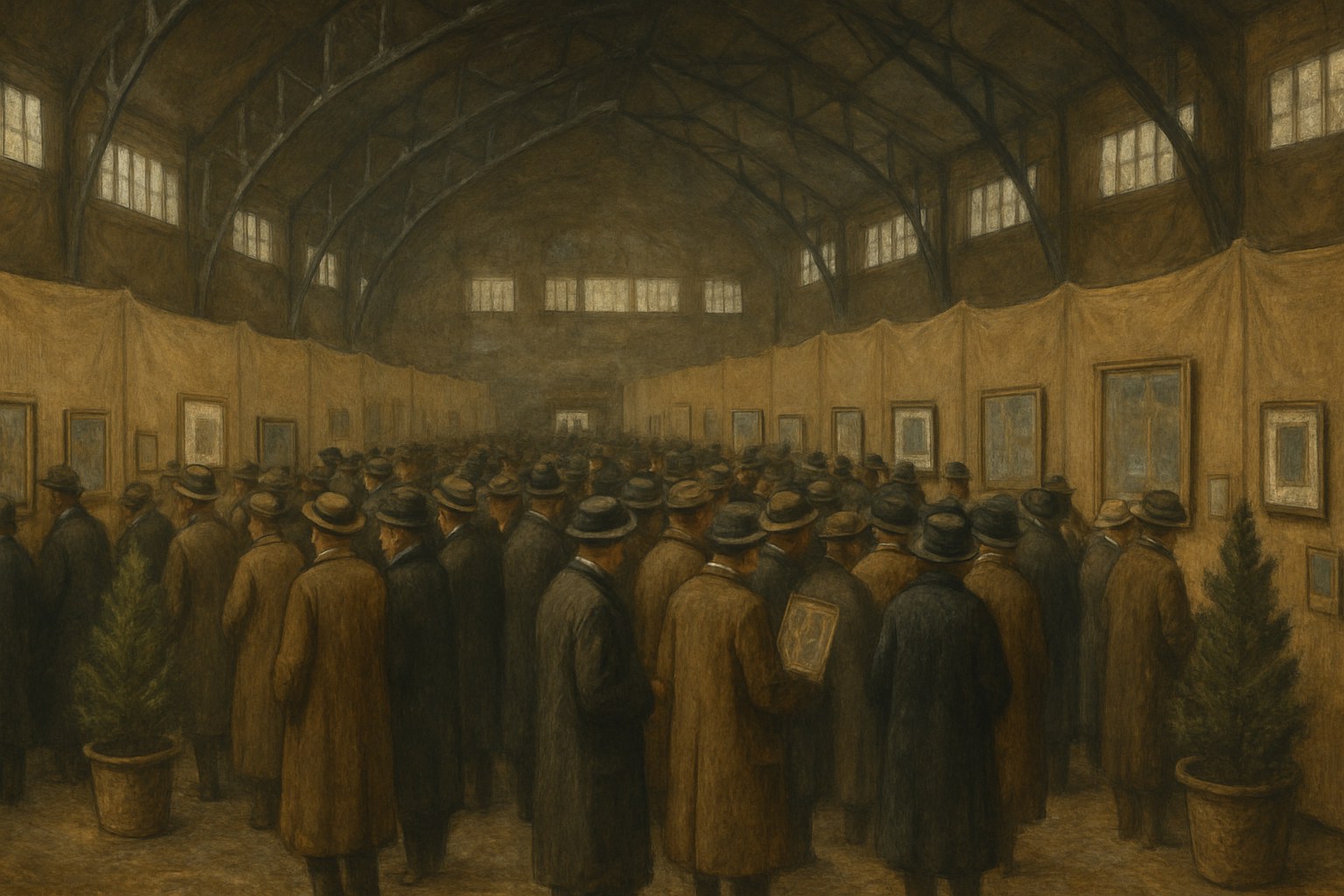
A small group of New York painters, tired of academy juries, formed the Association of American Painters and Sculptors in 1911 to mount shows of their own. Their president, Arthur B. Davies, and the painter Walt Kuhn then enlarged the plan enormously, crossing the Atlantic to borrow work from European dealers and collectors. What opened on February 17, 1913, in the drill hall of the 69th Regiment Armory on Lexington Avenue was the International Exhibition of Modern Art: roughly thirteen hundred works, about a third of them European, hung on burlap partitions among potted evergreens.
The American rooms held Ashcan realists, impressionists, and academic painters. The European rooms held Cezanne, Van Gogh, Gauguin, Matisse, Picasso, Brancusi, and the cubists, and they were what the crowds came for. Marcel Duchamp's Nude Descending a Staircase, No. 2, a figure dissolved into overlapping planes of motion, became the show's scandal and its advertisement. A critic called it an explosion in a shingle factory. A newspaper offered a prize to any reader who could find the nude. The painting sold for three hundred and twenty-four dollars to a collector in San Francisco.
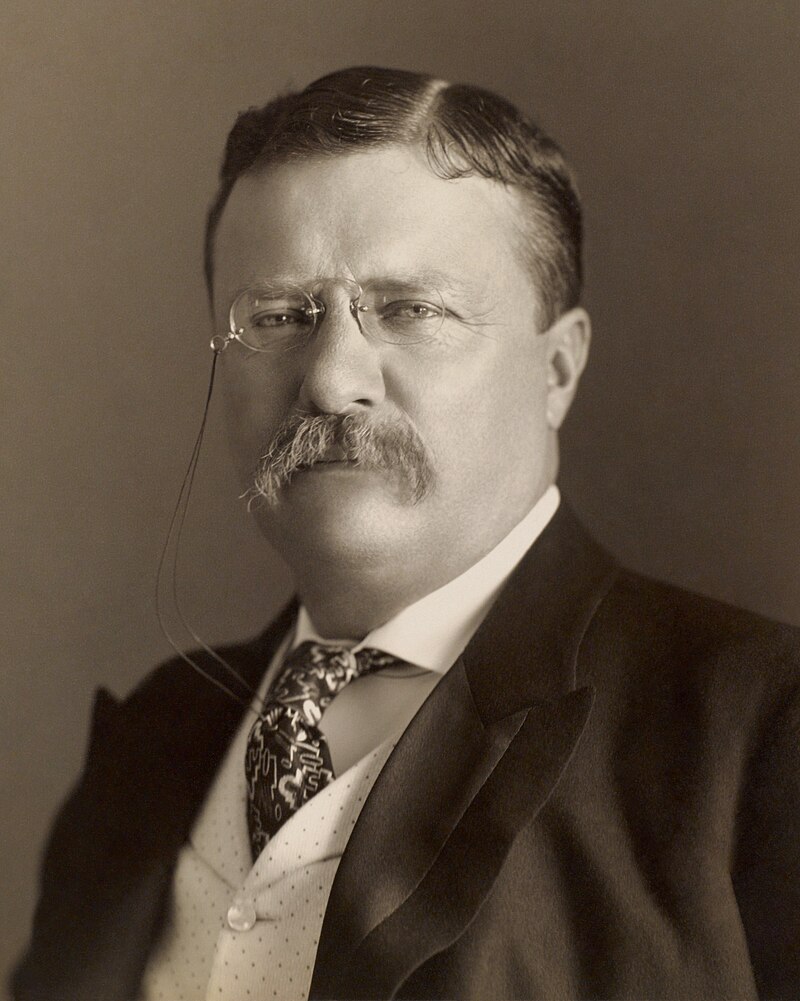
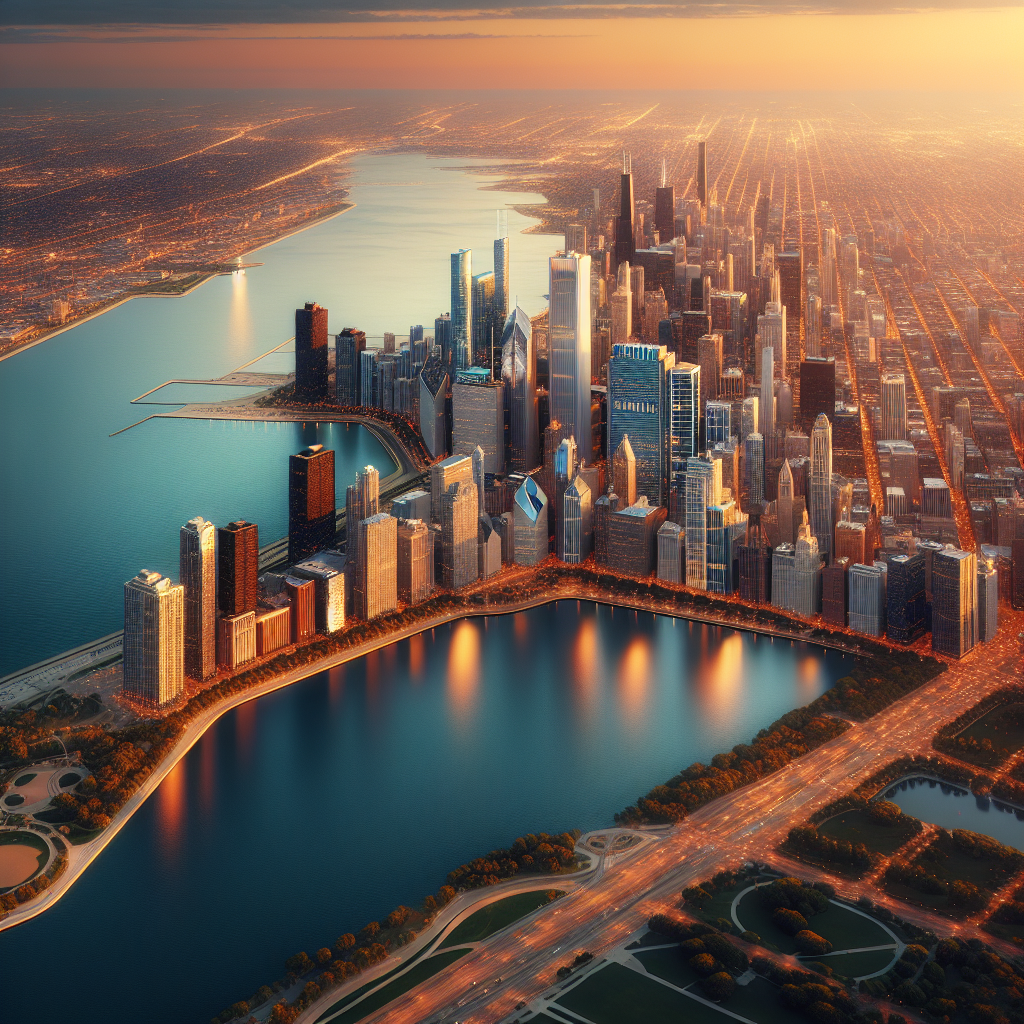
Roughly eighty-seven thousand people came through in New York, and a reduced version went on to the Art Institute of Chicago and to Boston, where students at the Chicago school staged a mock trial of Matisse and burned copies of his paintings. Theodore Roosevelt, out of office and reviewing the show for a magazine, praised the exhibitors for their courage, dismissed the cubists as a lunatic fringe, and remarked that a Navajo rug in his bathroom was a more satisfactory work of art than the Duchamp. The reaction, hostile and delighted at once, was national news for a month.
The show's effects were commercial as much as aesthetic. Collectors including Lillie Bliss, John Quinn, and Walter Arensberg bought heavily, and the Metropolitan Museum acquired a Cezanne, the first to enter an American public collection. Bliss's pictures became a founding gift of the Museum of Modern Art sixteen years later. American painters who had thought themselves advanced discovered they were provincial, and the split between realists and modernists that opened in 1913 organized American art for the next quarter century. Nothing after it could be shocking in quite the same way.
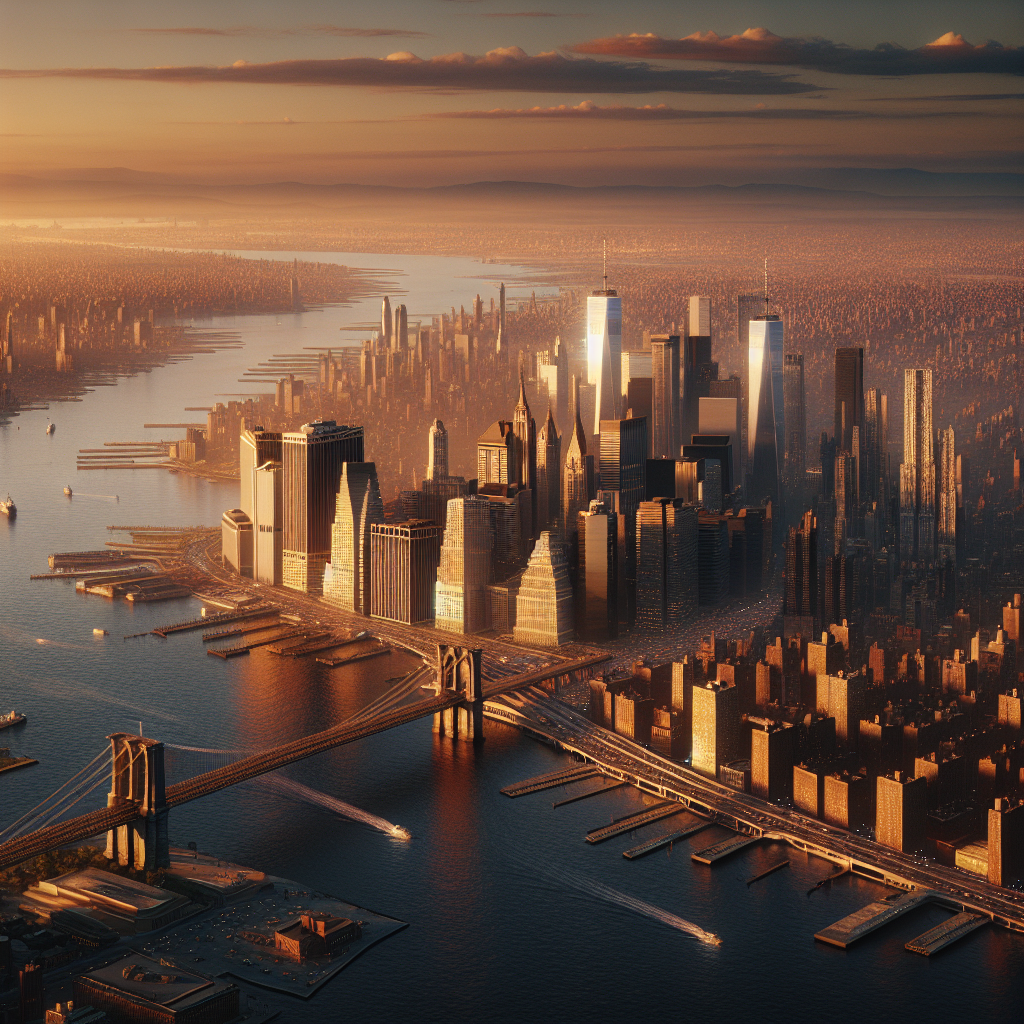
| Opened | February 17, 1913, New York City |
| Venue | The 69th Regiment Armory, Lexington Avenue |
| Organizers | The Association of American Painters and Sculptors |
| Scale | About 1,300 works, a third of them European |
| The scandal | Duchamp's Nude Descending a Staircase, No. 2 |
| Aftermath | New York attendance near 87,000, then Chicago and Boston |
| Date | February 17 - March 15, 1913 |
| Location | New York City |