The Road to Revolution: How America Escalated to War, 1763-1775
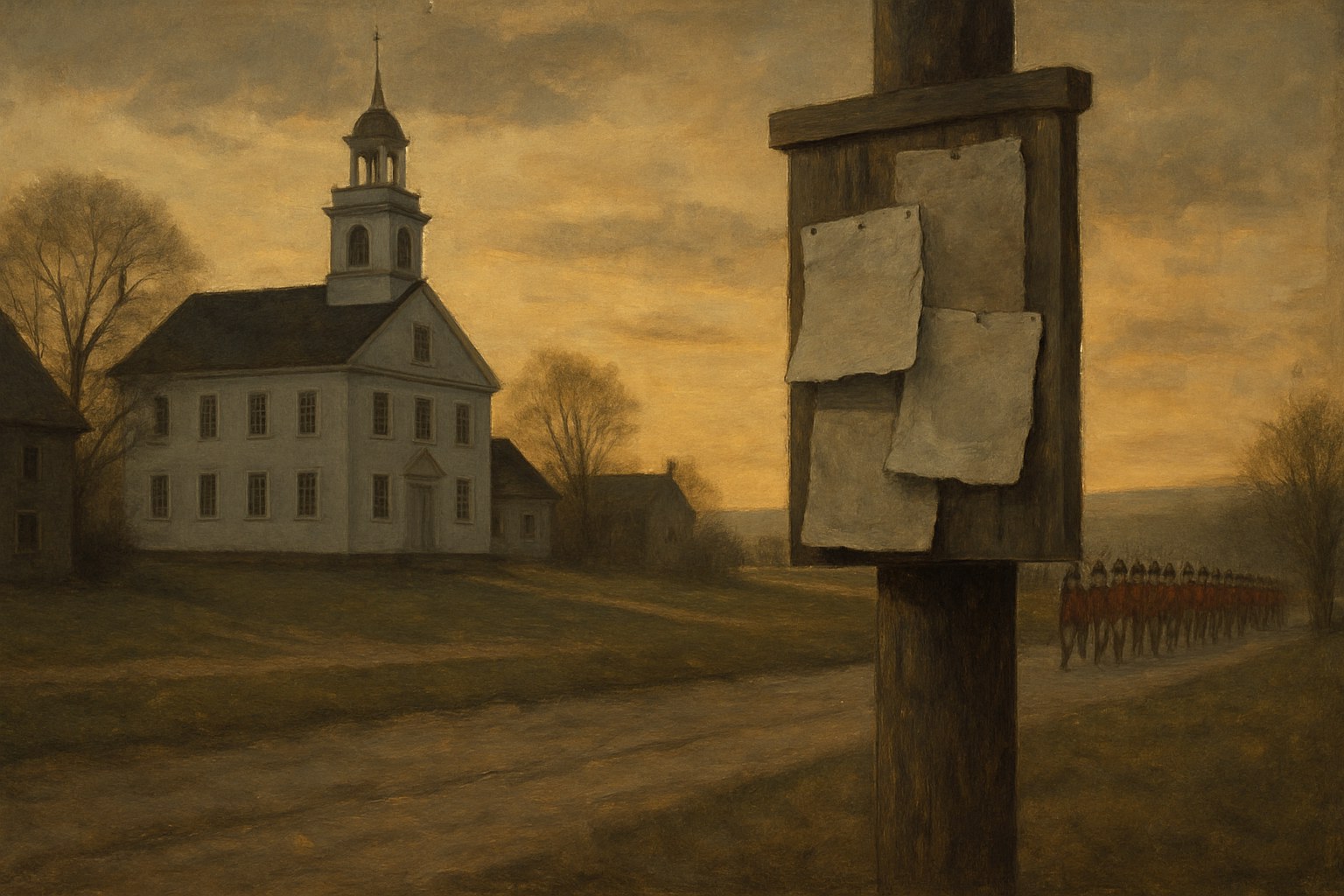
Nothing about 1763 made a war inevitable. Americans that year were, by most accounts, about as proud of being British subjects as they had ever been. They had just helped win a global war, the French threat on their borders was gone, and the empire looked like a good bargain. Twelve years later they were shooting at the king's regulars on a road in Middlesex County. What happened in between was not one grievance but a ratchet — a British measure, a colonial response, and then a harsher British measure meant to punish the response.
This guide follows that mechanism turn by turn: the Proclamation Line and the revenue acts of 1764, the Stamp Act crisis and the quiet claim of absolute authority that ended it, the Townshend duties and the occupation of Boston, the Gaspee affair and the correspondence networks it produced, the tea and the Coercive Acts that answered it, and the last failed petition of 1775. The famous episodes are all here, but so is the connective tissue between them — the acts, the boycotts, and the committees that turned thirteen provincial complaints into a single continental cause.
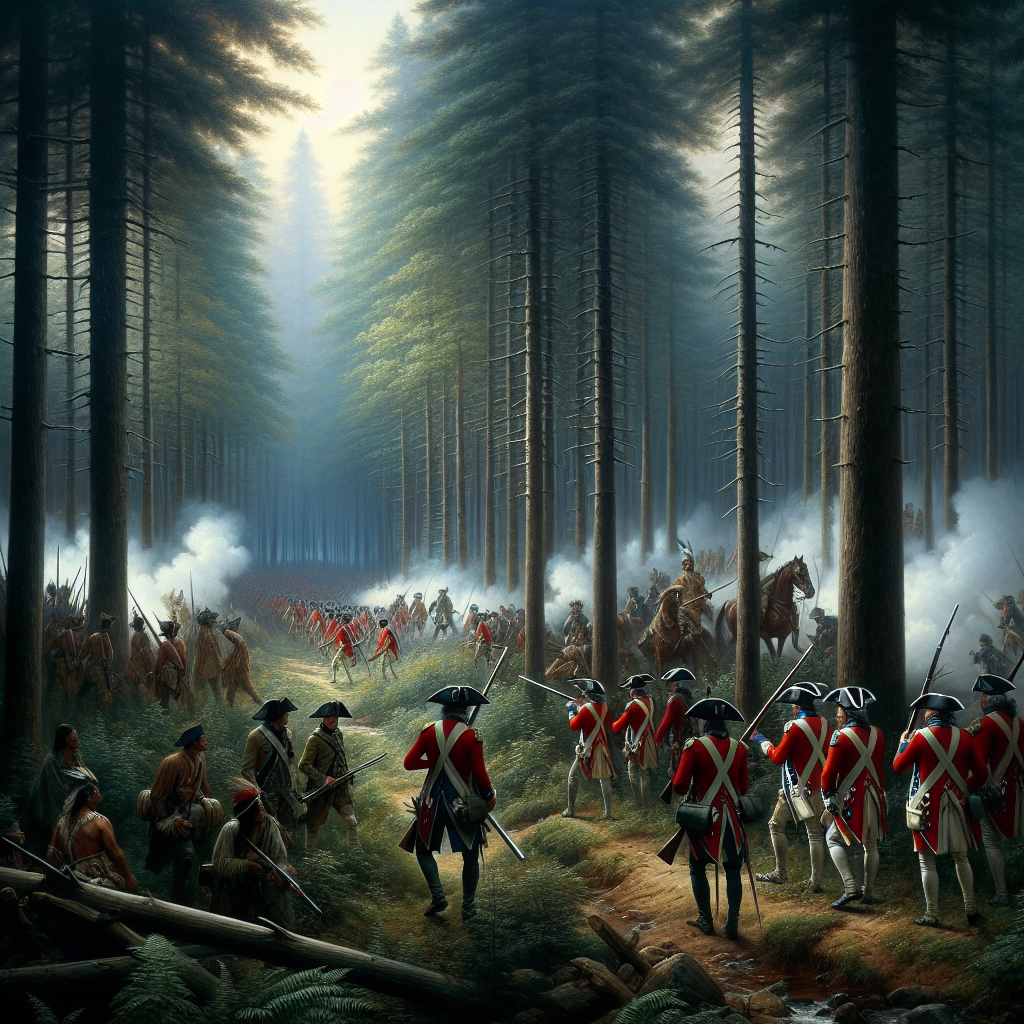
Victory in 1763 handed Britain a continent and a war debt of roughly 130 million pounds, and nearly every measure that followed was an attempt to make the colonies help carry it. The Proclamation Line closed the West that colonial soldiers thought they had just won. The Sugar Act put teeth into a molasses duty everyone had spent thirty years evading. The Currency Act stripped the assemblies of the power to print their own money. None of the three was debated in an American legislature, and together they taught colonists to read imperial policy as something done to them rather than with them.

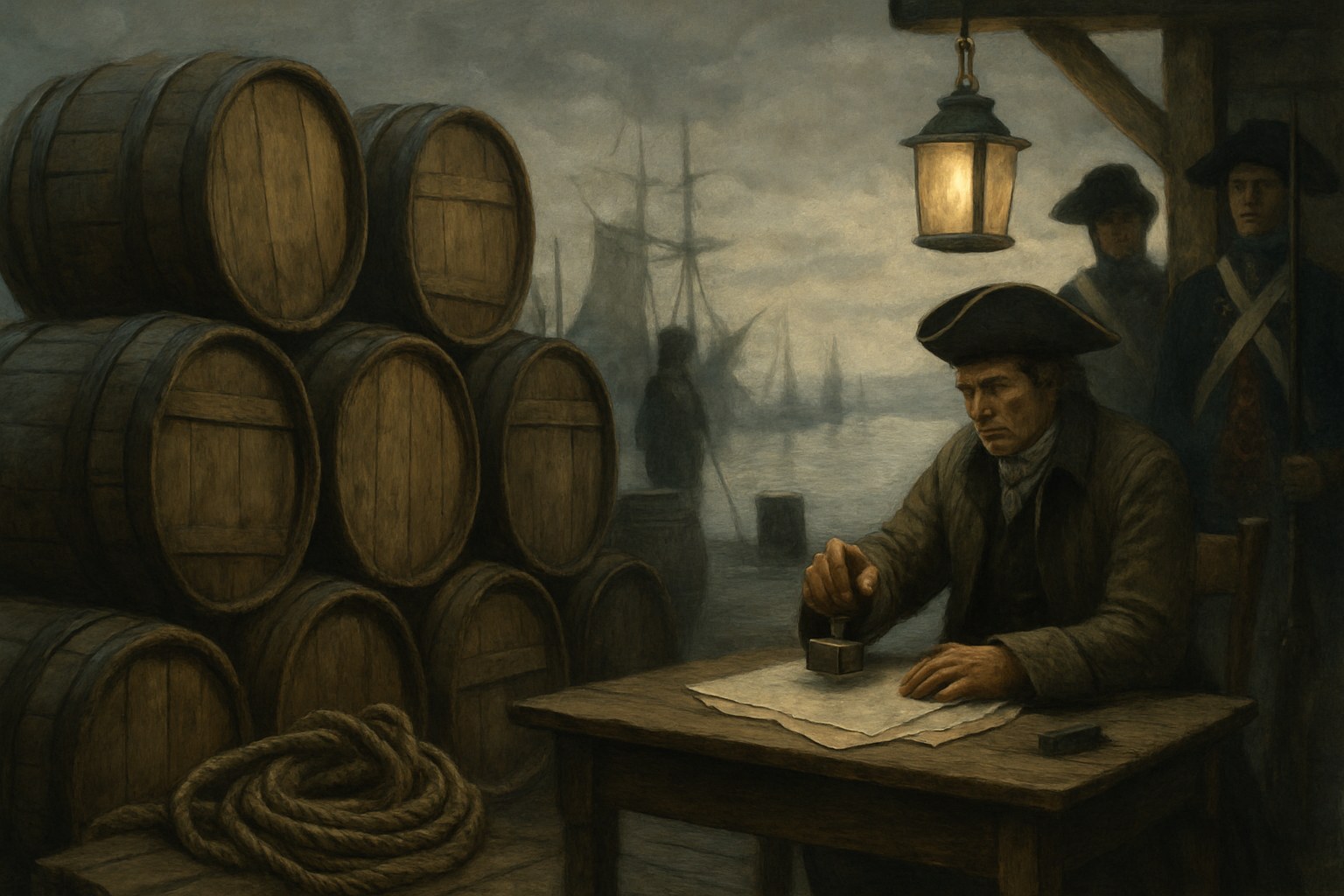

The Stamp Act of 1765 was the first direct internal tax Parliament had ever laid on the colonies, and the answer came faster and harder than anyone in London had imagined — resolutions in Virginia, crowds in Boston, a congress in New York, and a boycott that filled British warehouses with unsold goods. Parliament backed down and repealed it. On the very same day it passed the Declaratory Act, claiming the authority to bind the colonies in all cases whatsoever. The colonists had won the argument about a tax and lost the argument about power, and in the noise of the celebrations almost nobody noticed.
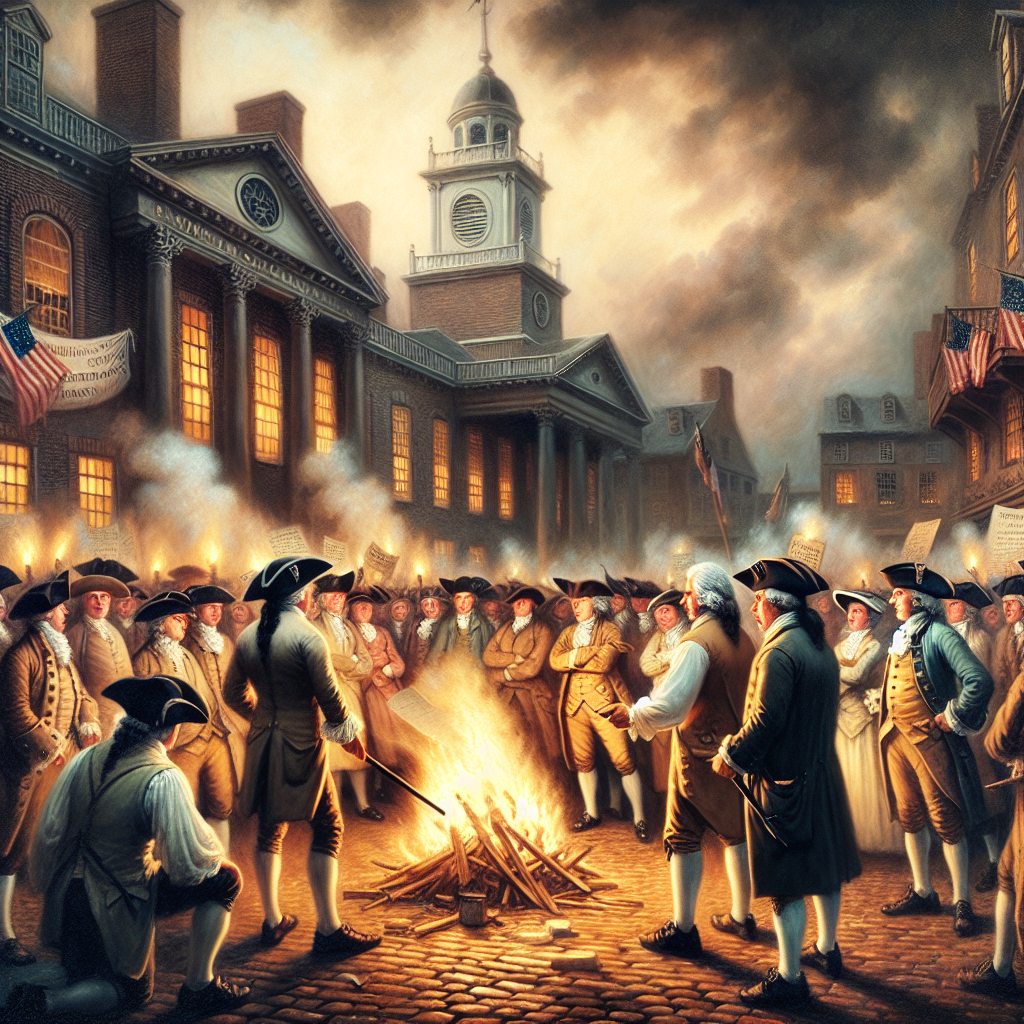
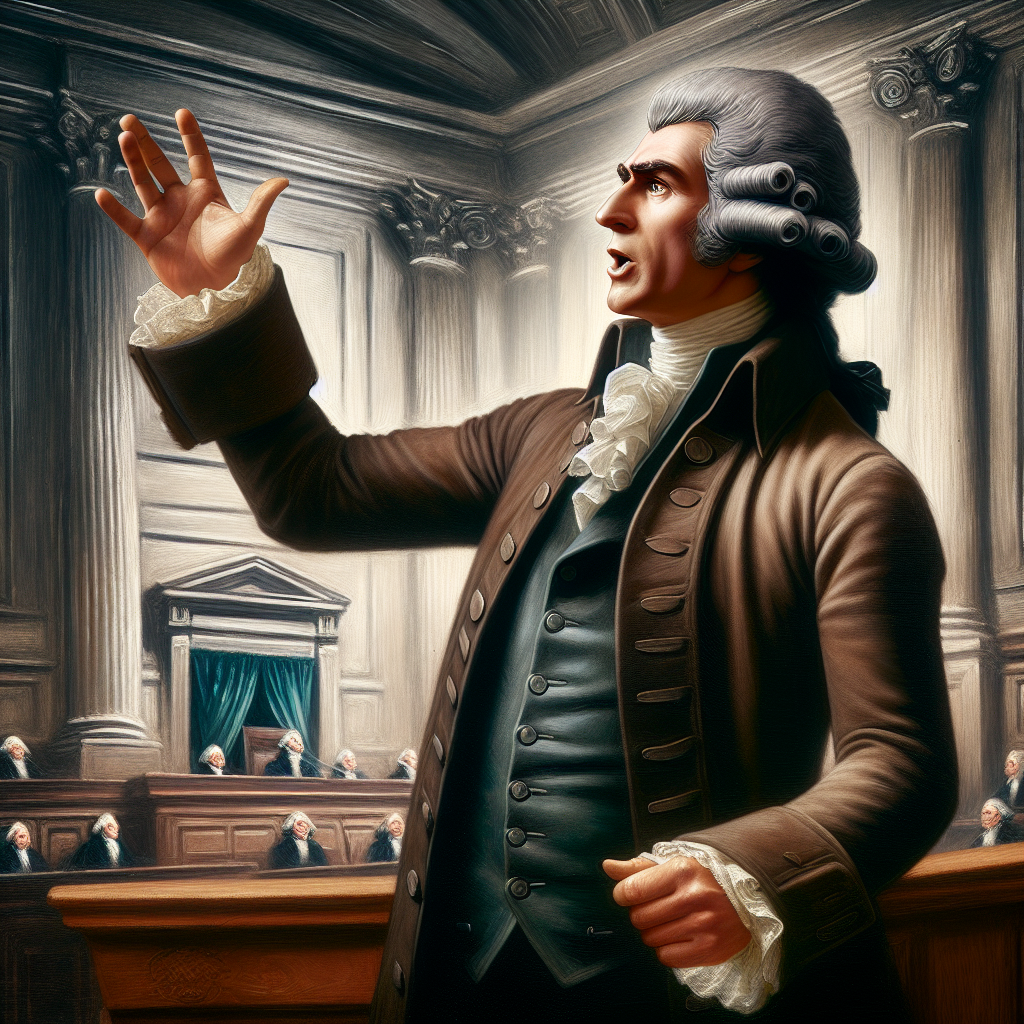
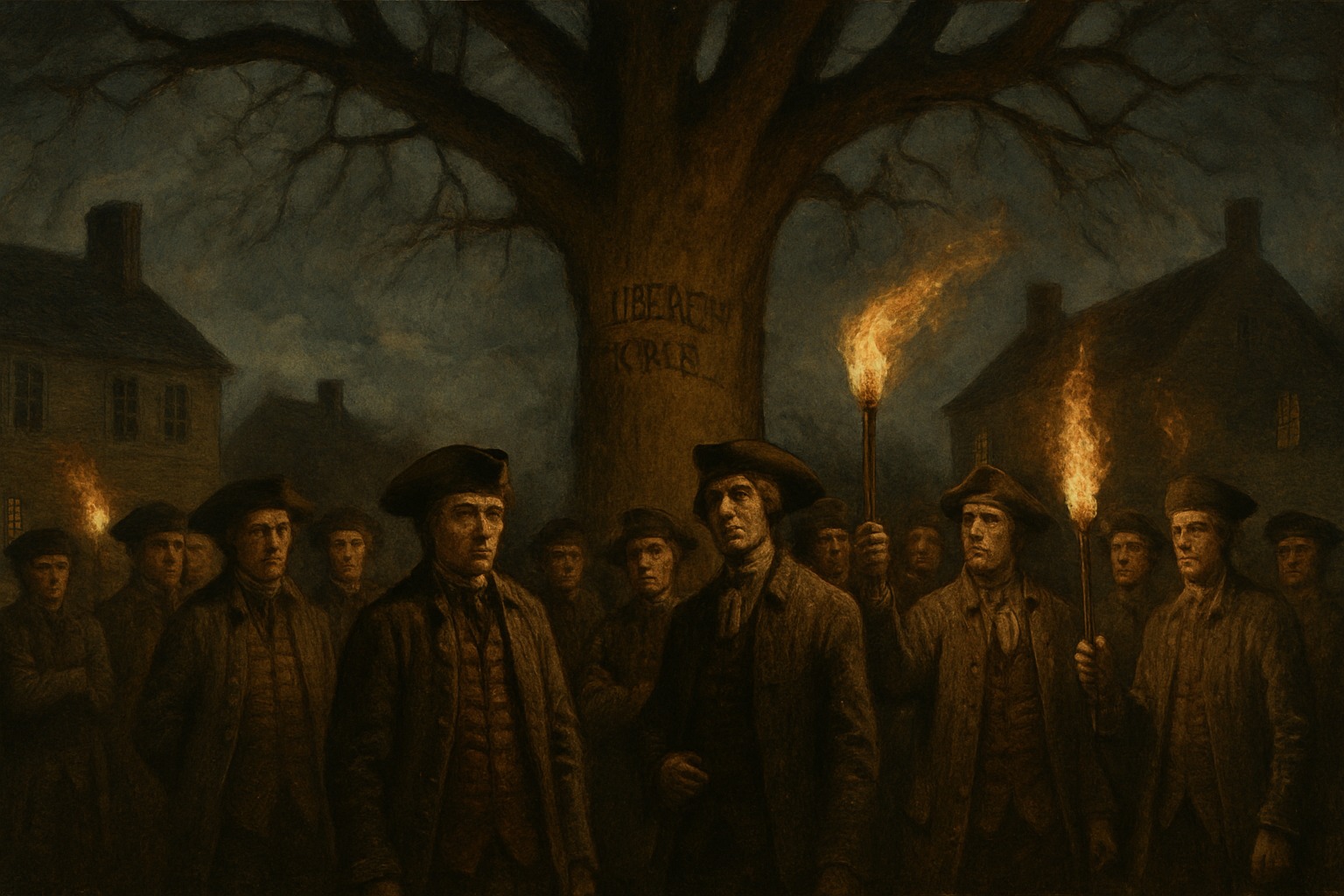
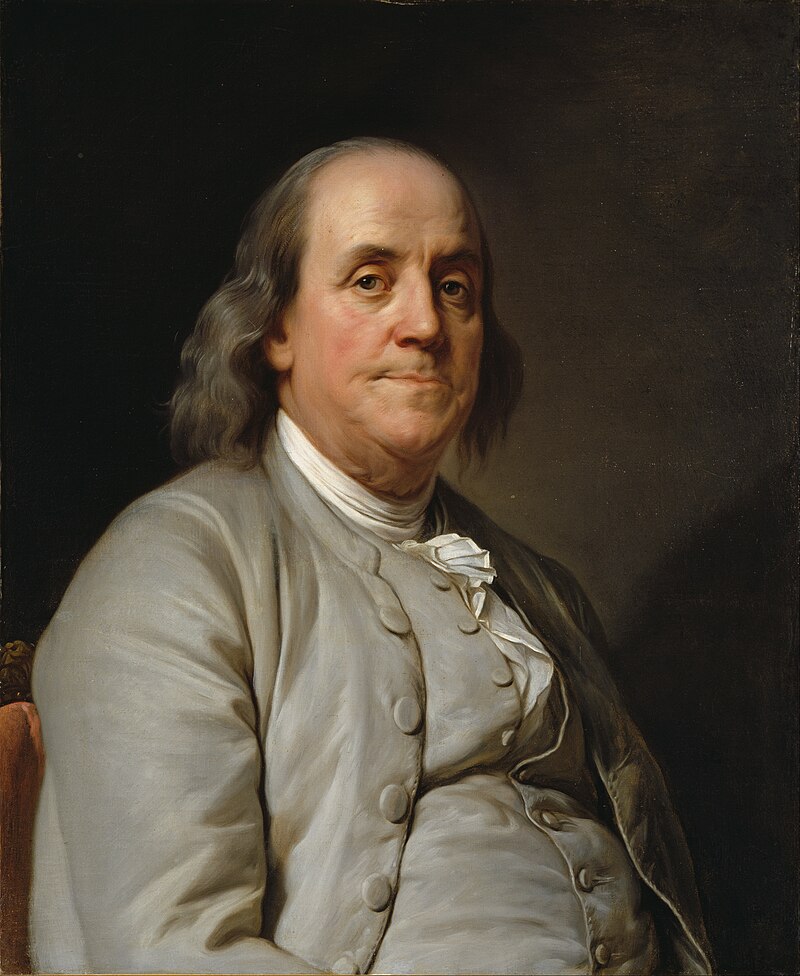
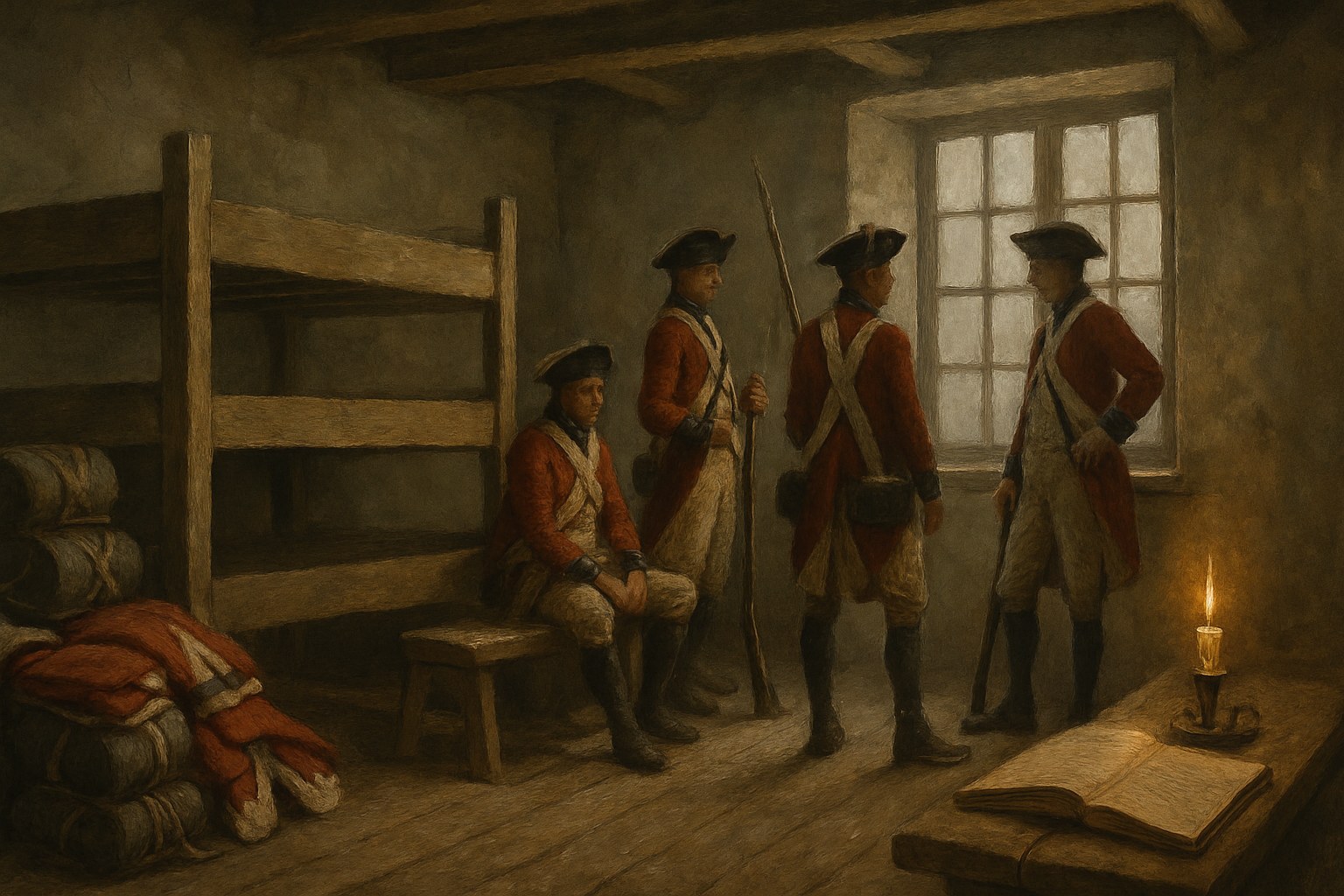
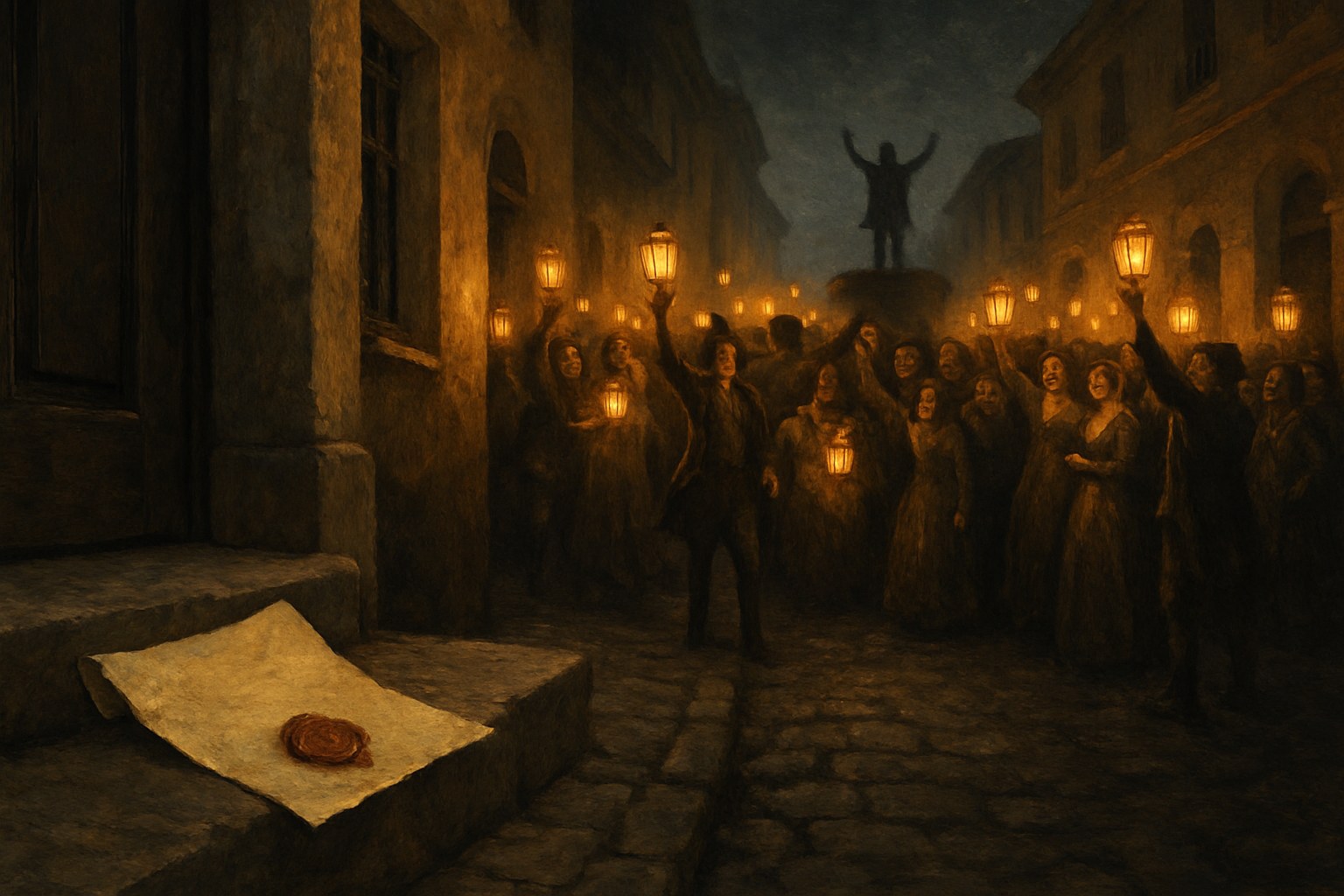
Charles Townshend read the Stamp Act crisis as a technicality and taxed the ports instead, then earmarked the revenue to pay the governors and judges the assemblies had previously controlled. The colonies answered with pamphlets, a circular letter, and a boycott that cut British exports by about a third. Britain answered the boycott by garrisoning troops in Boston, and troops in Boston produced the killings on King Street in 1770. Repeal of all but the tea duty cooled the quarrel without settling it, and the Gaspee inquiry two years later showed exactly how far the crown was now prepared to go.
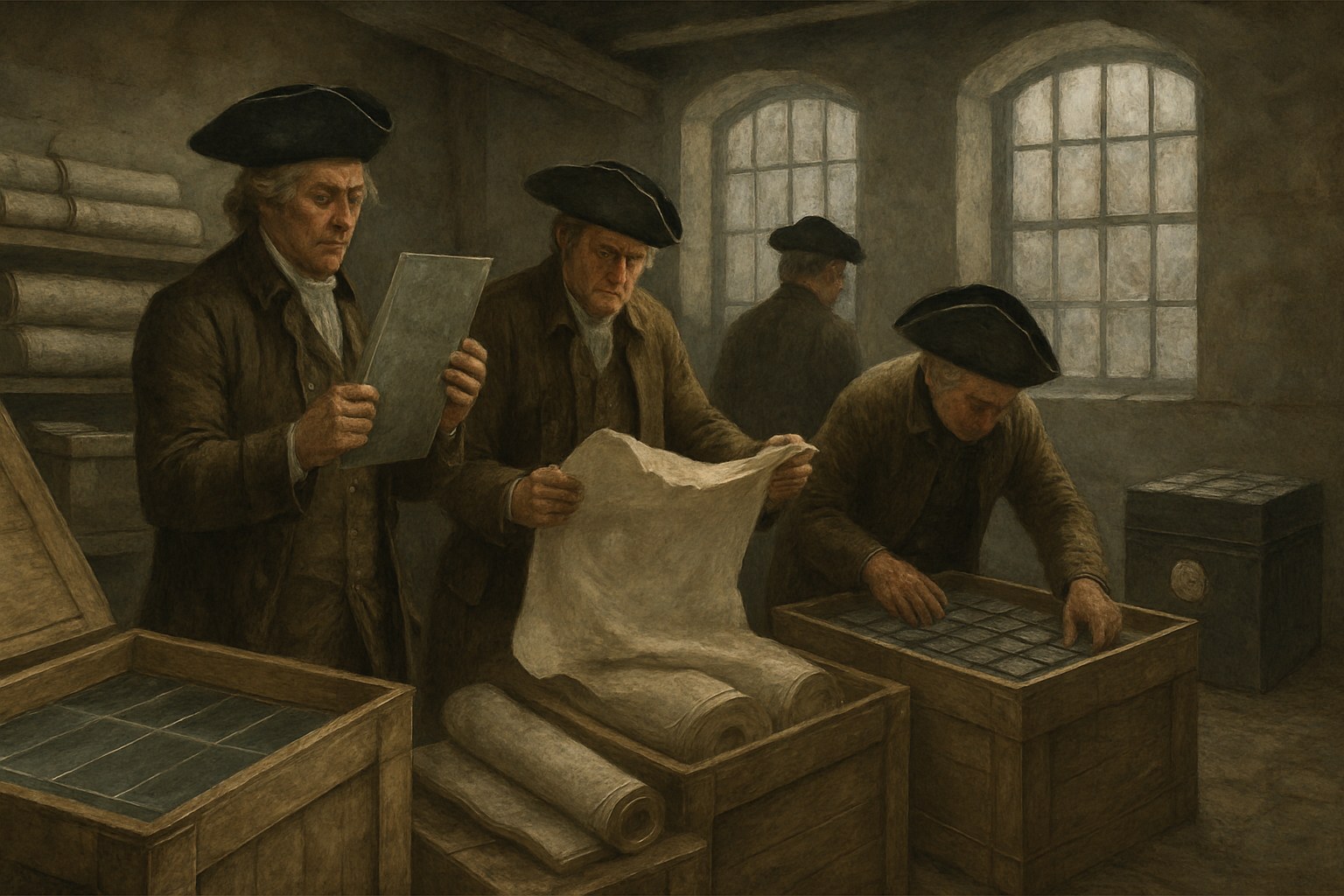
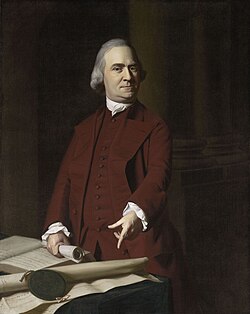
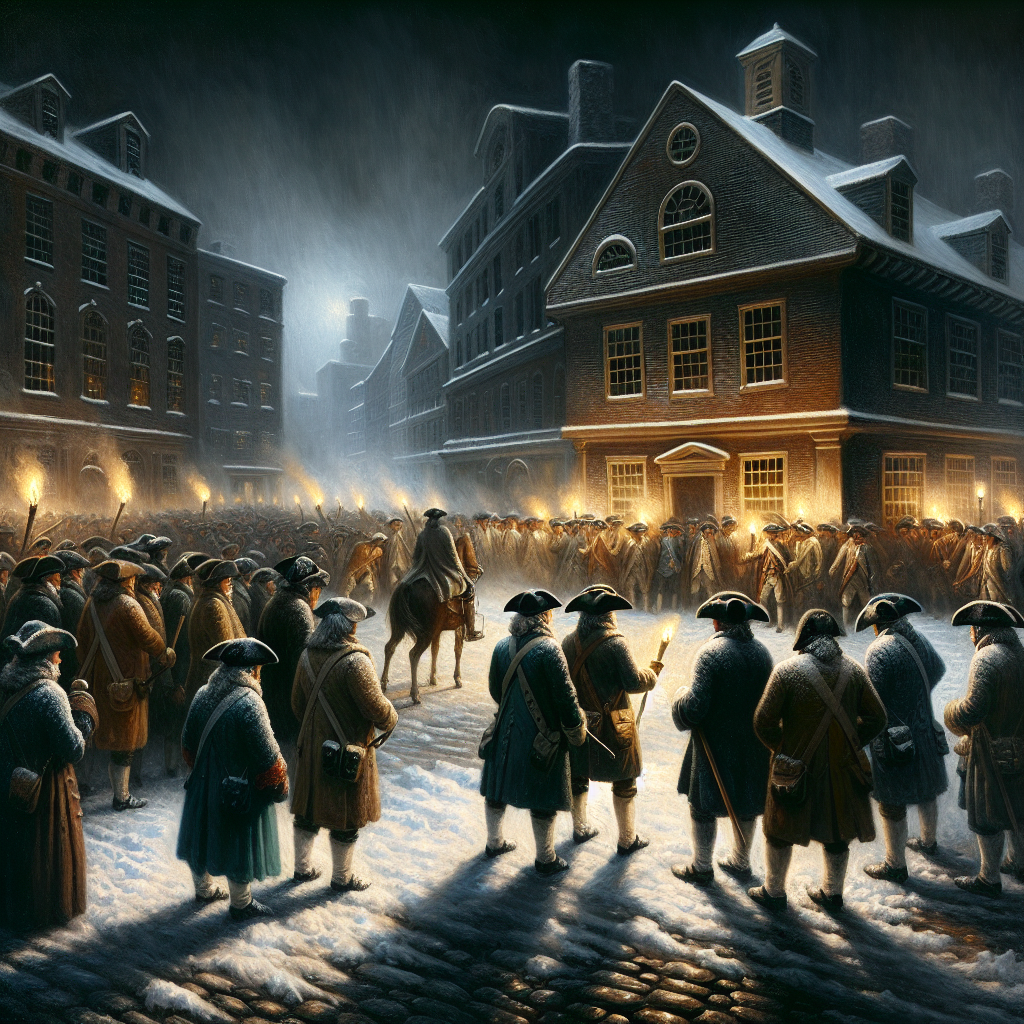

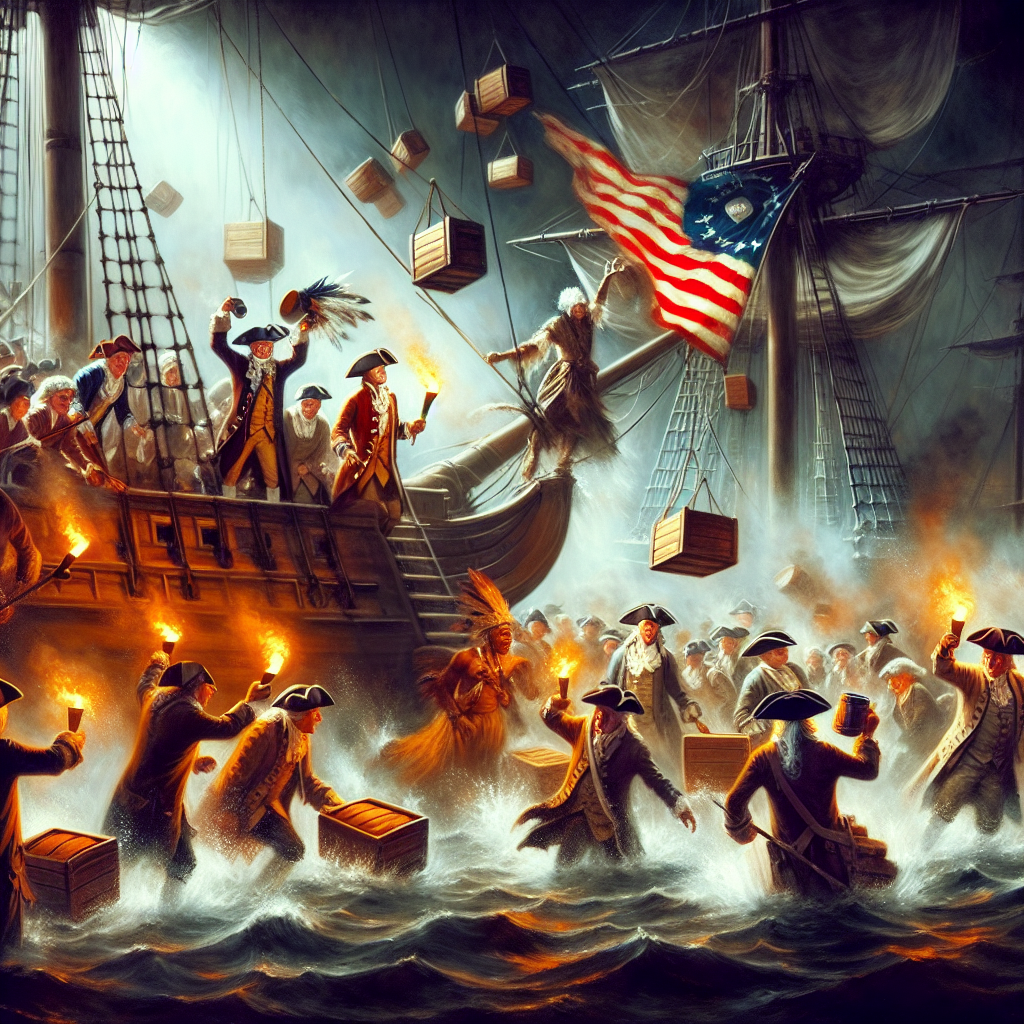
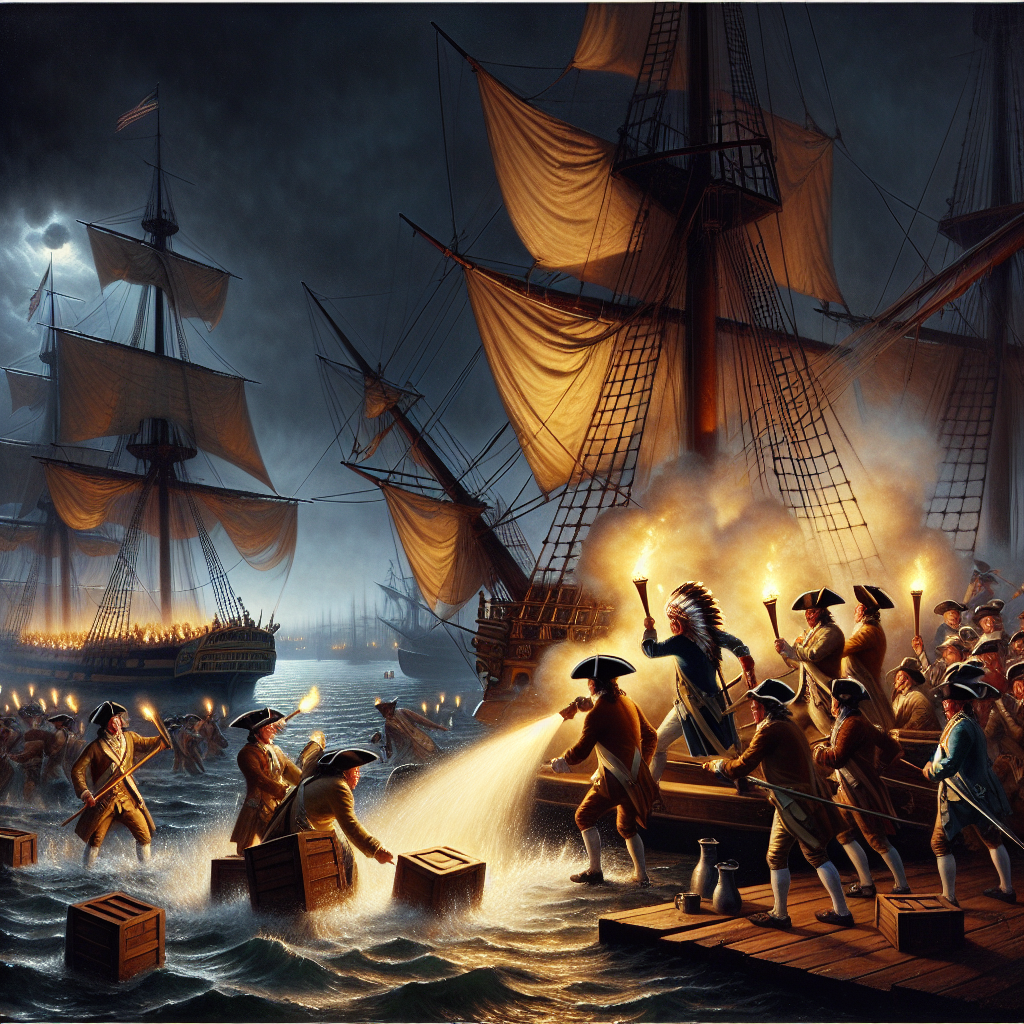
The one duty Parliament kept after 1770 was the one on tea, held back deliberately as a token of the right it had asserted. When the Tea Act of 1773 handed the East India Company a monopoly on selling it cheaply, Boston destroyed the cargo rather than let it land. Parliament's punishment — closing the port, rewriting the Massachusetts charter, moving trials out of the colony — was designed to isolate one town, and instead persuaded twelve colonies to send delegates to Philadelphia. The correspondence networks built after the Gaspee affair carried the news and made the response continental rather than local.

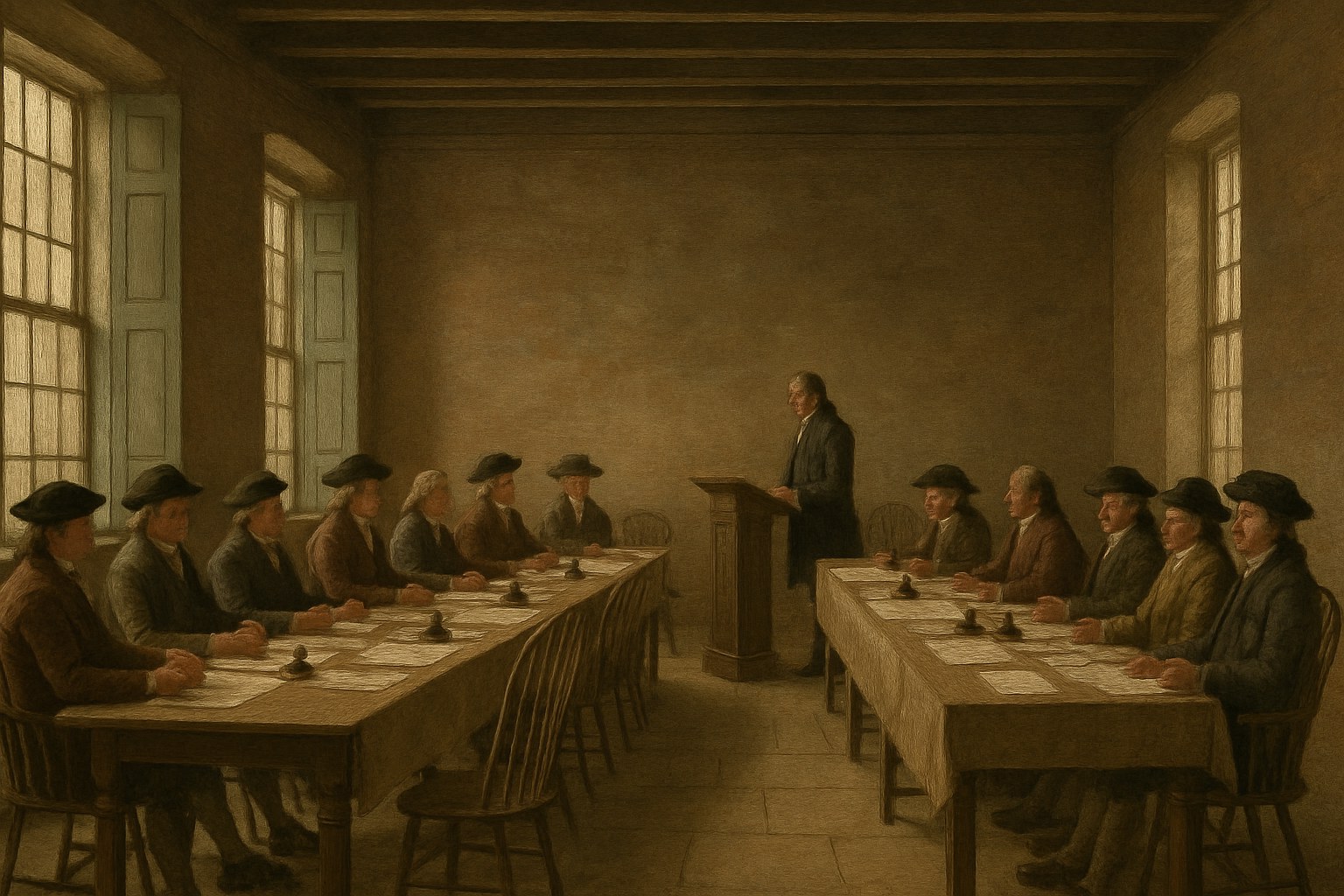
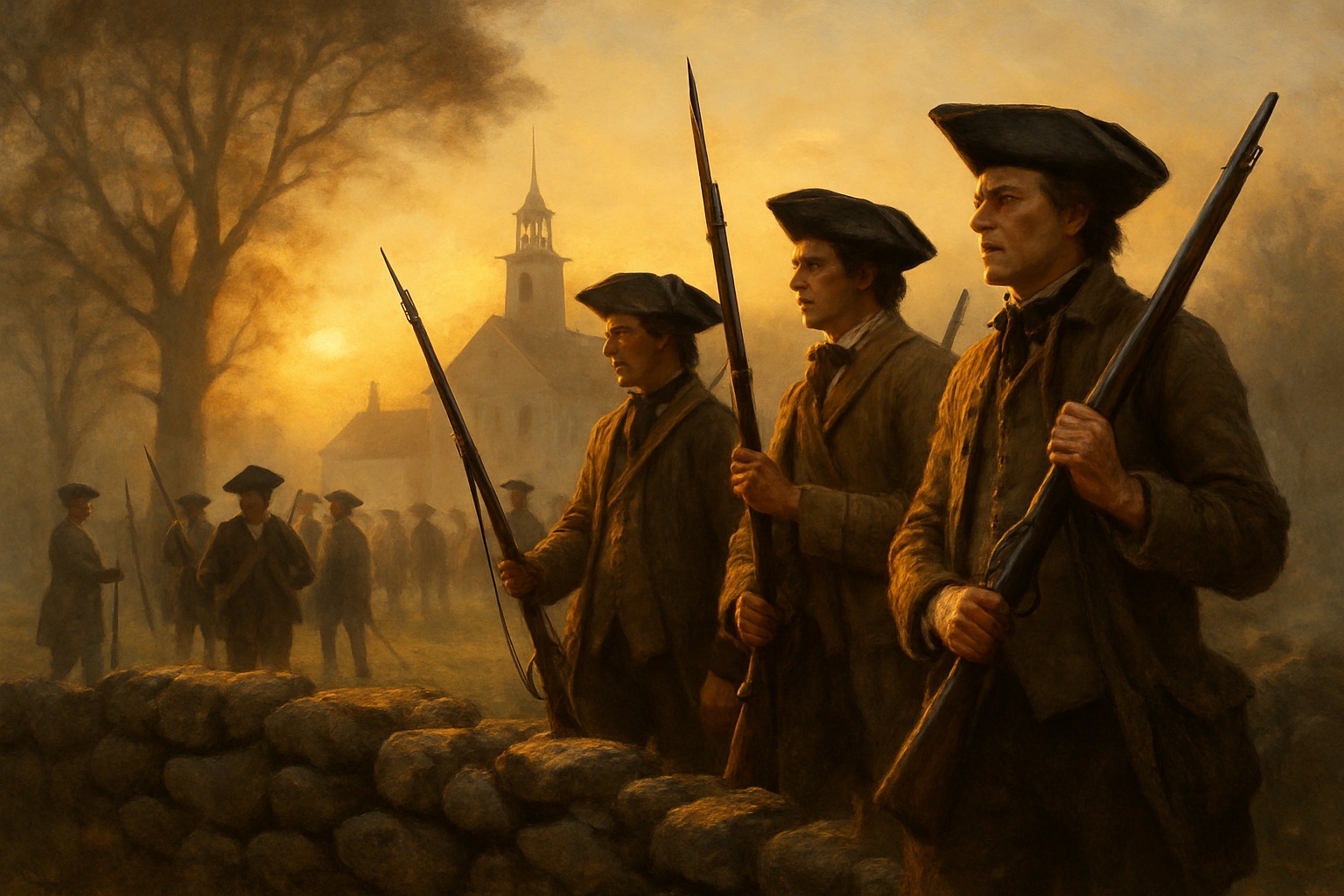
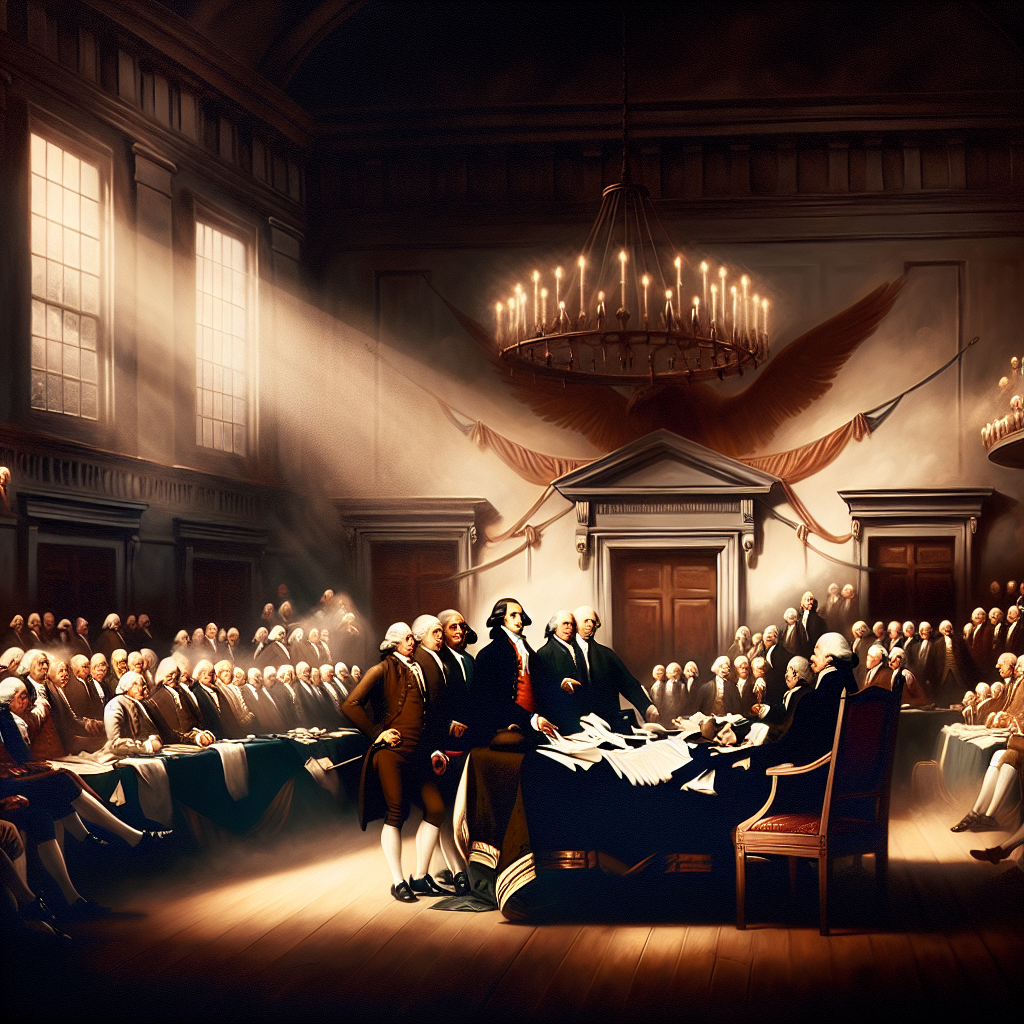
By the winter of 1774 Massachusetts had two governments: General Gage's inside Boston, and a provincial congress everywhere else, drilling militia and stockpiling powder under the authority of the Suffolk Resolves. Gage marched out to seize the stores at Concord in April 1775 and the shooting started. Congress spent that summer doing two contradictory things at once, raising an army and sending George III a petition, and the king's refusal to so much as read it settled which of the two would matter. An argument that began over the duty on molasses ended as an argument over who should rule.
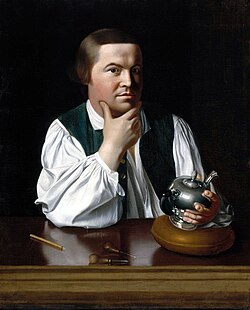
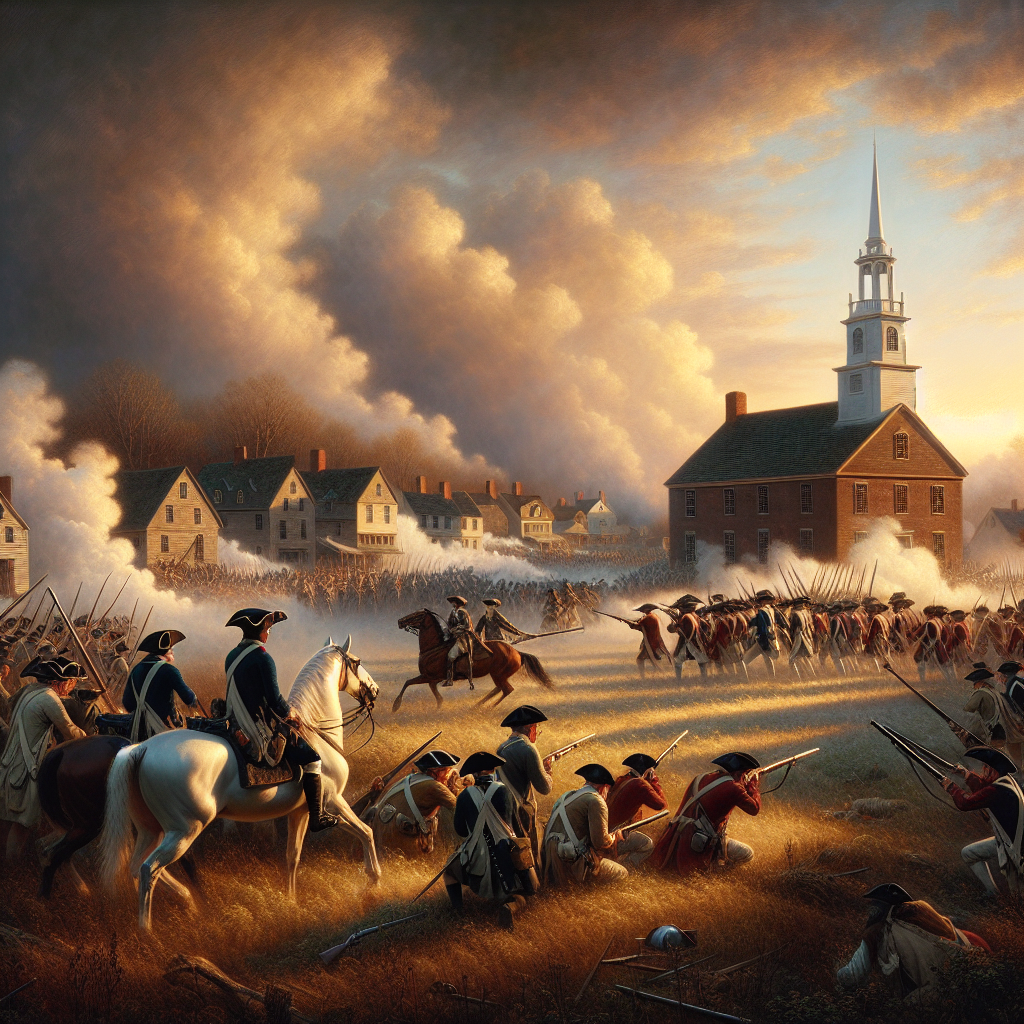

The road ends where the fighting begins. For the war itself and the years that followed, see the American Revolution timeline, and for the campaigns that decided the outcome, the Revolutionary War battles guide.