The Currency Act

The colonies were chronically short of hard money. Silver and gold drained back to Britain to pay for manufactured goods faster than it ever arrived, and colonial legislatures had improvised for generations, issuing bills of credit secured against future tax receipts and running land banks that lent paper against mortgaged property. The results were uneven. Rhode Island's currency depreciated badly while Pennsylvania's held its value for decades. What the system did supply, however imperfectly, was a medium of exchange for a growing economy. British creditors saw only the depreciation.
Parliament had already banned New England paper as legal tender in 1751. The Currency Act, passed in April 1764, extended that prohibition to every colony, forbidding new issues of legal-tender bills of credit and barring assemblies from extending existing issues past their scheduled retirement. London merchants had lobbied hard for it, complaining that Virginia planters were discharging sterling debts in depreciated Virginia notes. The act mentioned no tax and raised no revenue, and Parliament treated it as an ordinary regulation of imperial commerce, well within its acknowledged authority.
Its effect was a deflationary squeeze arriving at exactly the wrong moment. The postwar boom collapsed in 1764, British creditors called in their loans, and the colonies found themselves forbidden to expand the money supply just as they most needed to. Virginia, buried in tobacco debt, suffered worst. Debtors faced falling prices against fixed obligations, county courts filled with suits, and colonial assemblies learned that a power they had exercised since the seventeenth century could be stripped from them by a Parliament three thousand miles away.
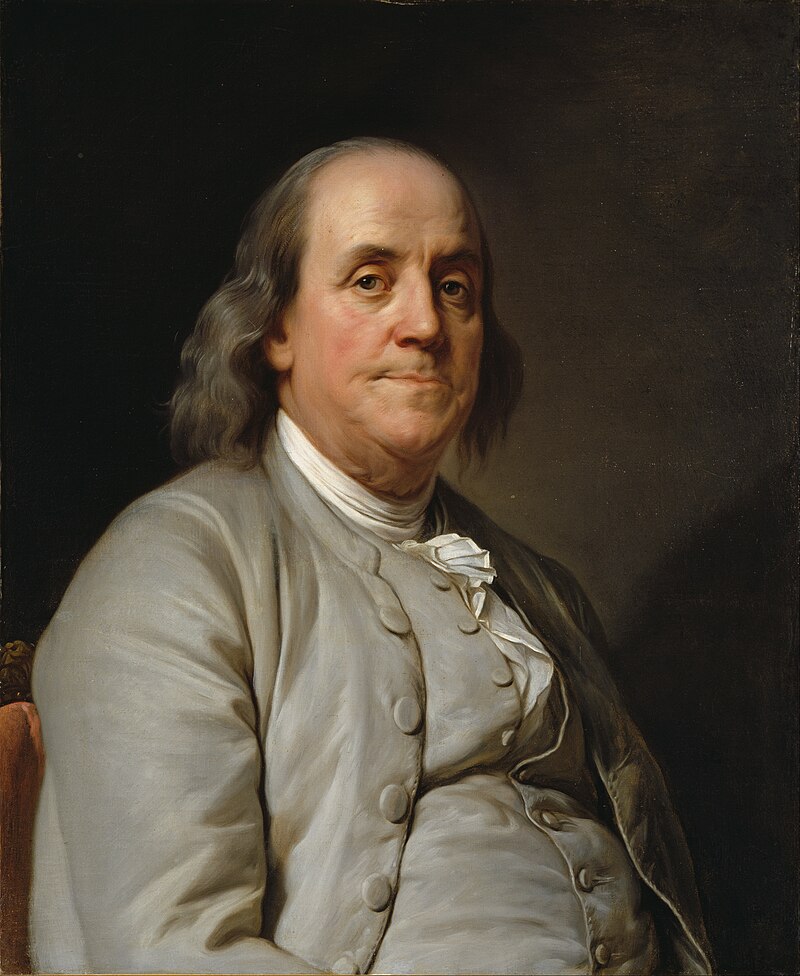
The Currency Act rarely appears in popular accounts of the Revolution, overshadowed by the taxes that came with slogans attached to them. It mattered anyway. It welded hard economic grievance to constitutional complaint and taught colonists that Parliament claimed authority over their internal affairs and not merely their external trade. Benjamin Franklin spent years in London lobbying for repeal, and Parliament finally relented for the colonies south of New England in 1773, by which point the concession bought nothing.


| Passed | April 19, 1764 |
| Extended | The 1751 ban on New England paper currency |
| Prohibited | New colonial legal-tender bills of credit |
| Pressed by | London merchants owed debts in sterling |
| Hardest hit | Virginia's indebted tobacco planters |
| Partial repeal | 1773, for the colonies south of New England |
| Date | April 19, 1764 |