The Townshend Acts
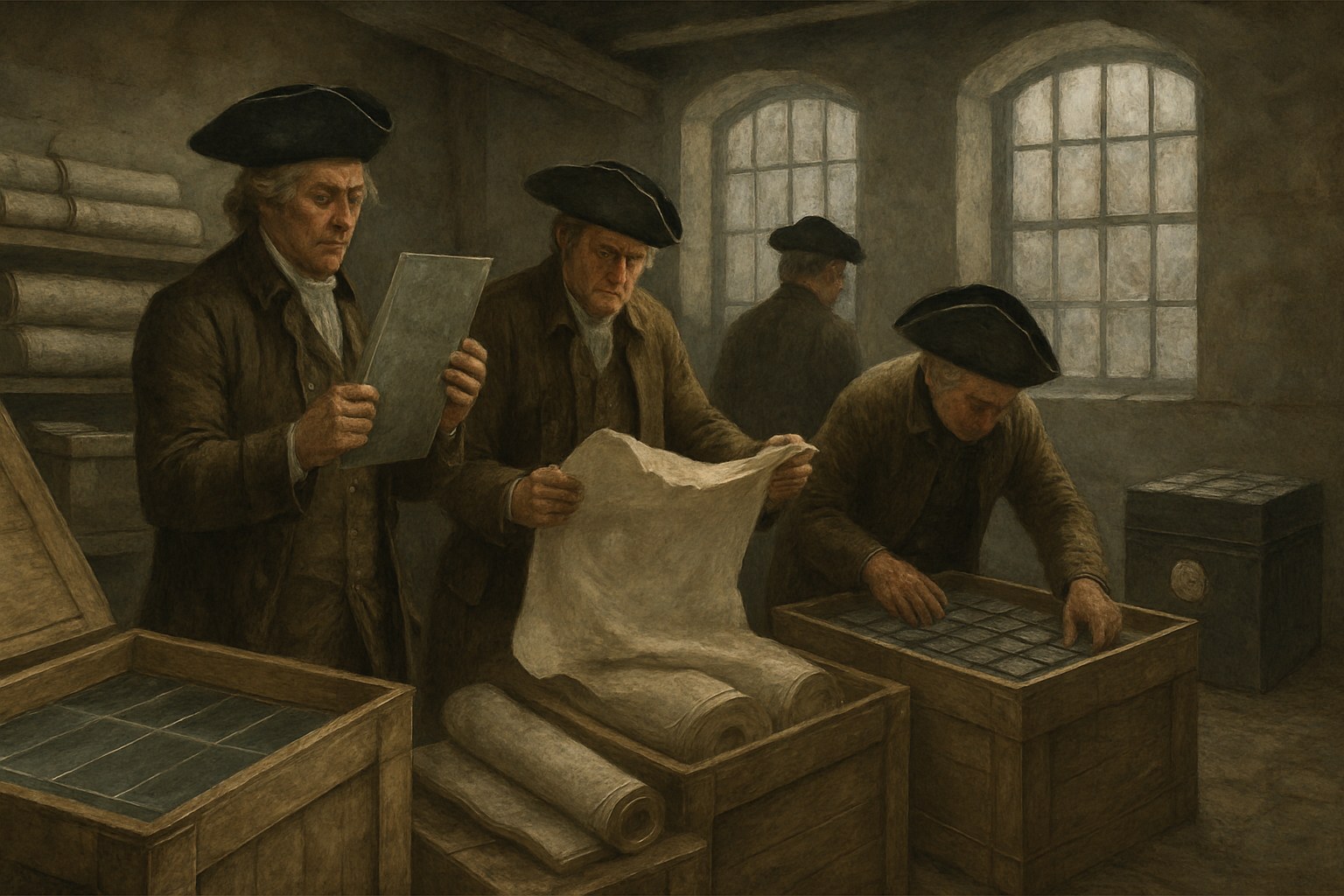
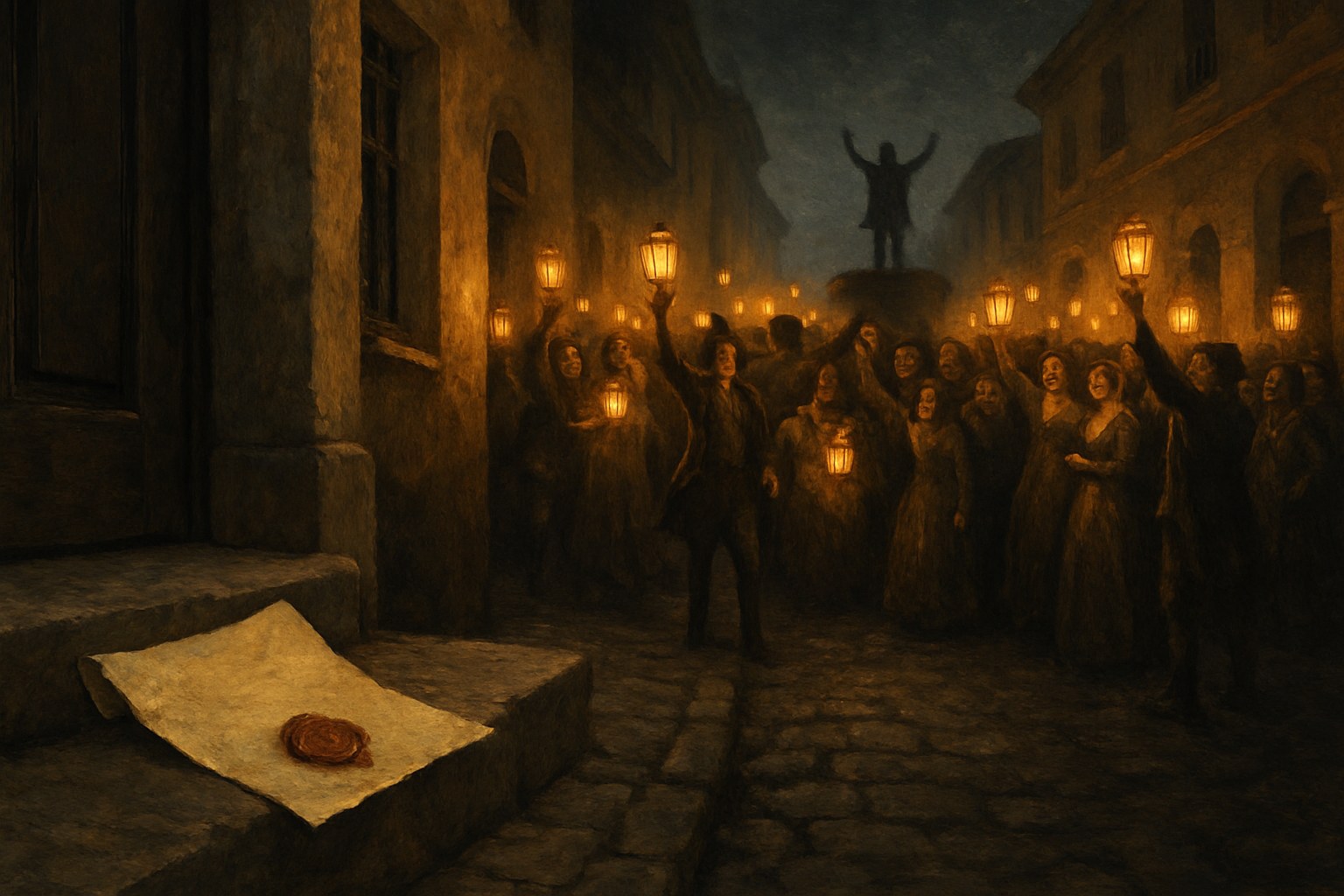
Charles Townshend, Chancellor of the Exchequer, believed he had found the seam in the colonial argument. Americans had denounced the Stamp Act as an internal tax while conceding that Parliament could regulate trade through duties collected at the ports. Very well, he reasoned, he would raise his revenue at the ports. Beginning in June 1767 Parliament passed a cluster of measures laying import duties on glass, lead, painters' colors, paper, and tea, and building the administrative machinery needed to collect them in earnest.
The machinery mattered more than the rates. A new American Board of Customs Commissioners was seated at Boston, the vice-admiralty court system was expanded to try offenders without juries, and the acts confirmed the legality of writs of assistance, the general search warrants that let a customs officer enter any warehouse, ship, or home without naming what he expected to find. Most pointedly, the revenue was earmarked to pay the salaries of royal governors and judges, freeing them from the colonial assemblies that had paid them and thereby controlled them.
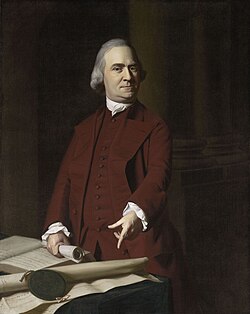
The colonial answer came in print and in commerce. John Dickinson's Letters from a Farmer in Pennsylvania, serialized through the winter and reprinted almost everywhere, dismantled the internal-external distinction and argued that any duty laid to raise revenue was a tax whatever its label. The Massachusetts circular letter urged joint resistance, and when London ordered the assembly to rescind it the members refused, ninety-two votes to seventeen. Non-importation spread from Boston to the southern ports, enforced by local committees and public shaming, and British exports to America fell by roughly a third.
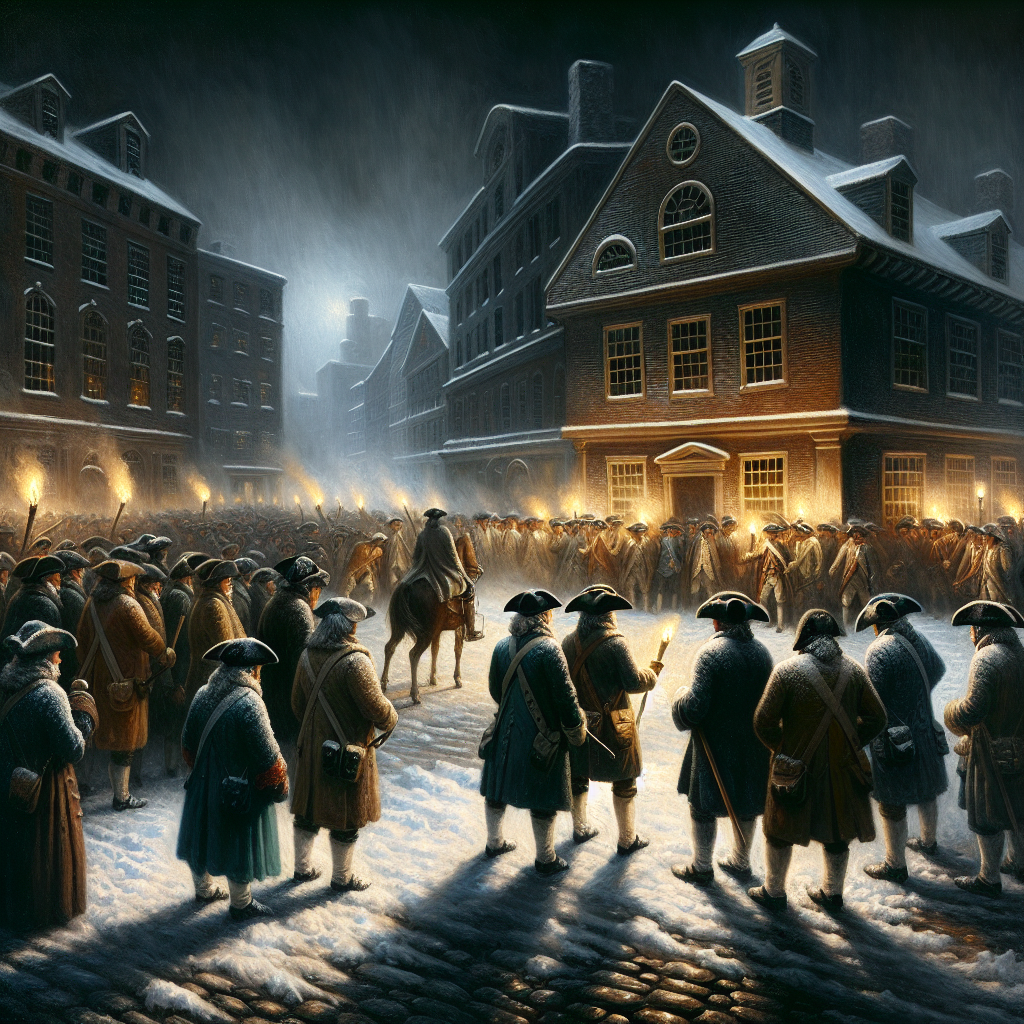
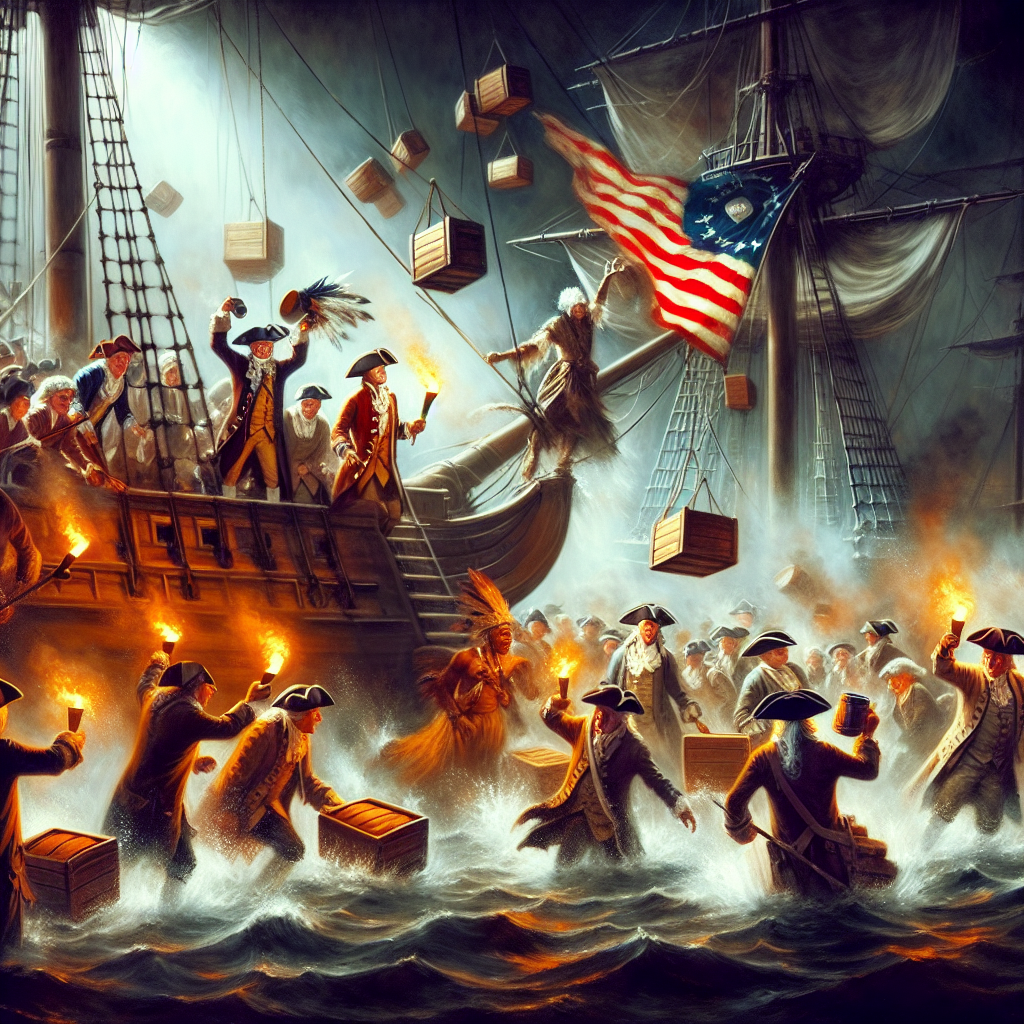
Troops sent to protect the customs commissioners occupied Boston from October 1768, and the friction between soldiers and townspeople ended in the killings on King Street in March 1770. That same month Lord North repealed every Townshend duty except the one on tea, retained deliberately as a token of the right Parliament refused to surrender. Non-importation collapsed and trade resumed. But the customs board remained, the salaries were still paid from London, and the tea duty sat there waiting for someone to test it.
| Passed | 1767 |
| Author | Charles Townshend, Chancellor of the Exchequer |
| Duties on | Glass, lead, painters' colors, paper, and tea |
| Tools | Writs of assistance and an American Board of Customs |
| Purpose | Paying royal governors and judges out of crown revenue |
| Repealed | March 1770 — all duties except the one on tea |
| Date | 1767-1770 |