The Suffolk Resolves
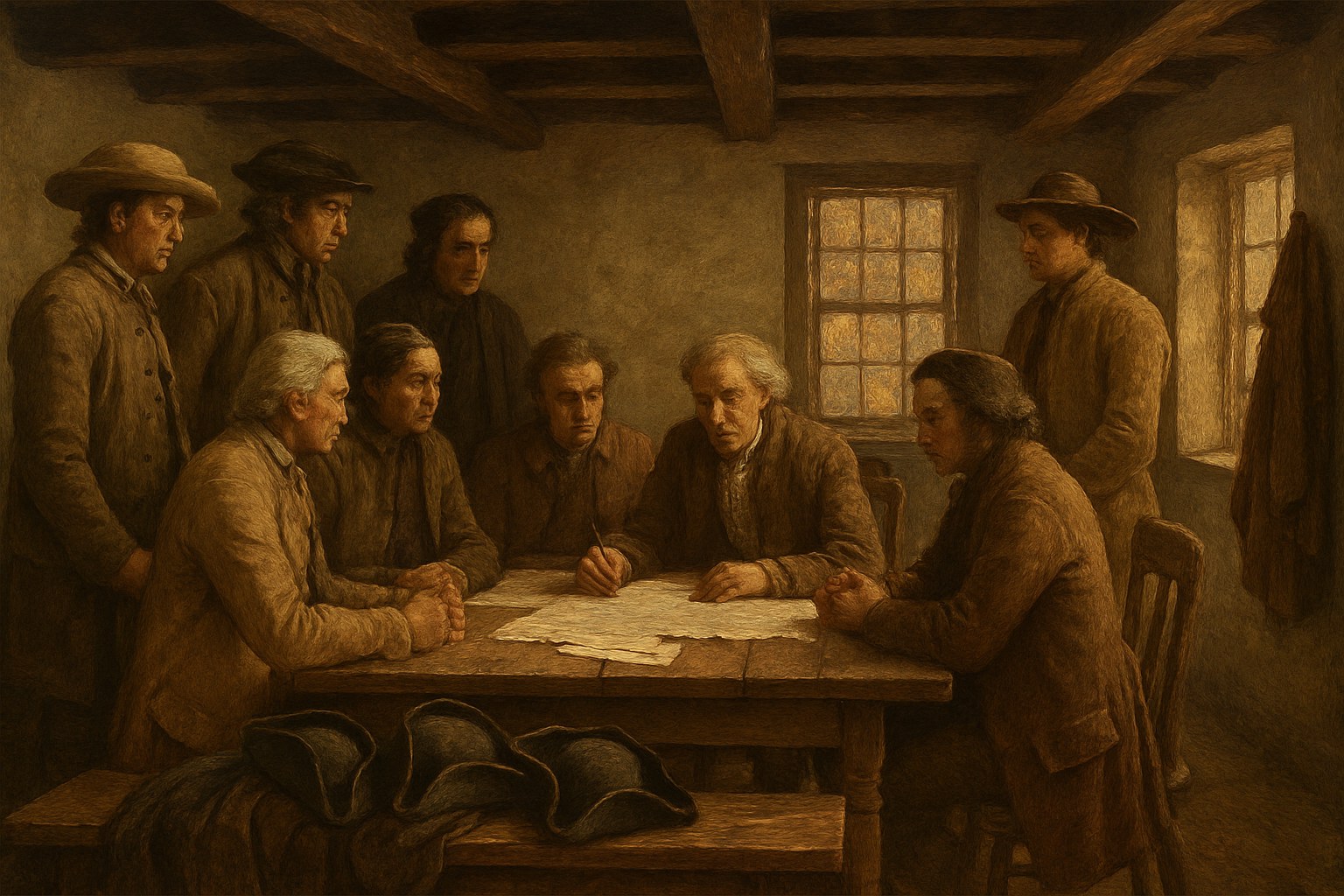
By the late summer of 1774 the Massachusetts Government Act had made the colony ungovernable. Crowds surrounded courthouses from Worcester to Great Barrington and refused to let the newly appointed judges take their seats. Councillors named by royal warrant resigned under pressure or fled to Boston, where General Gage's regiments held the town and very little else. In county conventions across the province the question was no longer whether to resist the acts but on what authority resistance could stand, and with what plan behind it.
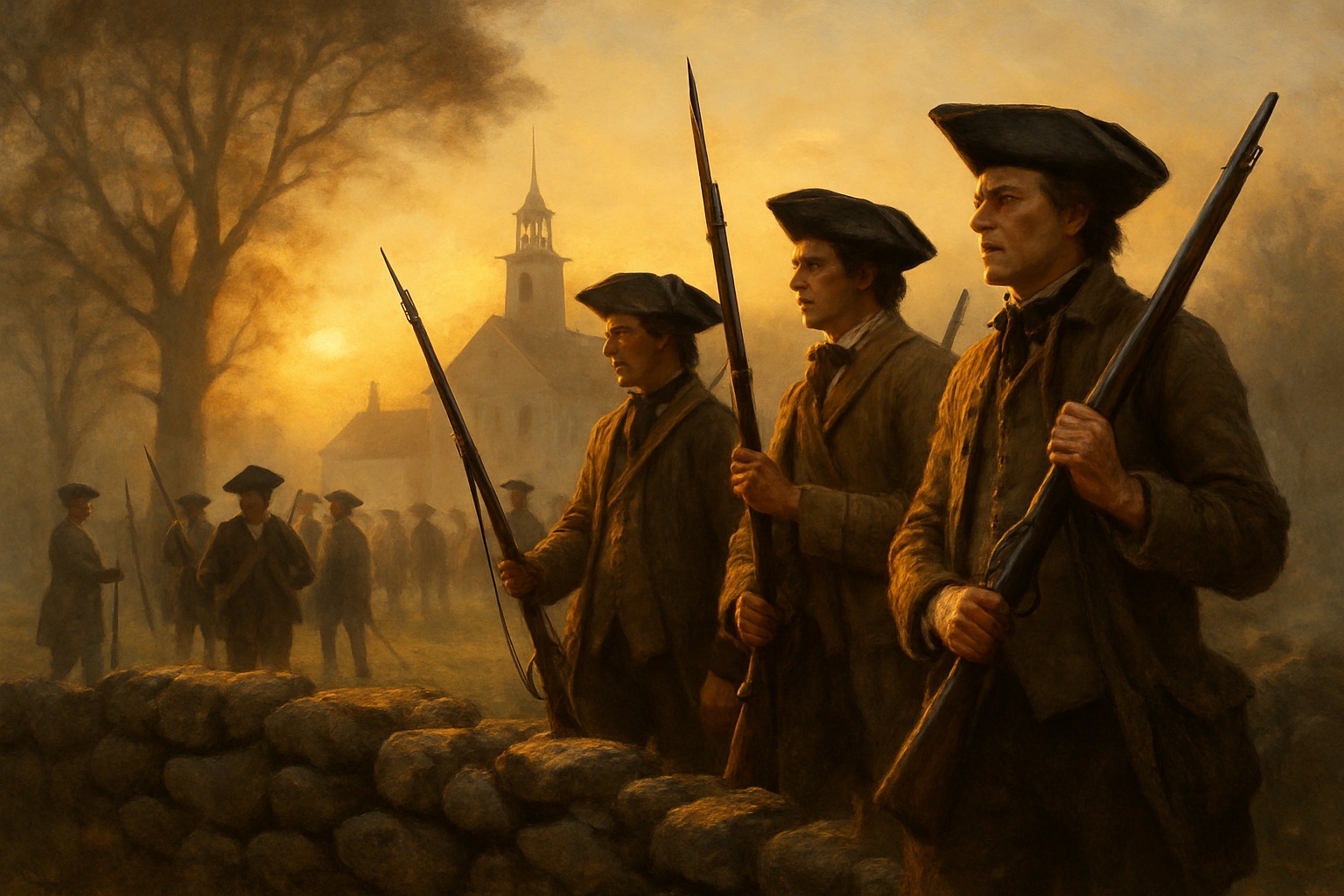
Delegates from the towns of Suffolk County met at Milton on September 9 and adopted nineteen resolutions drafted chiefly by Joseph Warren, a Boston physician. They held that a sovereign who broke the compact forfeited the allegiance of his subjects, that the Coercive Acts were an attempt to enslave the province and therefore not to be obeyed, and that no officer commissioned under the altered charter held any lawful authority. They urged towns to pay their taxes to a provincial receiver rather than the royal treasurer, to elect their own militia officers, and to drill weekly.
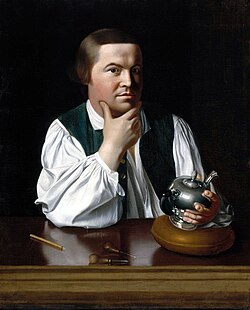
The resolves also counseled restraint. There was to be no riot, no plunder, and no offensive movement against the king's troops unless the troops moved first — a discipline the county conventions largely maintained through the winter. Alongside the militia clauses came a call for a strict boycott of British goods and a halt to trade with Britain until the acts were repealed. Paul Revere carried the document to Philadelphia, riding roughly three hundred and fifty miles in about five days, and laid it before the Continental Congress.
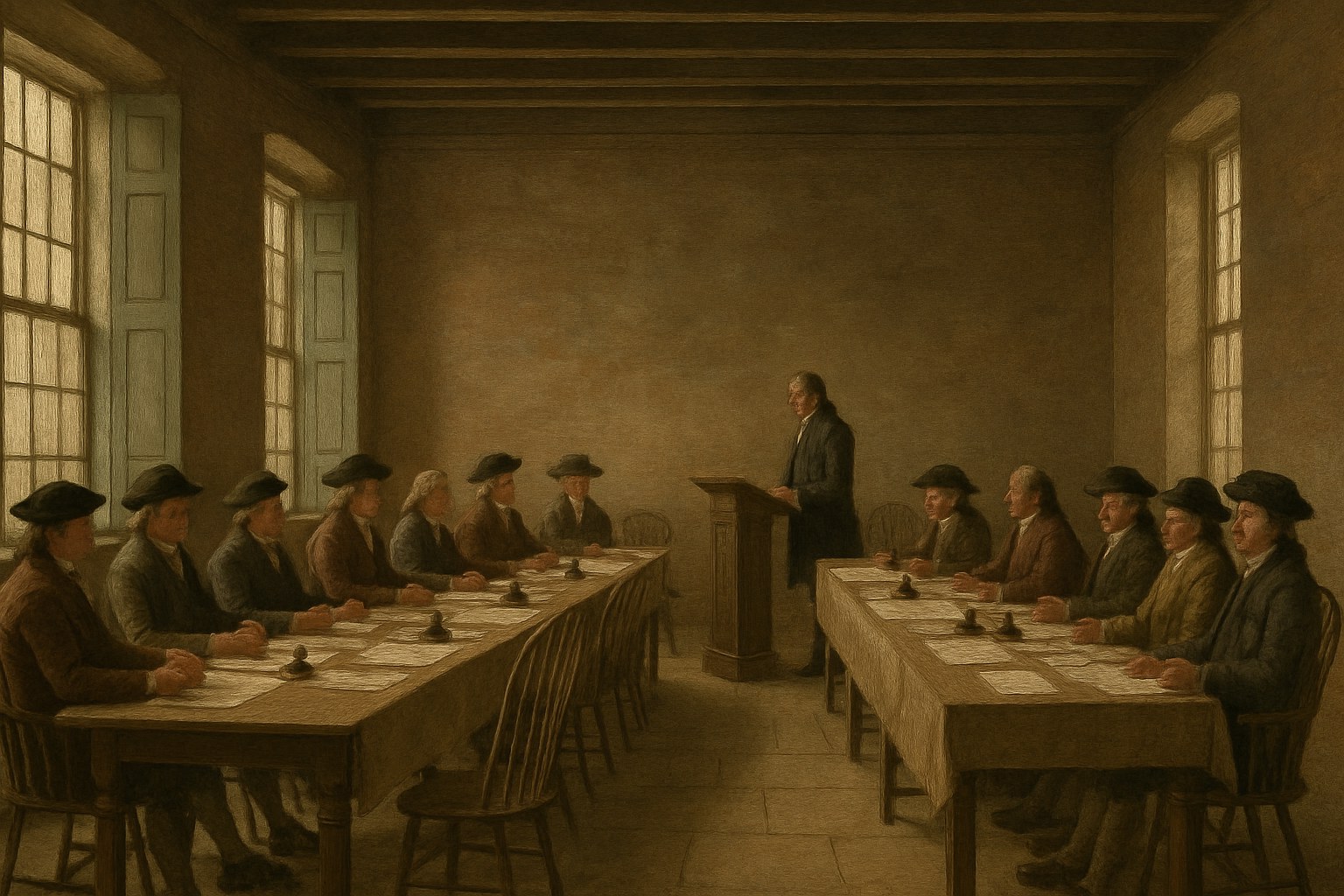
Congress endorsed the resolves on September 17 by unanimous vote, a step further than many delegates had expected to take, and one John Adams recorded in his diary with unmistakable emotion. In endorsing them the Congress accepted that a colony might lawfully refuse an act of Parliament and arm itself against enforcement. The Suffolk Resolves mark the point at which colonial protest stopped petitioning a government and started replacing one, seven months before the first shot at Lexington.

| Adopted | September 9, 1774, at Milton, Massachusetts |
| Author | Joseph Warren |
| Declared | The Coercive Acts unconstitutional and not binding |
| Urged | Weekly militia drilling, tax withholding, and boycott |
| Carried by | Paul Revere, to Philadelphia in about five days |
| Endorsed | Unanimously by the Continental Congress, September 17, 1774 |
| Date | September 9, 1774 |
| Location | Milton, Massachusetts |