The Intolerable Acts
When news of the destruction of the tea reached London in January 1774, the reaction crossed party lines. Even William Pitt, who had defended the colonies for a decade, called the act criminal. Lord North's ministry concluded that conciliation had failed, that Boston was the source of every disturbance, and that a demonstration of parliamentary resolve against one town would restore obedience everywhere else. Between March and June, Parliament passed four acts aimed squarely at Massachusetts, and passed them by wide majorities in both houses.
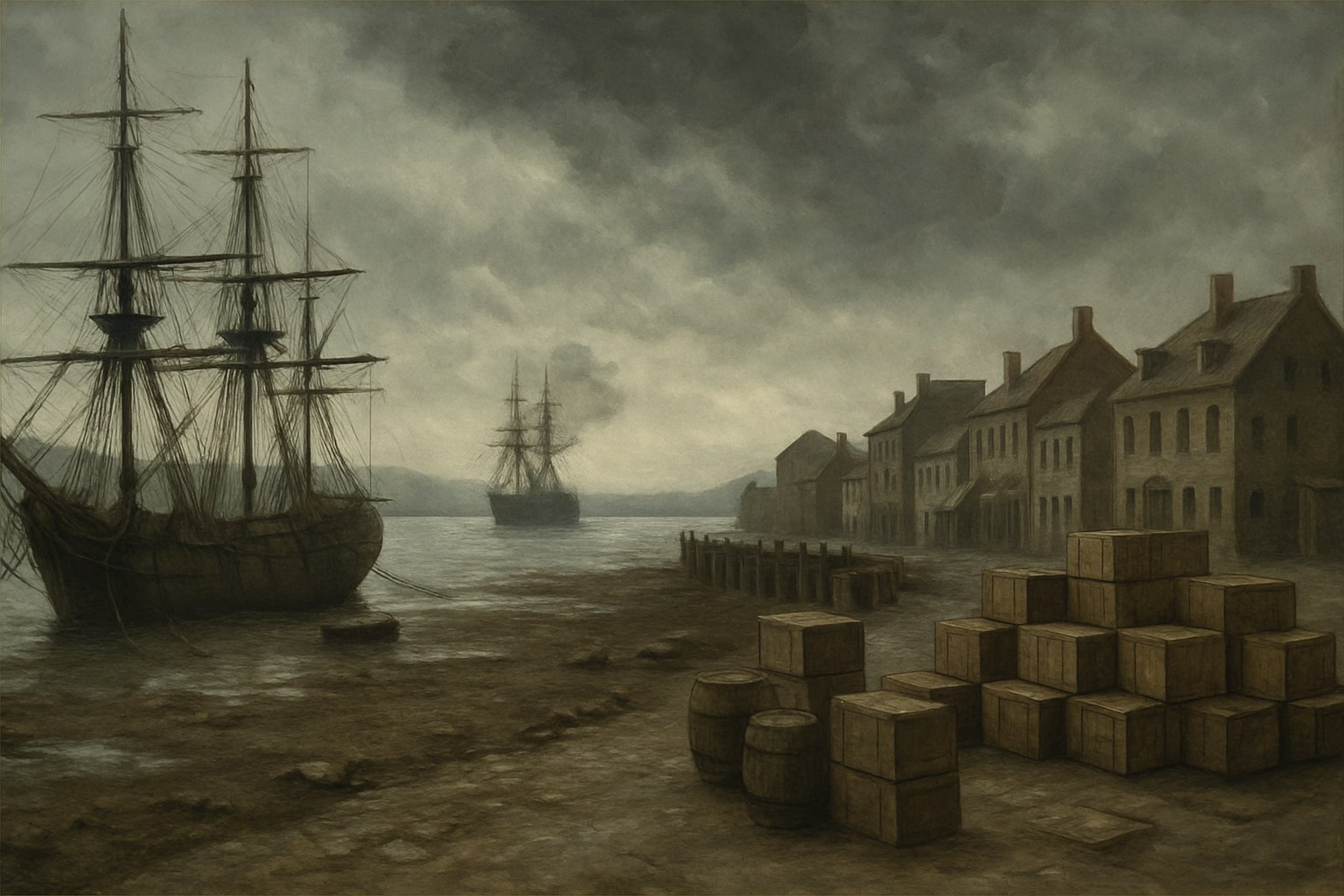
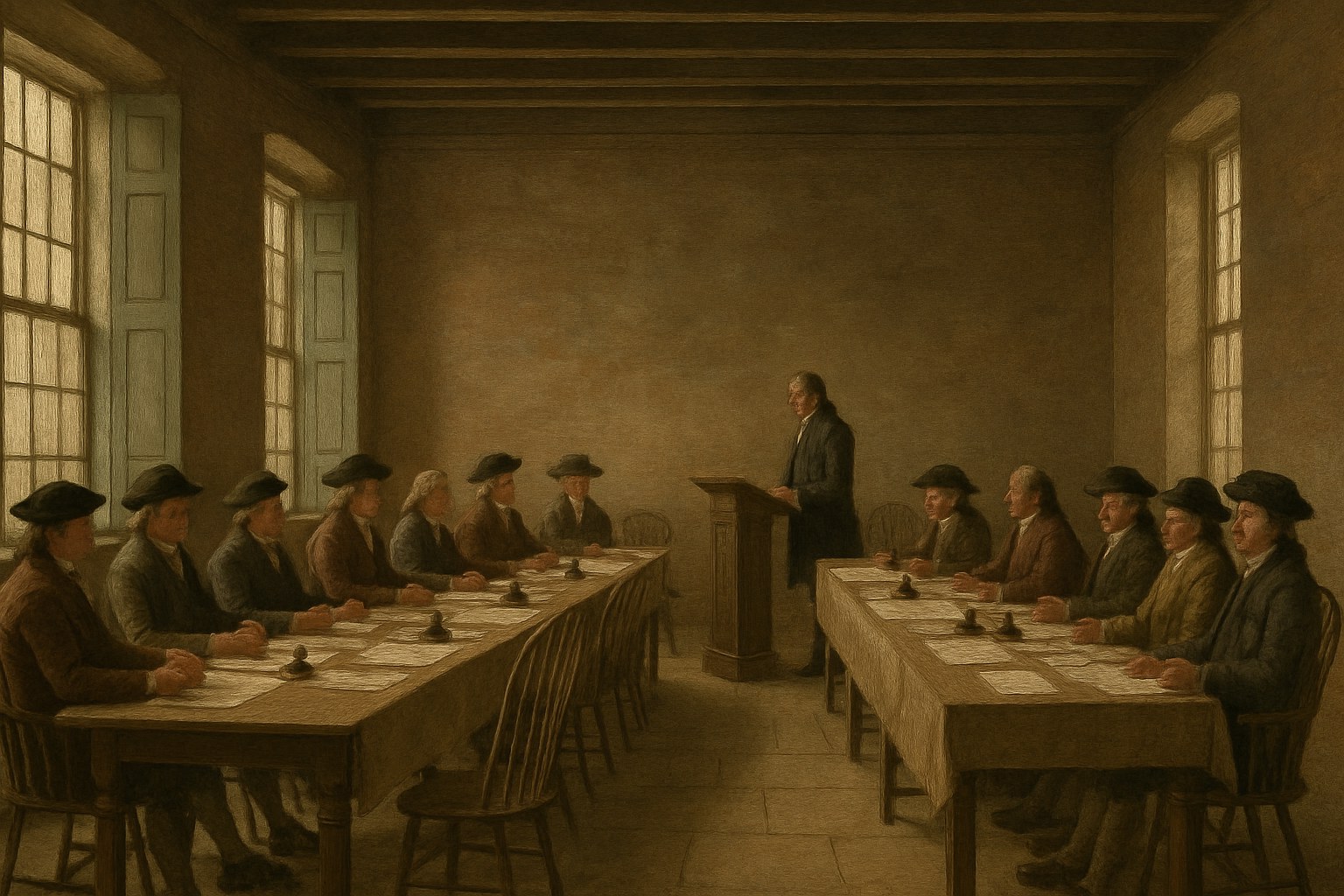
The Boston Port Act closed the harbor to all commerce until the East India Company was paid for its tea and the king was satisfied of the town's good order. The Massachusetts Government Act rewrote the charter of 1691, making the council appointive rather than elected, giving the governor control of judicial appointments, and limiting town meetings to one a year without written permission. The Administration of Justice Act let the governor move the trial of a crown official accused of a capital crime to another colony or to England. A broadened Quartering Act allowed billeting in unoccupied buildings.
Colonists lumped in a fifth measure that had nothing to do with punishment. The Quebec Act extended that province's boundary south to the Ohio River, guaranteed the free exercise of Catholicism, and provided a government with no elected assembly at all — an arrangement that offended Protestant sensibilities, wiped out western land claims held by several colonies, and looked to suspicious readers like a preview of what Britain intended for them. Americans named the whole package the Intolerable Acts. General Thomas Gage arrived in May as military governor of Massachusetts.
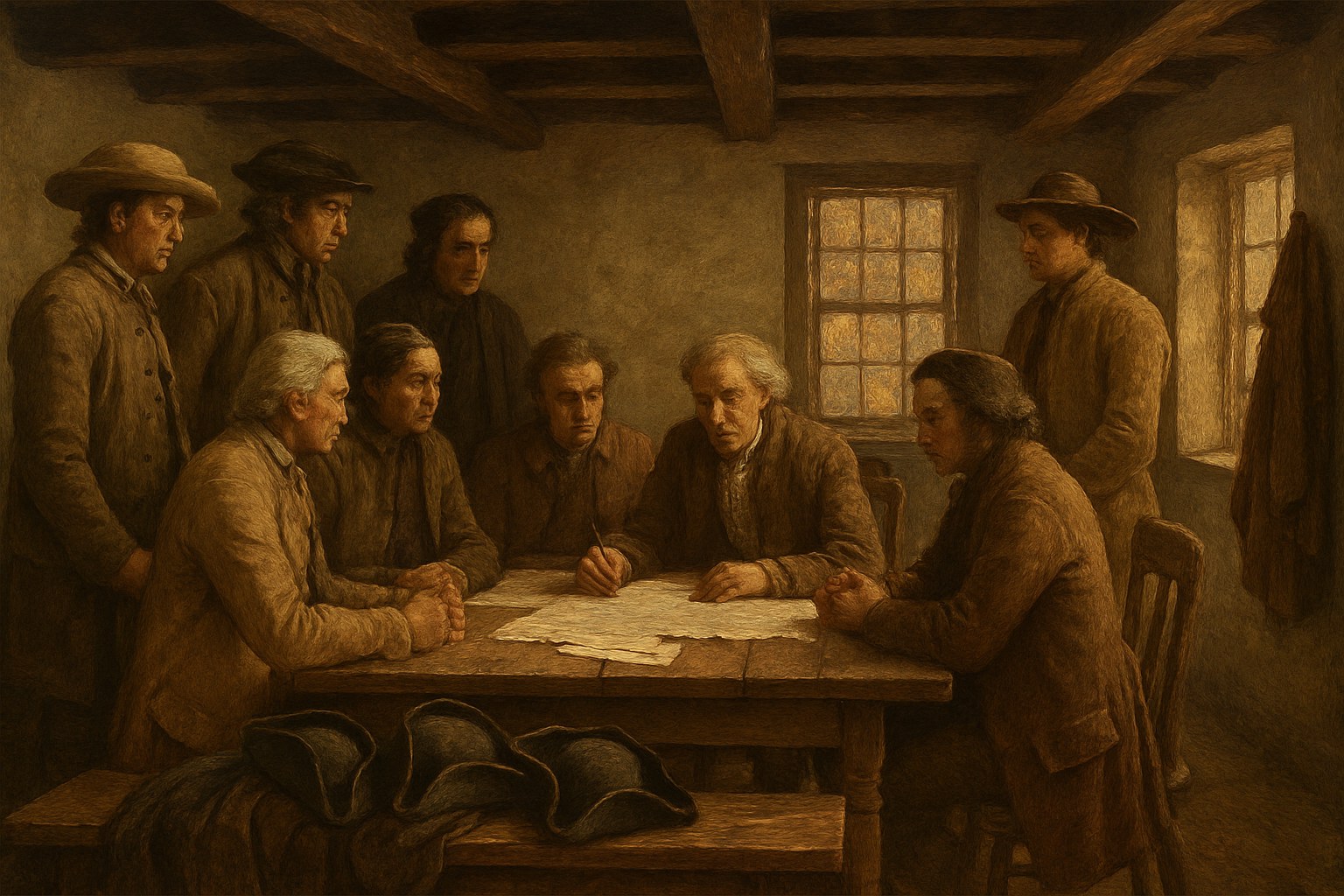
The strategy failed on its own terms. Closing Boston's port did not isolate the town, it made Boston a common cause: rice came from South Carolina, sheep from Connecticut, and money from as far as Virginia, carried overland while the harbor stood empty. Altering a charter by act of Parliament also told every other colony that its own charter was held at Westminster's pleasure. The Coercive Acts produced exactly the united colonial body they had been designed to prevent.


| Passed | March to June 1774 |
| Cause | The destruction of the tea in Boston Harbor |
| The four acts | Boston Port, Massachusetts Government, Administration of Justice, Quartering |
| The fifth | The Quebec Act, lumped in by colonists |
| British name | The Coercive Acts |
| Result | The First Continental Congress, September 1774 |
| Date | March-June 1774 |