The Gaspee Affair
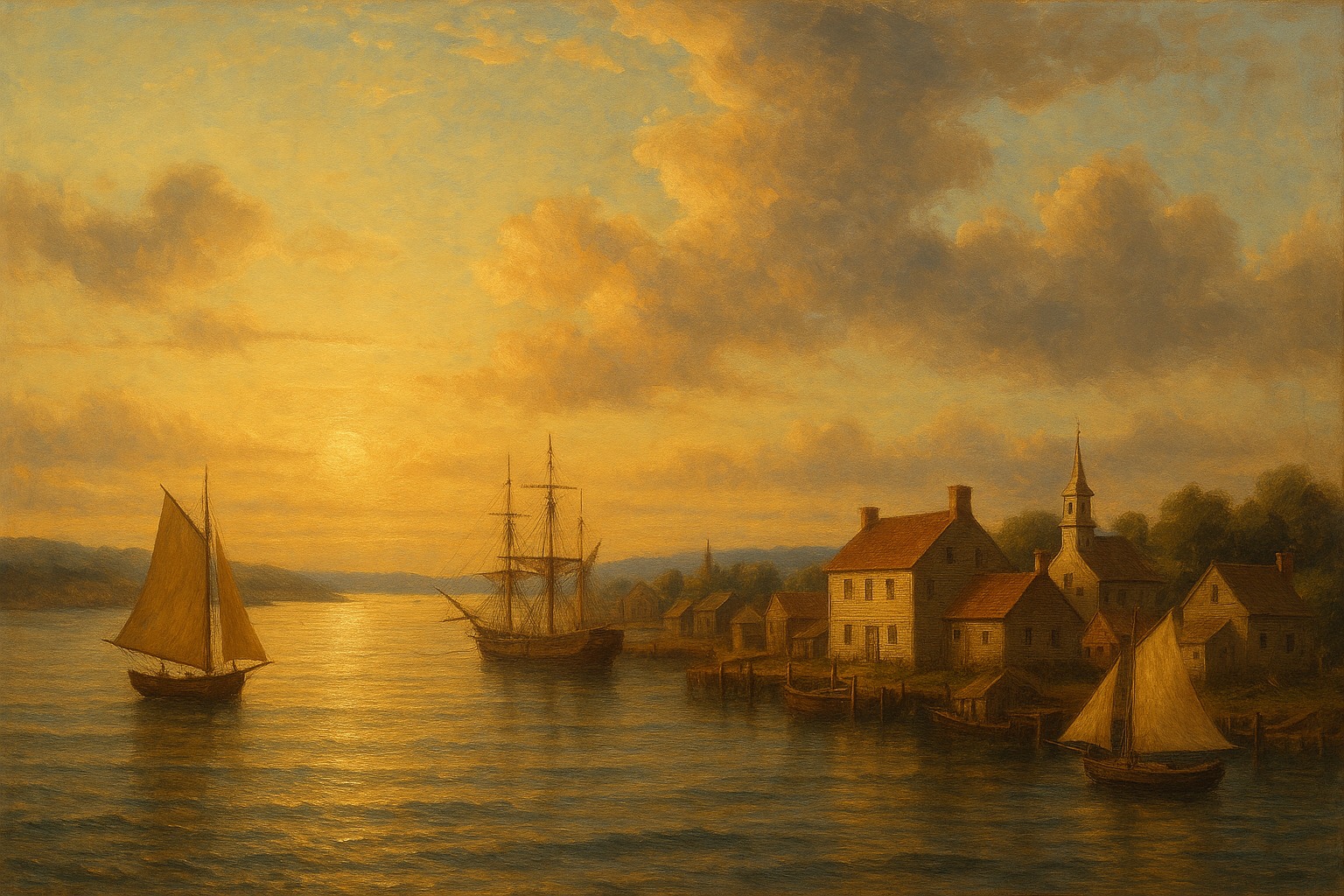
Narragansett Bay was smuggling country, and Lieutenant William Dudingston of the Royal Navy schooner Gaspee had spent months making himself hated in it. He stopped small coasting vessels without cause, seized cargoes on suspicion, sent his prizes to Halifax for condemnation rather than trying them in Rhode Island courts, and, by local account, helped himself to livestock and orchards ashore. The colony's governor and its chief justice both informed him that he had exceeded his authority. He replied that he answered to the admiral, not to Rhode Island.
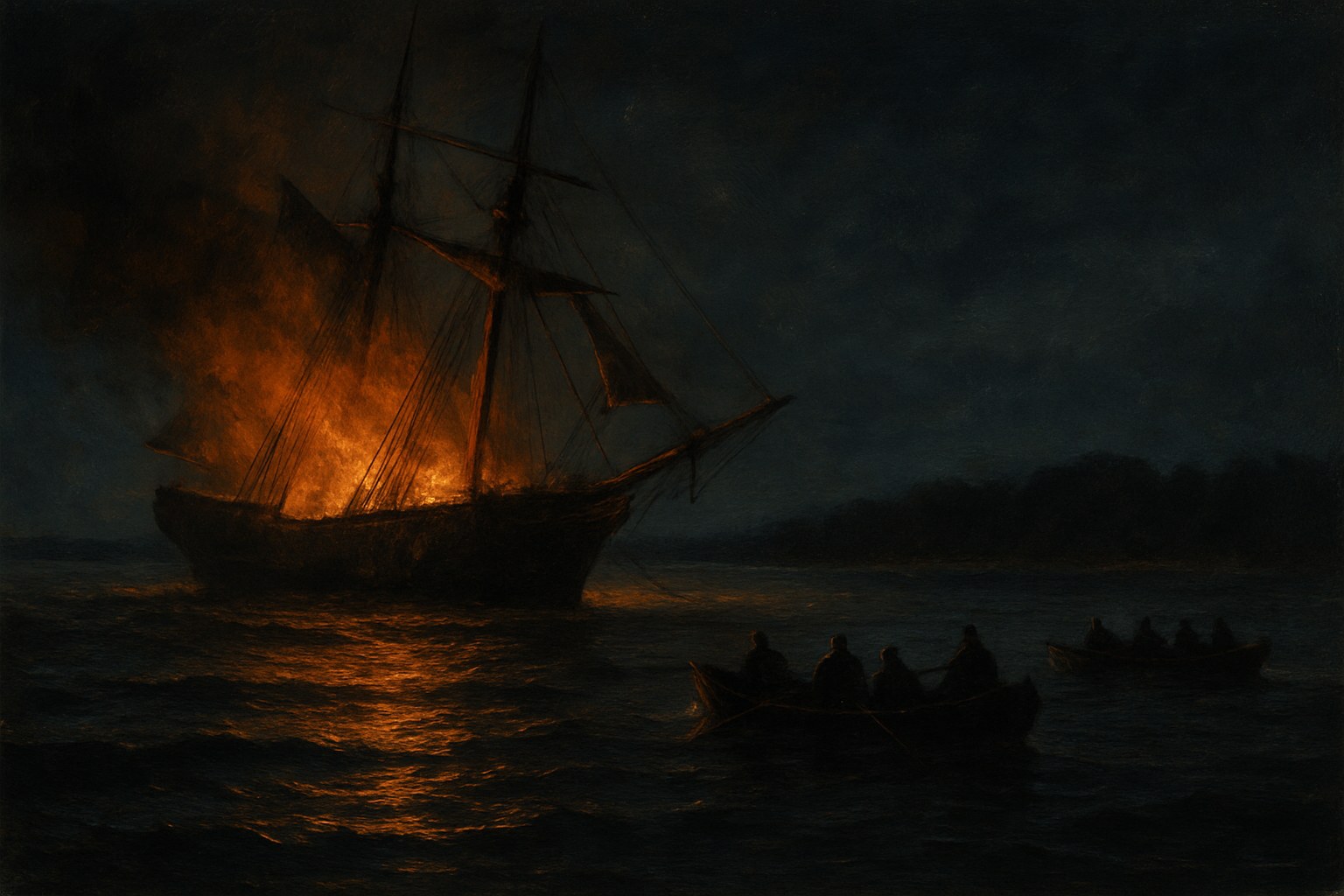
On June 9, 1772 the packet Hannah, running from Newport up to Providence, drew the Gaspee into the shallows off Namquid Point and left her hard aground on a falling tide. Word reached Providence that evening. A drummer went through the streets, and after midnight some sixty men — merchants, ship captains, and sailors, with John Brown and Abraham Whipple among the leaders — rowed down the bay in longboats, boarded the schooner, shot and wounded Dudingston in the scuffle, put the crew ashore, and set the vessel alight.
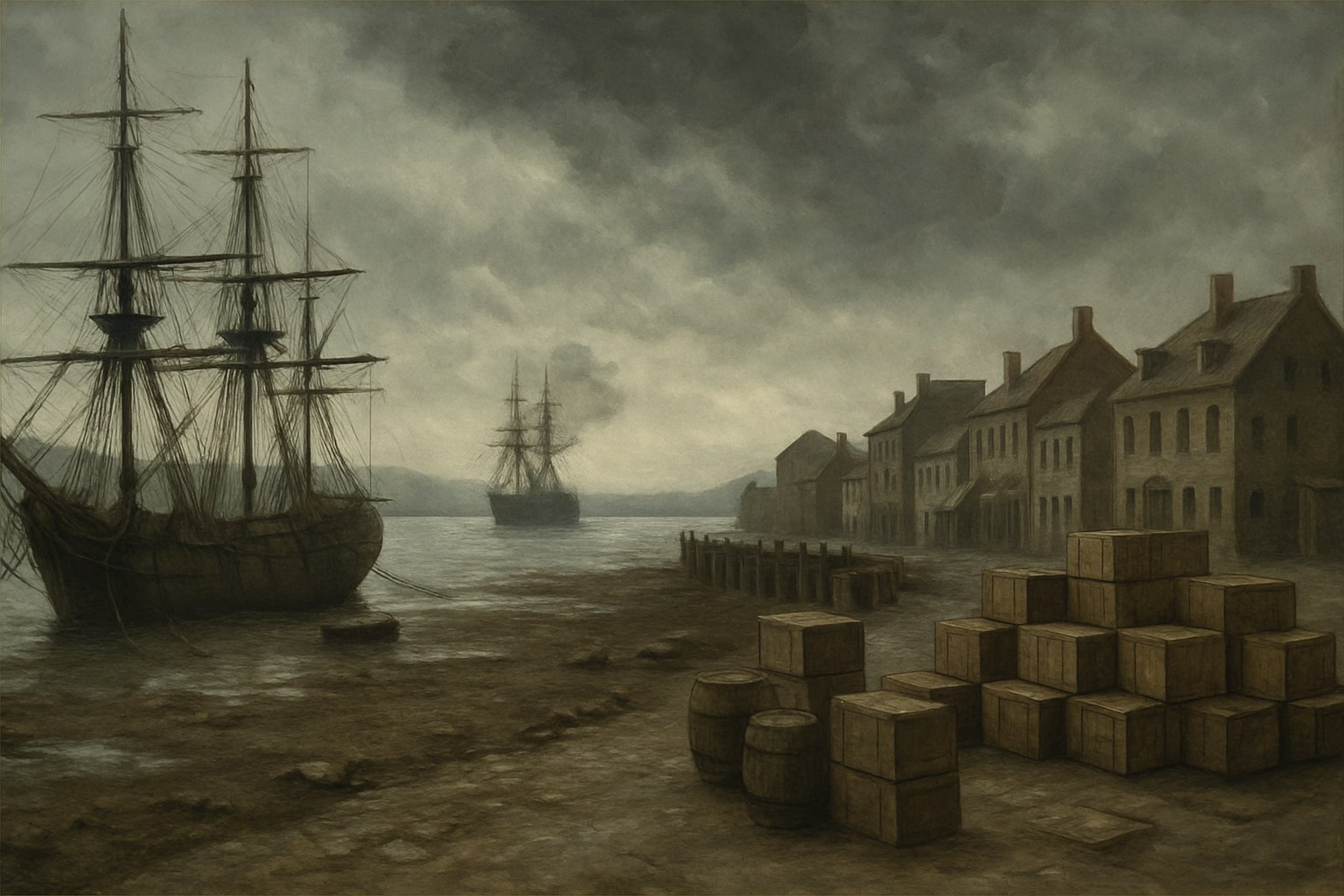
What made the affair matter was the response from London. The crown posted a large reward and appointed a royal commission of inquiry, giving it authority to send anyone accused across the Atlantic to stand trial in England. That threat struck at a right colonists regarded as ancient and inviolable: an American could be pulled out of his colony and tried three thousand miles from any jury of his neighbors. The commission sat at Newport for months and produced nothing. Everyone in Rhode Island knew who had done it, and nobody would say.
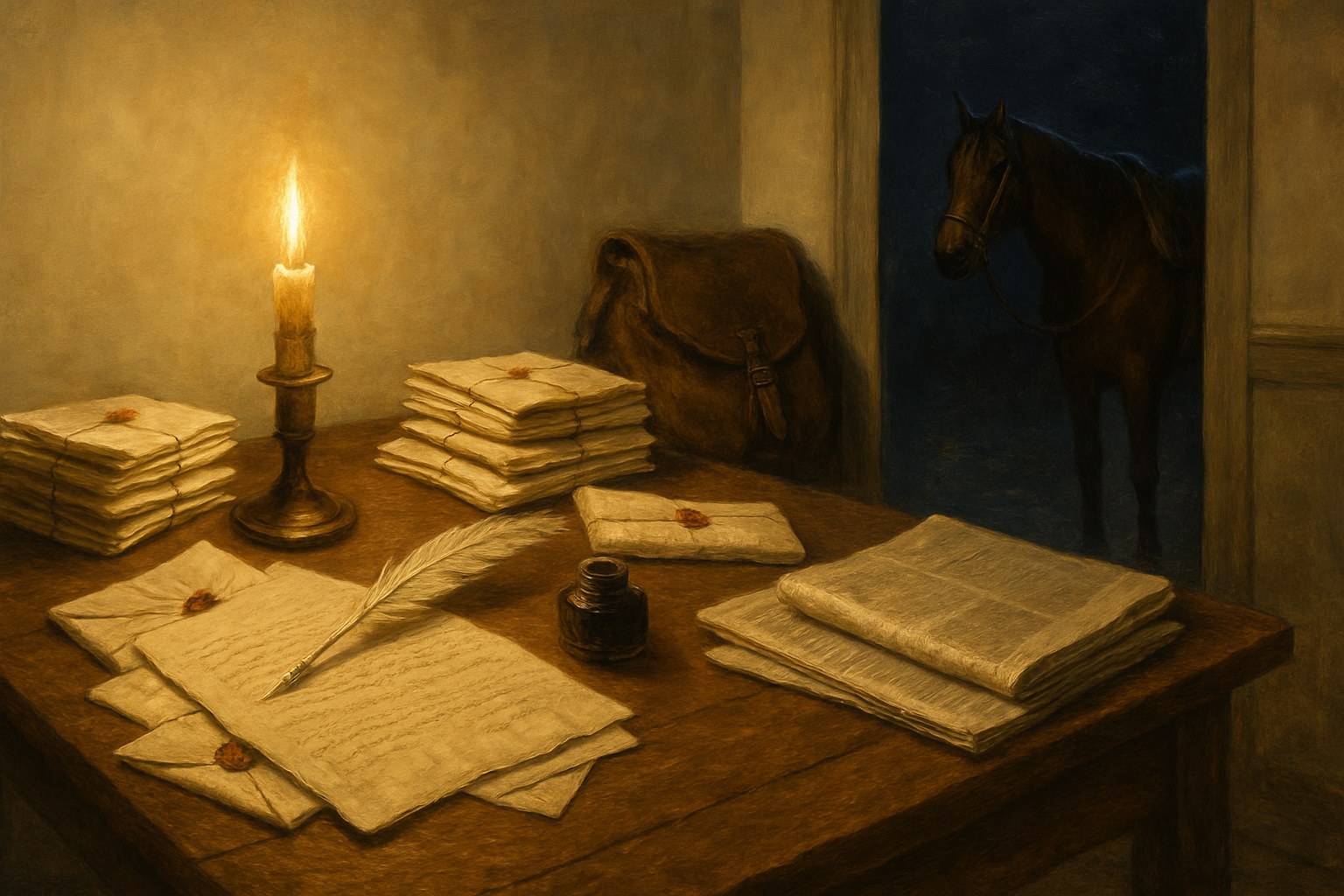
The failed prosecution left the precedent intact, and the precedent alarmed people who lived nowhere near Narragansett Bay. Virginia's House of Burgesses, reading the commission's powers, moved in March 1773 to appoint a standing committee of correspondence and invited every other colony to do the same. An act of local vandalism against a hated customs officer thus produced the intercolonial machinery that made a continental resistance possible two years later.
| Date | The night of June 9-10, 1772 |
| Place | Namquid Point, Narragansett Bay, Rhode Island |
| Target | HMS Gaspee, a customs enforcement schooner |
| Leaders | John Brown and Abraham Whipple of Providence |
| Crown response | A royal commission empowered to try suspects in England |
| Outcome | No one was ever indicted |
| Date | June 9-10, 1772 |
| Location | Gaspee Point, Warwick, Rhode Island |