The Committees of Correspondence
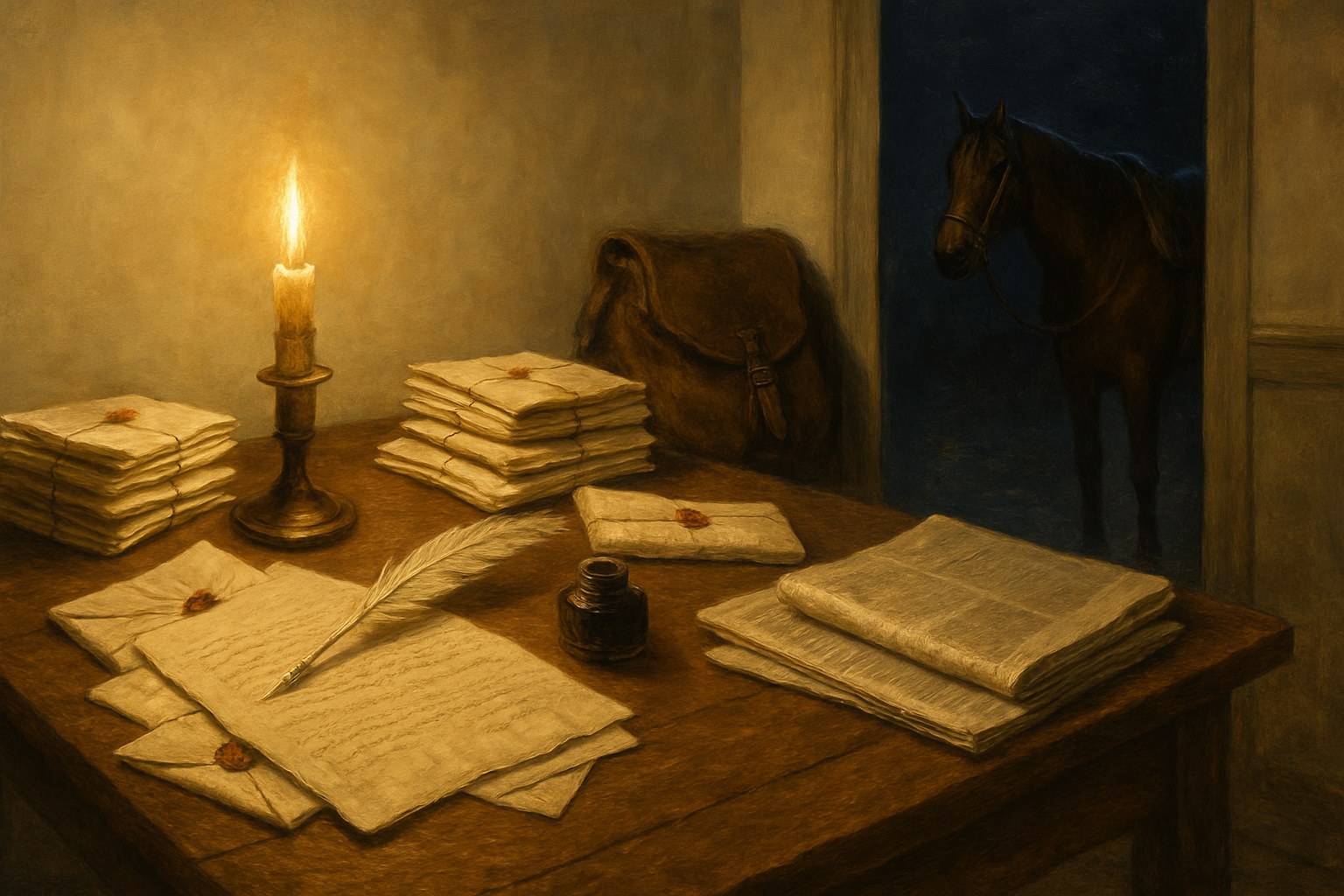
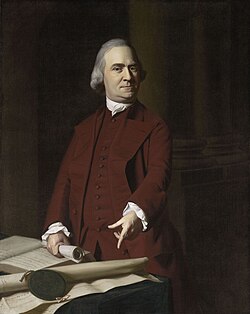
Resistance through the 1760s had been episodic. A tax arrived, the towns erupted, the tax was repealed, and the loose network of merchants, printers, and Sons of Liberty that had coordinated the boycott dissolved until the next crisis called it back. Samuel Adams thought that rhythm fatal to the cause. What was needed, he argued, was not another crowd in the street but a permanent structure — a standing correspondence that would keep grievances alive between emergencies and ensure that what happened in one town was known and felt in the next.
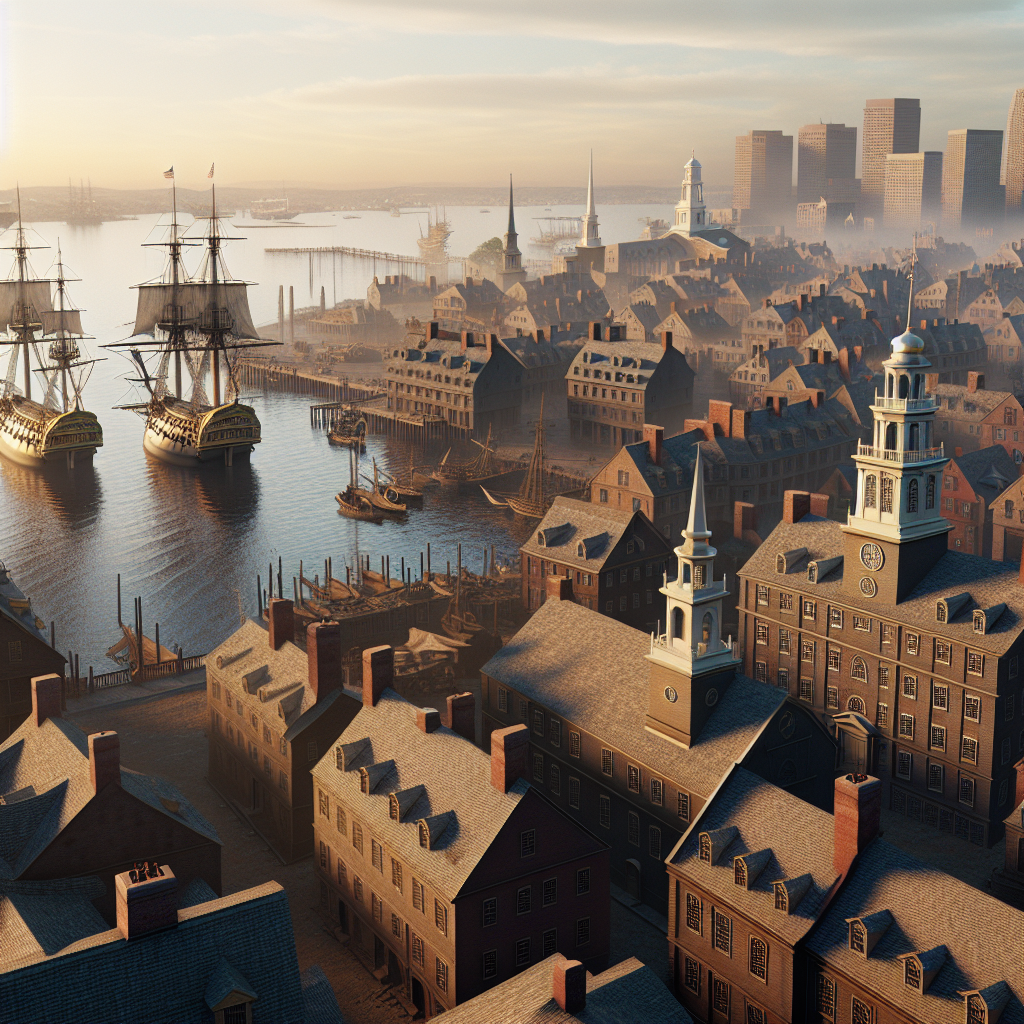
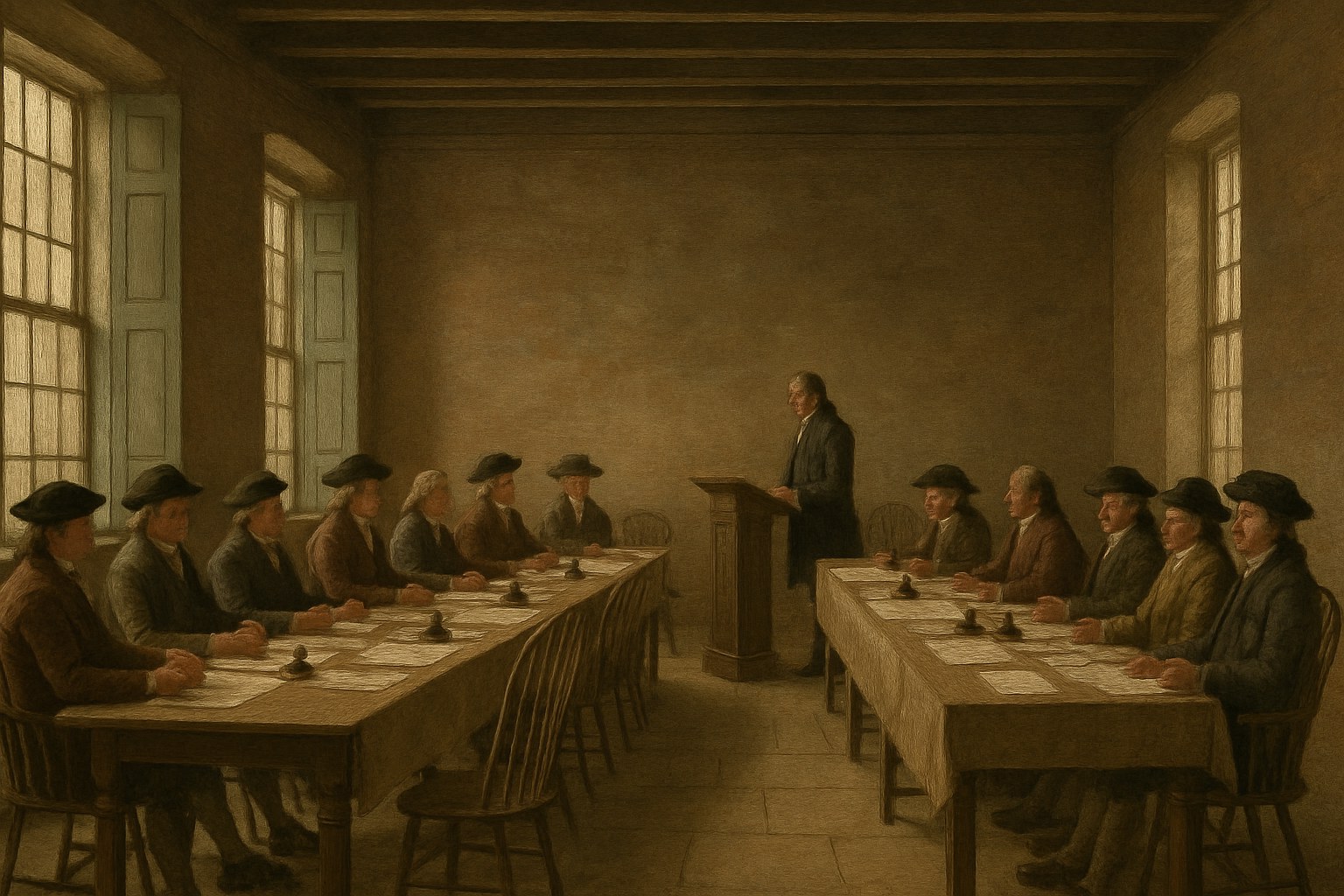
The occasion came in the autumn of 1772, when word arrived that the salaries of Massachusetts judges would henceforth be paid out of crown revenue rather than voted by the assembly. Boston's town meeting appointed a committee of twenty-one, with Adams, James Otis, and Joseph Warren at its center, and charged it with stating the colonists' rights, listing the infringements of those rights, and sending the statement to every other town in the province. More than half the towns of Massachusetts answered, most of them endorsing the pamphlet in open meeting.
Virginia raised the idea to an intercolonial scale. In March 1773, alarmed by the Gaspee commission's power to carry Americans to England for trial, the House of Burgesses named a committee to correspond with the other colonies, and within a year nearly all of them had followed. The committees traded newspapers, resolutions, shipping intelligence, and rumor. They circulated the Suffolk Resolves, organized relief for Boston after the port was closed, and selected the delegates who rode to Philadelphia in September 1774.
The committees did what no single assembly could. They built a continental public out of thirteen separate provincial arguments, and they did it through channels a royal governor could not easily shut. When governors dissolved the legislatures, the committees kept meeting anyway. By 1775 they were functioning as an alternative government across much of New England, gathering information, enforcing boycotts, and giving the resistance a memory and a voice that outlasted any single grievance.
| Founded | November 1772, by the Boston town meeting |
| Organizers | Samuel Adams, Joseph Warren, James Otis |
| Trigger | Crown salaries for Massachusetts judges |
| Intercolonial | Virginia's House of Burgesses, March 1773 |
| Function | Circulating grievances, intelligence, and resolutions |
| Result | Chose the delegates to the First Continental Congress |
| Date | 1772-1775 |
| Location | Boston, Massachusetts |