The Proclamation of 1763

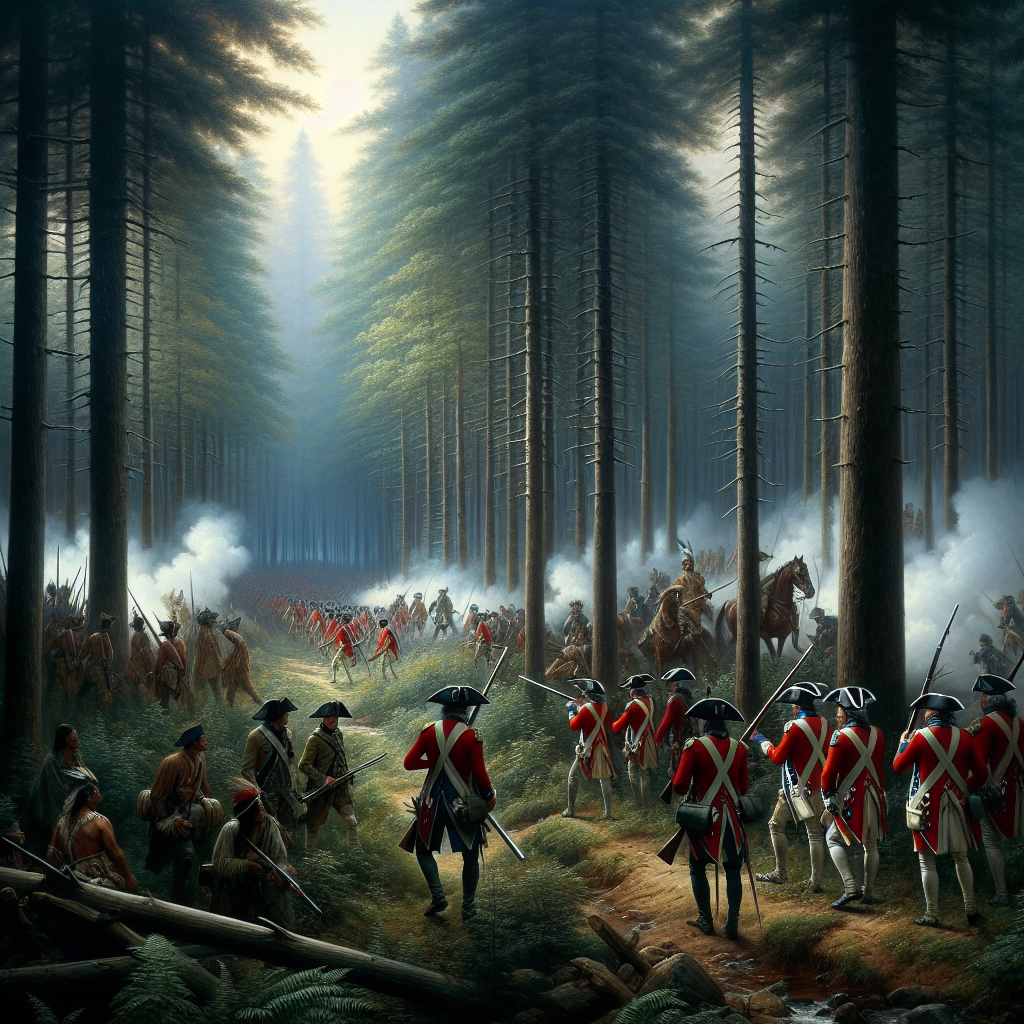
Britain won an empire in 1763 and discovered almost at once that it could not afford to police one. With the French driven from North America, the Native nations of the Ohio Country and the Great Lakes lost the ally who had balanced British power, and that spring an alliance associated with the Ottawa leader Pontiac swept a string of western forts. London wanted the fighting stopped and the frontier quiet. On October 7, 1763, George III issued a royal proclamation drawing a boundary along the crest of the Appalachians and reserving everything beyond it for Indian nations.
The document did more than draw a line. It organized the new conquests into the provinces of Quebec, East Florida, and West Florida, forbade private purchases of Indian land, required that any future cession pass through crown officials at a public council, and ordered colonists already settled west of the boundary to withdraw. British ministers regarded this as prudent economy. Regulated expansion under imperial supervision cost far less than a general Indian war, and an orderly fur trade paid for itself. Officials in London considered the line temporary and adjustable, not a permanent wall.
Colonists read it very differently. Virginians and Pennsylvanians had fought the war in part to open the Ohio Valley, and veterans had been promised bounty land there. Speculators with charters and completed surveys watched their claims voided by a stroke of the royal pen. George Washington, deep in western land ventures, wrote privately to a business partner that he took the proclamation for a temporary expedient to quiet the Indians and advised buying up land anyway. Settlers simply crossed. Enforcement rested on a thin garrison, and the boundary was pushed westward again and again by treaty.
The proclamation set a pattern that held for the next twelve years. A measure that seemed reasonable in Whitehall struck colonists as a denial of what they had already earned, and the crown lacked the means to make it stick. It also produced the first sustained complaint that American interests were being settled in London without American consent. Historians looking for the opening of the imperial crisis usually begin here, before a single new tax had been levied on the colonies.
| Issued | October 7, 1763 |
| Issued by | George III, by royal proclamation |
| Boundary | The crest of the Appalachian Mountains |
| Cause | Pontiac's War and the cost of frontier defense |
| Effect | Voided western land claims and veterans' bounty grants |
| Note | Widely ignored by settlers and moved west by later treaties |
| Date | October 7, 1763 |