The First Continental Congress
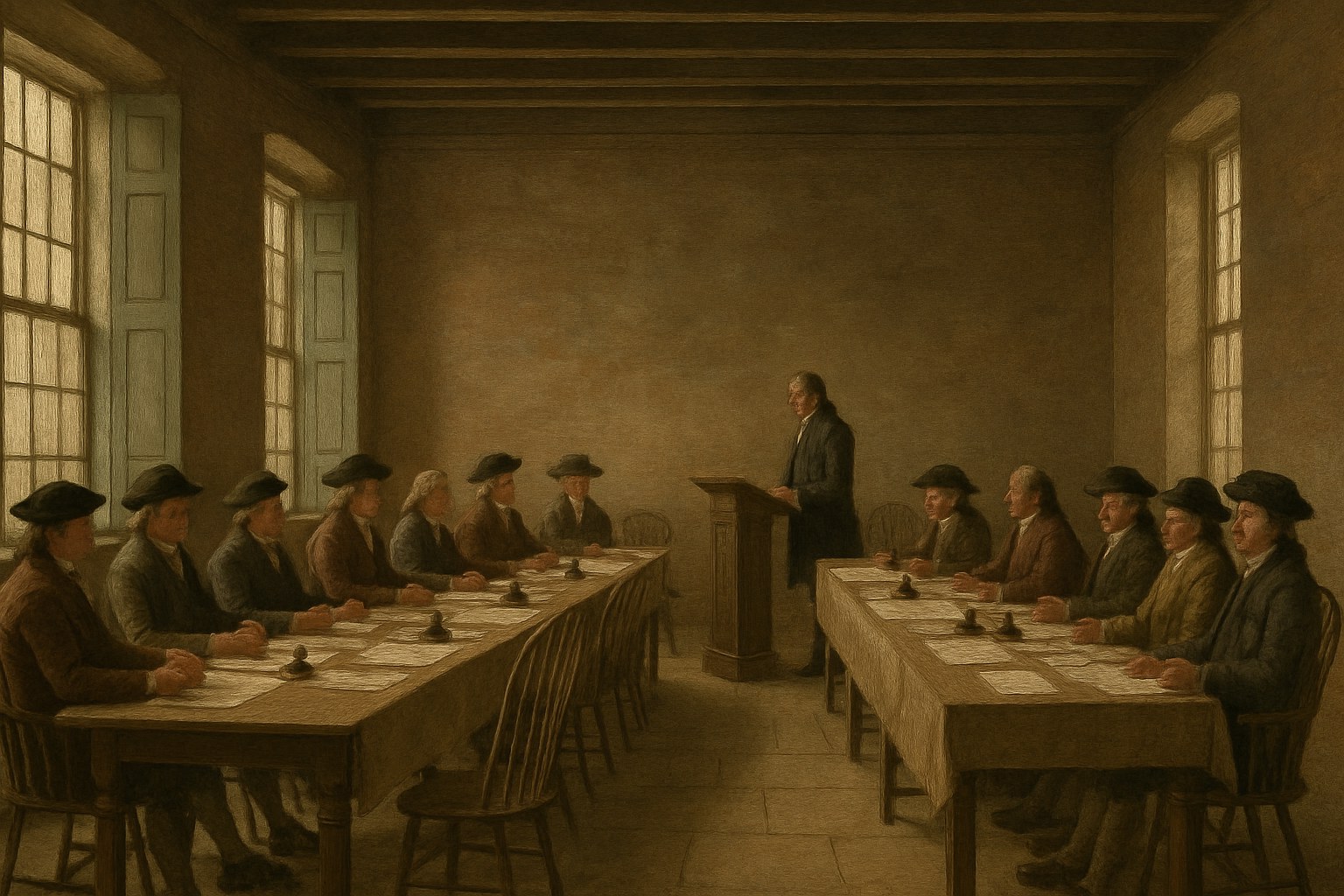
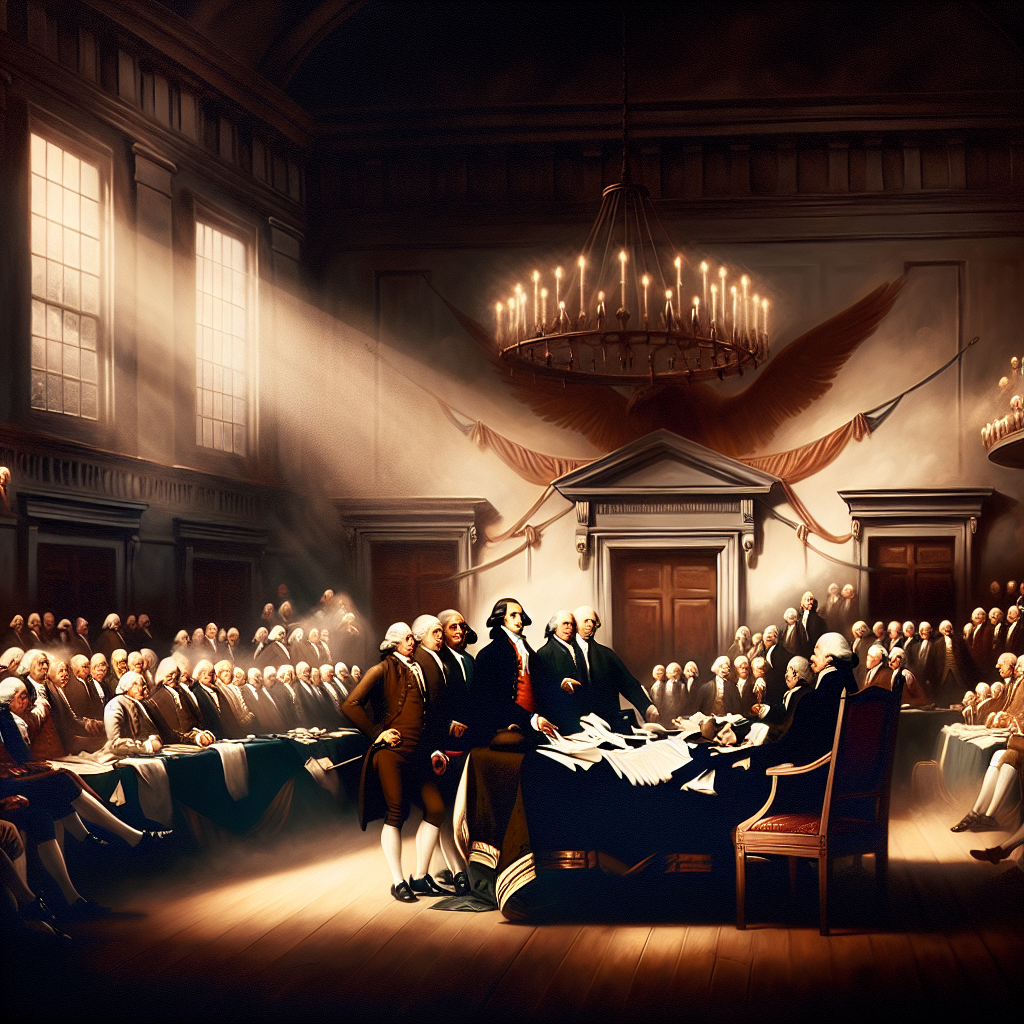
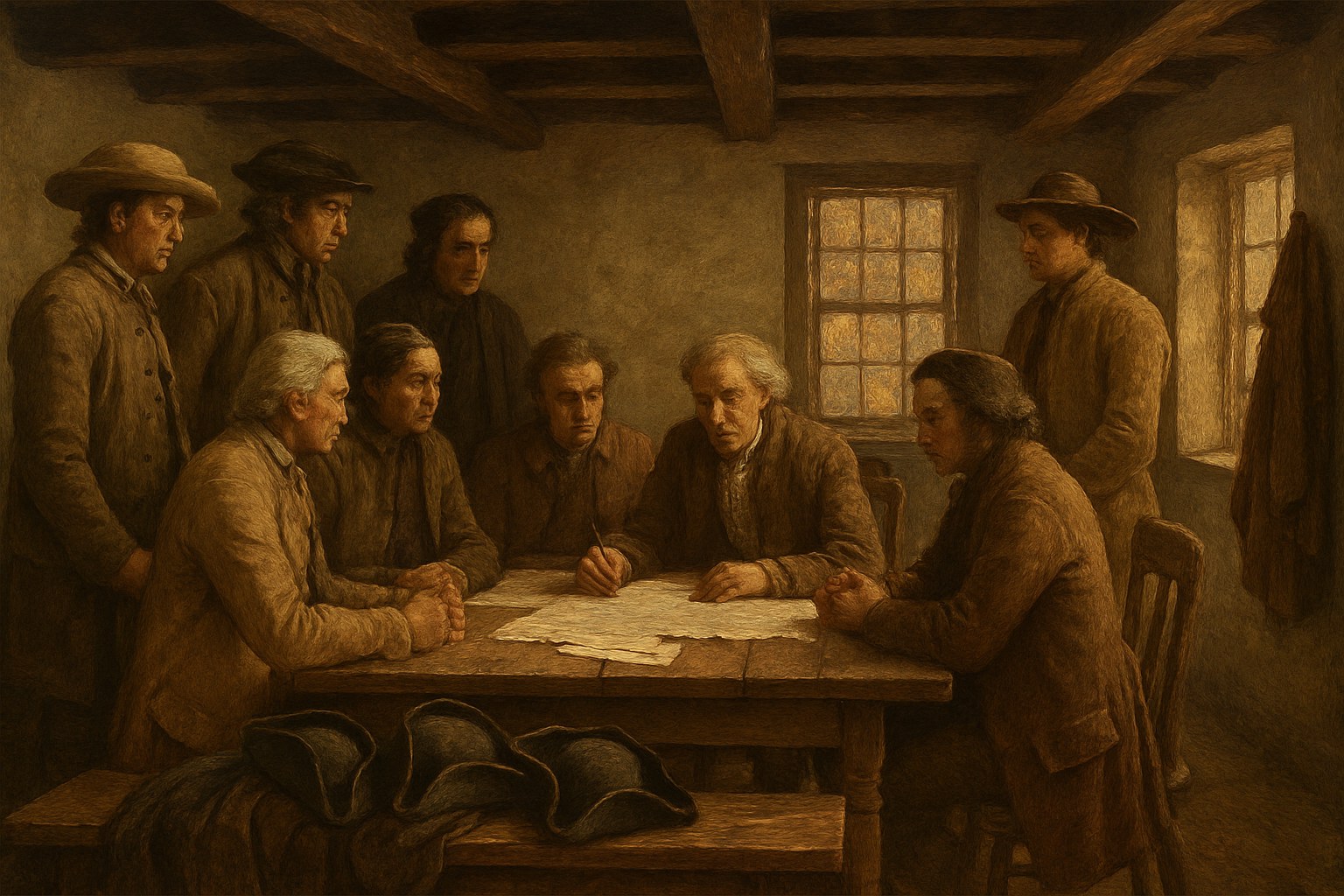
Fifty-six delegates from twelve colonies convened in Philadelphia on September 5, 1774. Georgia stayed home, its governor firmly in control and its frontier settlements dependent on British troops. The delegates met at Carpenters' Hall rather than the Pennsylvania State House, a choice that signaled distance from the province's cautious assembly. Almost none of them had met before. Their instructions varied, their aims diverged, and no one could say with confidence what a congress of colonies was legally entitled to do at all.
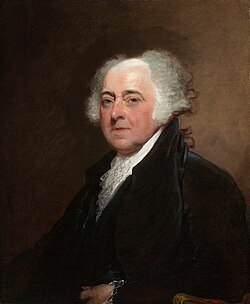
The first fight was procedural and decisive. Each colony would cast a single vote regardless of population, and the proceedings would be kept secret. Joseph Galloway of Pennsylvania then proposed a plan of union that would have created an American legislature under the crown holding a veto over parliamentary acts touching the colonies. It lost by one vote and was struck from the record. In its place the Congress endorsed the Suffolk Resolves, carried down from Massachusetts by Paul Revere, which declared the Coercive Acts unconstitutional and not binding.
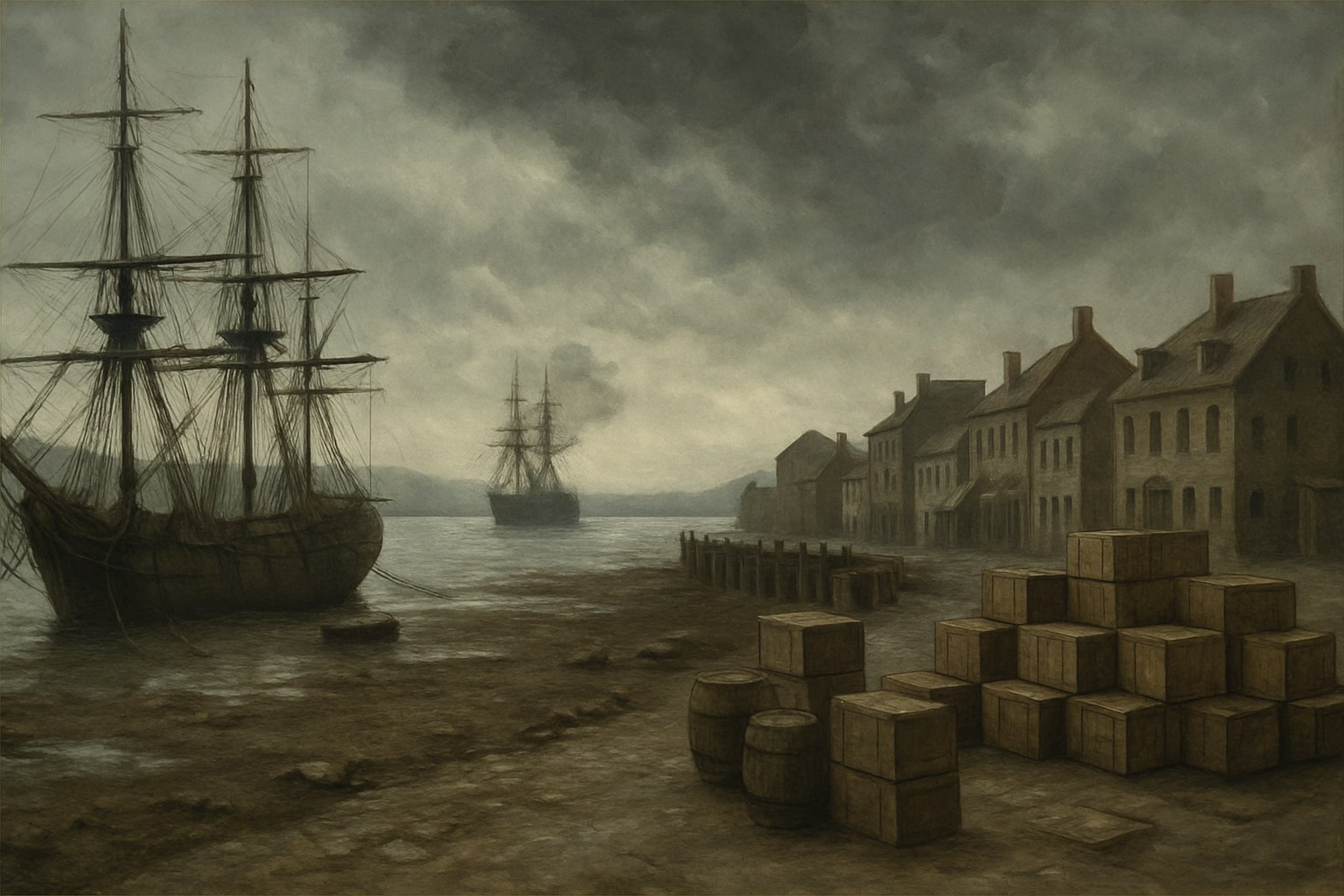
Its principal work was the Continental Association, adopted on October 20 — a graduated program of economic warfare with a calendar attached. Imports from Britain would stop in December, consumption of British goods the following March, exports to Britain and the West Indies in September 1775. Enforcement fell to committees of inspection elected in every county, town, and city, which published the names of violators and made non-compliance socially and commercially ruinous. Those committees became, in practice, the first local governments of the Revolution.
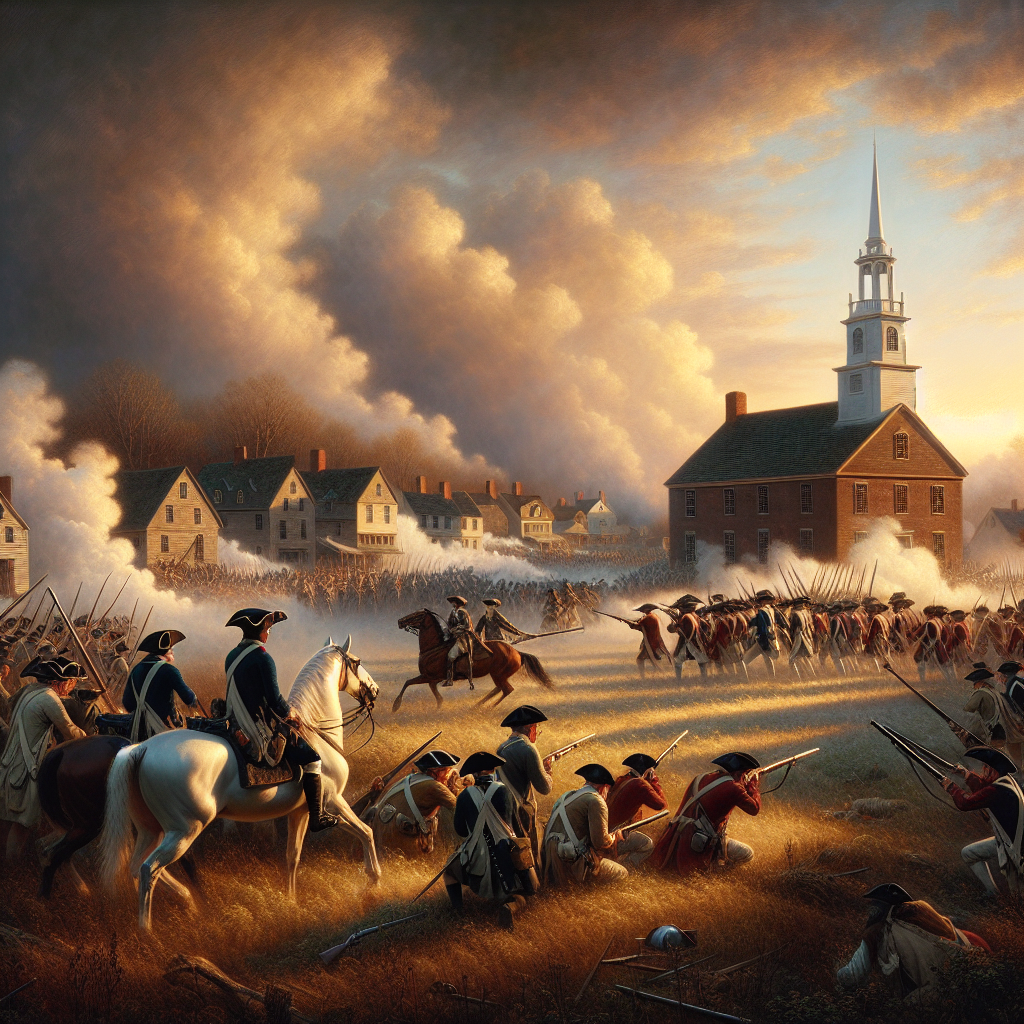
The Congress also issued a declaration of colonial rights and petitions to the king and to the people of Britain, then adjourned on October 26 with an agreement to reconvene the following May if the grievances went unredressed. They went unredressed. By the time the delegates returned to Philadelphia, blood had been shed at Lexington and Concord, and a body that had assembled to petition found itself raising an army and printing money instead.
| Met | September 5 to October 26, 1774 |
| Place | Carpenters' Hall, Philadelphia |
| Delegates | 56 from 12 colonies — Georgia did not attend |
| Voting | One vote per colony, proceedings kept secret |
| Key act | The Continental Association, a graduated boycott |
| Rejected | The Galloway Plan of Union, by a single vote |
| Date | September 5 - October 26, 1774 |
| Location | Carpenters' Hall, Philadelphia, Pennsylvania |