A Brief History of Religion in America
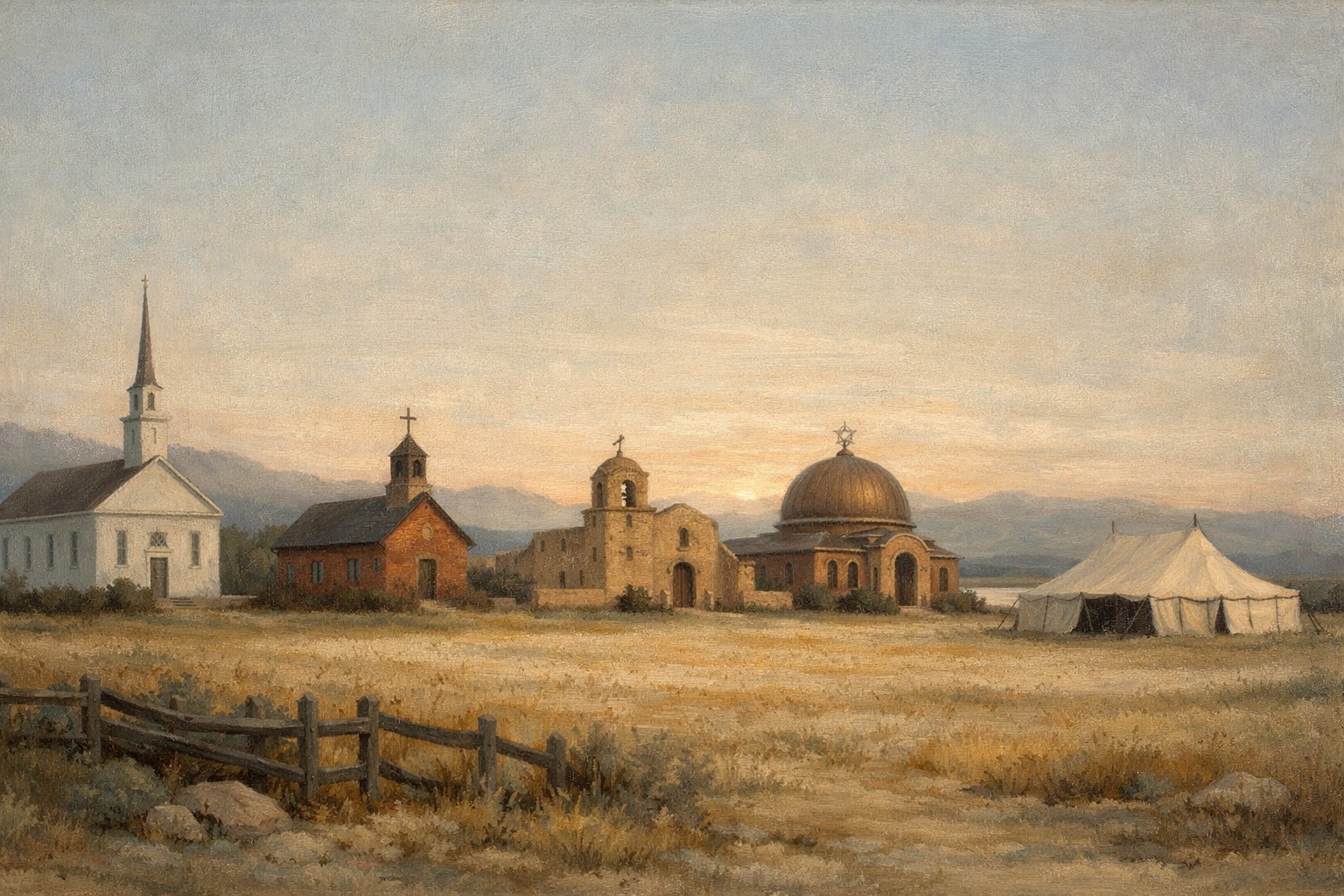
Religion has been bound up with the American story from the beginning, and rarely in the way schoolbook versions suggest. The Puritans came for religious freedom for themselves and banished anyone who disagreed. The founders wrote a Constitution without God in it and a First Amendment that barred a national church, and the result was not a secular country but the most religiously fertile one in the world, endlessly splitting, reviving, and inventing new faiths.
This guide follows that story from the covenant communities of New England through the Great Awakenings and the new churches of the nineteenth century, the battles over immigration and the public schools, the reform movements and revivals of the industrial age, and the faiths that shaped civil rights and modern politics. Each card links to a full account.
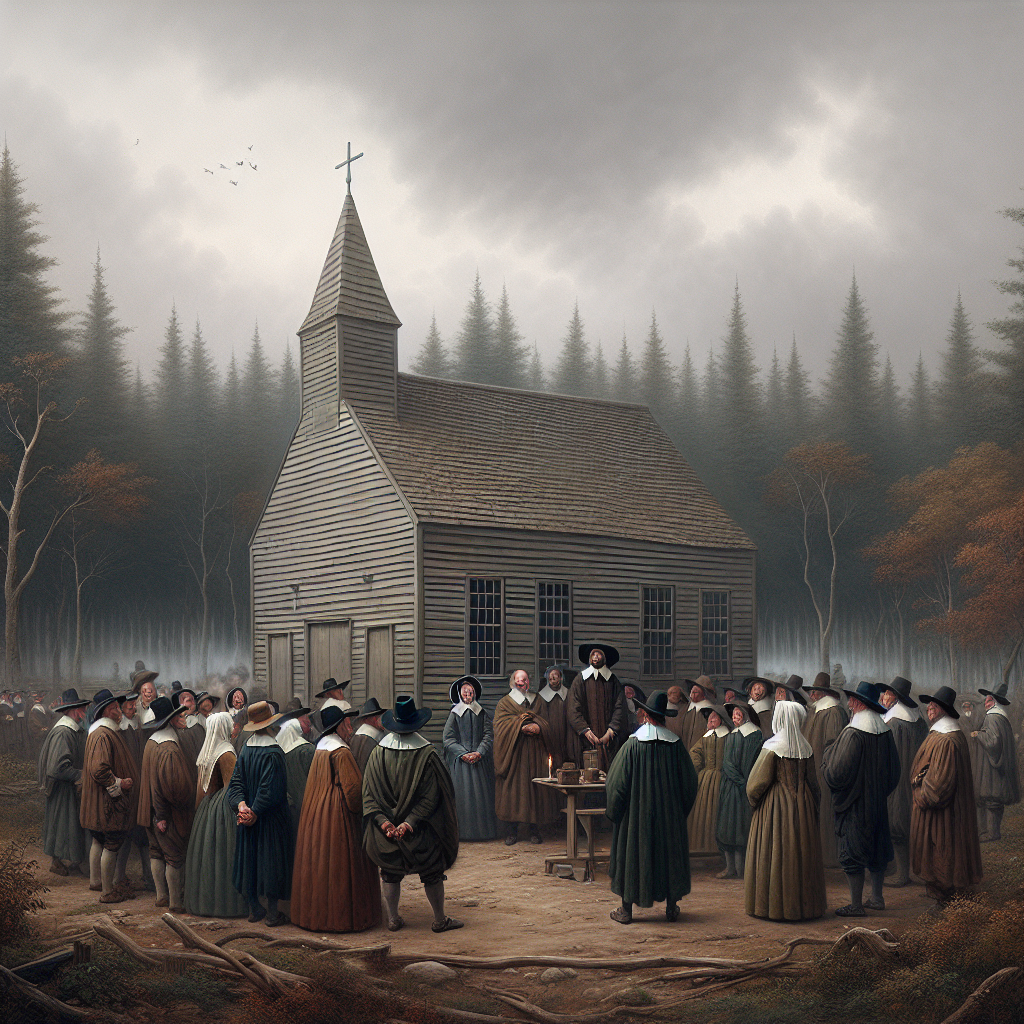
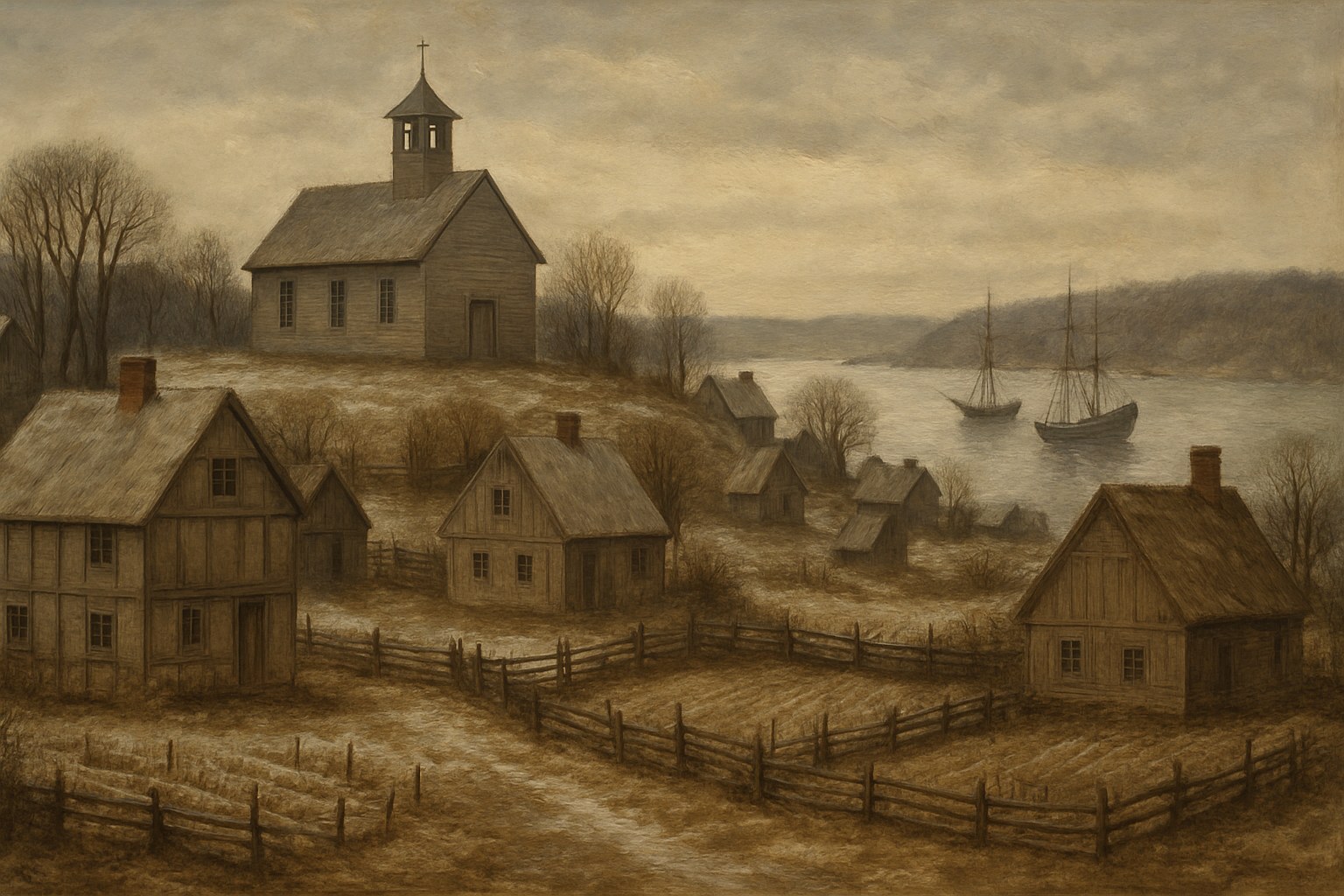
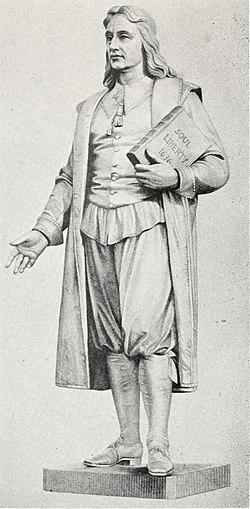
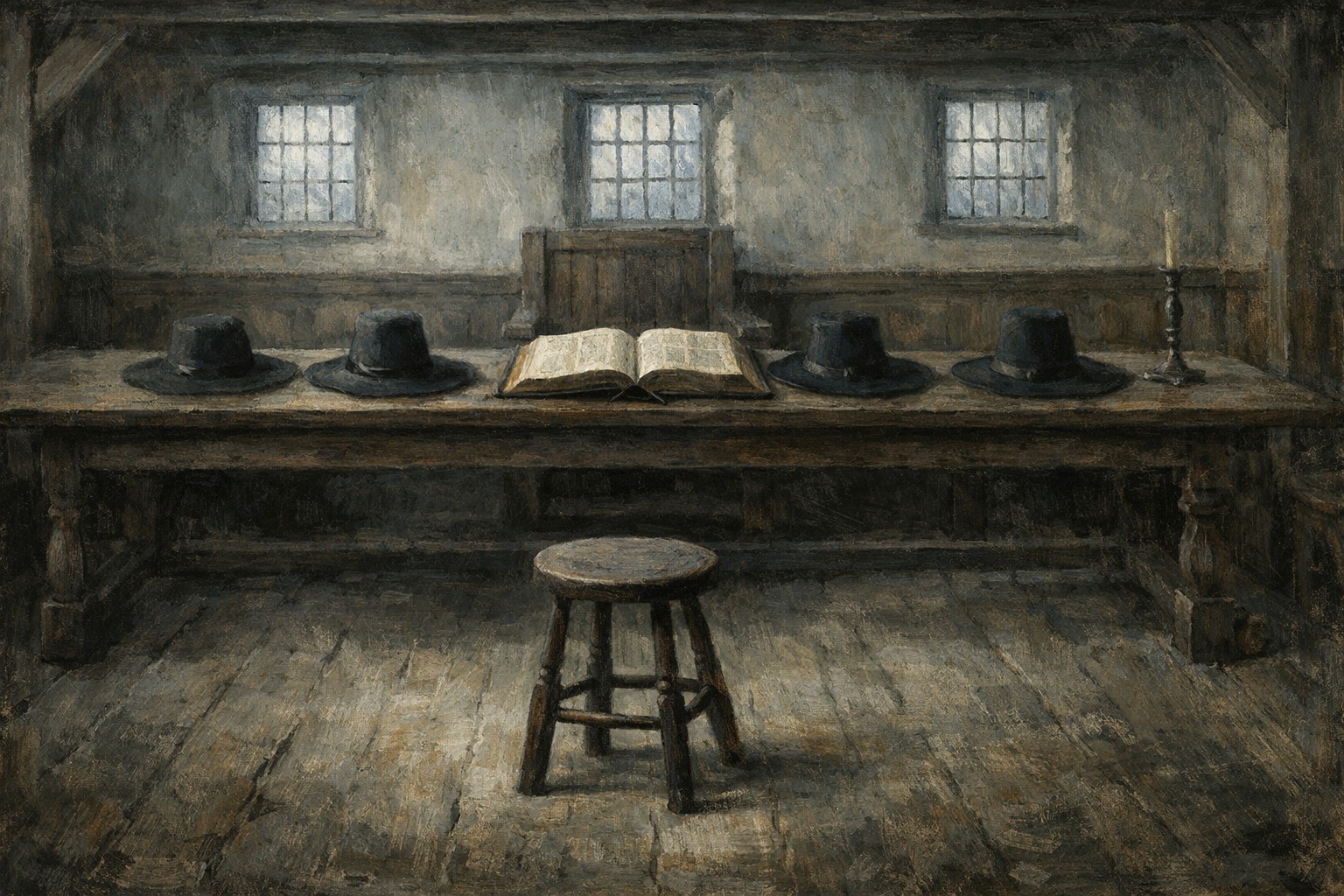
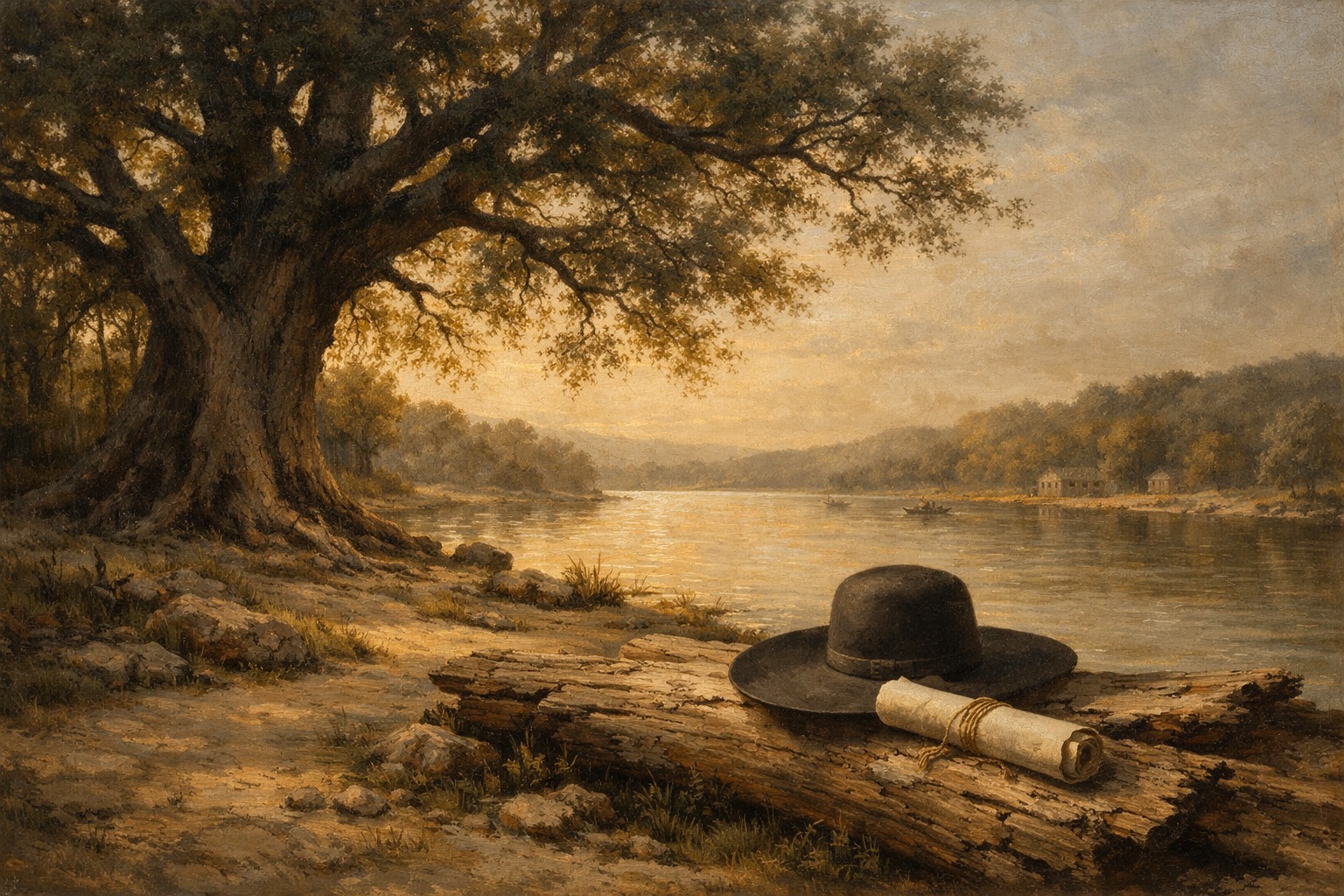
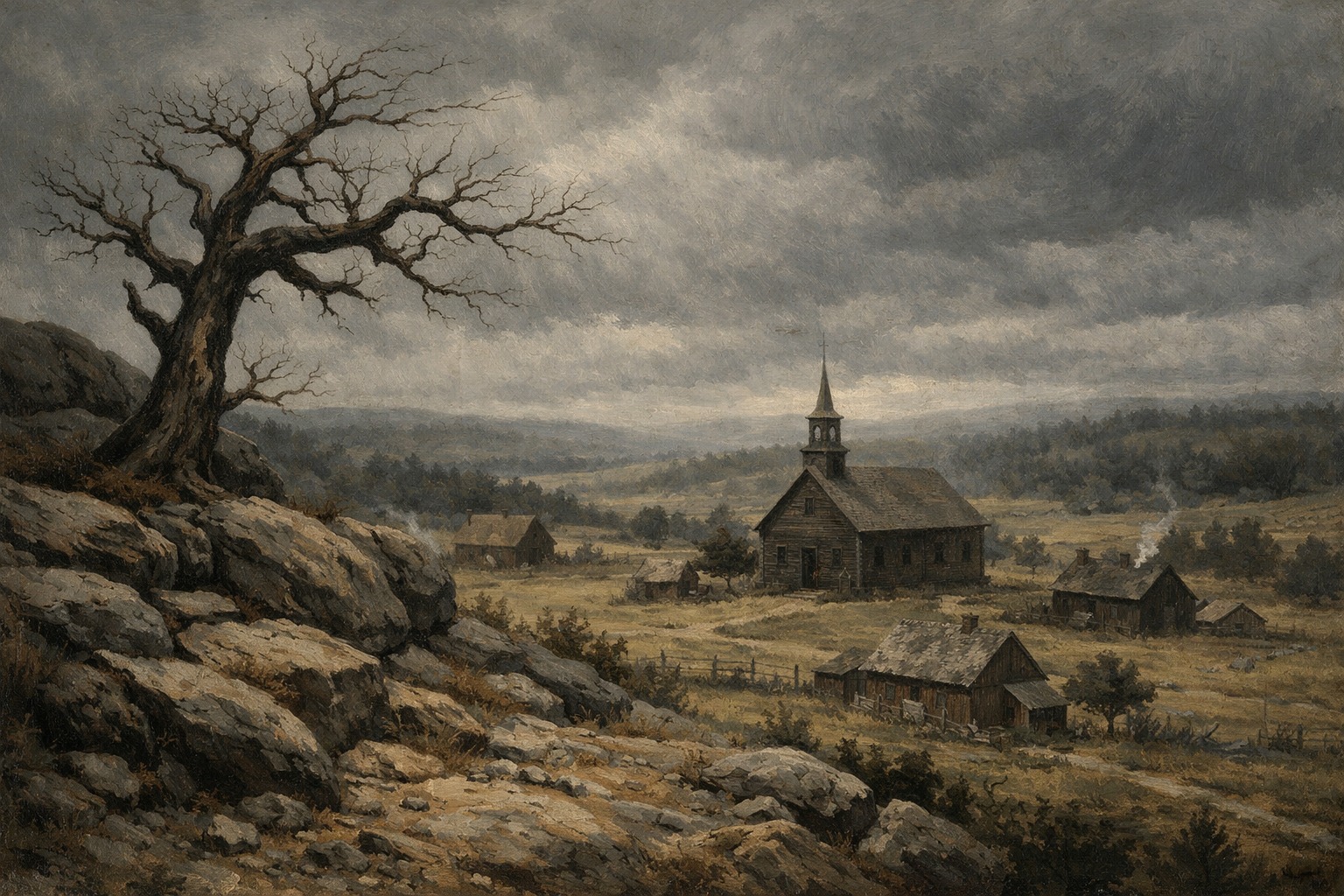
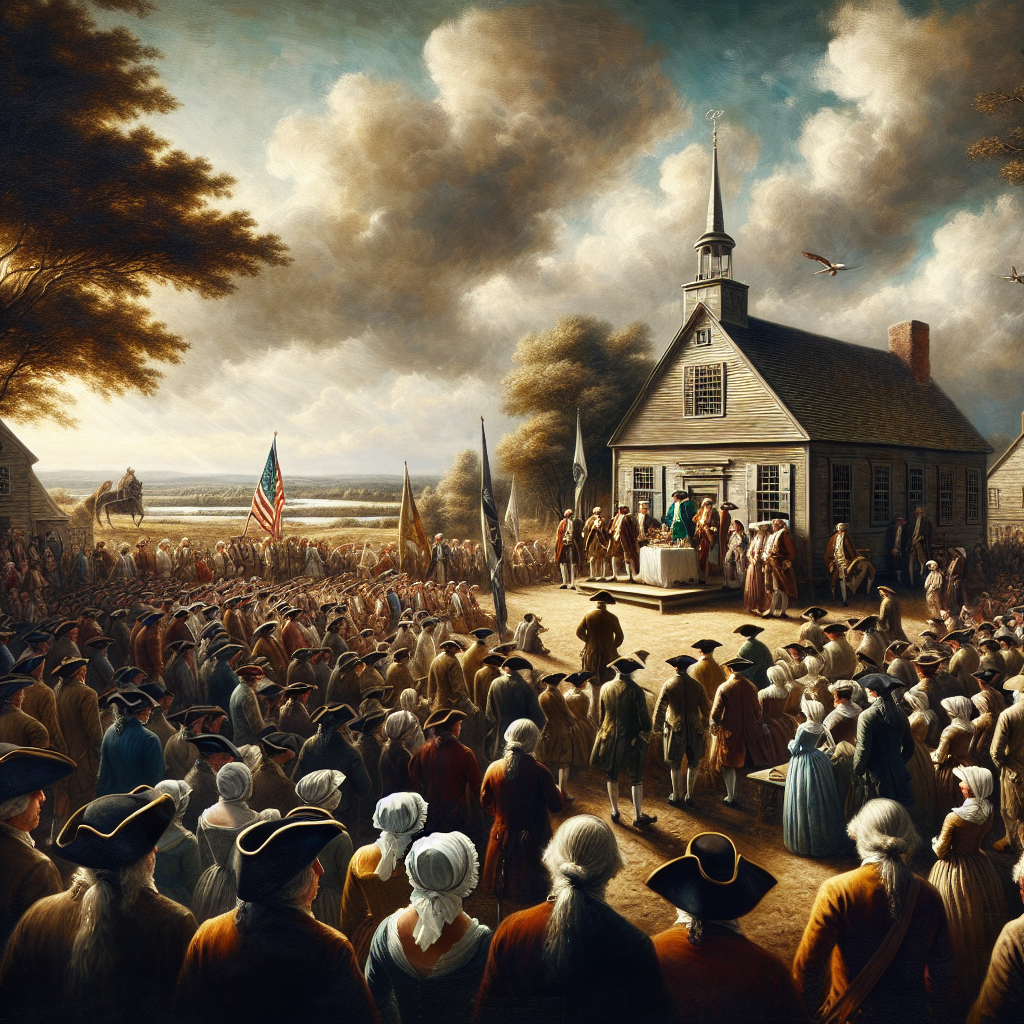
The Puritans came to build a city upon a hill, a godly commonwealth bound by covenant, and they treated dissent as a danger to the whole. Those they expelled founded colonies of their own on the opposite principle. By the end of the seventeenth century the colonies held Puritans, Quakers, Catholics, and Jews — and had seen, at Salem, what fear could do inside a community of the faithful.
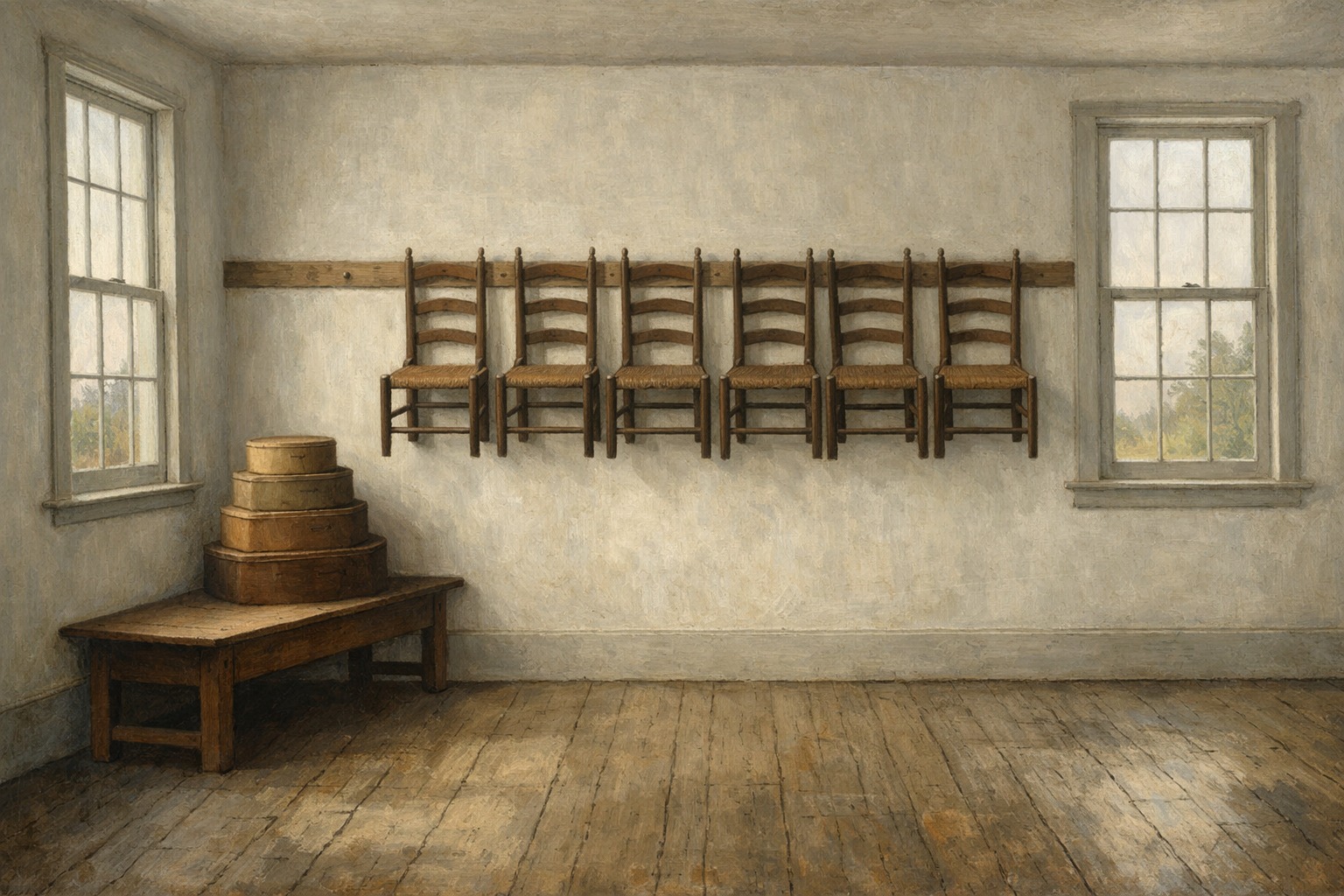
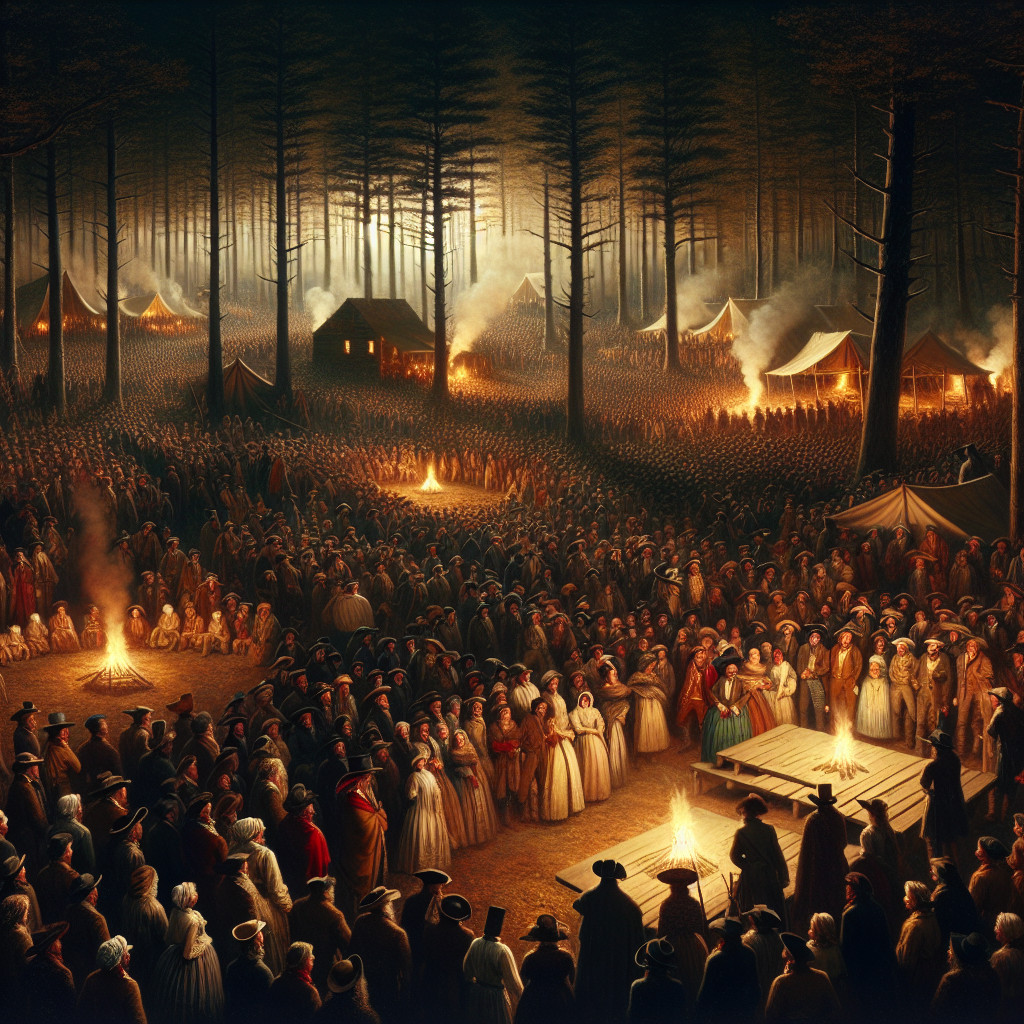
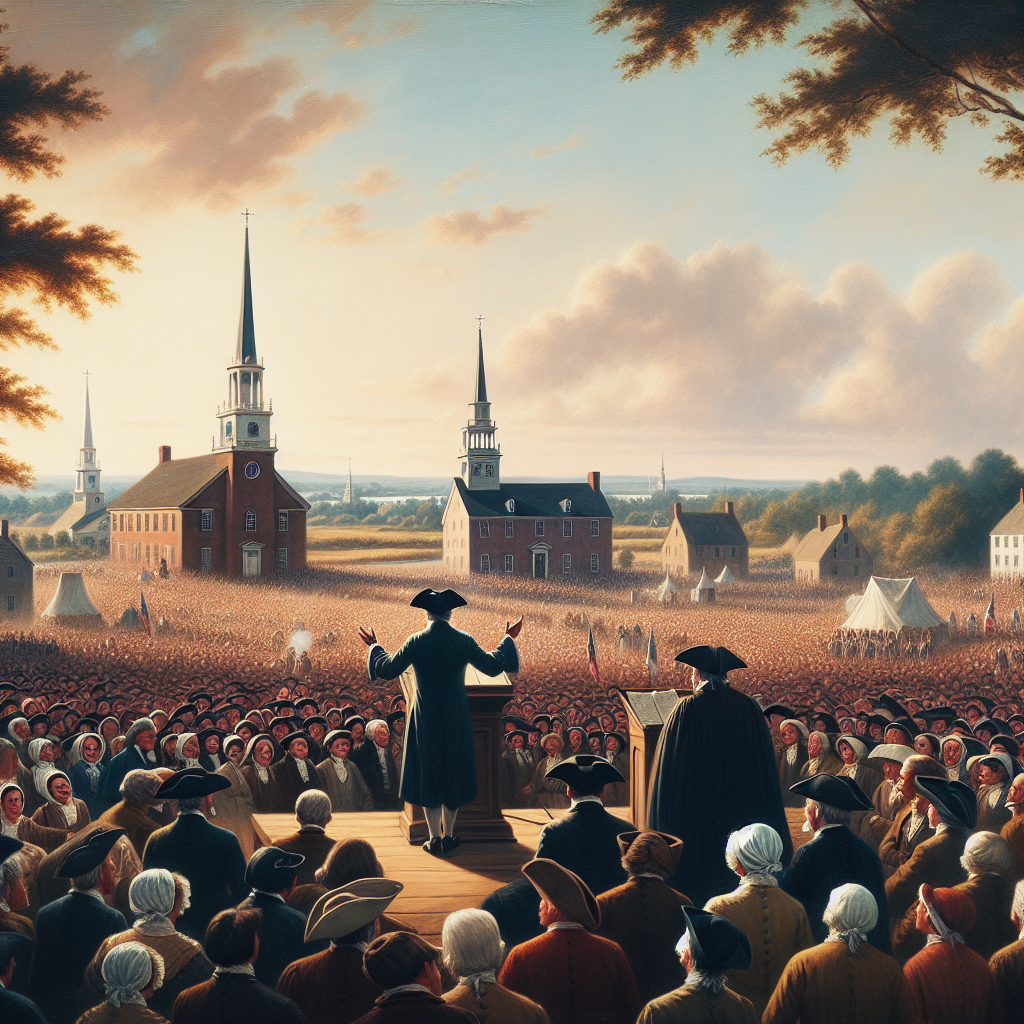
Waves of revival swept the colonies in the 1740s and the young republic after 1800, splitting old churches and making evangelical Protestantism the dominant American faith. The same ferment produced entirely new religions. Shakers danced in celibate villages, a farm boy in western New York published new scripture, and a formerly enslaved preacher in Philadelphia founded the first independent Black denomination.
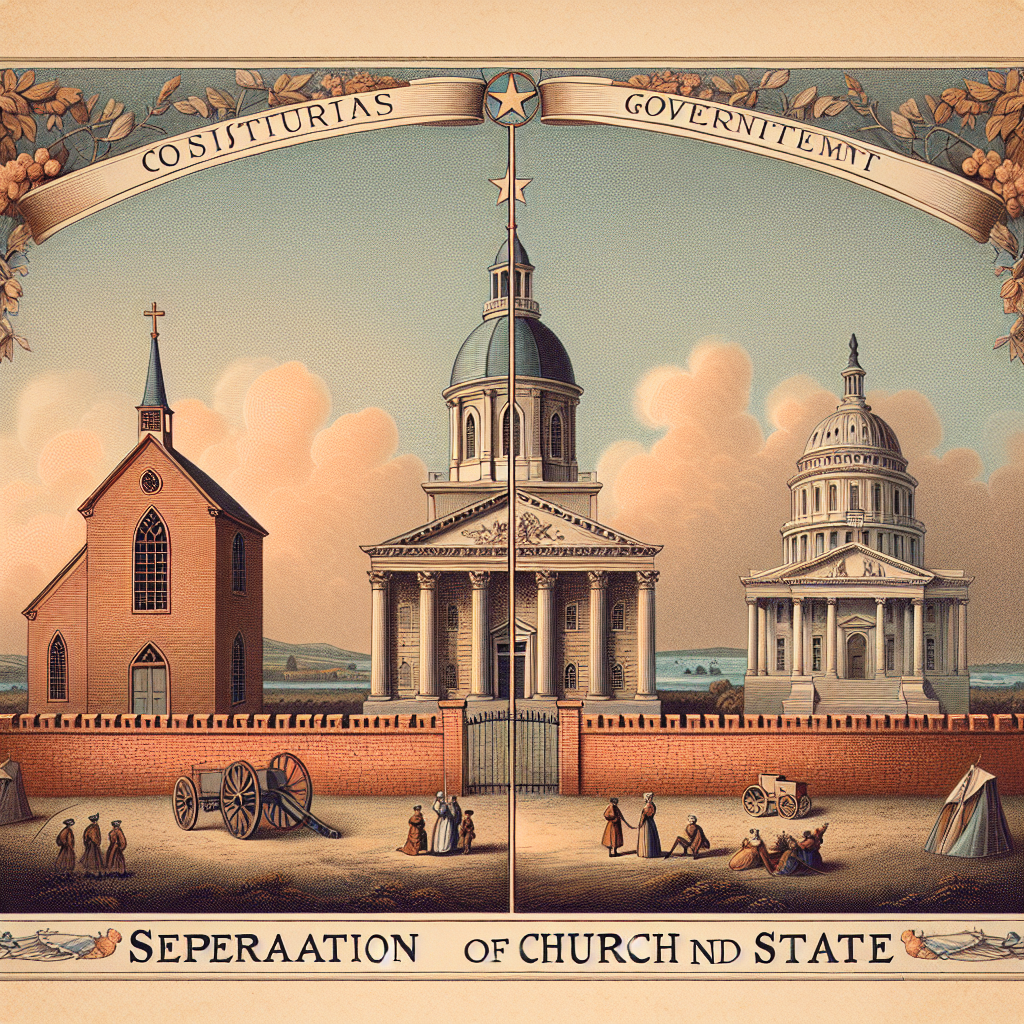
The First Amendment barred a national church and left everything else to be fought over. When millions of Catholic immigrants arrived in the 1840s, Protestant America answered with riots, convent burnings, and a political party built on suspicion of the pope. Religious conviction also fueled the great reform crusades, against slavery and against drink.
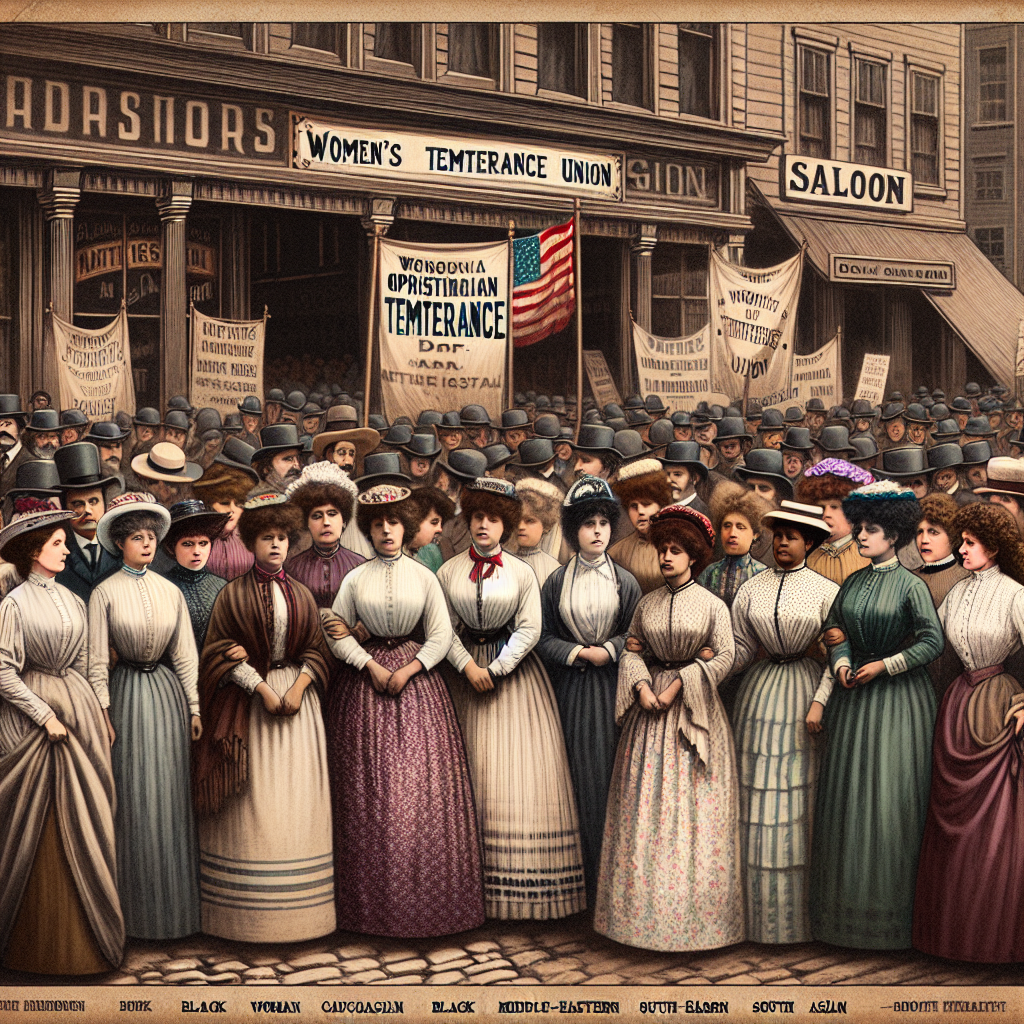
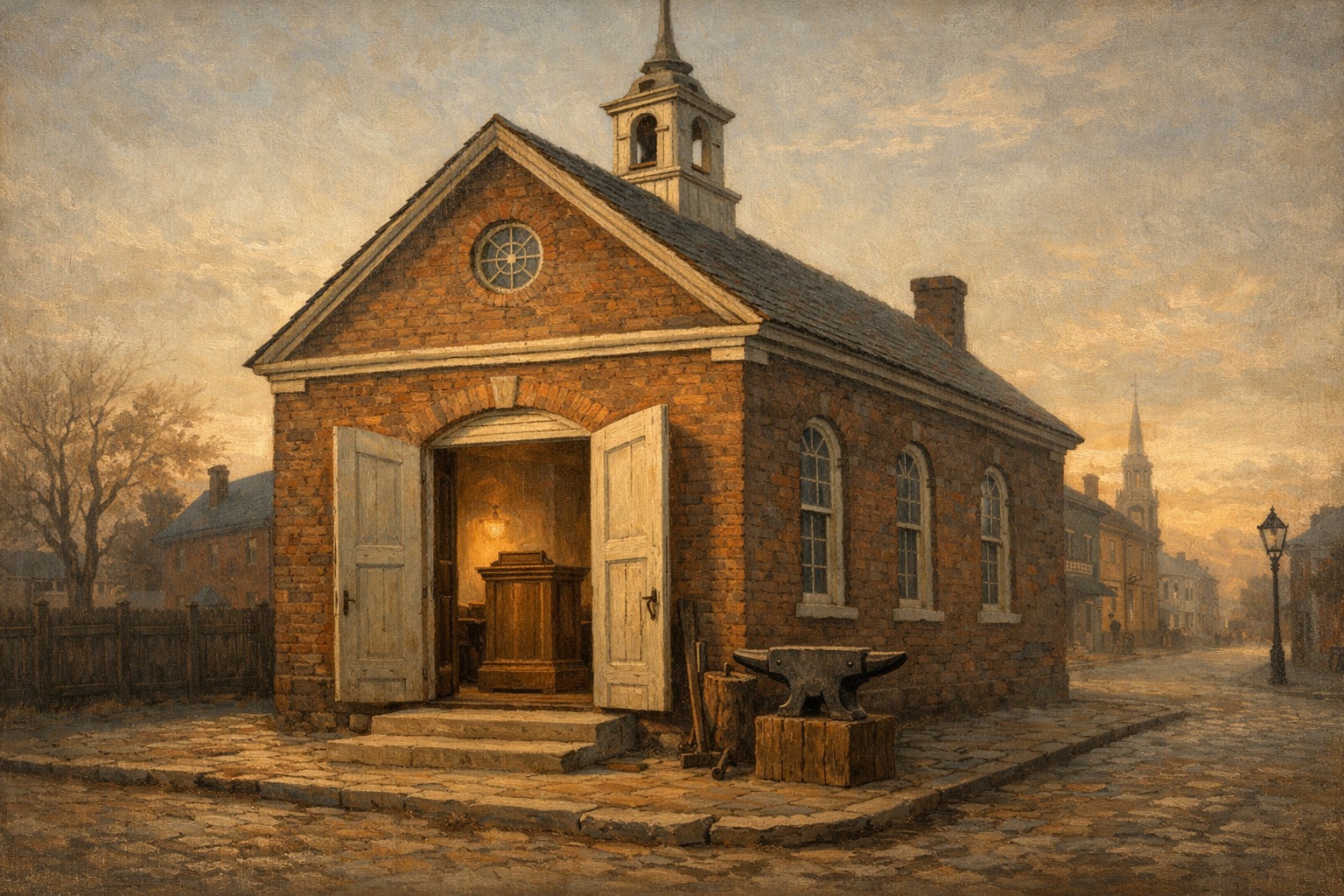
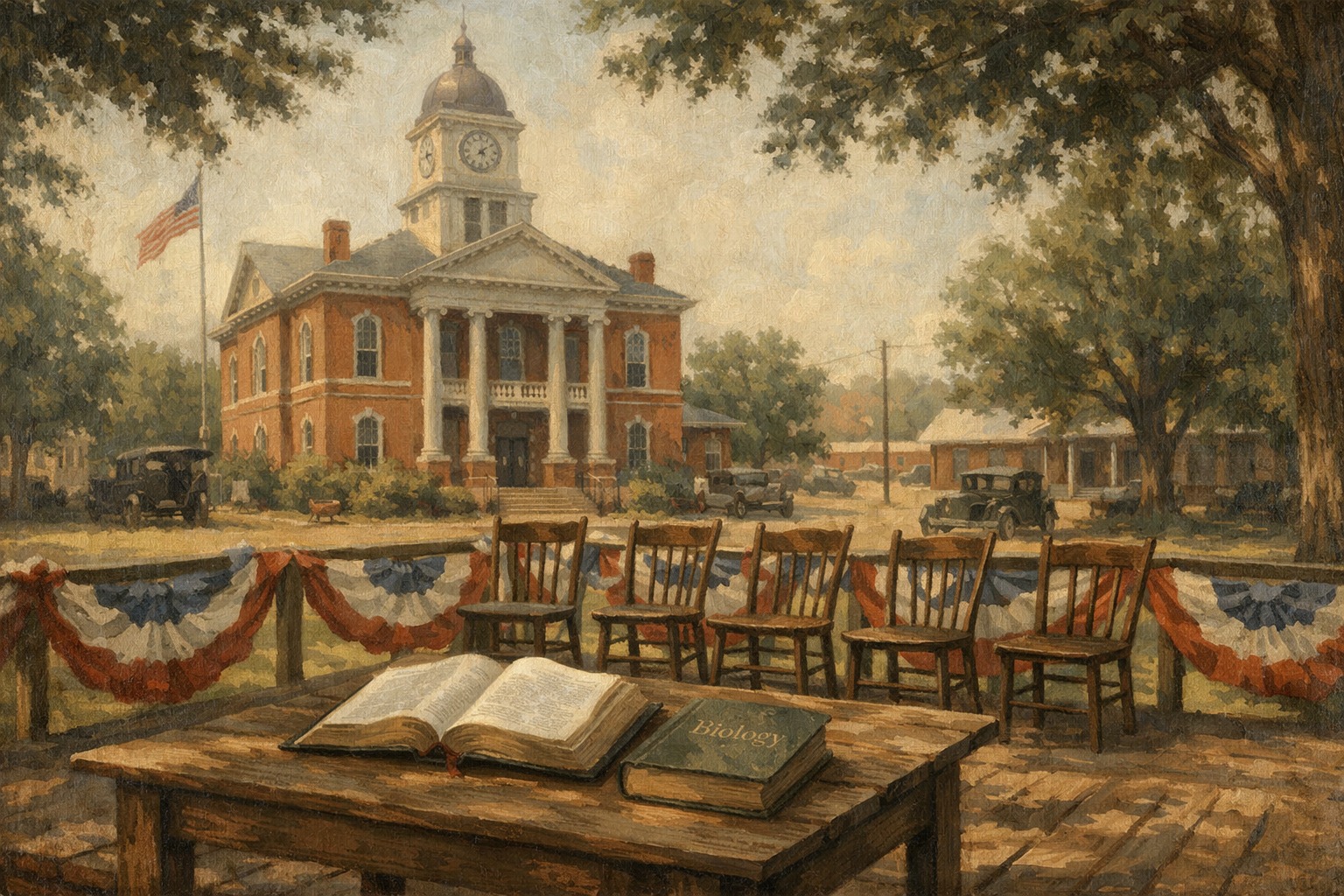
Industrial cities produced a new kind of Christianity aimed at the slums and the factory floor, and a Los Angeles revival produced a movement that would spread across the globe. In a Tennessee courtroom in 1925 faith and modern science met head-on, and the trial set the terms of an argument that has never ended.
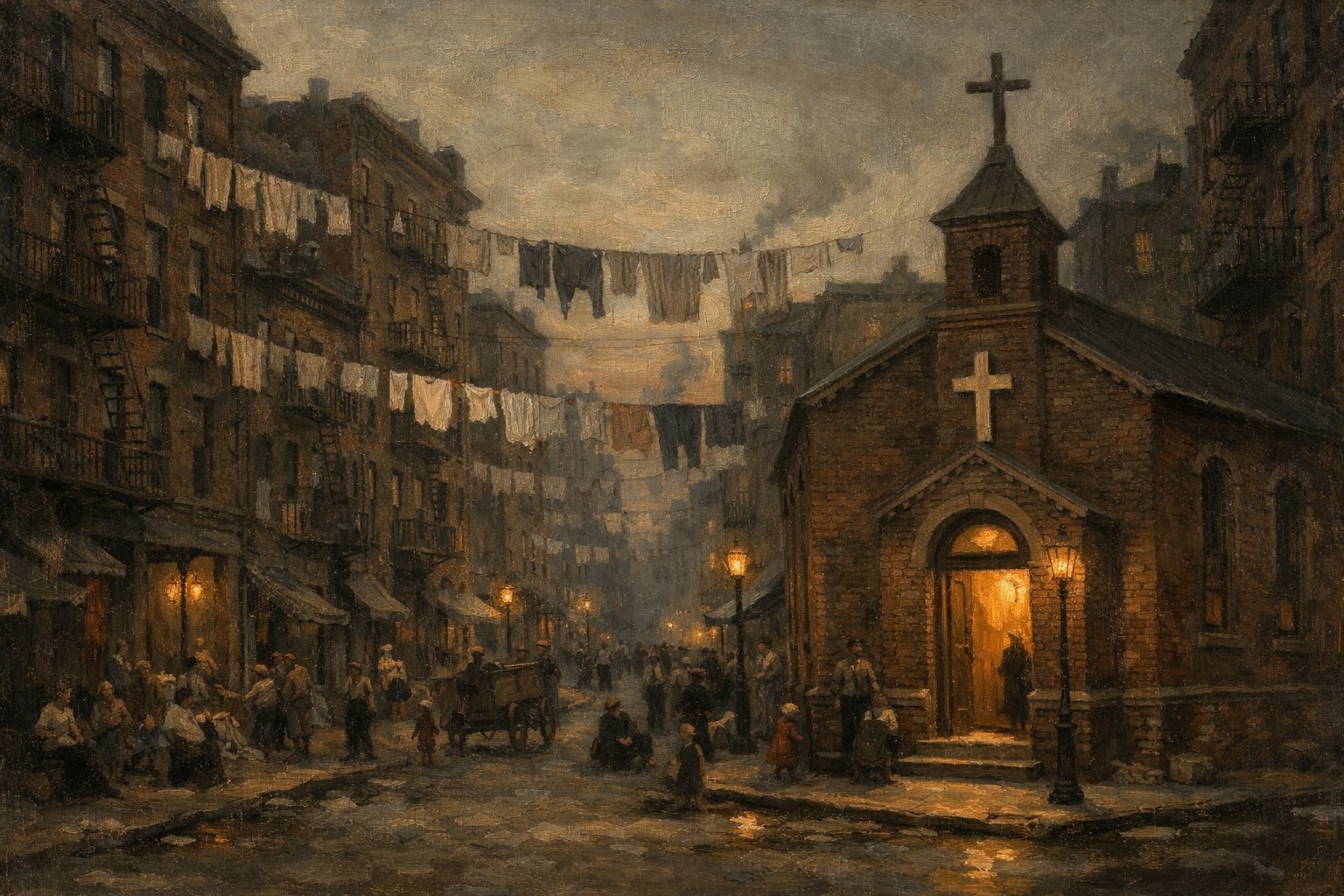
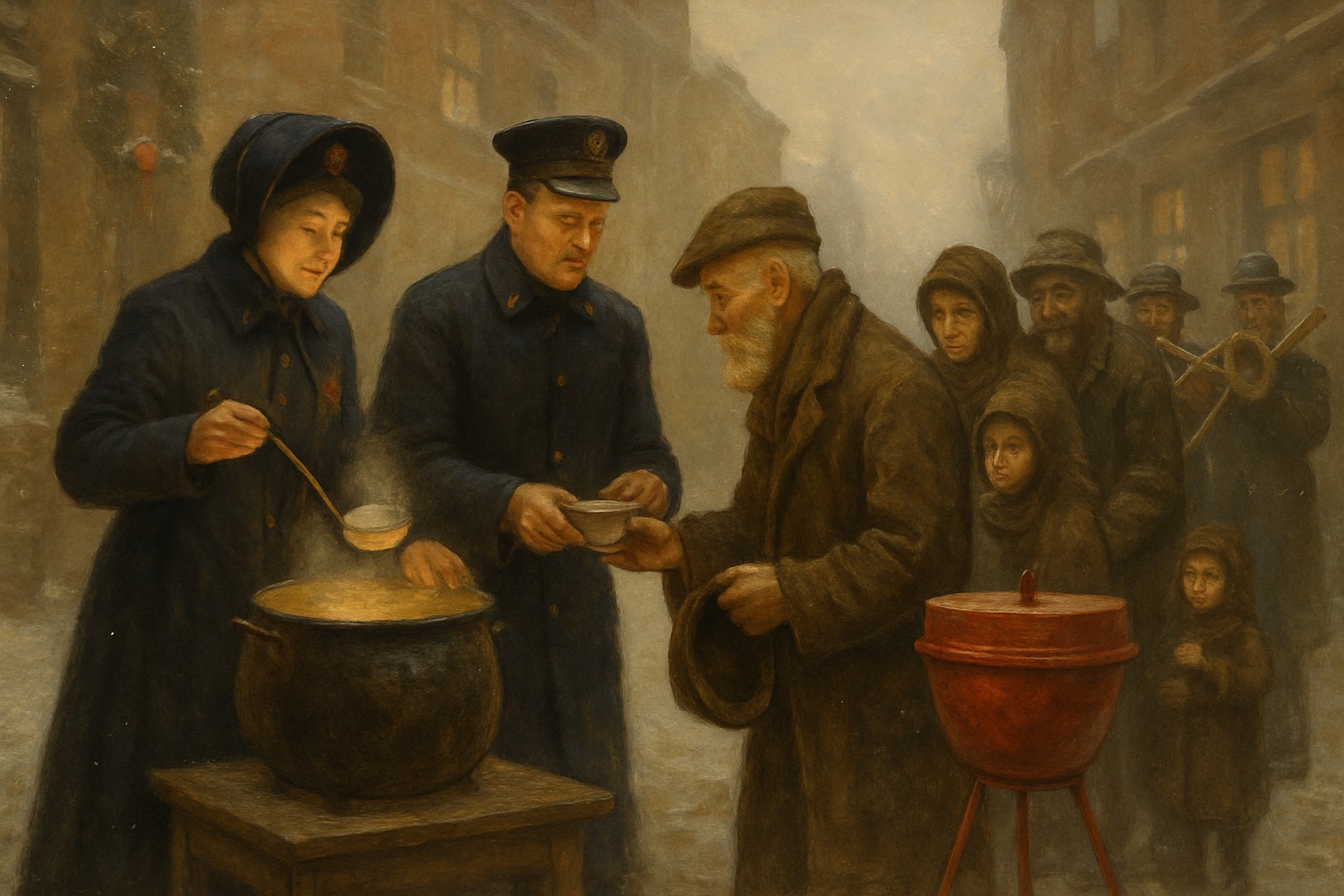
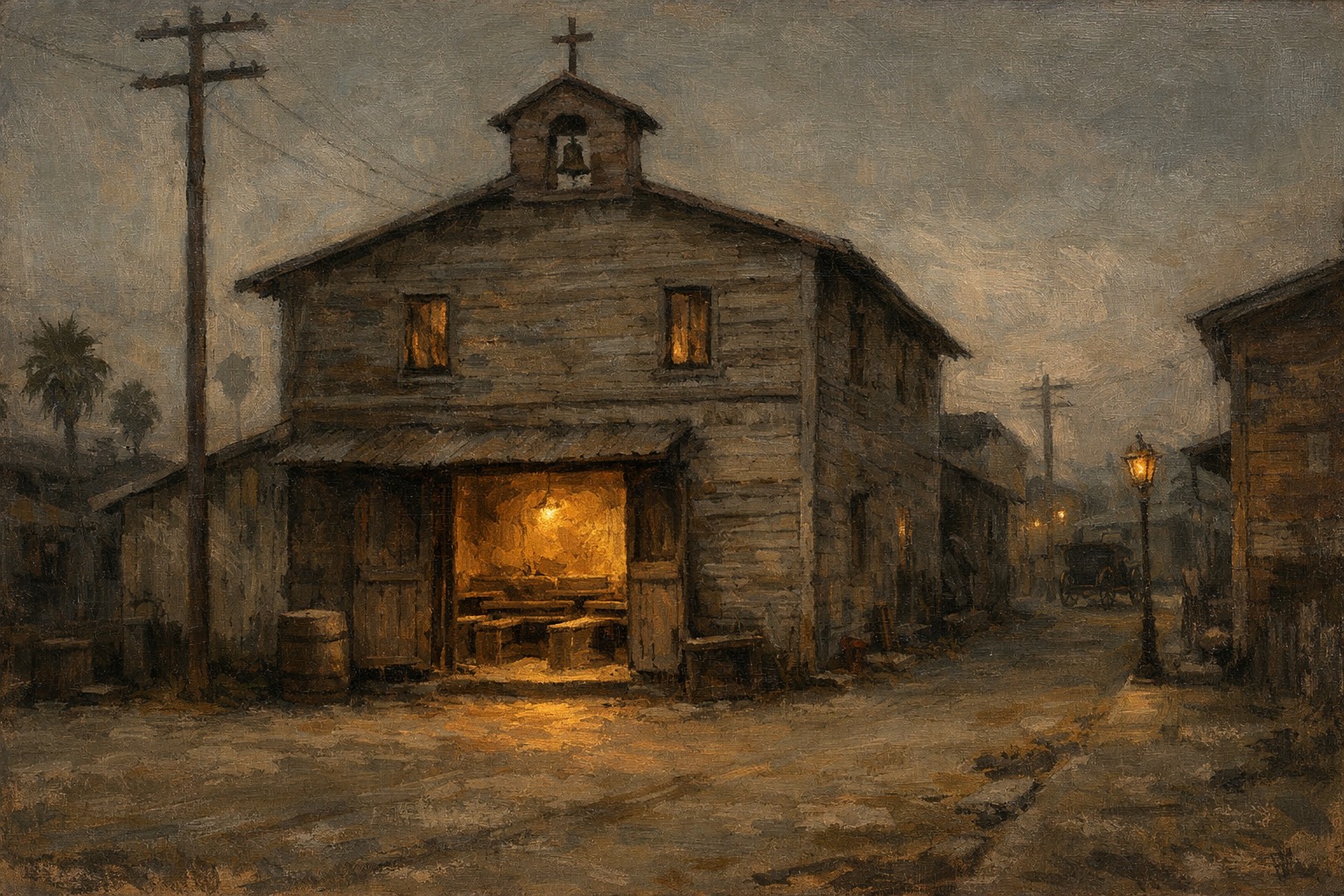
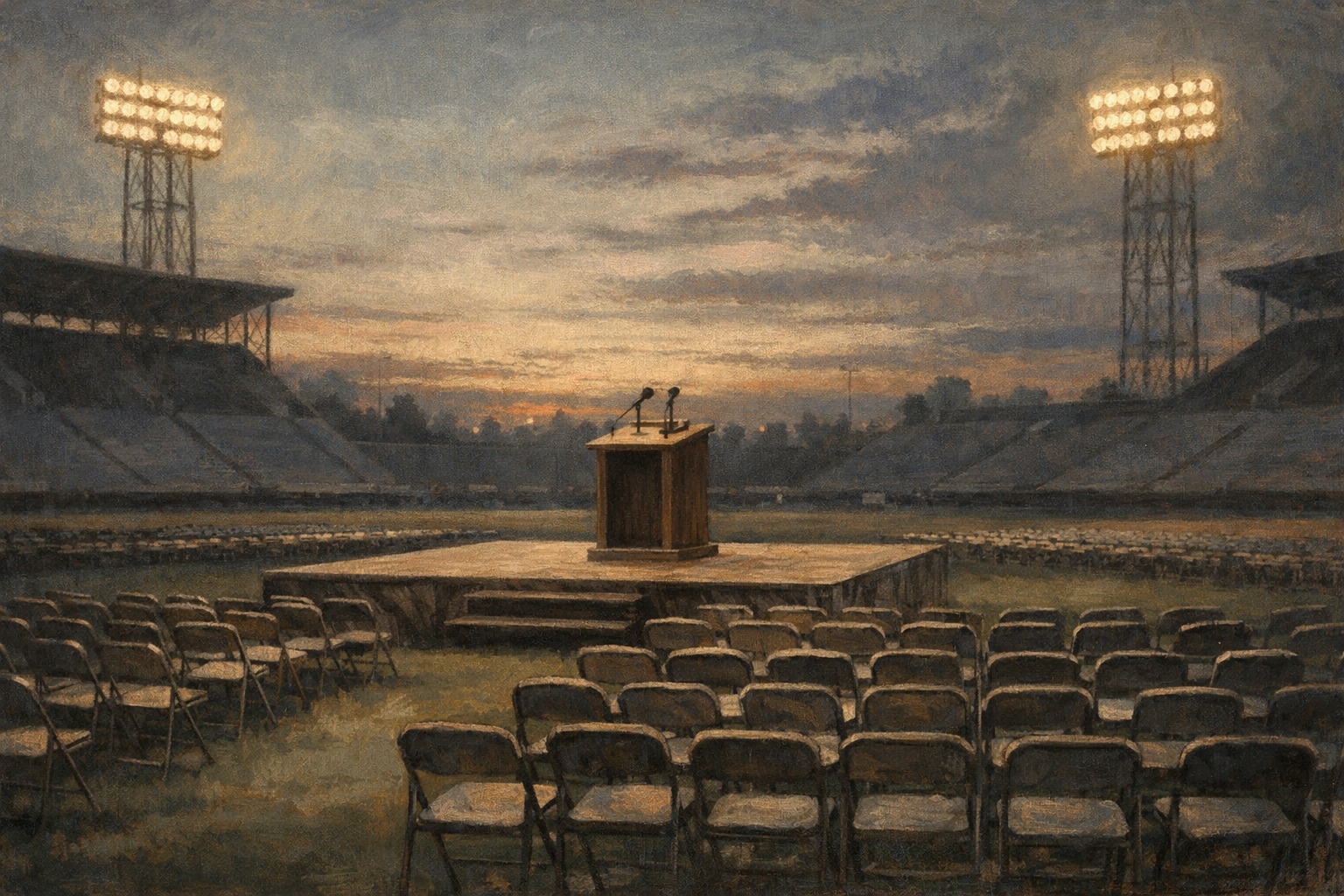
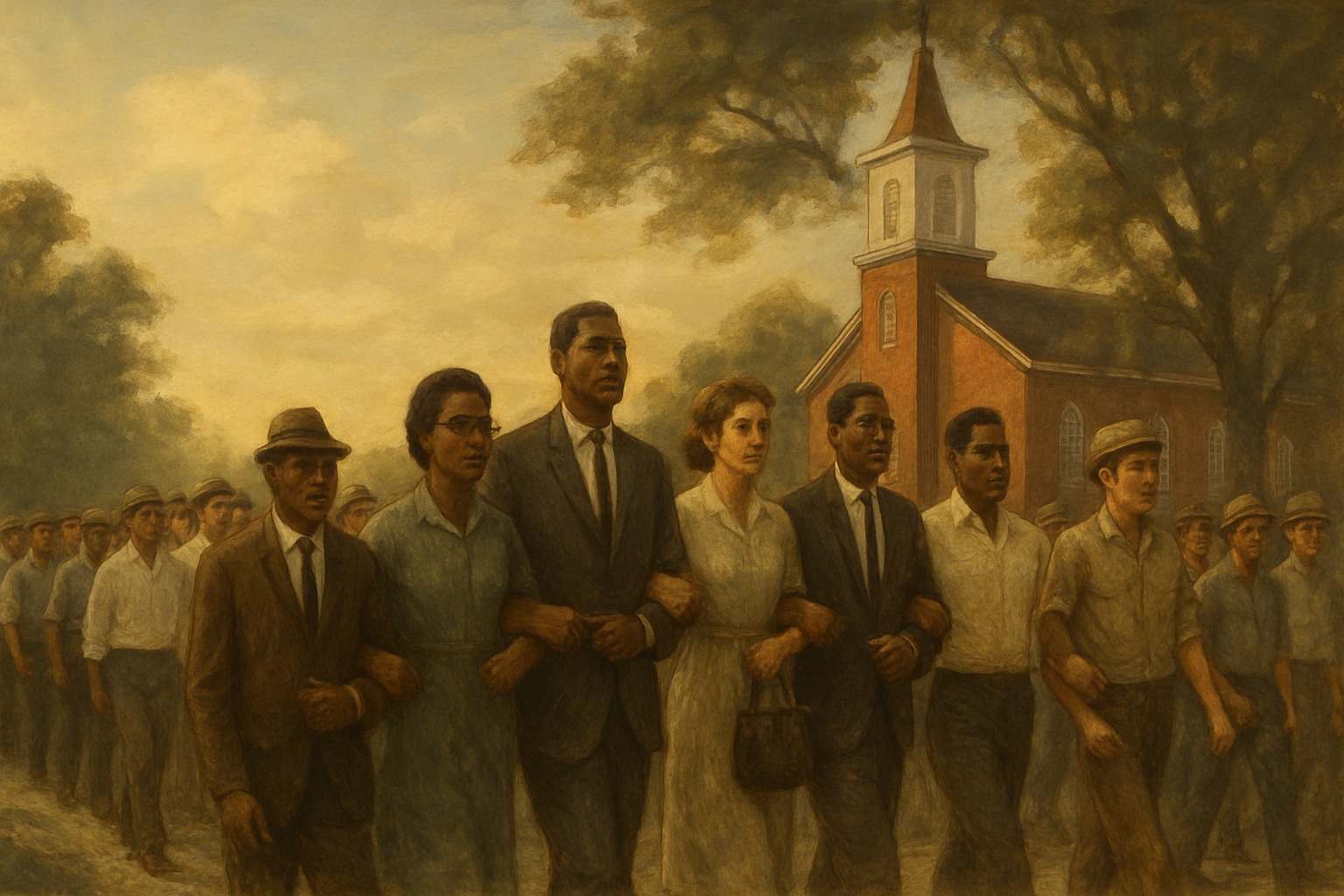
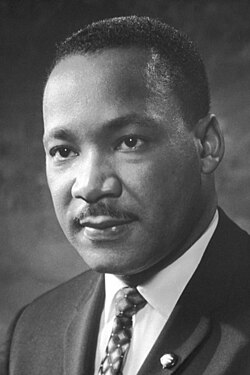
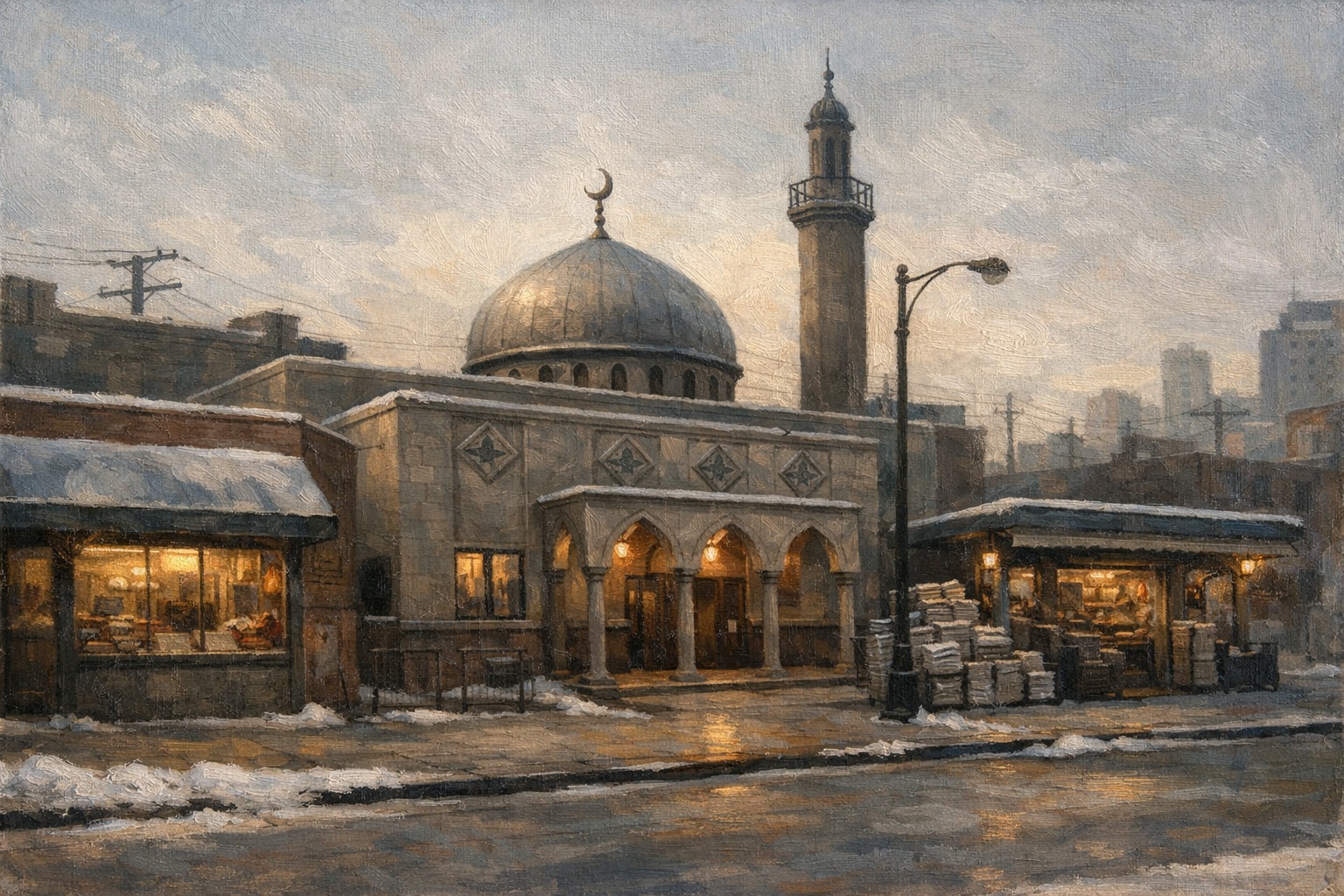
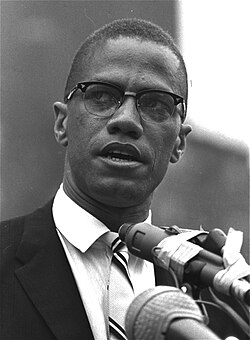
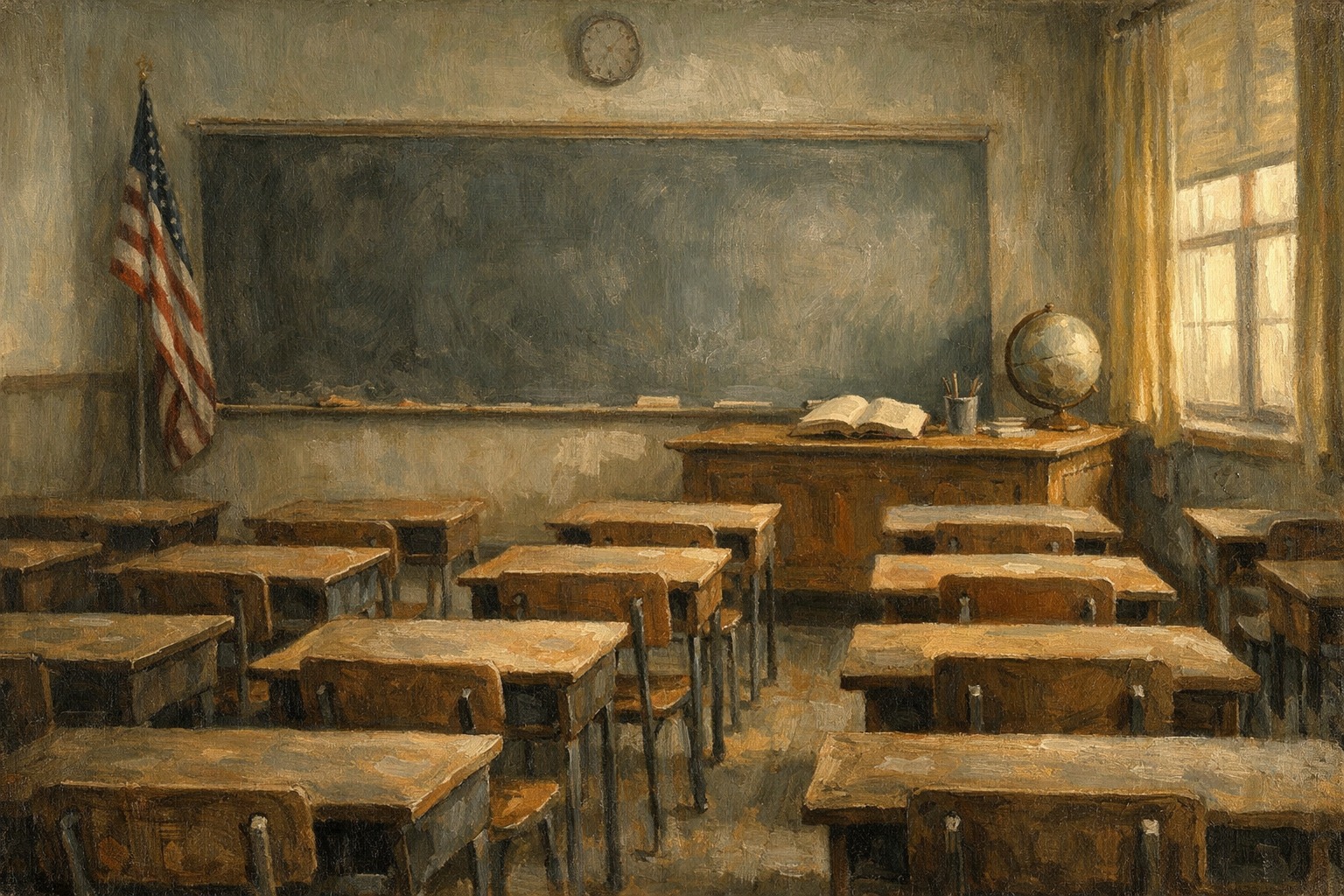
After 1945 religion moved to the center of public life again. A Southern evangelist filled stadiums, Black churches carried the civil rights movement, a separatist Muslim movement offered another answer, and the Court's school-prayer rulings helped wake the religious conservatism that became a political force in the 1970s and 1980s.
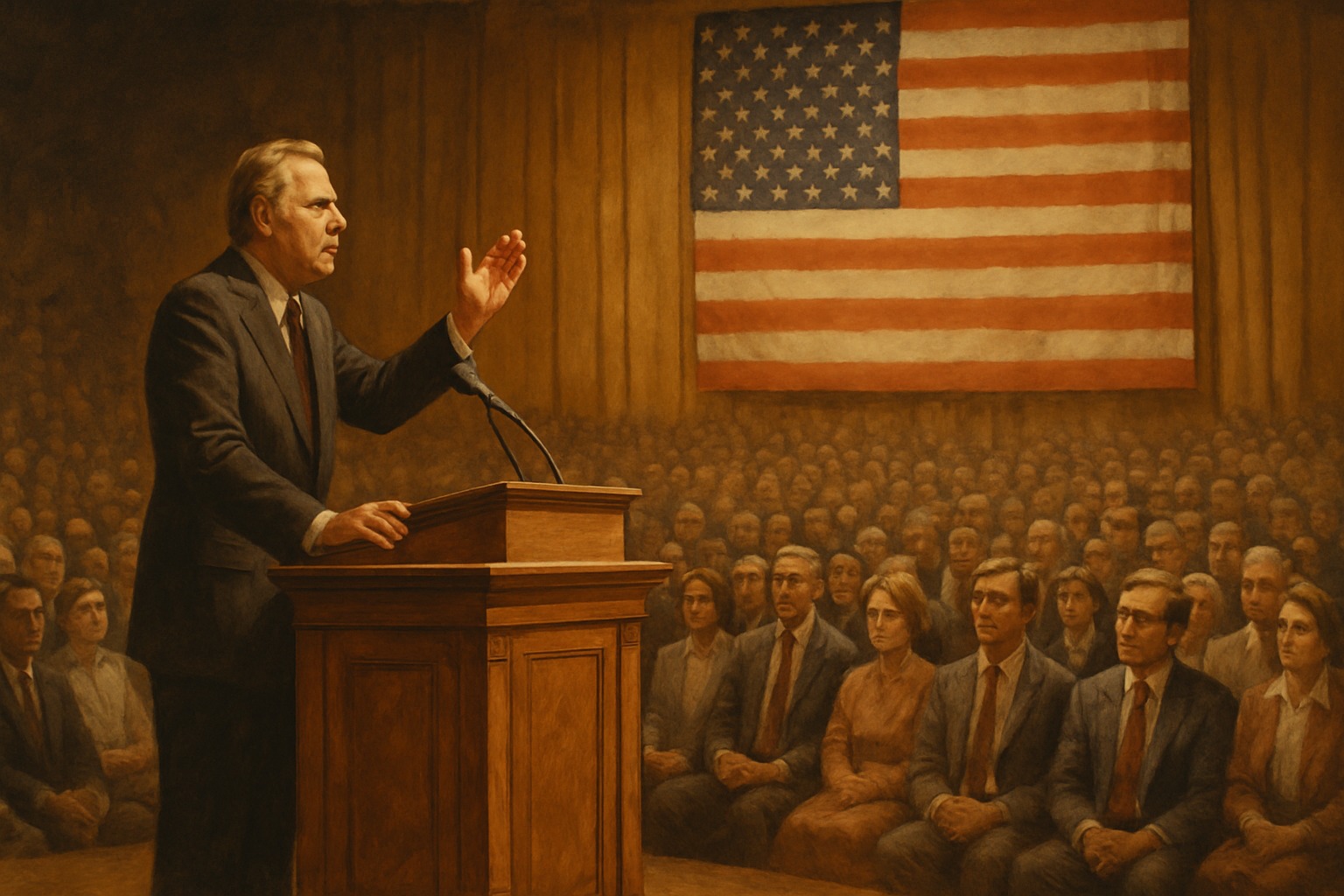
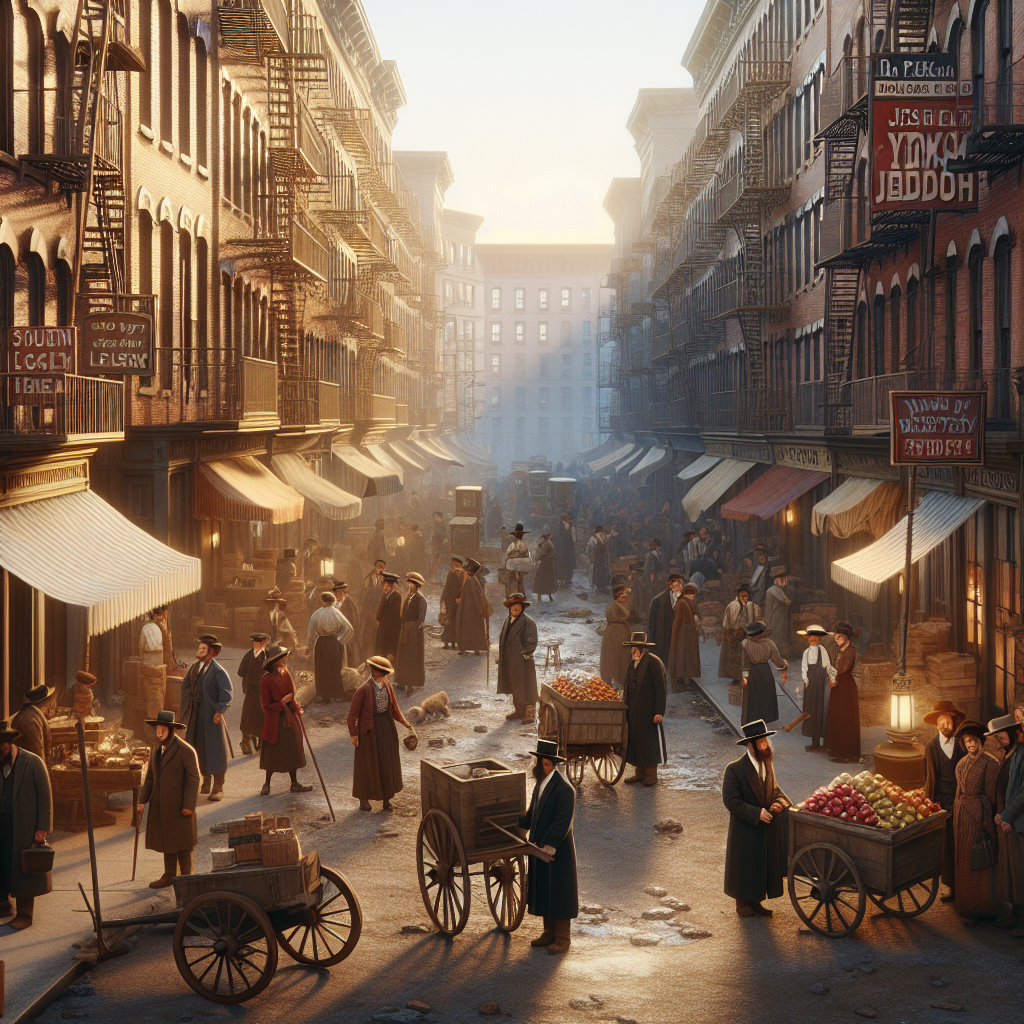
The argument over where faith ends and government begins is still being decided, case by case. For the rulings that set its terms, see the guide to landmark Supreme Court cases, and for the immigrant communities who built many of these churches, the guide to immigration.