The Salem Witch Trials
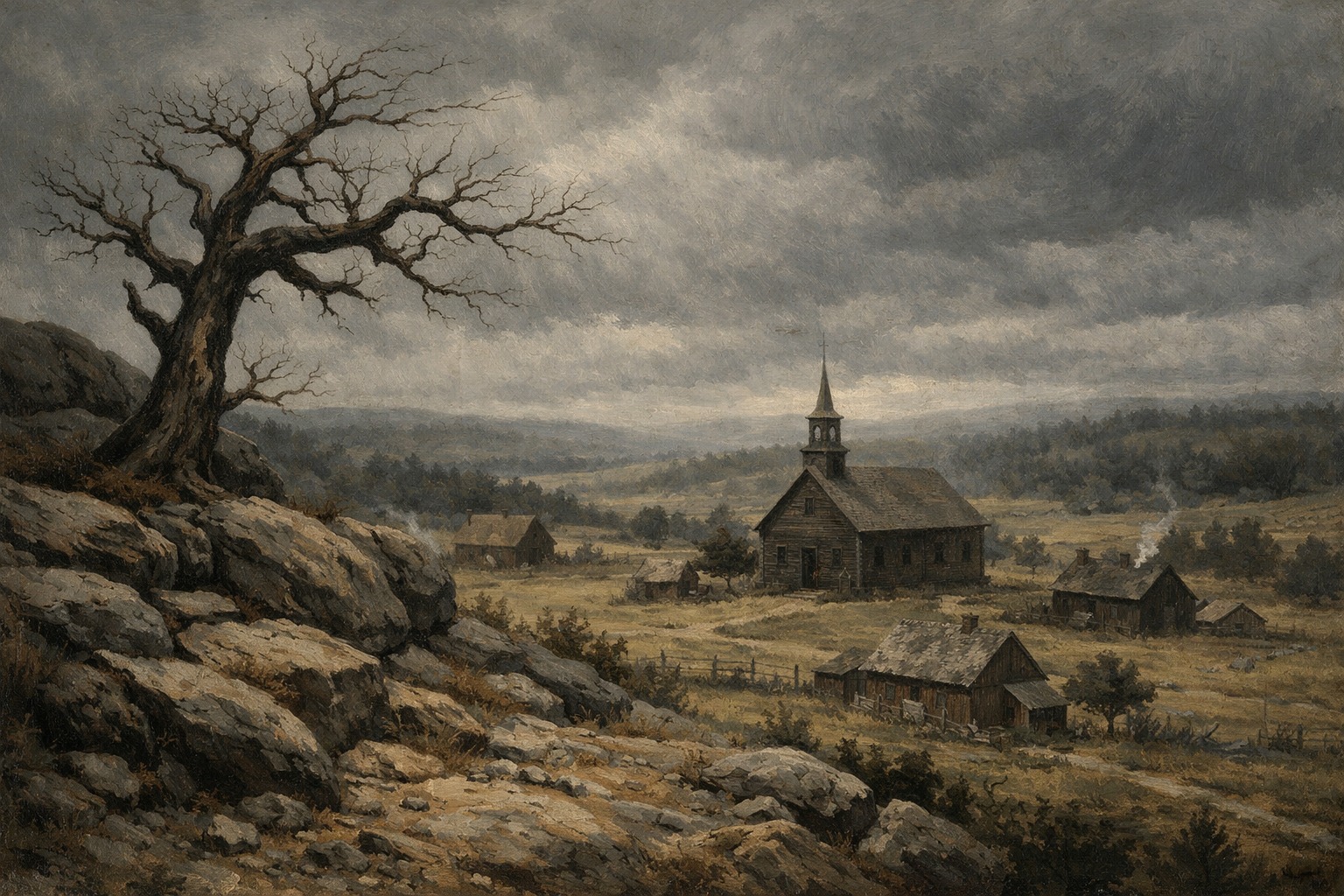
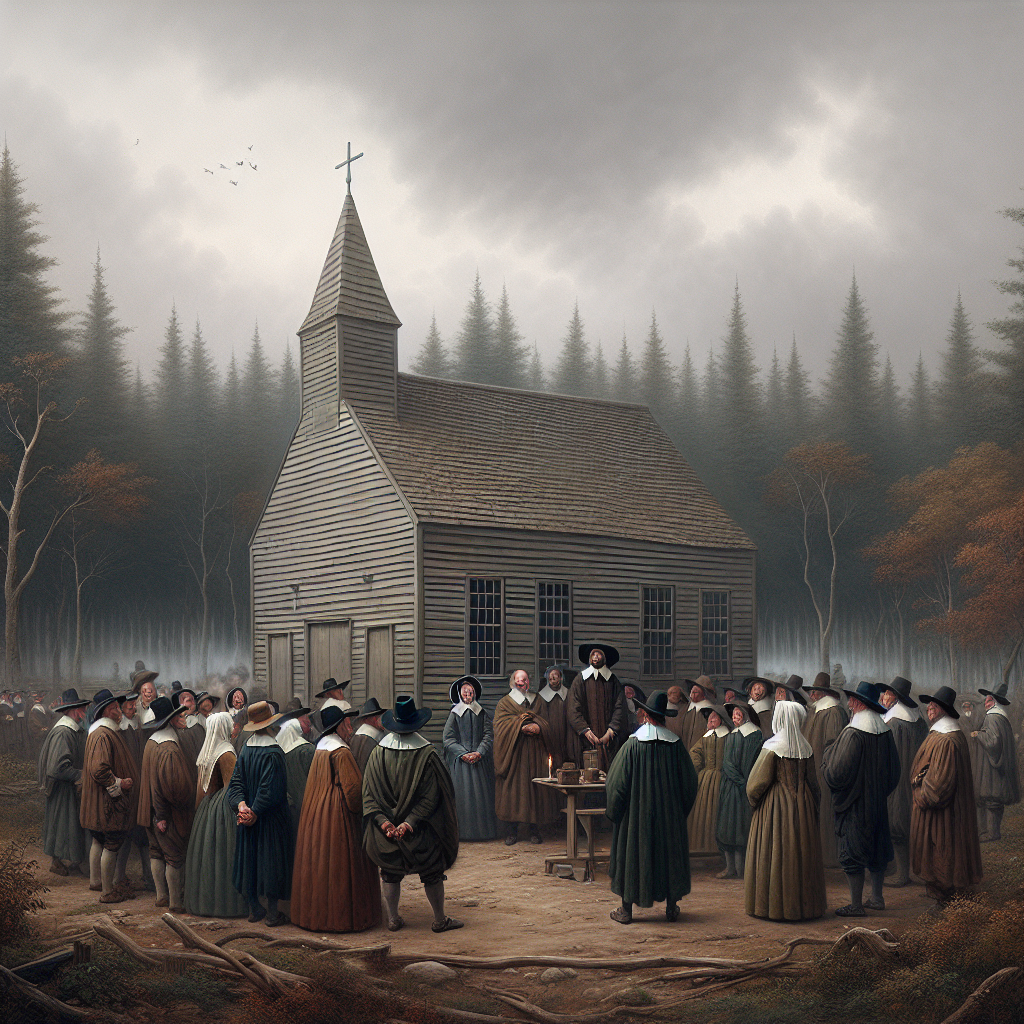
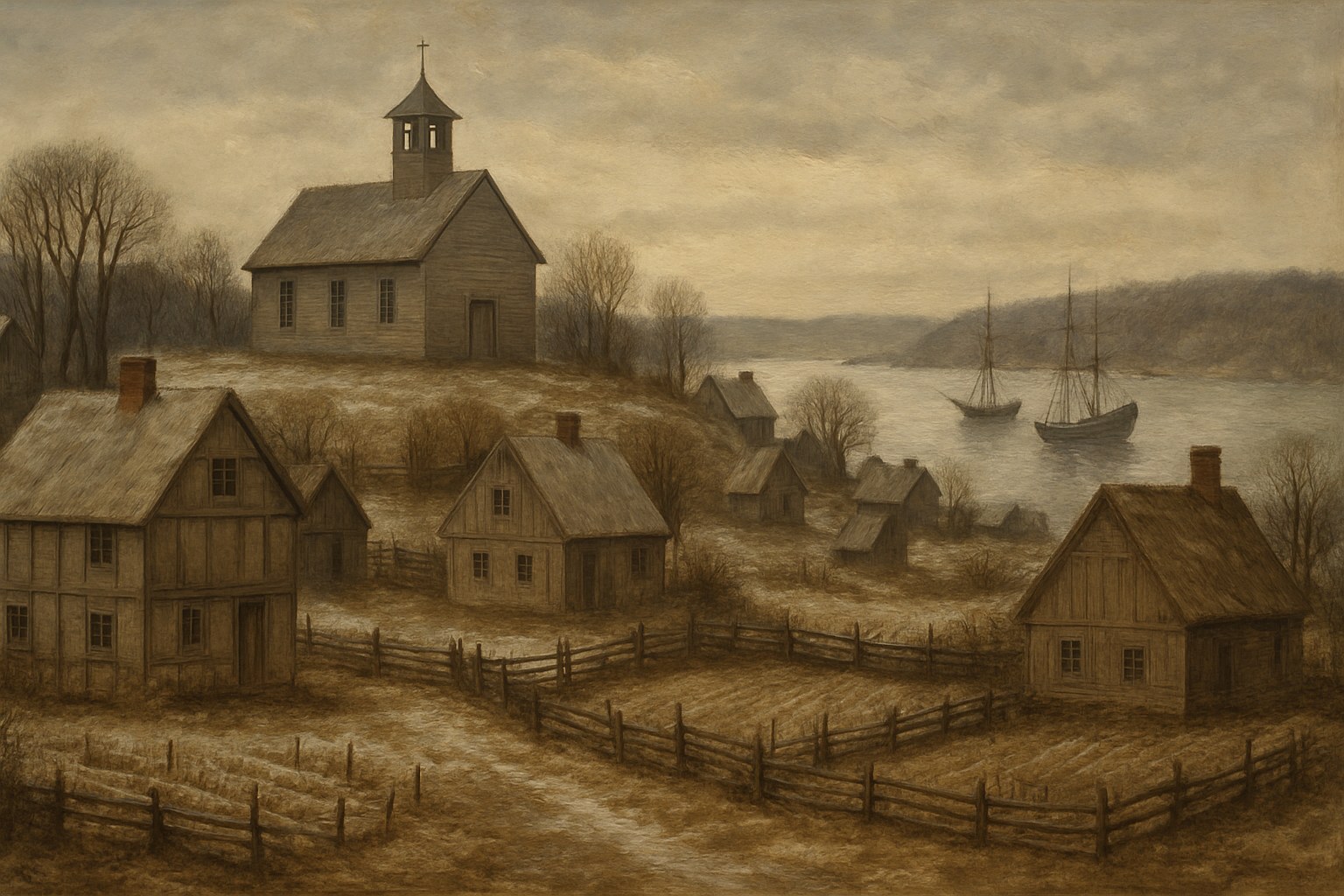
In the winter of 1692 two girls in the household of Samuel Parris, the minister of Salem Village, began to have fits — screaming, contorting, complaining of being pinched and bitten by unseen hands. A local doctor said they were bewitched. Pressed to name their tormentors, they accused Tituba, an enslaved woman in the Parris house, and two other village women. Tituba confessed and described a conspiracy of witches, and the accusations spread from village to town and across Essex County.
The colony was in turmoil. Massachusetts had lost its charter, a new one had just arrived, and a war with France and its Native allies had sent refugees streaming in from the Maine frontier. Salem Village itself was split by bitter disputes over land and over Parris. In May the new governor, William Phips, created a special Court of Oyer and Terminer. It accepted spectral evidence — testimony that an accused person's spirit had appeared to the victims — against which no defense was possible.
Between June and September nineteen people were hanged on what became known as Gallows Hill. Giles Corey, an elderly farmer who refused to enter a plea, was pressed to death under heavy stones. At least five more died in jail. More than two hundred were accused. Many who confessed were spared, which rewarded false confession and doomed those who refused to lie. Ministers led by Increase Mather began to object to spectral evidence, arguing that it was better ten suspected witches escape than one innocent person be condemned.
In October Phips dissolved the court after his own wife was reportedly accused. The remaining cases were tried under stricter rules and almost all ended in acquittal. In 1697 Judge Samuel Sewall stood in Boston's Old South Meeting House while his confession of guilt was read aloud, and several jurors issued apologies. The colony reversed many convictions in 1711 and paid some compensation. The last of the accused, Elizabeth Johnson Jr., was formally exonerated by the Massachusetts legislature in 2022. Salem became a lasting American byword for mass hysteria and persecution.

| Began | February 1692, in the household of the Rev. Samuel Parris |
| Court | Special Court of Oyer and Terminer, created May 1692 |
| Executed | Nineteen hanged, one pressed to death |
| Accused | More than 200 people |
| Key flaw | Spectral evidence |
| Exoneration | Last accused cleared by the legislature in 2022 |
| Date | February 1692 to May 1693 |
| Location | Salem Village, Massachusetts Bay Colony |