Massachusetts Bay Colony
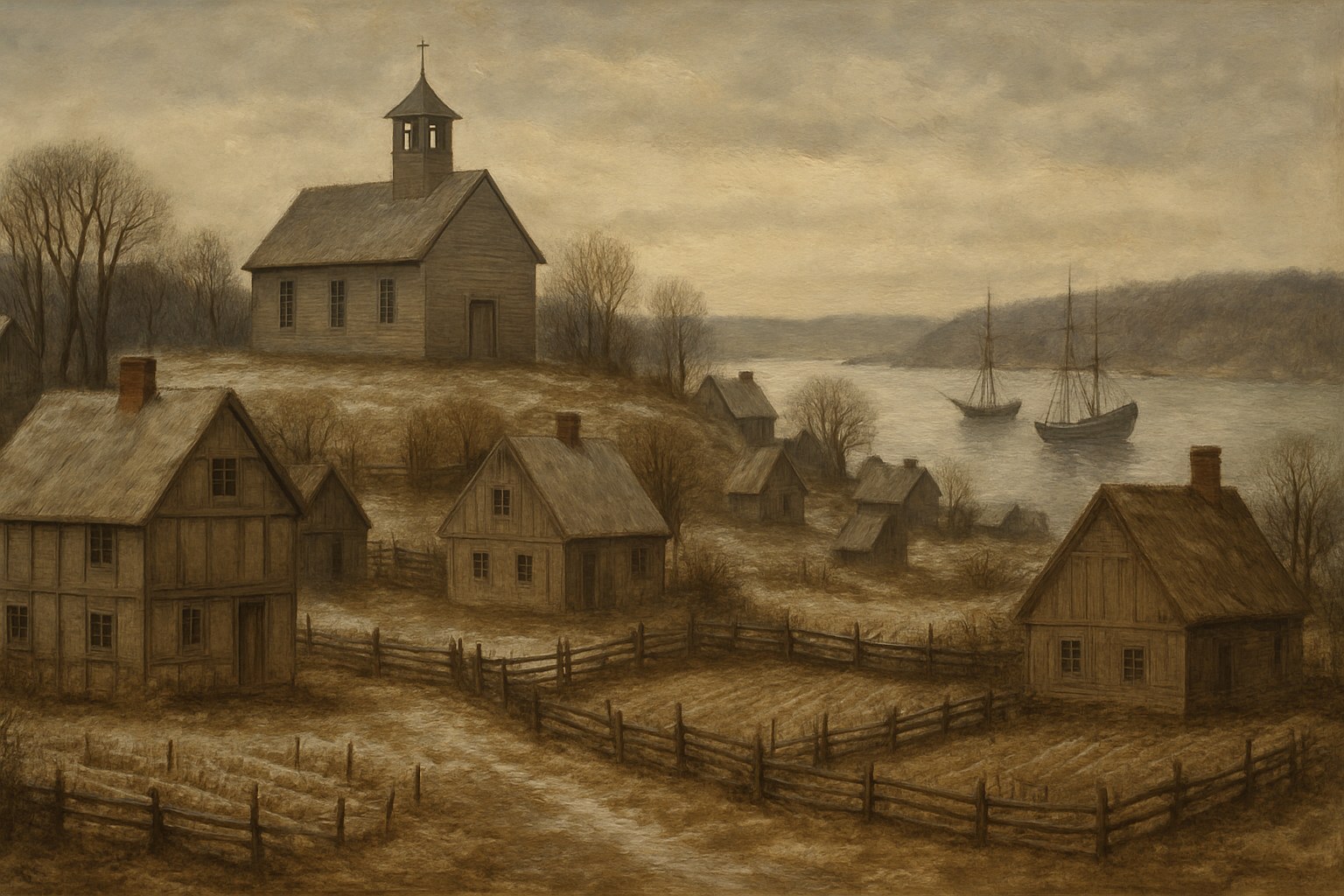
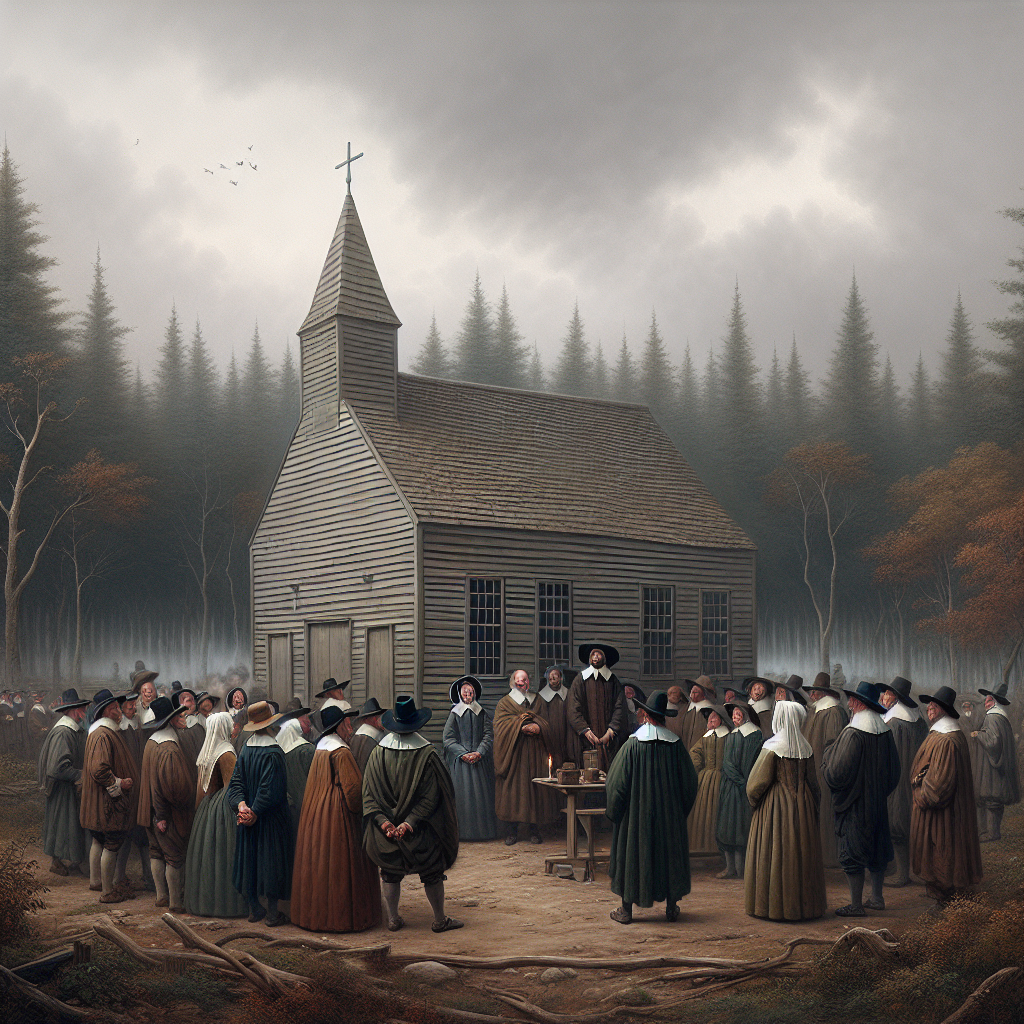
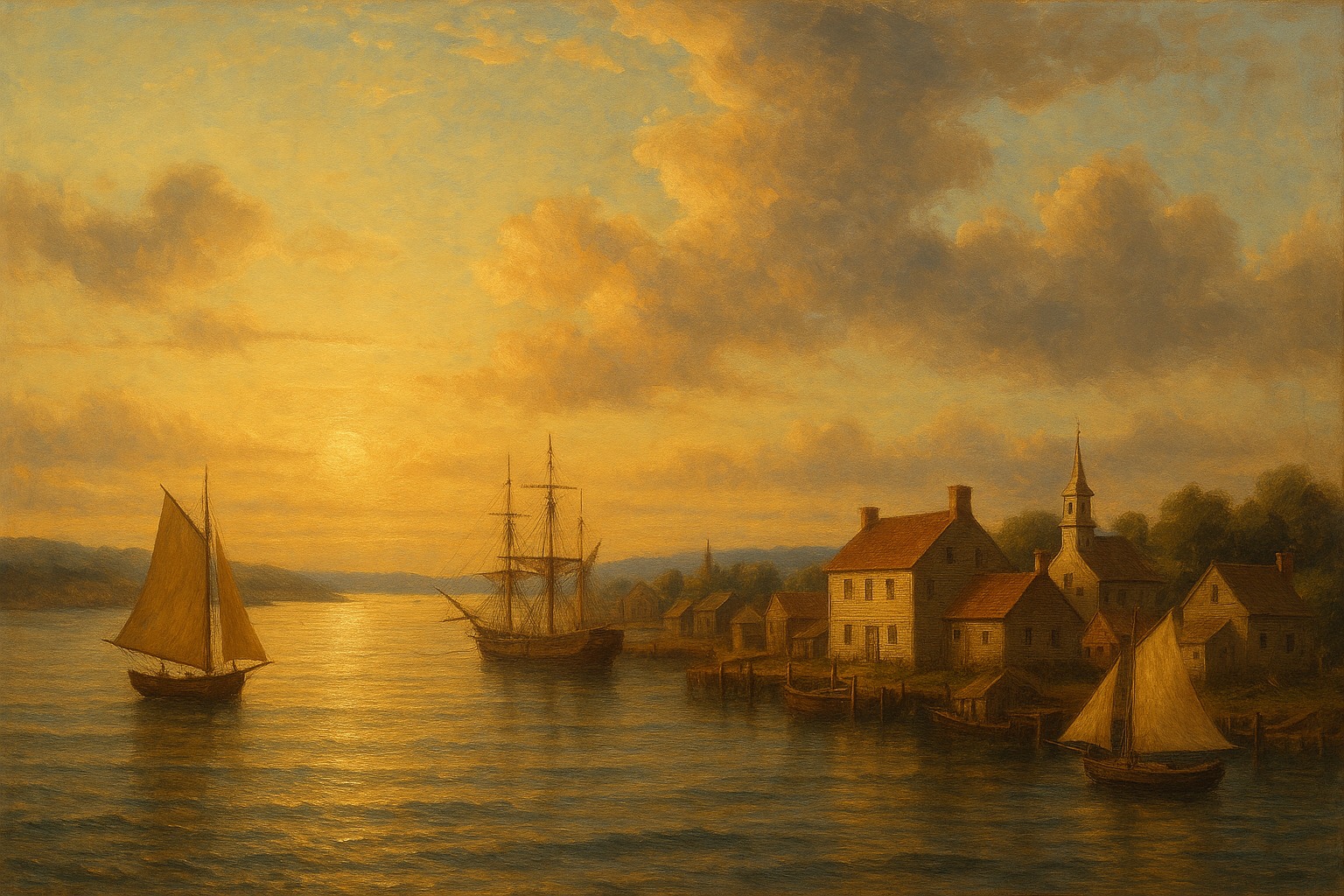
The Puritans who sailed for Massachusetts Bay in 1630 were not the poor and desperate. They were substantial English families — lawyers, merchants, ministers, yeomen with property to sell — who had concluded that Charles I and Archbishop Laud were driving the Church of England back toward Rome and that God's judgment on the kingdom was coming. Eleven ships carried about seven hundred of them that first summer, led by the Suffolk lawyer John Winthrop, and they came as whole households rather than as young men on contract.
They also carried something no other colony had. Through carelessness or design, the Massachusetts Bay Company's royal charter of 1629 named no place where the company had to hold its meetings, and the shareholders voted to take the document itself across the Atlantic. That removed the governing body three thousand miles from any supervision and turned a trading company into a self-governing commonwealth. Aboard ship or shortly before sailing, Winthrop delivered the lay sermon in which he warned that the eyes of all people were upon them and that they would be as a city upon a hill.
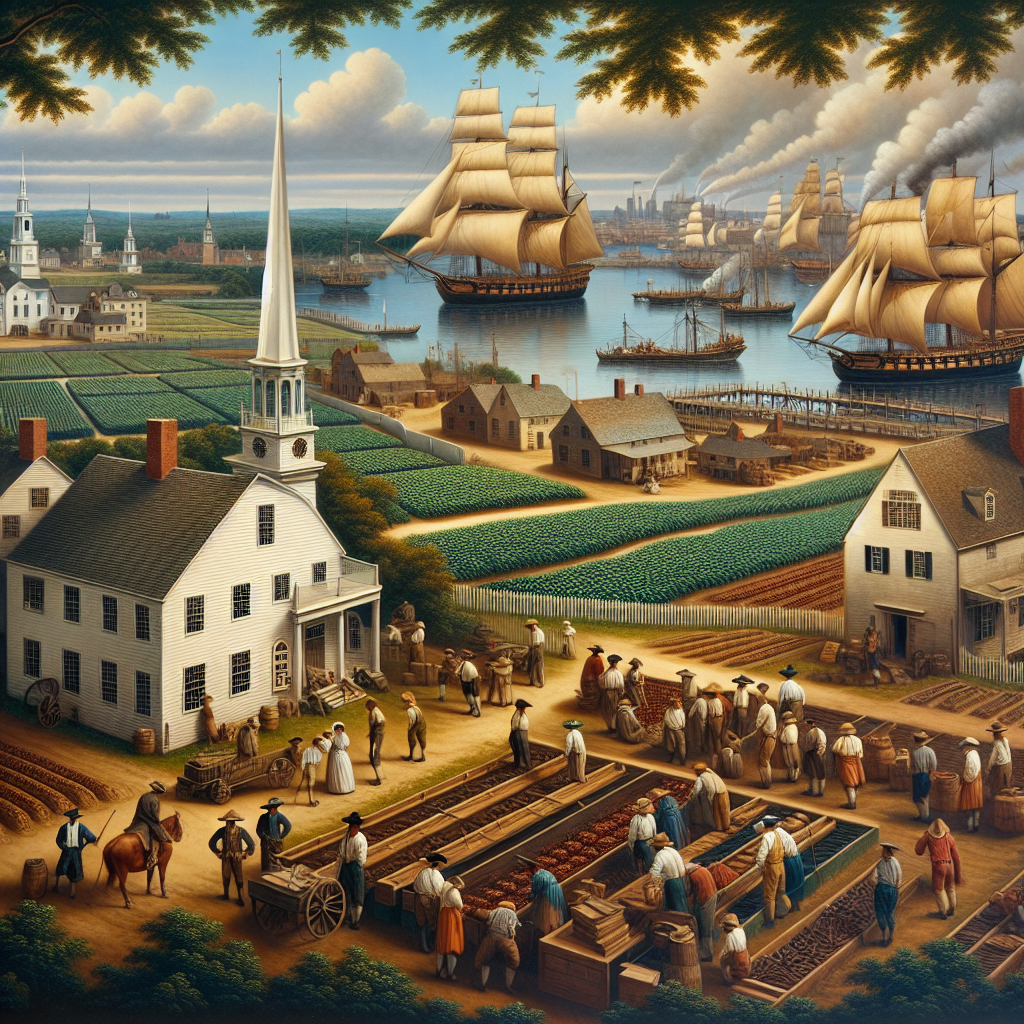
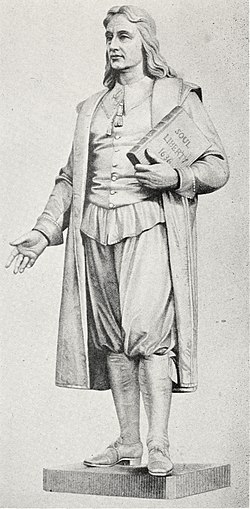
The Great Migration brought roughly twenty thousand people by 1642, and they built something genuinely new — towns whose congregations chose their own ministers, and a General Court elected by freemen. But the franchise was restricted to men admitted to full church membership, and the colony had no interest in toleration. Roger Williams was banished in 1635 for arguing that the state had no authority over conscience and that the king could not grant Native land. Anne Hutchinson was tried and banished in 1638 for teaching doctrine in her own home. Four Quakers were hanged on Boston Common between 1659 and 1661.
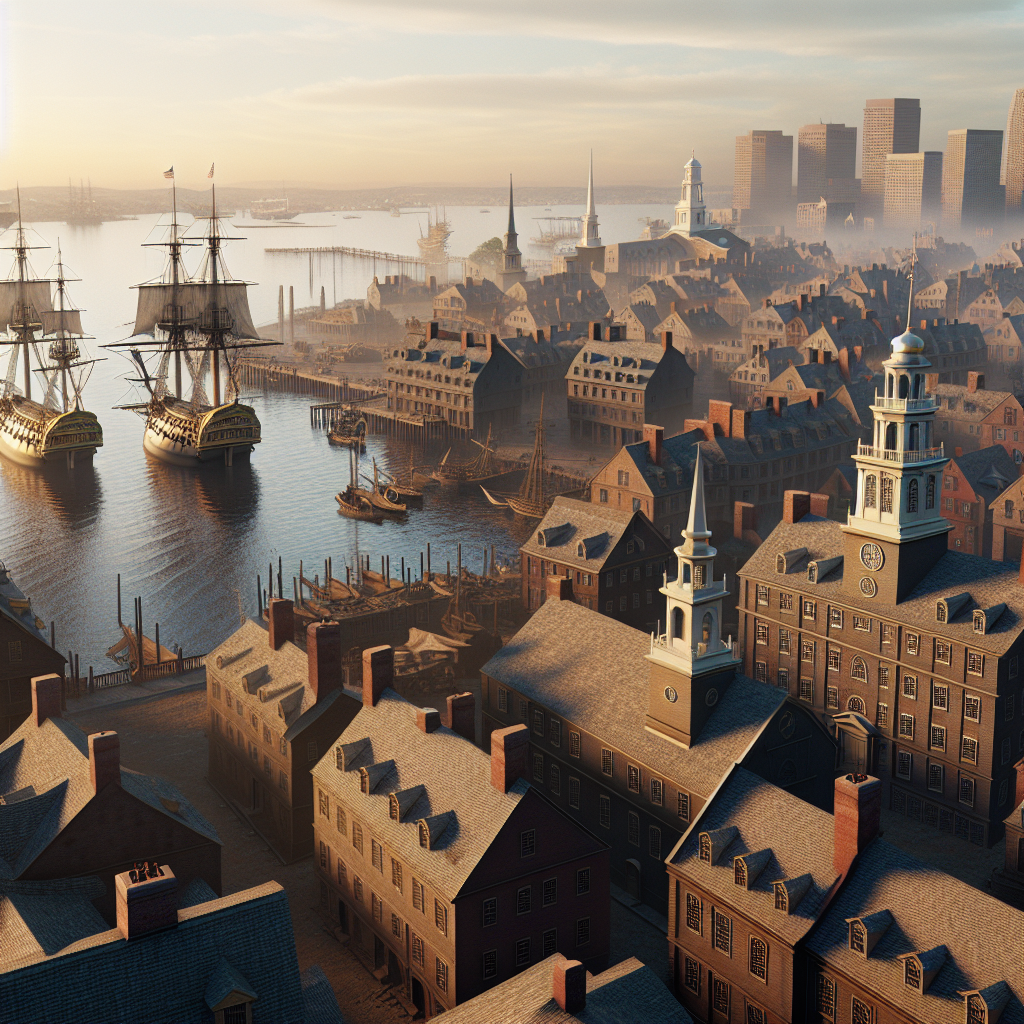
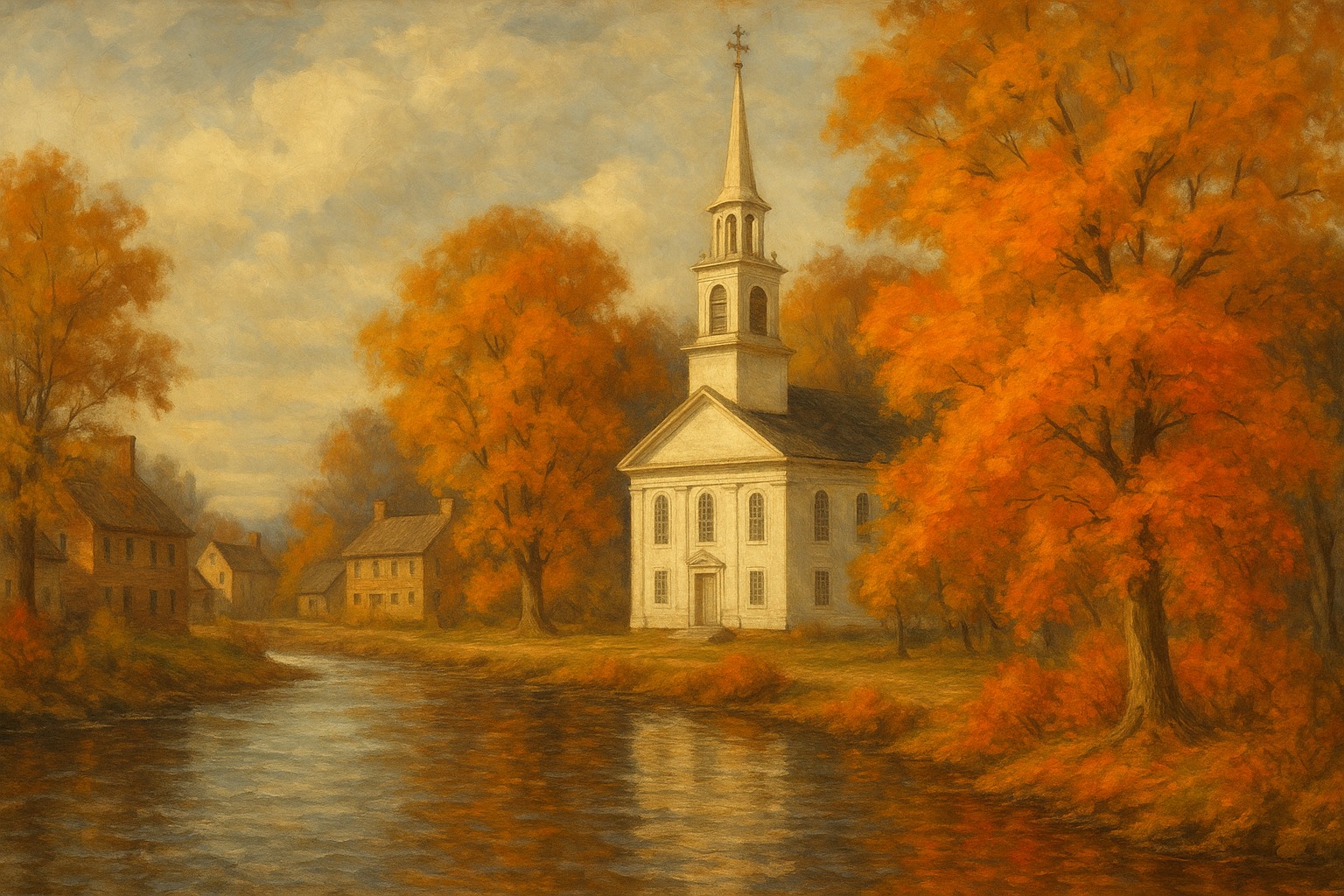
The independence could not last. English courts vacated the charter in 1684, and James II folded the colony into the Dominion of New England under a royal governor until Boston overthrew him in 1689. The new charter of 1691 merged Plymouth into Massachusetts, imposed a governor appointed by the Crown, and replaced church membership with a property qualification for voting. The theocratic experiment ended, but the practices it had built — the town meeting, the elected assembly, the schooled and argumentative public — long outlasted the charter that made them possible.


| Founded | 1630, at Boston and Salem |
| Leader | John Winthrop, first governor |
| Key move | The royal charter was carried to America |
| Migration | About 20,000 arrivals by 1642 |
| Banished | Roger Williams, 1635 — Anne Hutchinson, 1638 |
| End | Charter vacated 1684, royal charter issued 1691 |
| Date | 1630-1691 |
| Location | Boston, Massachusetts |