Nativism
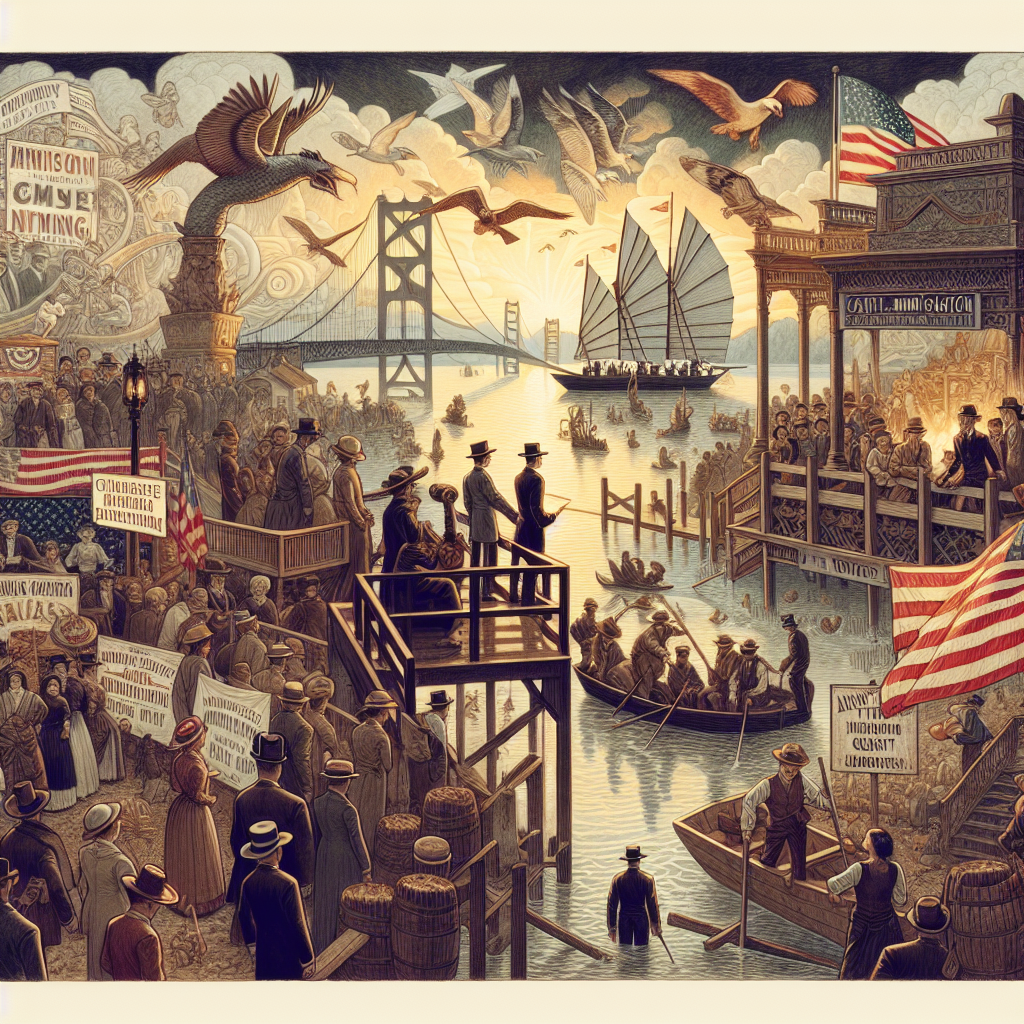
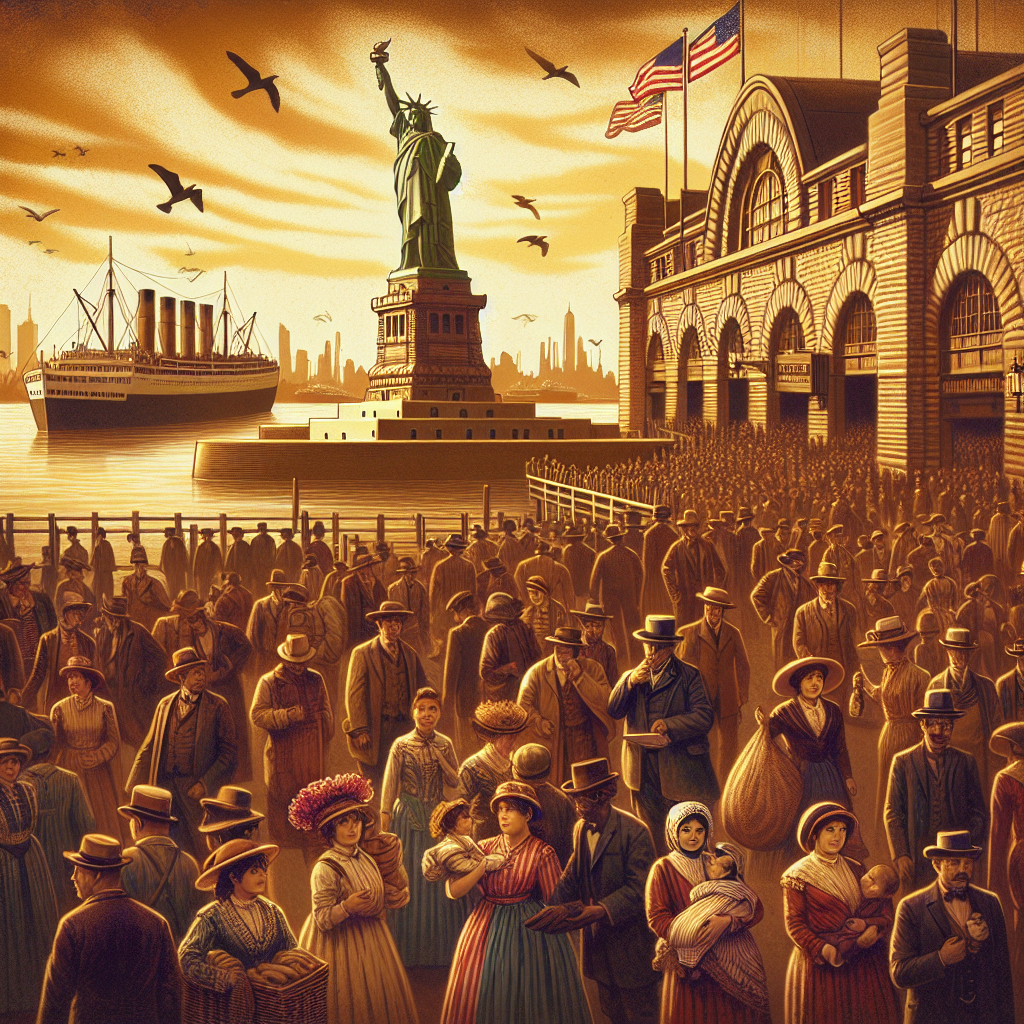
Nativism is as old as American immigration, which is to say it is nearly as old as America itself. The fear that newcomers — culturally alien, religiously suspect, economically competitive — will dilute or destroy a prior population's way of life has recurred with such regularity in American history that it is better understood as a structural feature of the culture than as an aberration. Each generation produces both a new wave of immigrants and a movement to stop them, and each movement frames itself as the last necessary defense of a national identity that is, itself, a product of earlier waves of immigration.
The targets have shifted with each era. In the 1840s and 1850s, the Know-Nothing Party organized politically around hostility to Irish Catholic immigrants, fearing that Catholic loyalty to the Pope was incompatible with republican self-government. In the 1880s, organized labor and California politicians pushed the Chinese Exclusion Act — the first federal law to bar a nationality from immigration. In the 1910s and 1920s, scientific racism provided academic cover for restricting Southern and Eastern European immigration, producing the quota system of 1924 that remained in place for four decades. The specifics changed; the grammar of the argument did not.
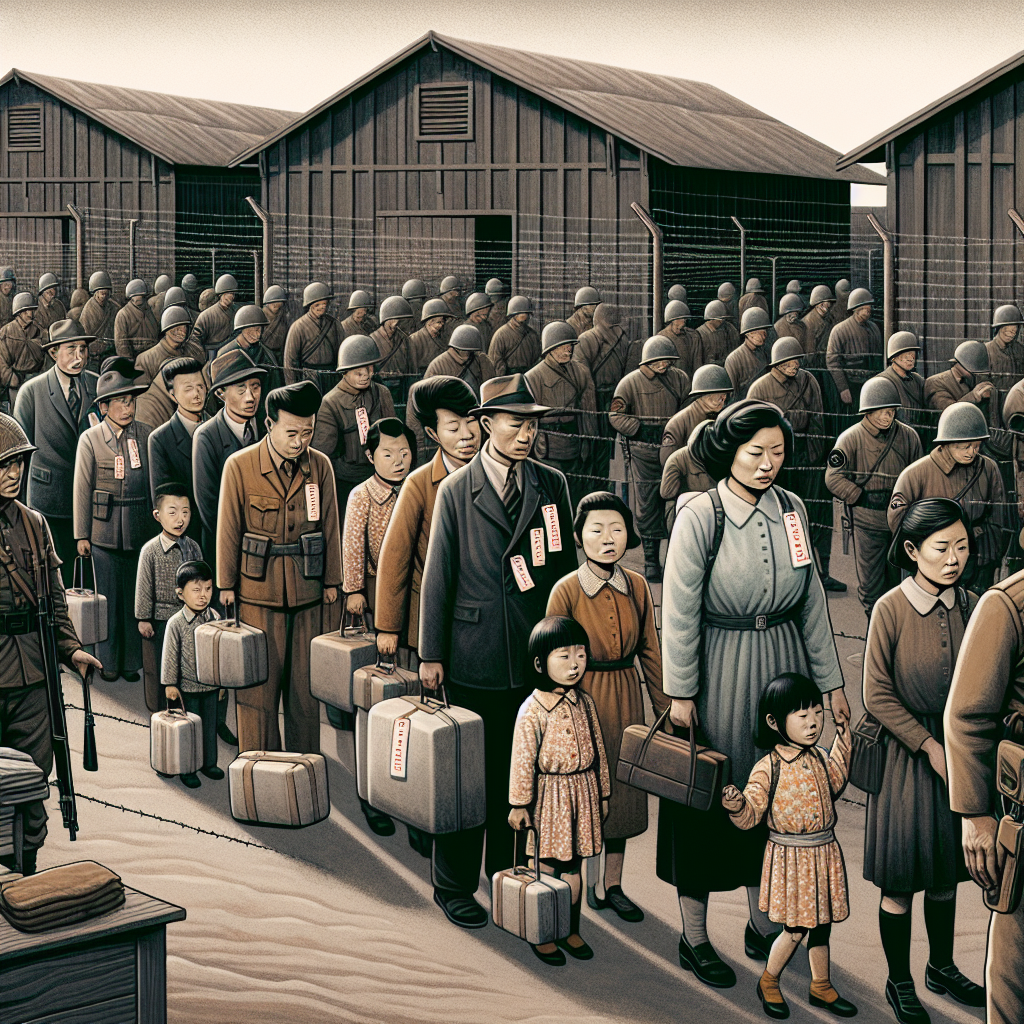
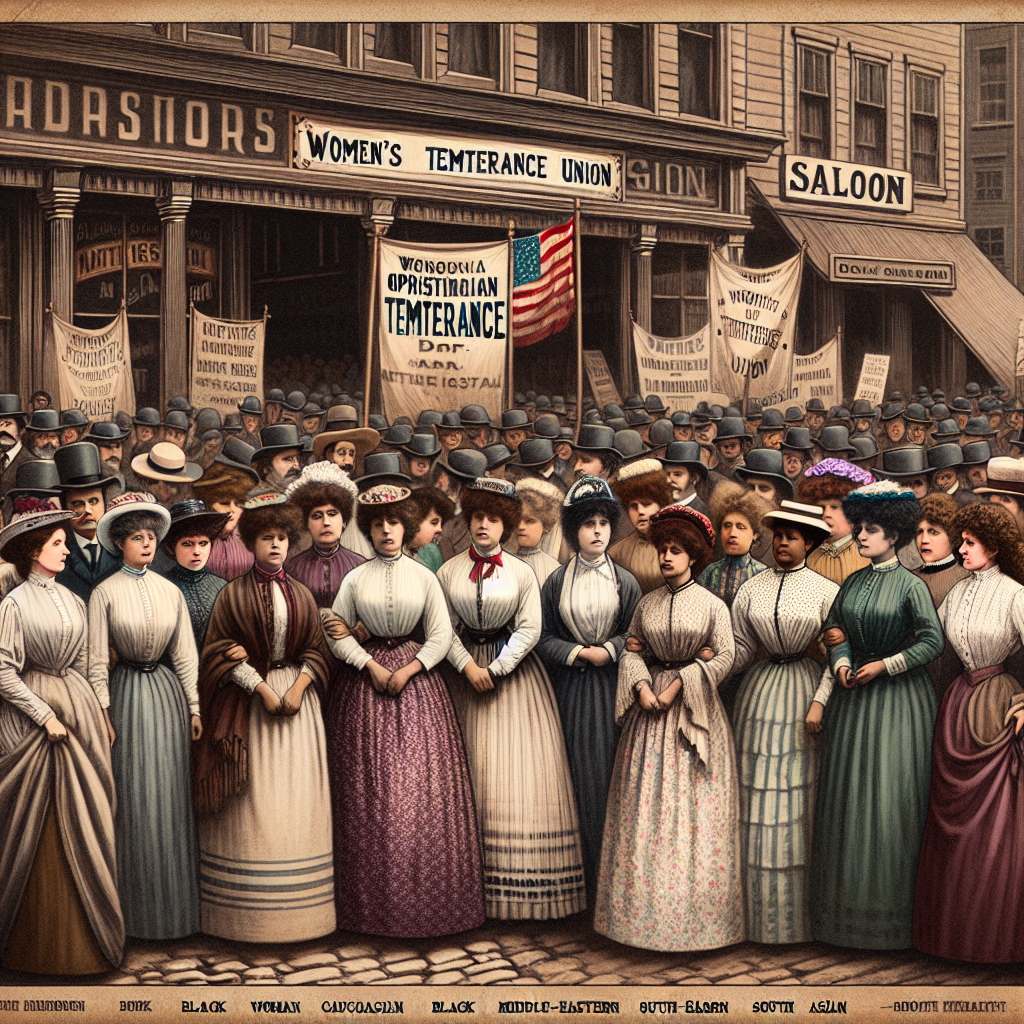
Nativism has intertwined with virtually every other American social conflict. It shaped the temperance movement, which associated alcohol with immigrant cultures. It animated the Ku Klux Klan's 1920s revival, which targeted Catholics and Jews alongside Black Americans. It informed internment of Japanese Americans during World War II. And it has remained a persistent force in American politics into the 21st century, channeled through debates over undocumented immigration, refugee policy, and birthright citizenship that echo the language and logic of movements a century old. The country that was built by immigrants has never made peace with immigration.

| Active Periods | 1840s–present (recurring) |
| Key Movements | Know-Nothing Party (1850s); Anti-Chinese movement; Immigration Act of 1924 |
| Chinese Exclusion | Chinese Exclusion Act, 1882 — first race-based immigration ban |
| 1924 Act | National-origin quota system; excluded Asians entirely |
| WWII Manifestation | Japanese American internment, 1942–1945 |
| Modern Form | Debates over undocumented immigration; refugee policy; birthright citizenship |
| Years | 1830 |
| Location | United States |