Evangelical Christianity
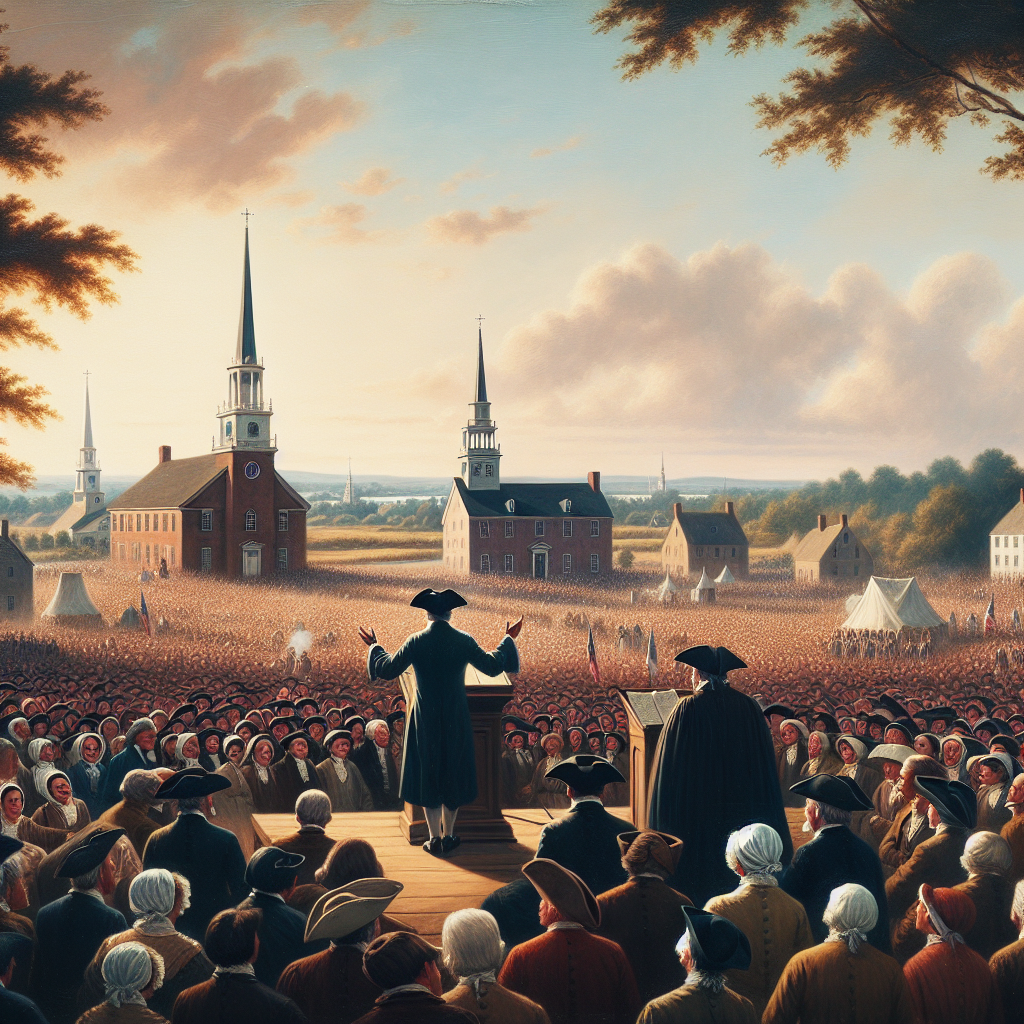
When George Whitefield arrived in the American colonies in 1739, he preached to crowds of 20,000 in open fields — larger than most colonial cities — and sparked a religious revival that cut across denominational lines and colonial borders in a way nothing had before. The First Great Awakening created something genuinely new: a shared Protestant identity that transcended the theological divisions between Congregationalists, Presbyterians, and Baptists, and gave ordinary people direct access to religious experience without the mediation of trained clergy. It was a democratic revolution in American Christianity — and the template for everything that followed.
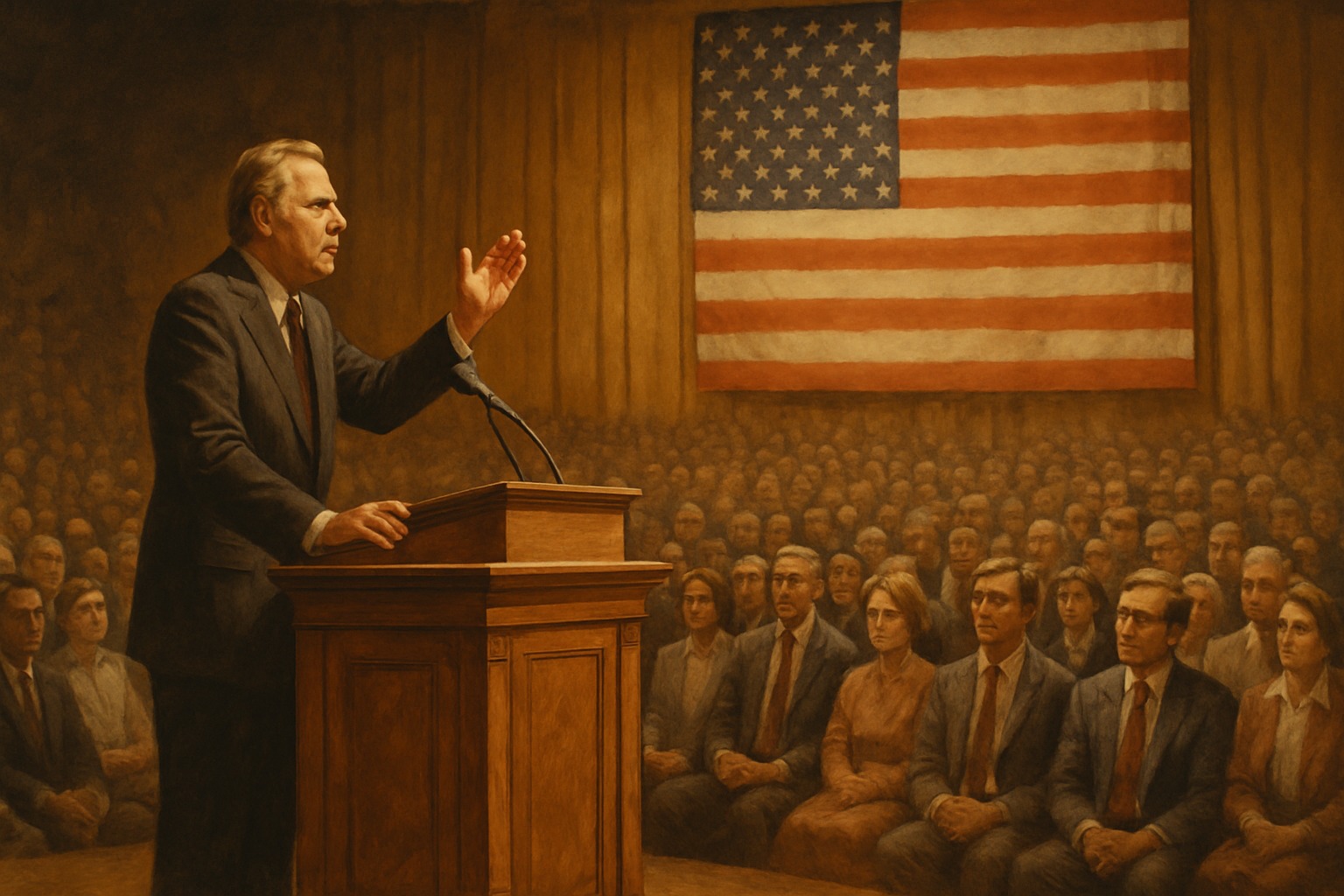
Evangelical Christianity has been intertwined with American political life from the beginning, though the political direction has shifted dramatically by era. The Second Great Awakening of the early 19th century powered the abolitionist movement, the temperance crusade, and early women's suffrage agitation — reform campaigns that drew their moral energy directly from revivalist Christianity. The 20th century brought a sharper partisan identity: after the Scopes Trial of 1925 drove fundamentalists into cultural retreat, Billy Graham's mass crusades beginning in 1949 reasserted evangelical presence in mainstream American life. Jerry Falwell's Moral Majority, founded in 1979, formalized the alliance between conservative evangelicals and the Republican Party that helped put Ronald Reagan in the White House.
Evangelical Christians — broadly defined as Protestants who emphasize a personal conversion experience, the authority of Scripture, and active evangelism — make up roughly 25 percent of the American adult population. Their political influence has consistently exceeded that share. In 2016, 81 percent of white evangelical voters supported Donald Trump, a margin that held through 2020 and 2024. The culture wars over abortion rights, same-sex marriage, school prayer, and religious liberty exemptions have been evangelical political causes since the 1970s, generating the most durable electoral coalition in modern American politics. The internal debate over whether evangelical political power has come at the cost of evangelical moral witness represents one of the sharpest ongoing arguments in American religious life.
| First Great Awakening | 1739–1745 — Whitefield, Jonathan Edwards; trans-colonial Protestant revival |
| Second Great Awakening | 1790s–1840s — camp meetings, Charles Finney; fueled abolition and temperance |
| Scopes Trial | 1925 — fundamentalist defeat in public; retreat from mainstream culture |
| Billy Graham | Mass crusades from 1949; access to every president from Truman to Obama |
| Moral Majority | Founded by Jerry Falwell, 1979; key to Reagan coalition |
| U.S. Population Share | ~25% of American adults identify as evangelical Protestant |
| 2016 Vote | 81% of white evangelical voters supported Donald Trump |
| Years | 1739 |
| Location | Northampton, Massachusetts |