The Moral Majority
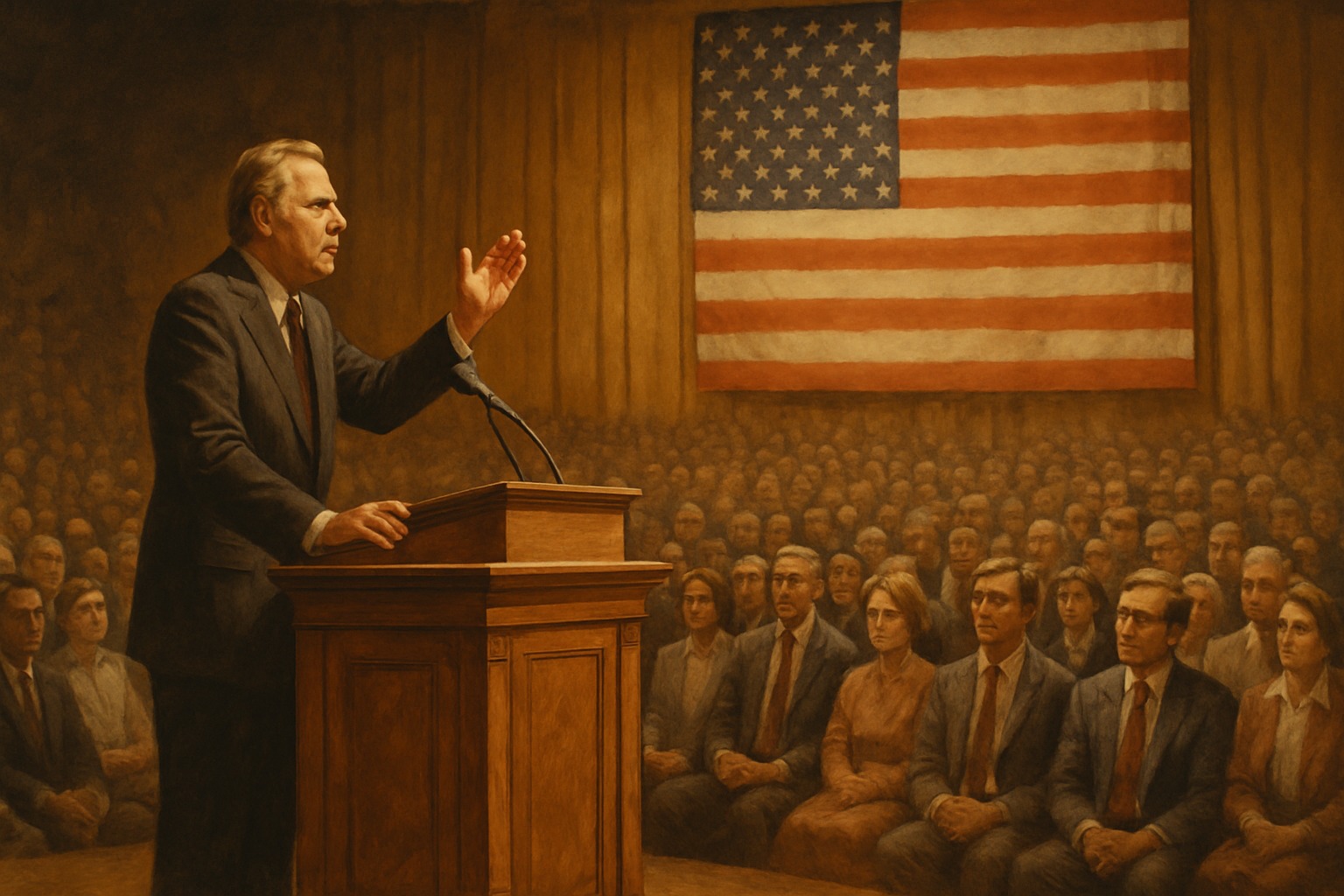
For much of the twentieth century, conservative evangelical Protestants largely held themselves apart from politics. That changed in 1979, when the television preacher Jerry Falwell founded the Moral Majority and set out to mobilize them into a political army. Alarmed by what they saw as the moral decay of American society, its organizers built a national movement that made the Religious Right a durable force in American public life.
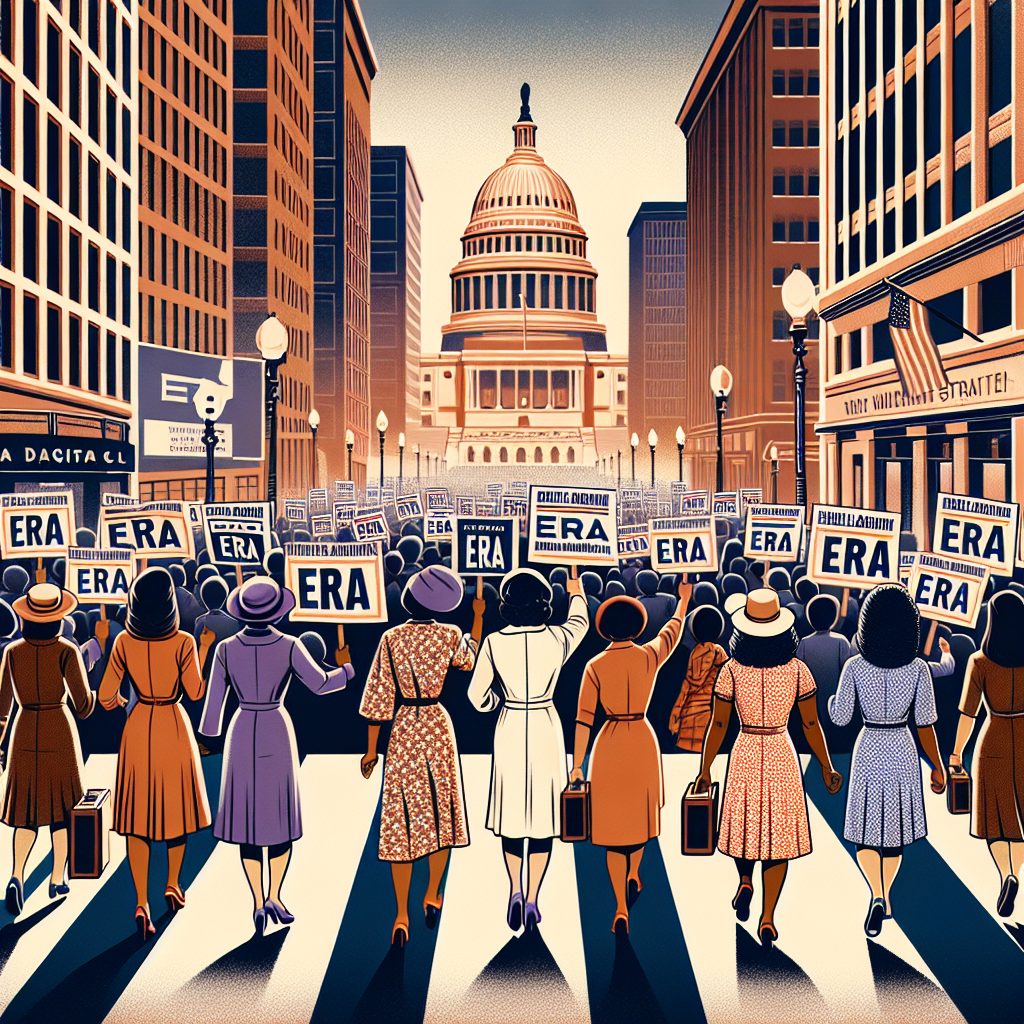
The Moral Majority campaigned on the issues of the emerging culture wars. It opposed abortion, made newly urgent by the 1973 Roe v. Wade decision, fought the Equal Rights Amendment and gay rights, and championed prayer in public schools and what it called traditional family values. Working through networks of conservative churches, it registered voters, distributed scorecards rating candidates, and turned Sunday congregations into a political constituency.
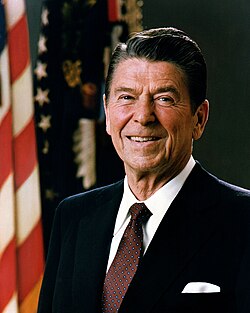
Its immediate impact was felt at the ballot box. The movement threw its weight behind Ronald Reagan in the 1980 election, helping to deliver evangelical voters to the Republican Party and cementing an alliance between conservative Christianity and the political right that would reshape the party for decades. Falwell and his allies gave the Republican coalition a passionate, organized religious base.
The Moral Majority itself was short-lived, disbanding in 1989 amid financial strain and Falwell's shifting focus. But the realignment it accelerated proved lasting. The fusion of evangelical faith and Republican politics that it pioneered outlived the organization by decades, making the Religious Right one of the most consequential movements in modern American political history.
| Founded | 1979 |
| Founder | Rev. Jerry Falwell |
| Base | Conservative evangelical Christians |
| Causes | Anti-abortion; opposed the ERA and gay rights |
| Politics | Backed Ronald Reagan (1980) |
| Disbanded | 1989 — but the Religious Right endured |
| Date | 1979–1989 |
| Location | Lynchburg, Virginia |