The Southern Christian Leadership Conference
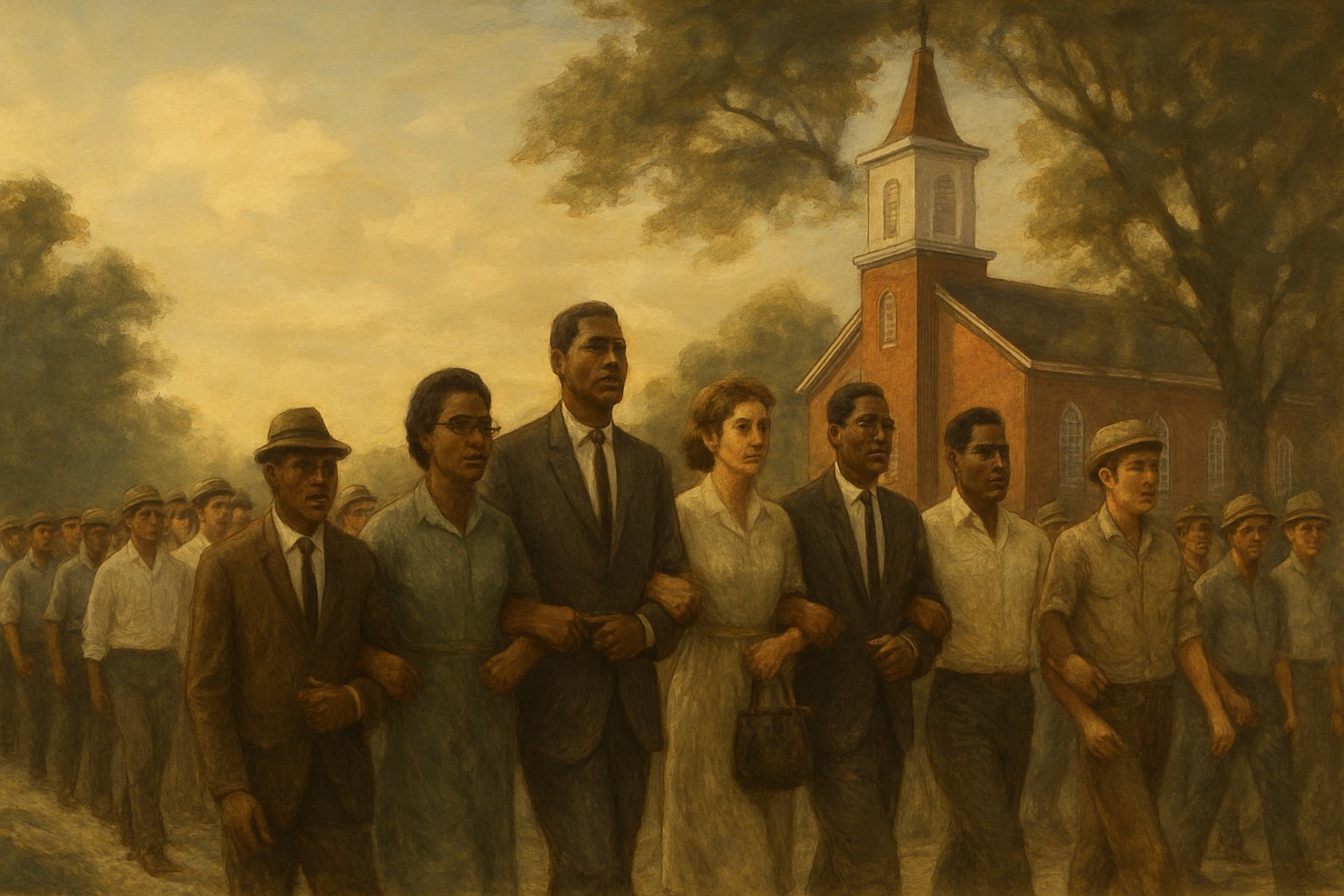
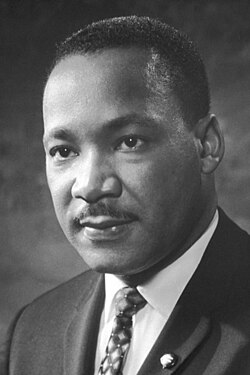
Out of the triumph of the Montgomery Bus Boycott came the organization that would carry the civil rights movement to its greatest victories. In 1957 Martin Luther King Jr. and a group of Black ministers founded the Southern Christian Leadership Conference to coordinate the region's Black churches into a single force for change. With King as its first president, the SCLC made the church the base of the movement and nonviolent direct action its weapon.
The conference did not simply protest — it choreographed confrontation. It planned the campaigns that put the brutality of segregation before the eyes of the nation: the 1963 demonstrations in Birmingham, where police turned dogs and fire hoses on children, the March on Washington where King delivered his dream, and the 1965 marches from Selma that helped force the Voting Rights Act through Congress. Each was designed to provoke a moral reckoning the country could not look away from.
The SCLC drew its philosophy from the Christian gospel and from Gandhi's example of nonviolent resistance. Its ministers preached that unearned suffering was redemptive and that love could be a political force, a message that gave the movement both its discipline and its moral authority. The network of Black churches it united provided the meeting halls, the money, and the marchers that made mass action possible.
The assassination of King in 1968 robbed the SCLC of the leader who had been its heart, and it never again wielded the same influence. But in its decade at the center of the struggle it had helped topple the legal edifice of segregation and win the landmark civil rights laws of the 1960s. It remains one of the defining institutions of the movement that remade American democracy.





| Founded | 1957, Atlanta |
| First president | Martin Luther King Jr. |
| Method | Nonviolent direct action |
| Base | Black churches of the South |
| Key campaigns | Birmingham (1963), Selma (1965) |
| Turning point | King's assassination, 1968 |
| Date | Founded 1957 |
| Location | Atlanta, Georgia |