Temperance Movement
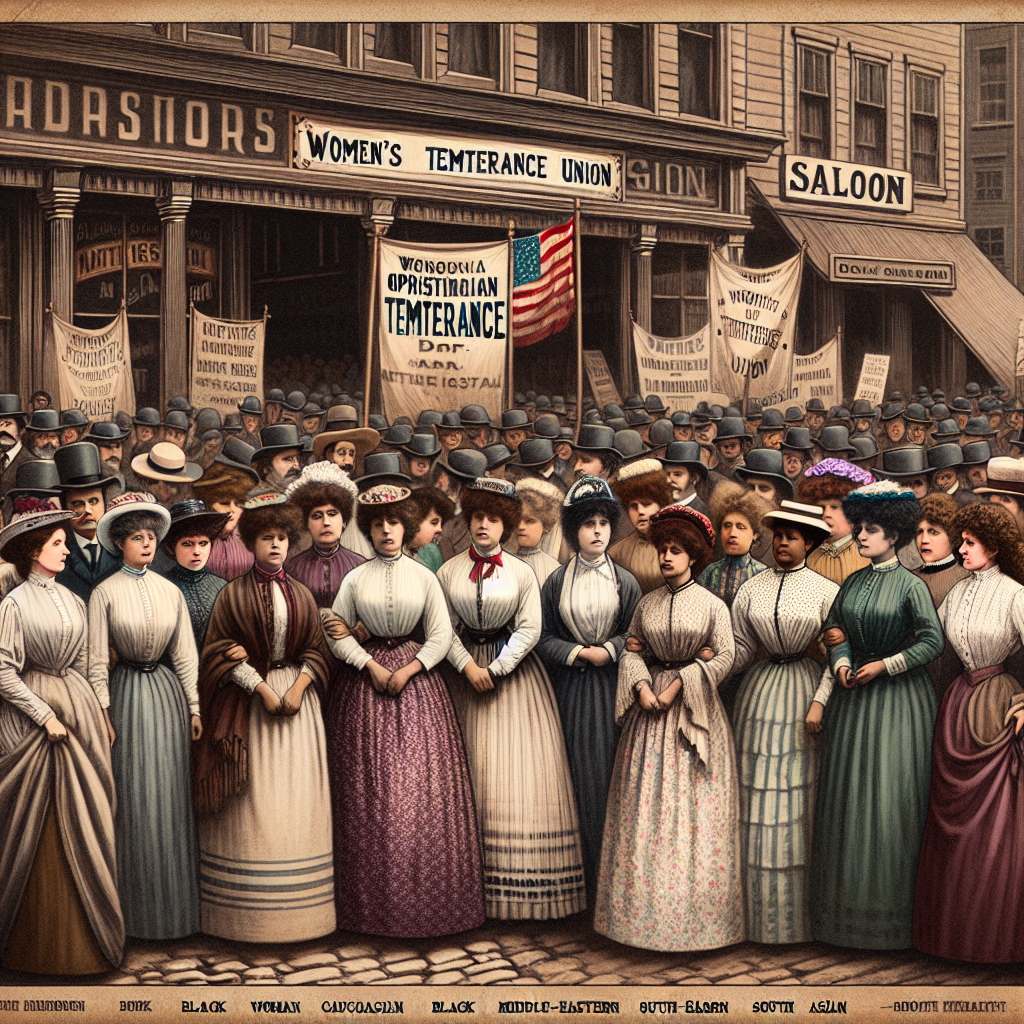
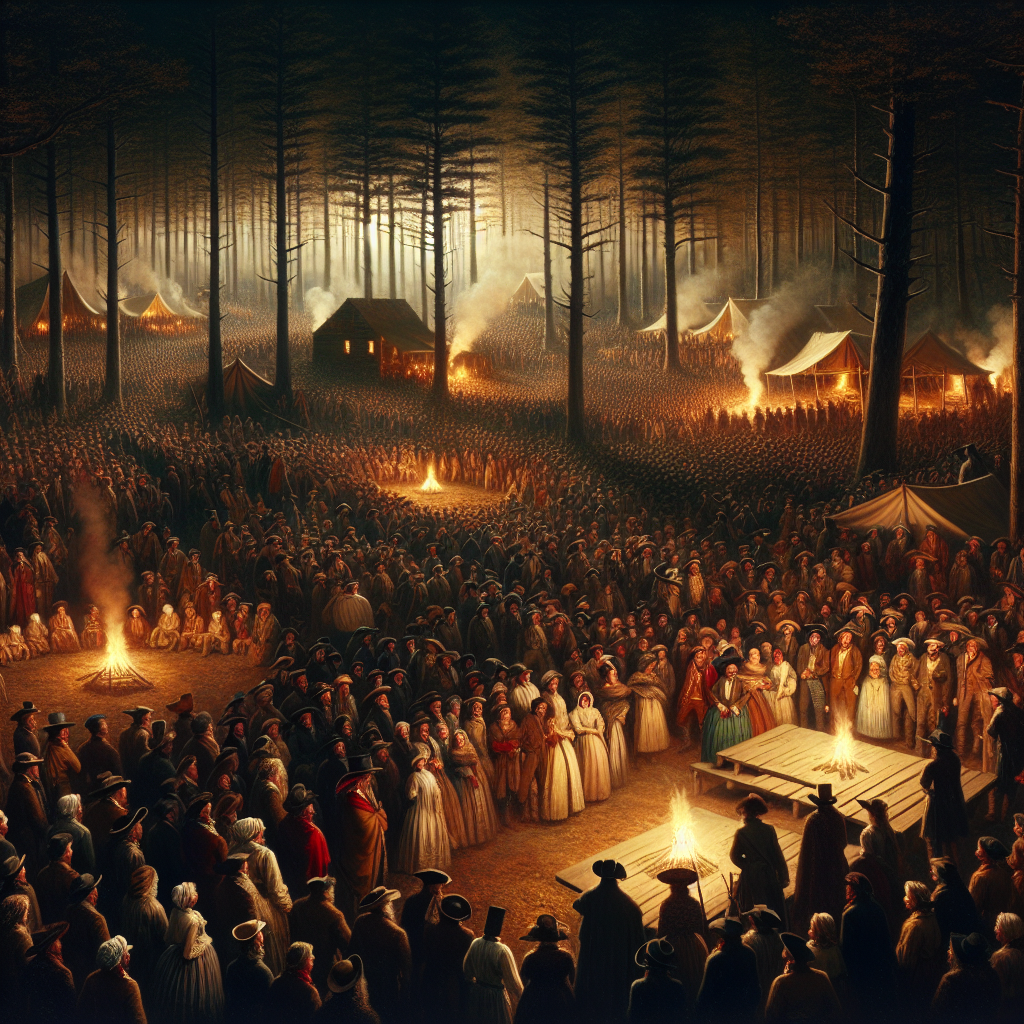
The American temperance movement began as a moral crusade, became a political force, and ended by amending the Constitution — and then watched that amendment repealed 13 years later. For more than a century, beginning in the 1820s, reformers argued that alcohol was the root cause of poverty, domestic violence, crime, and social disorder. They were not entirely wrong. The drinking habits of early 19th-century America were by any measure extraordinary, and the consequences fell disproportionately on women and children who had no legal recourse against husbands who drank away the family's income.
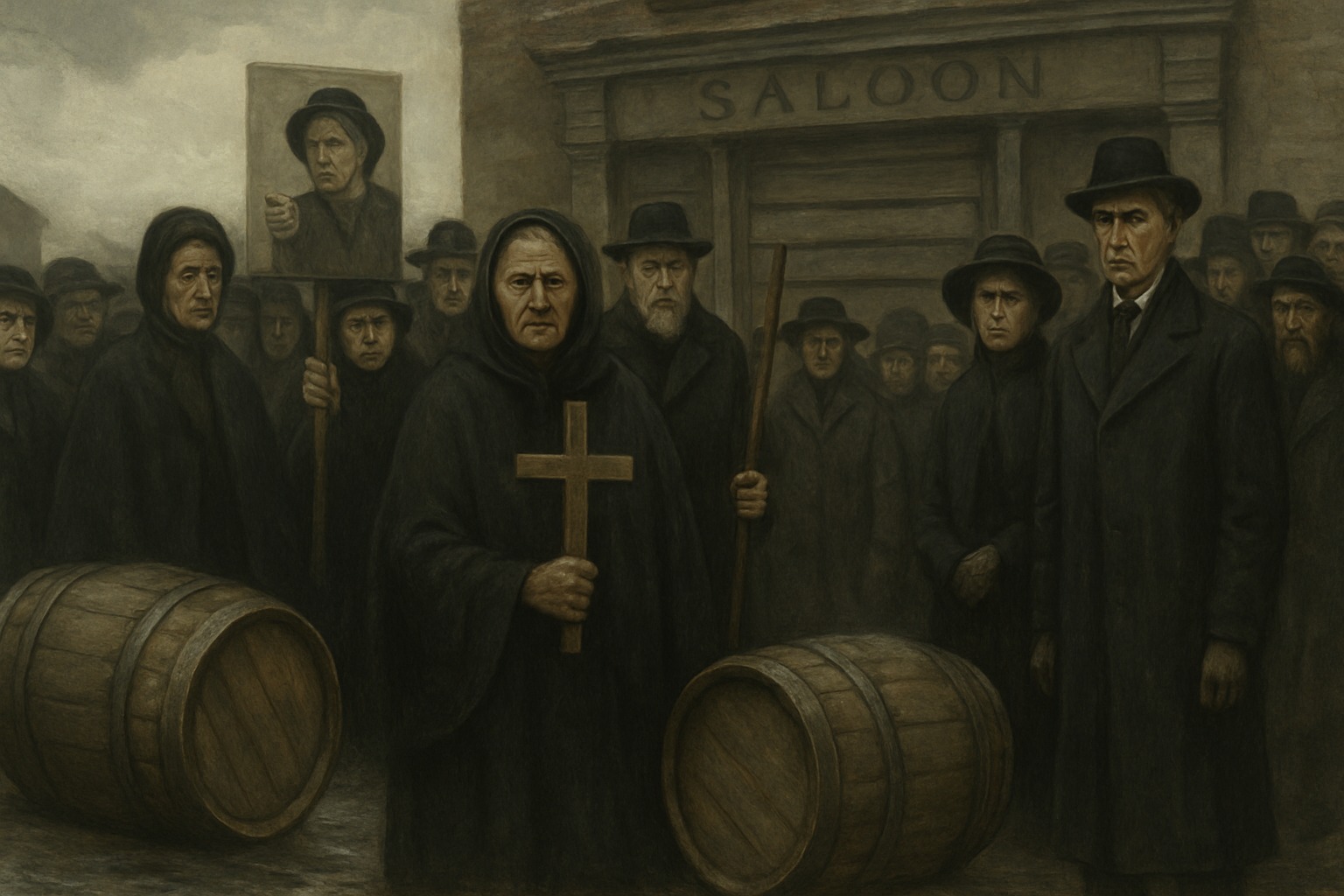
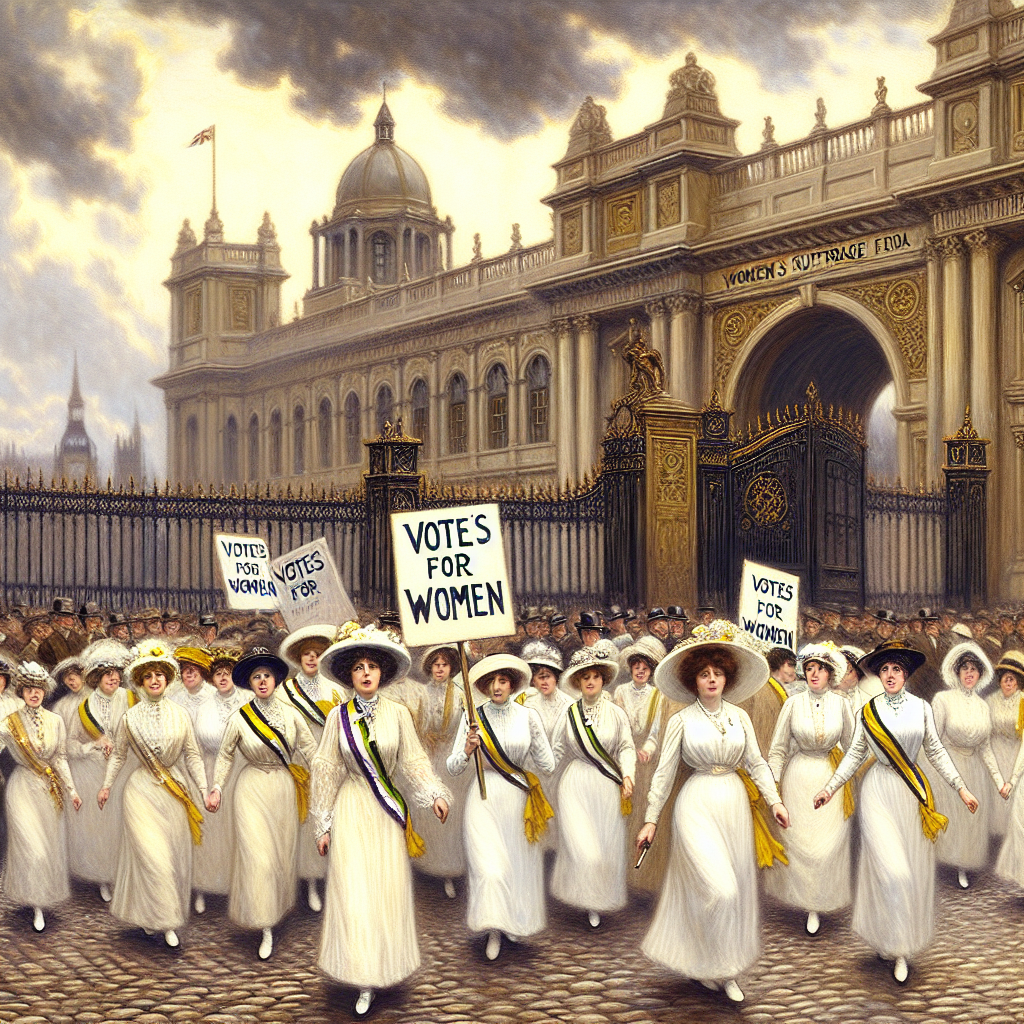
The movement drew its energy from Protestant evangelicalism and from women who had both the most to lose from alcohol's social costs and the least political power to address them through conventional means. Organizations like the Woman's Christian Temperance Union, founded in 1874, made temperance a vehicle for broader claims about women's rights and civic participation. The Anti-Saloon League turned that grassroots fury into one of the most effective single-issue lobbying operations in American political history, producing the Eighteenth Amendment in 1919.
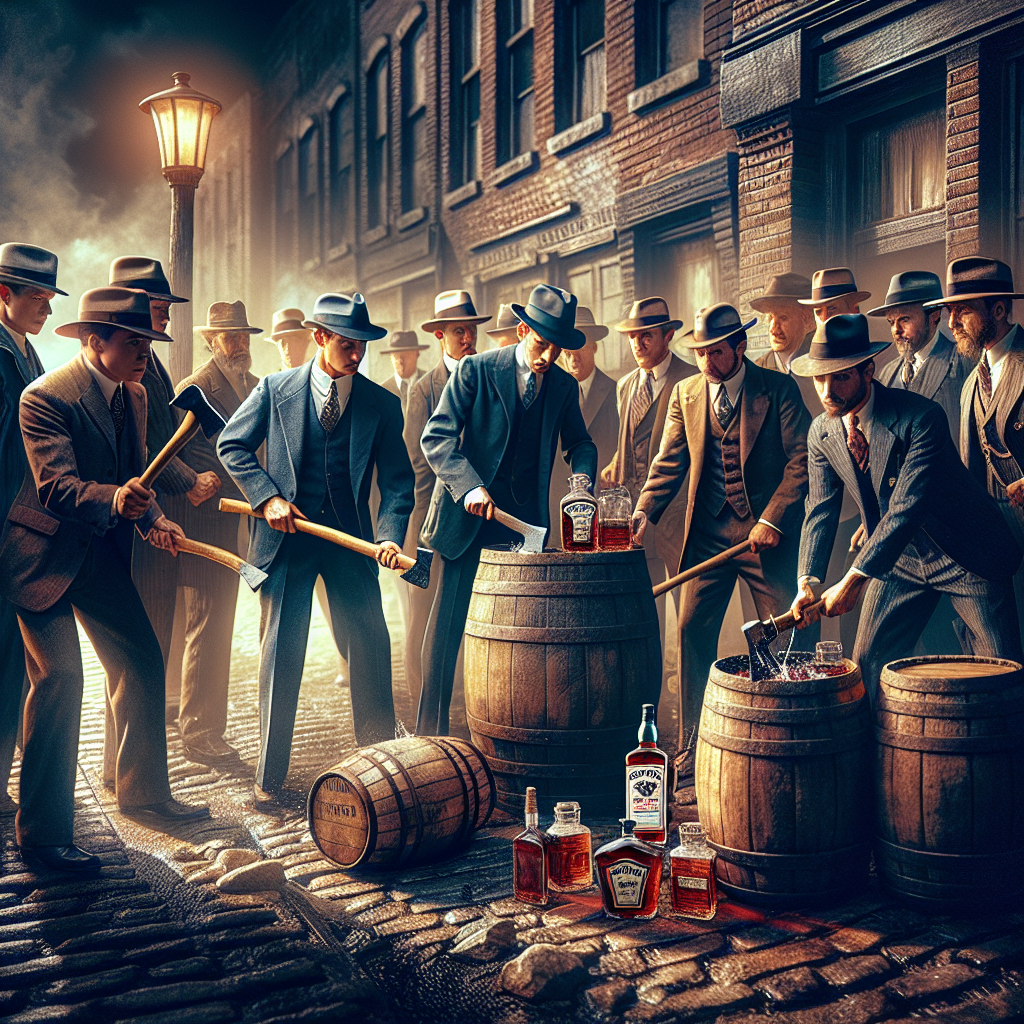
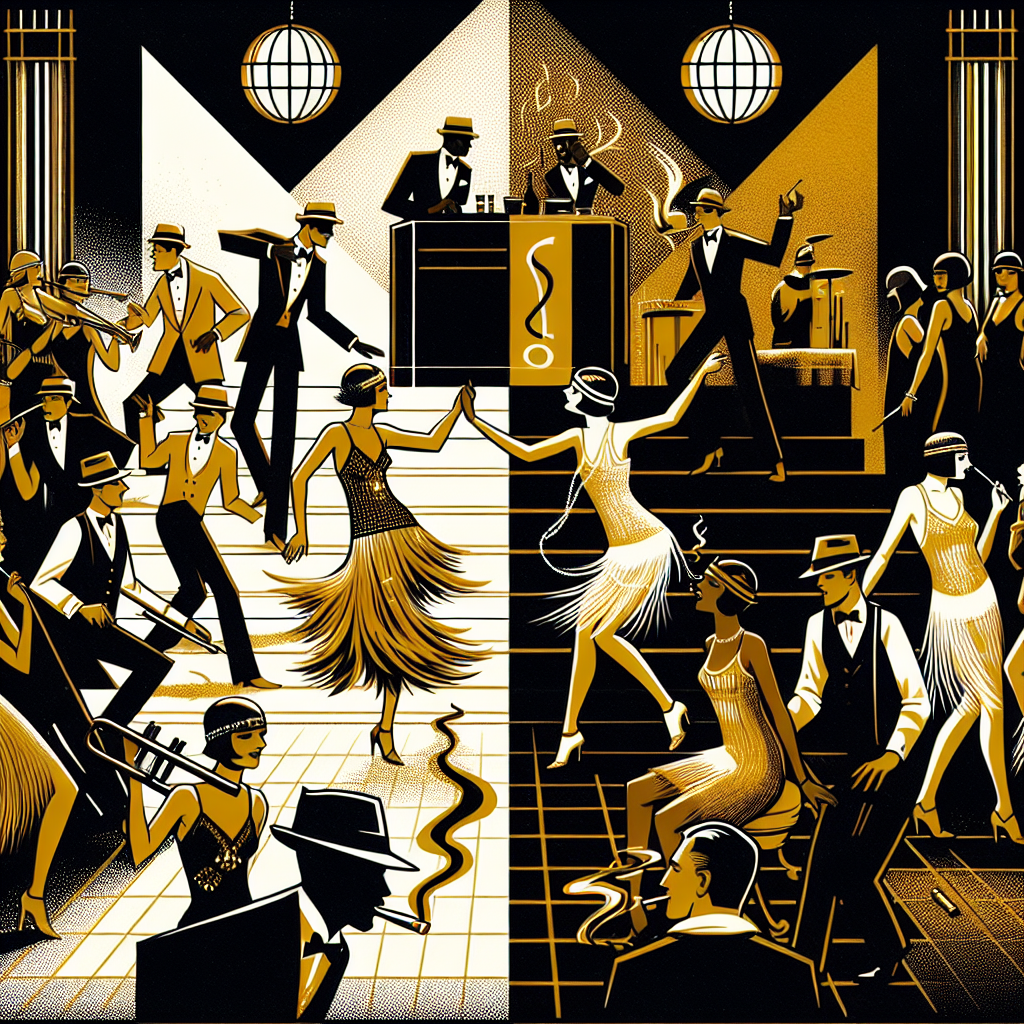
Prohibition lasted until 1933, when the Twenty-First Amendment repealed it. The experiment reduced alcohol consumption and lowered rates of liver disease, but it also created organized crime on an industrial scale, corrupted law enforcement from Chicago to New York, and generated a cultural backlash that permanently associated government moralism with hypocrisy. The temperance movement's complicated legacy is a nation that drinks somewhat less and distrusts government moralism somewhat more.
| Active Period | 1820s–1933 |
| Key Groups | American Temperance Society; WCTU (1874); Anti-Saloon League |
| Key Figures | Carry Nation, Frances Willard, Wayne Wheeler |
| Achievement | 18th Amendment (Prohibition), ratified January 16, 1919 |
| Repeal | 21st Amendment, ratified December 5, 1933 |
| Connected To | Women's suffrage movement; Second Great Awakening |
| Years | 1820–1933 |
| Location | United States |