Abolitionism
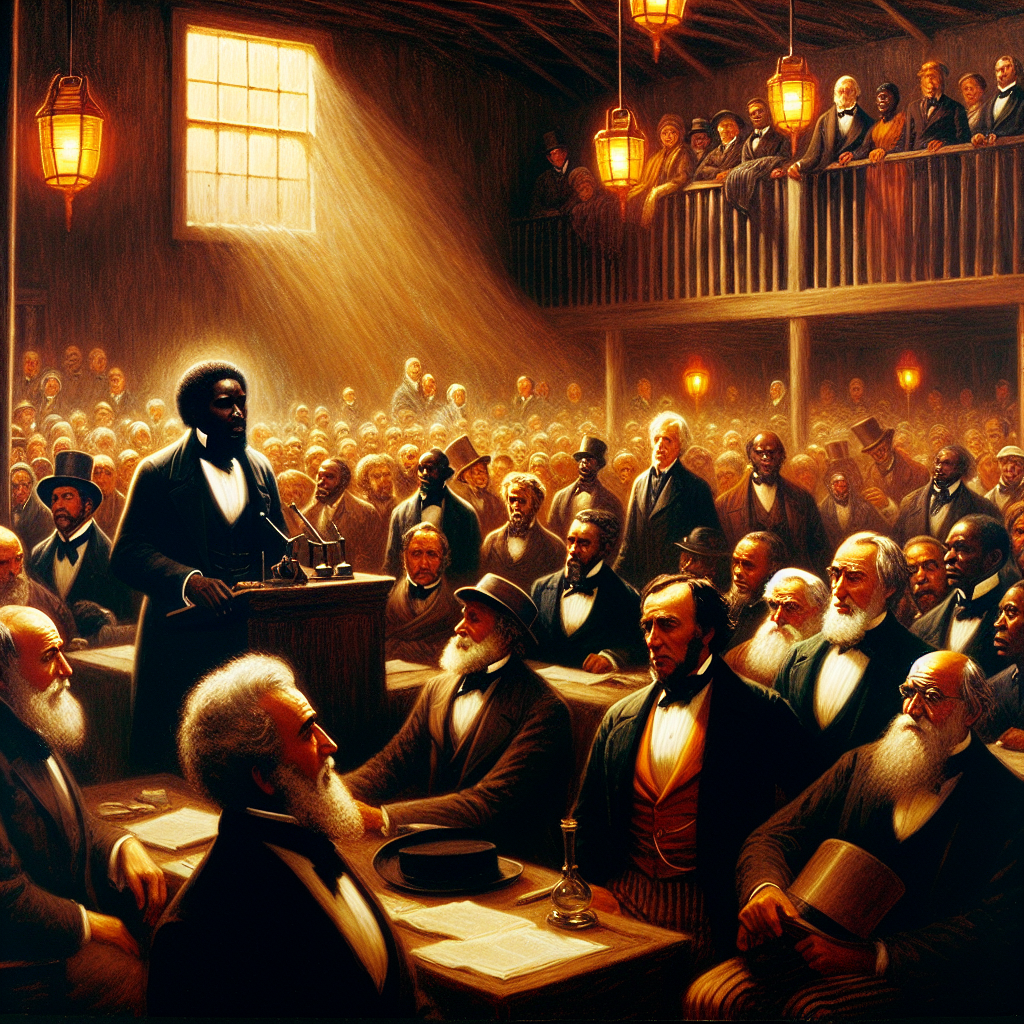
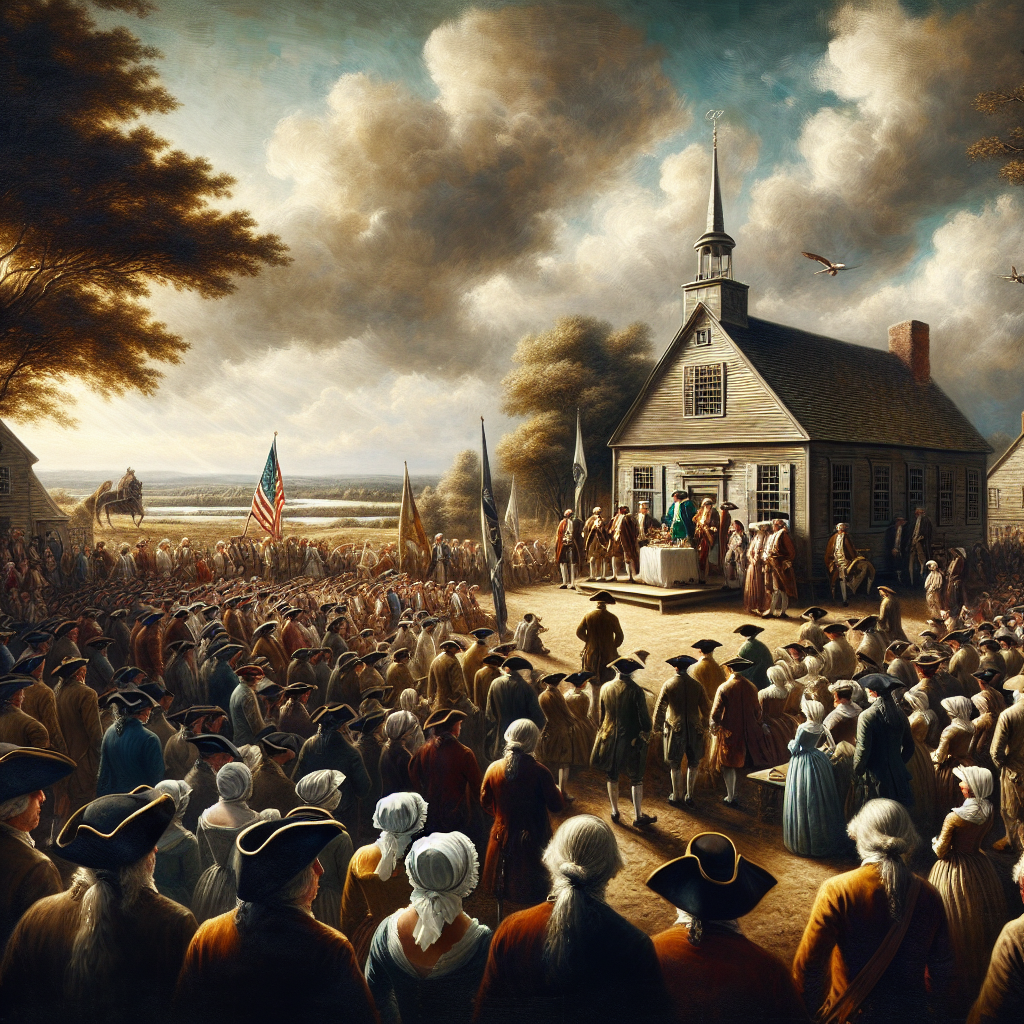
American abolitionism was not a single movement but a continuous argument — about methods, urgency, alliance, and what freedom actually required — carried on between people who agreed only that slavery had to end. It began in Quaker meeting houses in the colonial era, grew into a transatlantic network of moral pressure in the early 19th century, fractured repeatedly over tactics and race, and finally merged with Republican politics in the 1850s to produce the coalition that elected Abraham Lincoln and triggered secession. The movement's internal tensions were as defining as its achievements.
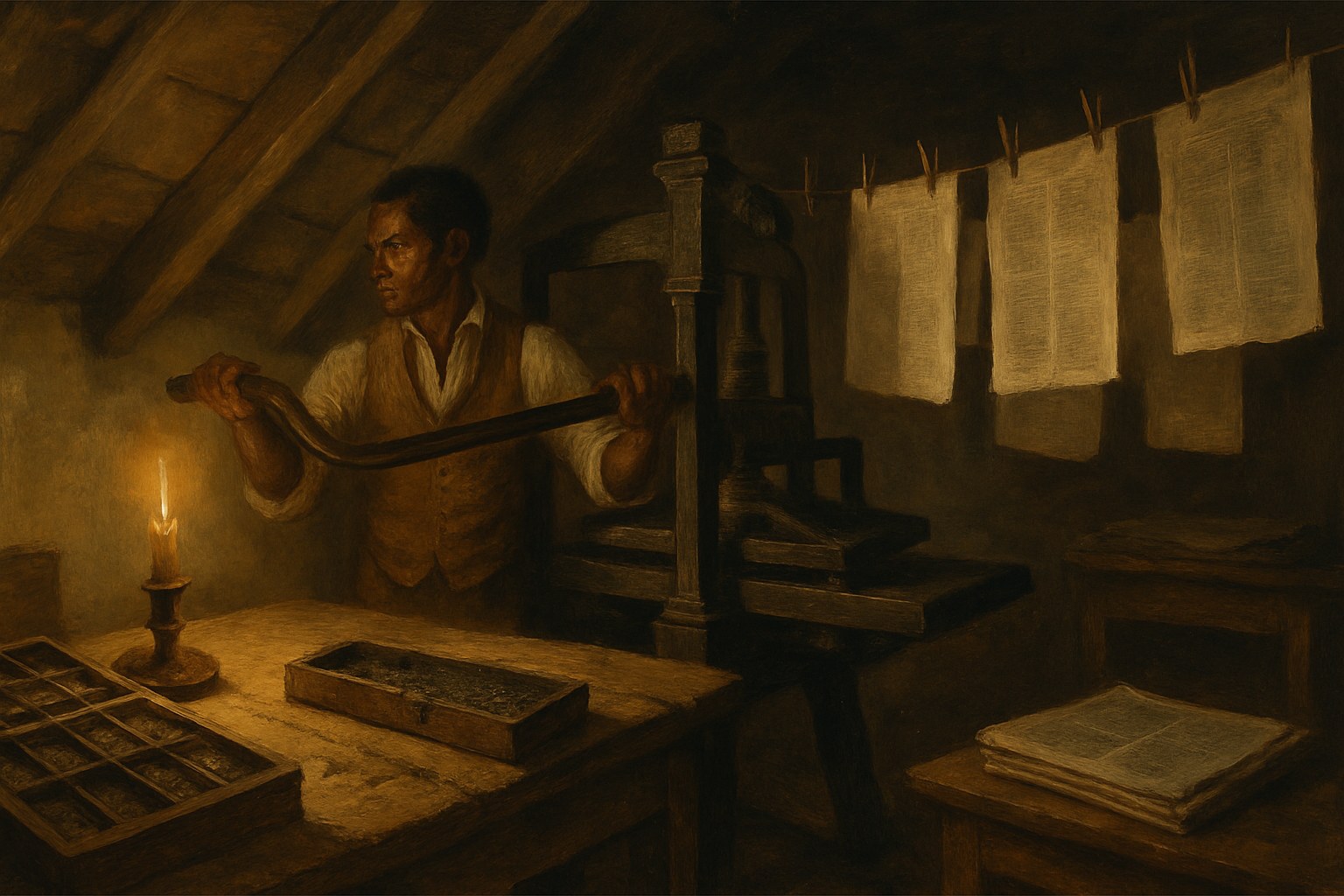
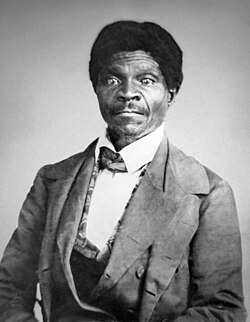
William Lloyd Garrison launched The Liberator in 1831 and demanded immediate, uncompensated emancipation — a position so radical it was illegal to distribute his newspaper in the South. Frederick Douglass, who had escaped slavery in 1838, became the movement's most powerful voice precisely because his testimony was impossible to dismiss. Harriet Tubman made abolition operational rather than rhetorical. Sojourner Truth connected it to women's rights. John Brown believed, not entirely without reason, that slavery would only end through violence. They disagreed about nearly everything except the central fact.
The abolitionist movement's relationship to race was complicated and often contradictory. White abolitionists frequently expected Black abolitionists to perform suffering rather than exercise leadership. The movement's most effective political form — the Republican Party — was antislavery rather than abolitionist, committed to stopping slavery's expansion rather than demanding its immediate end. Yet the moral pressure abolitionists sustained for four decades created the cultural and political conditions in which Lincoln's election became possible, Confederate secession became inevitable, and emancipation finally became law.


| Active Period | 1780s–1865 |
| Key Figures | William Lloyd Garrison, Frederick Douglass, Harriet Tubman, Sojourner Truth, John Brown |
| Key Publications | The Liberator (1831–1865); North Star (1847–1851) |
| Political Arms | Liberty Party; Free Soil Party; Republican Party |
| Achievement | 13th Amendment, ratified December 6, 1865 |
| Connected To | Women's rights movement; Underground Railroad |
| Years | 1780–1865 |
| Location | United States |